

The moment millennials stepped into adulthood, they were met not with stability but with soaring debt, shrinking paychecks, and a world moving faster than they could catch up.
I don’t know about you, but sometimes it feels like millennials were handed a checklist of “adulting goals” and then watched the world quietly change all the rules. Late last year, I was sitting in my first tiny apartment, staring at a stack of bills, and wondering how anyone was supposed to balance student loans, rent, and the cost of just existing. Just when one financial hurdle seems manageable, another one moves the goalposts further out of reach.
A report by Newsweek highlights that 38% of younger generations say it’s harder for them to build wealth than it was for their parents. Millennials’ average net worth ranges from $76,000 to $436,000, far below that of baby boomers, who average between $970,000 and $1.2 million. It’s not that millennials don’t want stability; it’s that the definition of stability keeps moving further away.
Navigating student debt that never seems to shrink

For many millennials, the first significant challenge didn’t even wait until after graduation—it began the moment they signed those loan papers. Student debt in the U.S. has ballooned to more than $1.8 trillion, with millennials carrying the largest share of that debt.
Millennials hold over $1.13 trillion in federal student loan debt, more than 62% of the total federal student loan portfolio. Millennials are the largest borrower group, comprising 15 million individuals aged 25–34.
Even those who’ve been making payments for years often feel like they’re just covering interest. It’s exhausting to watch balances barely move while life becomes increasingly expensive. It’s no wonder that so many are rethinking what financial success truly means.
Trying to buy a home when prices feel out of reach

Millennials entered the housing market right as affordability went out the window. In many cities, home prices have doubled or tripled since 2000, while wages stayed frustratingly flat.
Millennials are buying homes later than any previous generation. For many, saving for a down payment feels like chasing a moving target. Renting may offer flexibility, but it rarely feels like building real wealth.
Balancing careers with side hustles just to stay afloat

Having one job used to be enough, but for many millennials, that’s a dream. Side hustles aren’t always passion projects; they’re survival strategies.
As per TransUnion, 78% of U.S. millennials reported earning income from one or more gig platforms, making them the most active generation in the gig economy. Even more striking, 55% of millennials said gig work was their primary source of employment and income.
Juggling a primary job, freelance gigs, and possibly even a small online shop requires energy that most people don’t often discuss. The hustle culture is exhausting, but it usually feels like the only option.
Living with the pressure of comparison culture

Scrolling through social media can feel like a full-time job in envy management. Seeing friends buy houses, travel abroad, or “live their best lives” makes it hard not to feel a sense of envy.
Heavy social media use is linked to increased anxiety and depression, especially among younger adults. What’s tricky is that those posts rarely show the whole picture. However, knowing that doesn’t always alleviate the pressure.
Figuring out health insurance in a confusing system

The first time many millennials had to pick a health plan, it felt like reading a foreign language. Premiums, deductibles, and networks—each choice carried the risk of paying too much or getting too little.
According to the Kaiser Family Foundation, the average annual premium for single coverage increased by 6% to $8,951, making healthcare feel more like a luxury than a basic necessity. It’s stressful to be one accident away from financial disaster. The system doesn’t make it easy to feel secure.
Navigating relationships in a world that feels different

Dating apps rewrote the rules of romance just as millennials were coming of age. On one hand, more options mean more chances to connect.
On the other hand, endless swiping can feel draining and impersonal. It’s not just about finding love—it’s about finding stability in a world that often feels unpredictable.
Raising kids while managing rising costs

For millennials with children, expenses pile up faster than expected. Childcare alone can cost as much as rent or a mortgage in many areas. The USDA once estimated that raising a child from birth to age 17 costs over $233,610, and that number is increasing.
Many parents feel torn between wanting to provide the best for their children and needing to make ends meet. It makes family planning a deeply financial decision, not just an emotional one.
Saving for retirement while paying today’s bills

Retirement can feel like a luxury for millennials, not a guarantee. Fidelity recommends having at least one year’s salary saved by age 30, but many millennials struggle to hit even a fraction of that.
With rent, daily expenses, and debt consuming paychecks, planning for the future can seem impossible. The 401(k) gap is real, and so is the guilt that comes with falling behind. Still, even small contributions feel like a win in this climate.
Dealing with burnout from a non-stop work culture

The idea of “work-life balance” often feels like a myth. Millennials entered the workforce during a period of economic turbulence, so the pressure to prove themselves has been intense from the start.
That constant exhaustion bleeds into every aspect of life—relationships, health, and even self-worth. It’s hard to slow down when the system rewards overwork.
Managing the cost of higher rent year after year

Save this article
For many, rent is the most significant monthly expense, and it continues to rise. Data from Yield PRO shows rent has increased over 30% nationally since 2017.
In cities, those jumps can make moving or upgrading impossible. Millennials often feel stuck paying more for less space, with little hope of saving while renting. It’s not just housing—it’s a drain on freedom and options.
Caring for aging parents while building their own lives

As parents get older, many millennials are stepping into caregiving roles earlier than expected. Between medical bills, transportation, and daily support, the costs, both emotional and financial, add up quickly.
Balancing that with their own careers and kids feels overwhelming. It’s a challenge no one really prepares you for.
Juggling mental health in a world that rarely slows down

Mental health isn’t new, but discussing it openly has become increasingly common among millennials. Therapy and medication are less stigmatized, which is progress, but affordability is another story.
Psychology Today reports that therapy sessions can cost anywhere from $100 to $200 per hour without insurance. That price tag keeps support out of reach for many. The awareness is there, but access isn’t always available.
Keeping friendships alive in a busy, scattered world

Staying close to friends as an adult feels harder than anyone warned. People move for jobs, kids take over schedules, and long commutes eat into free time.
Friendships often shift from spontaneous hangouts to carefully scheduled coffee dates that sometimes get canceled anyway. The love is there, but keeping the connection alive takes more work than most realize.
Trying to travel without draining their savings

Millennials love experiences, and travel is at the top of the list. But flights, hotels, and even road trips have become more expensive than ever. According to Motley Fool, the average total cost of a vacation is now $7,249, with domestic trips typically costing $9,922.
That makes spontaneous getaways harder to justify. The wanderlust is there, but so are the financial trade-offs.
Handling the weight of climate anxiety

Millennials grew up hearing about climate change, but now they’re living with its reality. Rising sea levels, wildfires, and extreme weather events feel less like news headlines and more like everyday life.
It’s not just about the environment—it’s about feeling powerless over the future. That uncertainty can be heavy.
Facing constant change in technology and jobs

When millennials master one skill or platform, the workplace shifts again. New tools, apps, and systems arrive faster than training can keep up.
McKinsey reports that by 2030, up to 375 million workers may need to switch occupational categories and learn new skills due to automation. That pace of change keeps many feeling like they’re always behind. Adaptability becomes less of a skill and more of a survival tactic.
Key takeaways

Financial roadblocks stack up quickly. Student loans, rising rent, impossible housing markets, and retirement savings gaps: money stress defines much of millennial adulthood.
Work culture adds constant pressure. Side hustles, burnout, and nonstop career pivots make achieving balance difficult, leaving many individuals juggling multiple roles just to keep up.
Personal life feels more expensive and complicated. Raising kids, affording health care, traveling, or caring for aging parents; stability often comes with a heavy price tag.
The future feels uncertain. Climate anxiety, rapid tech changes, and comparison culture leave many millennials questioning what “success” and security even mean anymore.
Disclaimer – This list is solely the author’s opinion based on research and publicly available information. It is not intended to be professional advice.
16 grocery staples to stock up on before prices spike again

16 Grocery Staples to Stock Up On Before Prices Spike Again
I was in the grocery store the other day, and it hit me—I’m buying the same things I always do, but my bill just keeps getting higher. Like, I swear I just blinked, and suddenly eggs are a luxury item. What’s going on?
Inflation, supply-chain delays, and erratic weather conditions have modestly (or, let’s face it, dramatically) pushed the prices of staples ever higher. The USDA reports that food prices climbed an additional 2.9% year over year in May 2025—and that’s after the inflation storm of 2022–2023.
So, if you’ve got room in a pantry, freezer, or even a couple of extra shelves, now might be a good moment to stock up on these staple groceries—before the prices rise later.
6 gas station chains with food so good it’s worth driving out of your way for
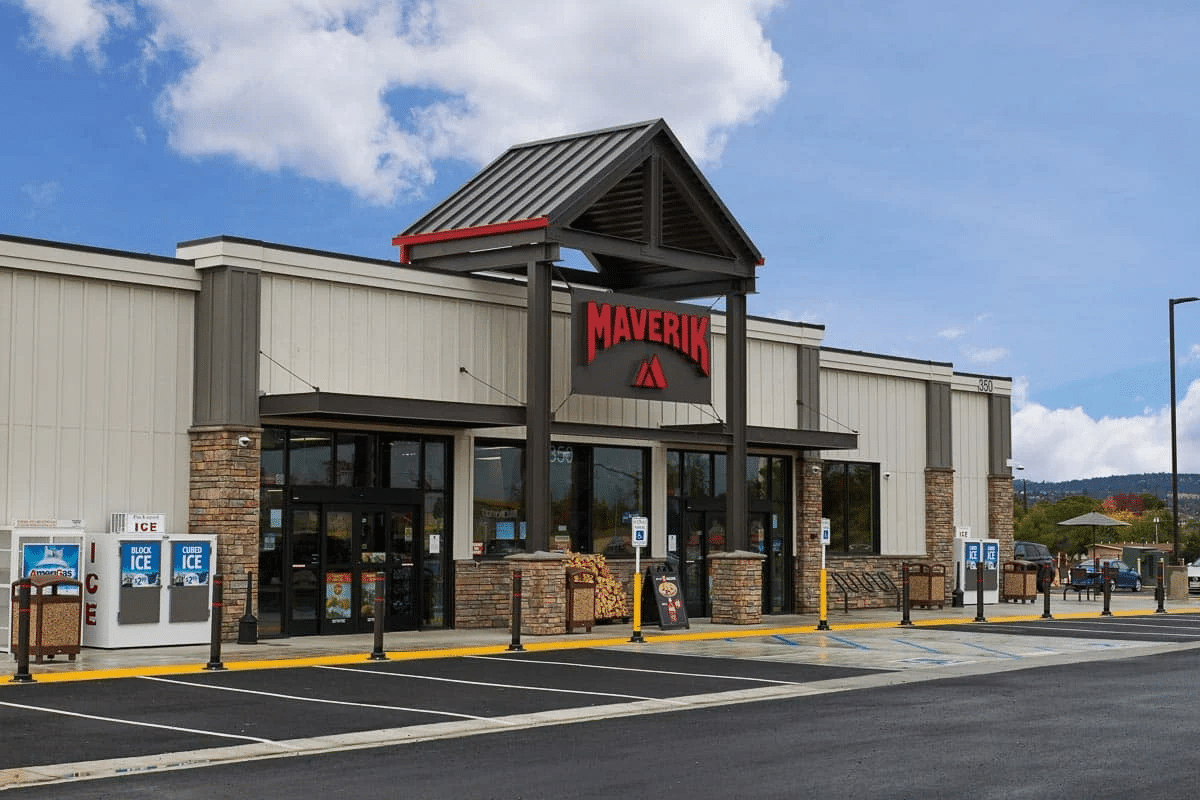
6 Gas Station Chains With Food So Good It’s Worth Driving Out Of Your Way For
We scoured the Internet to see what people had to say about gas station food. If you think the only things available are wrinkled hot dogs of indeterminate age and day-glow slushies, we’ve got great, tasty news for you. Whether it becomes part of a routine or your only resource on a long car trip, we have the food information you need.
Let’s look at six gas stations that folks can’t get enough of and see what they have for you to eat.





