

The concept of what a real man is or is not supposed to do has been forced down the throats of men for centuries. But guess what? Most of these rules are simply idiotic.
The 2024 study by the Pew Research Center indicates that about 42 percent of men in the U.S. continue to identify as highly masculine because of stereotypes prevalent in the old school that do not apply in the new world. Unluckily, the concepts of rigid masculinity are far from harmless advice.
The male suicide rate in the U.S. has been skyrocketing. This issue is particularly severe among young men aged 15 to 24. According to CDC data, suicide rates in this group have risen from 11 to 21 per 100,000 over the last few decades.
Fortunately, 95 percent of men are currently prioritizing mental health and adopting self-care, which is a sign that there is a shift in the way masculinity is perceived. Nevertheless, there are still myths that some so-called real men do not adhere to.
The following is a list of 17 of the most idiotic things told to men about how real men should not behave- and why it is time to get these notions out of the window.
Real men don’t drink from straws

This nonsensical myth has it that sucking through a straw is a way of undermining masculinity. The concept is based on old notions according to which specific movements of the lips or the way to drink something are considered feminine. By not using a straw, men do not have the opportunity to avoid staining their teeth from acidic beverages.
Dentists even suggest using straws in dental care, particularly when consuming sweet or sour drinks. Moreover, there are numerous sustainable products, such as metal or bamboo straws, that are beneficial to the environment. The obsession with the way men drink demonstrates the ridiculousness of these gender rules.
Real men don’t read books

There are no gender differences in terms of intelligence and learning, but there are individuals who feel that reading shows men as weak or over-intellectual. This anti-education policy is detrimental to personal development in men and their career opportunities. Research indicates that frequent readers are well-versed in vocabulary, possess critical thinking skills, and exhibit high levels of emotional intelligence.
According to a study at The New School, male fiction readers are particularly more empathetic and socially cognizant. Successful business people like Bill Gates and Warren Buffett are avid readers who attribute their success to the books they have read. Trying to discourage men by not reading is one way in which their potential can be restricted.
Real men don’t wipe properly after using the bathroom

The most unusual myth on this list concerns basic hygiene. Other men have been conditioned to believe that deep cleaning up after visiting the bathroom is unmanly. This leads to unhealthiness, poor hygiene, and uncomfortable positions for partners.
Clean bathrooms help prevent infections, rashes, and unpleasant odors. Healthcare experts from the CDC emphasize that proper hygiene is beneficial to all individuals, regardless of their gender. The very fact that simple cleanliness is questioned demonstrates that toxic masculinity is simply stinking.
Real men never apologize

The myth that apologizing is weak generates detrimental connections and emotional retardation. Males who are unwilling to apologize tend to struggle with maintaining good relationships in their family, friendships, and romantic relationships. According to research by Harvard Business School, apologies are actually more trusted and respected in work-related situations.
Loss of face is a sign of emotional intelligence and maturity. The ability to apologize adequately enhances the relationship between men and helps them resolve conflicts. This obstinate ego, masquerading as strength, is, in reality, undermining relationships and self-development.
Real men don’t sit down to urinate

This bizarre regulation regarding bathroom posture makes no sense whatsoever. The National Institute of Health states that sitting when urinating can, in fact, be healthier and comfortable, particularly for men who have prostate problems or mobility difficulties. European countries have normalized this practice with no effect on the perception of masculinity.
Other men find it easier and cleaner, especially when they have to visit the bathroom in the middle of the night. According to the medical workers, men with specific health issues should sit to feel better. The fixation on the sitting/standing position of fundamental bodily functions indicates how absurd these gender norms become.
Real men don’t drink fruity cocktails

There is no Masculinity about cocktails, but many men will not take delicious beverages because of some crazy stereotypes. The craft cocktail market has been on a rampage, as bartenders craft complex, flavorful drinks that appeal to the discerning palate. Numerous fruity cocktails contain a significant amount of alcohol that is not readily available.
Professional mixologists value creativity and flavor blends, regardless of the ingredients or the color. Men who restrict their alcohol consumption due to perceived femininity are missing wonderful experiences in taste and social networking.
Real men don’t cry

This destructive myth compels men to repress natural emotional reactions with severe mental health effects. Tears play significant biological and psychological roles in stress deactivation and the processing of emotional aspects. According to the American Psychological Association, men who are not afraid to show their feelings have a low level of depression and anxiety.
Male athletes and celebrities who are already successful are becoming more and more open about their emotional pain, and vulnerability is being normalized. Crying has both physical and mental health advantages, which the male gender should not feel ashamed to enjoy. The society is gradually realizing that emotional expression makes men stronger and not weaker.
Real men don’t wear costumes or participate in spirit days

There is no gender restriction in fun and creativity, but some men do not engage in fun and creativity because of masculinity. Halloween-themed parties and spirit days at the workplace allow for self-expression and social connection. Men who participate in costume events claim they are more confident and have more social connections.
Imaginative thinking and stress relief are facilitated by creative expression in the form of clothing, as well as character play. Highly engaged companies tend to promote engagement in fun activities irrespective of gender. The shunning of joy and lightheartedness in favor of masculinity is actually restricting the amount of happiness as well as social connections.
Real men don’t use protection in dangerous situations

The flawed assumption among some men that they are exempt from wearing safety gear endangers lives. Workers on the construction site, motorcycle riders, and sportspeople who do not use protective equipment are at a greater risk of injuries and deaths. OSHA statistics indicate that thousands of injuries occur in the workplace each year, many of which can be prevented with proper safety equipment.
It involves a lot of protective equipment that professional athletes in all sports wear without losing the toughness associated with it. Protective equipment is standard for military personnel. Putting safety first and misinformed machismo second is a sign of wisdom and maturity, rather than a sign of weakness.
Real men don’t use Band-Aids

This ridiculous regulation implies that men ought to leave bleeding wounds or improperly healed wounds instead of applying simple first aid. Band-aids help prevent infection, facilitate a faster healing process, and protect injuries to avoid additional damage.
Healthcare specialists recommend wrapping scrapes and injuries, regardless of the patient’s gender. Sportspeople frequently apply medical taping and bandages during training and competition.
The notion that bandages used to hold wounds somehow undermine masculinity is a contradiction to logic and health principles. Men who do not take good care of their wounds are exposed to infections and potential complications that might necessitate primary medical treatment.
Save this article
Real men don’t do housework or chores considered “for women”

This obsolete division of labor fosters unequal partnerships and hinders the development of men’s skills throughout their lives. The present-day relationships are flourishing with mutual responsibility and the involvement of partners in household chores.
Male cooks, cleaners, and homemakers attain good relationship skills and independence. Research indicates that couples who share housework equally are more satisfied and less stressed.
Domestic competence in day-to-day living and dating is a significant advantage for single men. The arbitrary gendering of household chores makes no sense in the modern world.
Real men don’t use hand sanitizer

This health myth is not new to the COVID-19 pandemic, but it has been in the spotlight for a long time. Hand sanitizer prevents the transfer of illness-causing germs, bacteria, and viruses. Professional hygiene guidelines require healthcare professionals, food service workers, and teachers to clean their hands frequently with hand sanitizer.
To stop the spread of the disease, the CDC recommends washing hands often for everyone. The men who shun hand sanitizer increase their chances of becoming sick, as well as infecting others. Hygienic behavior safeguards individual health and social security irrespective of gender orientation.
Real men don’t care about grooming

The days when grooming was a preserve of women are over. The men’s self-care market has been booming, reaching a value of $ 90 billion, with men spending money on skincare, haircare, and manicures.
NBA player Jared McCain was an early example of how athletes should feel proud of their manicures, which will encourage others to take care of themselves unafraid. Grooming increases self-esteem and health, which every man is entitled to.
Real men don’t get manicures or pedicures

Nail care is not just about the cosmetic appearance of the nails, but also about preventing infections and promoting proper nail growth. The intensive training and competition by professional athletes require them to have pedicures to promote the health of their feet. The appearance of hands is enhanced by the use of manicure in occupations with clients, such as sales, law, and business, that demand a polished appearance.
The global men’s grooming market is experiencing growth, with an increasing number of men adopting self-care practices. Nails in good condition reflect concern with details and personal cleanliness. The cultural stigma surrounding male nail care overlooks potential health and work benefits.
Real men don’t show fear in front of dogs or children

The responses to fear serve significant survival purposes, helping one to guard against real threats. Exercise of good judgment is exhibited by taking proper caution around unknown dogs or in uncommon circumstances. Males who are not afraid to admit that they have fears can then deal with them positively, rather than hiding that they are invincible.
Children can observe healthy emotional responses and coping behaviors demonstrated by adults. The statistics on dog bites indicate that people can avoid injuries by being cautious around unfamiliar animals. Faking bravery in hazardous circumstances can lead to poor decisions and increased risk.
Real men don’t openly express emotions like sadness

Emotional repression causes depression, anxiety, and substance abuse to rise higher in men. Mental health practitioners emphasize the importance of emotional well-being as a key indicator of psychological well-being. Men who express their emotions tend to build stronger support networks and develop more effective coping strategies.
Studies indicate that emotional openness enhances relations and isolation. The shame attached to male sadness does not allow men to seek any assistance when they are going through challenging moments. It is an advantage of society that men can feel safe when they can express all their human emotions.
Real men don’t accept help
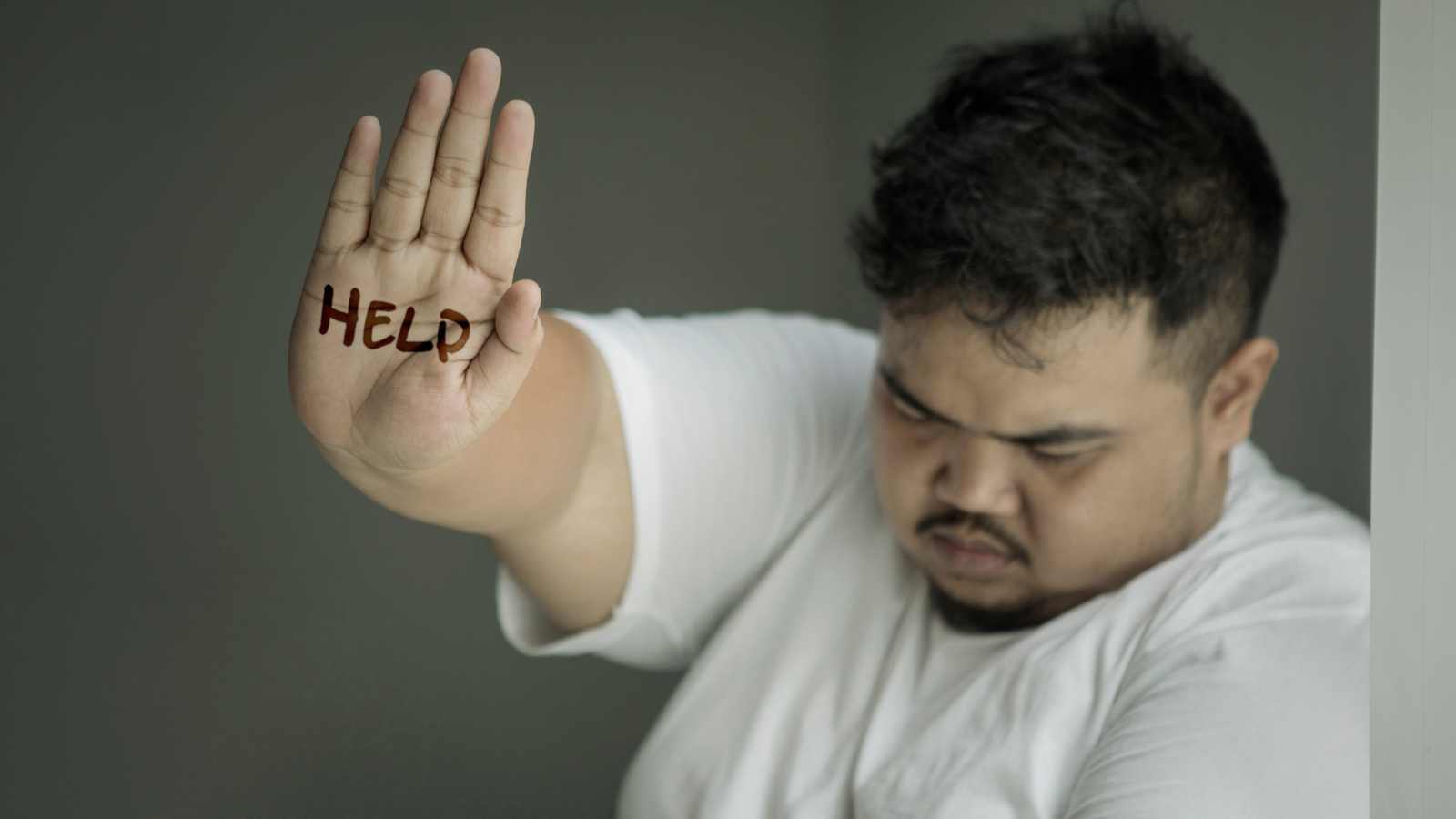
The male myth, according to which men should take care of everything by themselves, is a recipe for stress and loneliness. According to the report State of American Men 2023, it was observed that there was isolation and a lack of support among many men, which exacerbates anxiety and depression.
Promoting mental health by encouraging men to seek help, whether from friends, family, or professionals, is potentially a significant improvement. The machismo of doing everything on your own is time is up; it is time to make it a habit to seek help, as it is a sign of strength and not weakness.
Key takeaway

The notion that the real man does not cry, does not ask for assistance, does not care about his appearance, and is not vulnerable is outdated and dangerous. Current statistics indicate that the mental health of men improves once they avoid these restrictive myths. Men who practice self-care, express their emotions, and have a sense of collective responsibility tend to have healthier and more fulfilling relationships.
The time has come to redefine the rulebook and rejoice in all that men can be real, strong, and healthy in 2025 and beyond. By escaping these absurd limitations, people can live fuller, happier, and more authentic lives, making a positive impact on society and their relationships.
Disclaimer–This list is solely the author’s opinion based on research and publicly available information. It is not intended to be professional advice.
Don’t swipe until you read this: The 7 best credit cards for 2025 ranked by rewards

The 7 Best Credit Cards for 2025 Ranked by Rewards
There’s this moment that sticks with me—standing at a checkout line, swiping my old card like I always did, and thinking, “Wait… why am I not getting anything back for this?” I wasn’t traveling on points. I wasn’t getting cash back. I was spending. Sound familiar?
Look, the truth is, credit cards can work for you—if you choose the right one. And in 2025, you’ve got some advantageous options that can actually boost your bank account. From travel lovers to grocery haulers, there’s something for everyone.
Let’s break down the best credit cards out there this year—the ones that actually give back.
16 grocery staples to stock up on before prices spike again
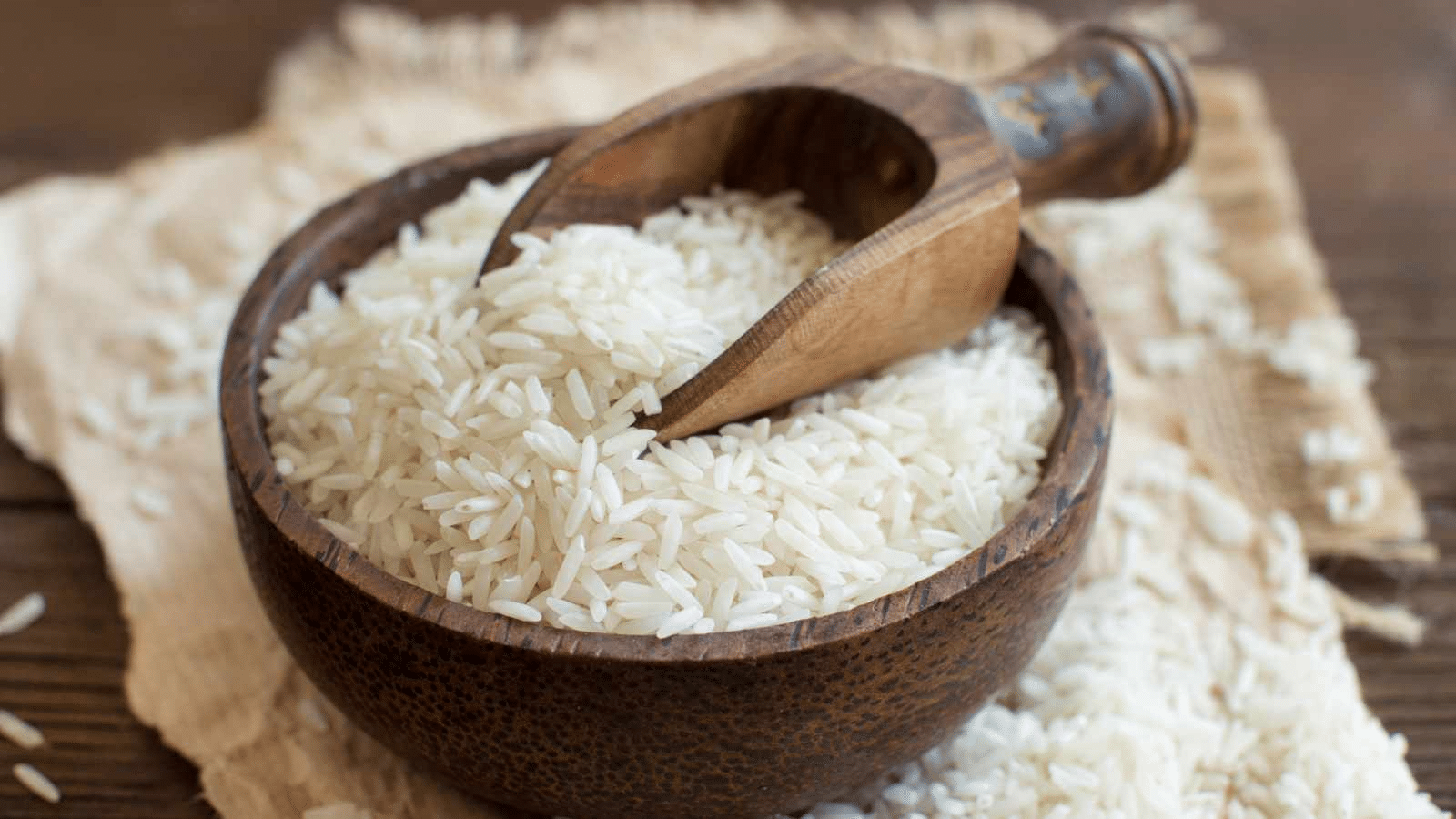
16 Grocery Staples to Stock Up On Before Prices Spike Again
I was in the grocery store the other day, and it hit me—I’m buying the same things I always do, but my bill keeps getting higher. Like, I swear I just blinked, and suddenly eggs are a luxury item. What’s going on?
Inflation, supply-chain delays, and erratic weather conditions have modestly (or, let’s face it, dramatically) pushed the prices of staples ever higher. The USDA reports that food prices climbed an additional 2.9% year over year in May 2025—and that’s after the inflation storm of 2022–2023.
So, if you’ve got room in a pantry, freezer, or even a couple of extra shelves, now might be a good moment to stock up on these staple groceries—before the prices rise later.





