

Have you ever felt like your parents would have no idea how to raise a kid in today’s world? You’re not wrong.
Sure, some things are timeless. Toddlers will always throw spaghetti, and teenagers will always think you’re clueless. But let’s be real—the actual rulebook for raising a human has been completely rewritten. We’re navigating a world our parents never dreamed of, armed with smartphones, social media, and a whole new set of anxieties.
It’s not just in your head. A survey by Pew Research Center found that Two-thirds of parents believed parenting is more challenging than it was over 20 years ago, and over half of them point the finger at technology as a key reason.
Parenting has been fundamentally reshaped by seismic shifts in discipline, the omnipresence of technology, and evolving family structures. Here are the 17 most significant ways the game has evolved.
We’ve Largely Said Goodbye to ‘Spare the Rod’

The phrase “wait ’til your father gets home” no longer carries the same weight—and for good reason. For centuries, physical punishment was the default setting for discipline, an idea rooted in colonial-era beliefs about breaking a child’s will. As recently as the late 1990s, a staggering 94% of caregivers reported using physical punishment.
But we’ve seen a massive cultural shift. A 2014 national survey found that the rate of spanking in the past year had dropped to 49% for kids ages 0-9 and just 23% for teens. This aligns with other studies showing a 26-40% decline in the use of spanking on kindergarten-aged children between 1988 and 2011.
It’s not totally gone, of course. A 2021 report found 45% of people still think a “good hard spanking” is sometimes necessary. But the science has become too loud to ignore.
As Georgetown professor Rebecca Ryan puts it, “There’s little evidence that spanking or other forms of physical discipline are effective at reducing unwanted child behaviors”. In fact, it’s linked to a whole host of adverse outcomes, from aggression to psychological problems. This change isn’t just about swapping one discipline tactic for another. It’s a direct result of our growing awareness of children’s mental health. As we’ve learned more about the psychological harm spanking can cause, the practice has fallen out of favor.
‘Gentle Parenting’ Is the New Buzzword

If you’ve spent any time on Instagram or TikTok, you’ve heard of gentle parenting. It’s the philosophy that has stepped in to fill the void left by “spare the rod.” But what is it, really? It’s not about letting your kids run wild.
In reality, gentle parenting is about empathy, respect, and setting firm boundaries calmly and gently. It’s about modeling the behavior you want to see, validating your child’s feelings (“I know you’re mad we have to leave the park”), and—get this—apologizing when you mess up. A study in the Journal of Counseling and Development found that when parents can empathize and apologize, it builds a stronger, more secure emotional bond with their child.
Of course, it’s not without its critics. Some experts argue that it’s a social media-driven trend with “weak” scientific backing, which can sometimes reward bad behavior with attention.
But its popularity speaks volumes about a generation of parents actively searching for a new, non-physical playbook.
We’re Talking About Kids’ Mental Health More Than Ever
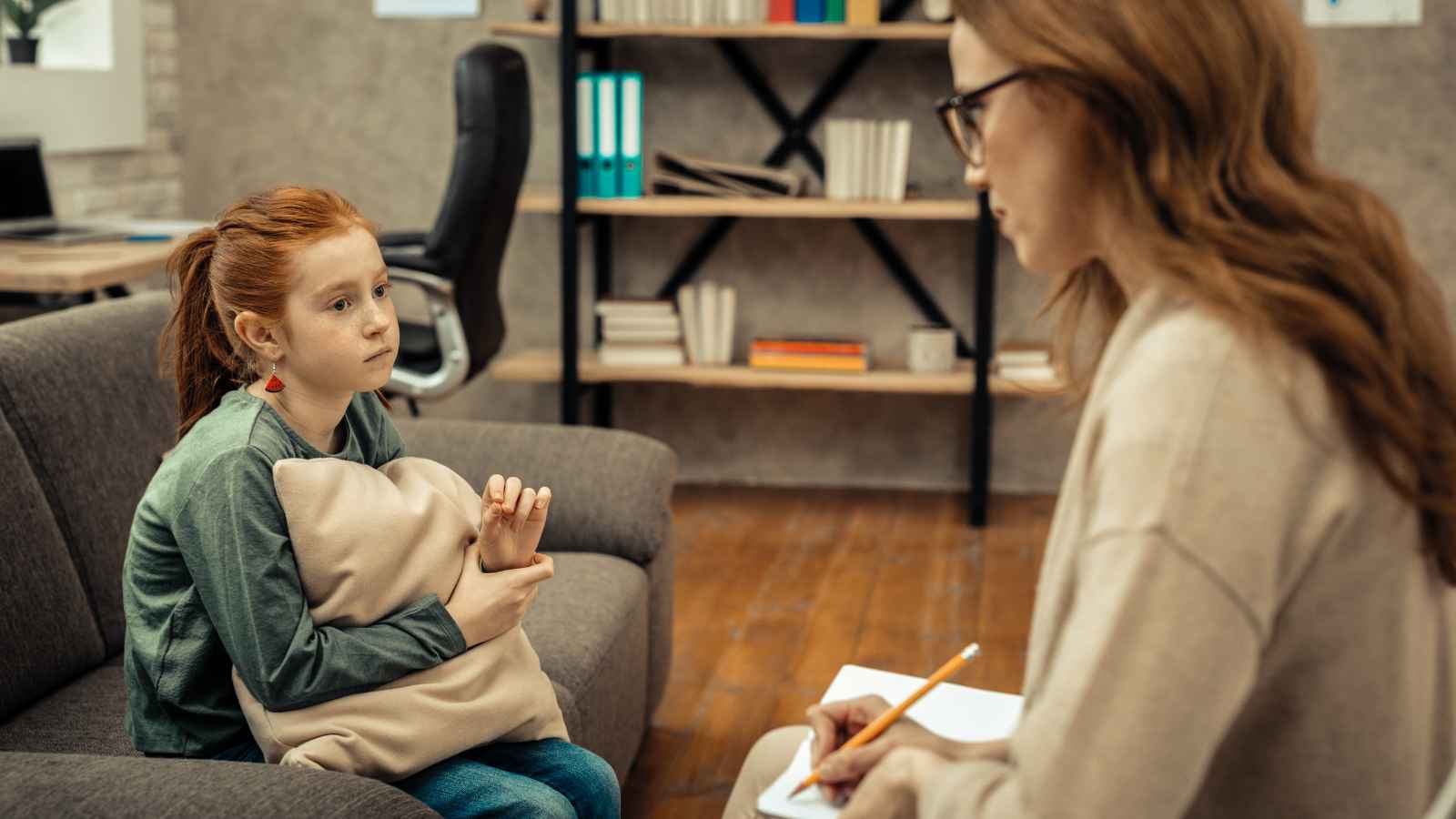
Parenting today means being acutely aware of your child’s mental and emotional state in a way previous generations simply weren’t. The numbers show why this has become a central focus.
According to the World Health Organization (WHO), globally, one in seven young people between 10 and 19 experiences a mental disorder. In the U.S., the situation is even more urgent. The prevalence of cognitive, behavioral, and developmental disorders among kids (ages 3-17) climbed from 25.3% to 27.7% in just five years, from 2016 to 2021.
Tragically, suicide is now the third leading cause of death for people ages 15-29. This isn’t just a health crisis; it’s a parenting crisis. It’s the “why” behind so many other changes on this list. The focus on mental wellness has prompted parents to reassess their approach to everything, from discipline to screen time management.
Kids Are Spending Half Their Waking Hours on Screens
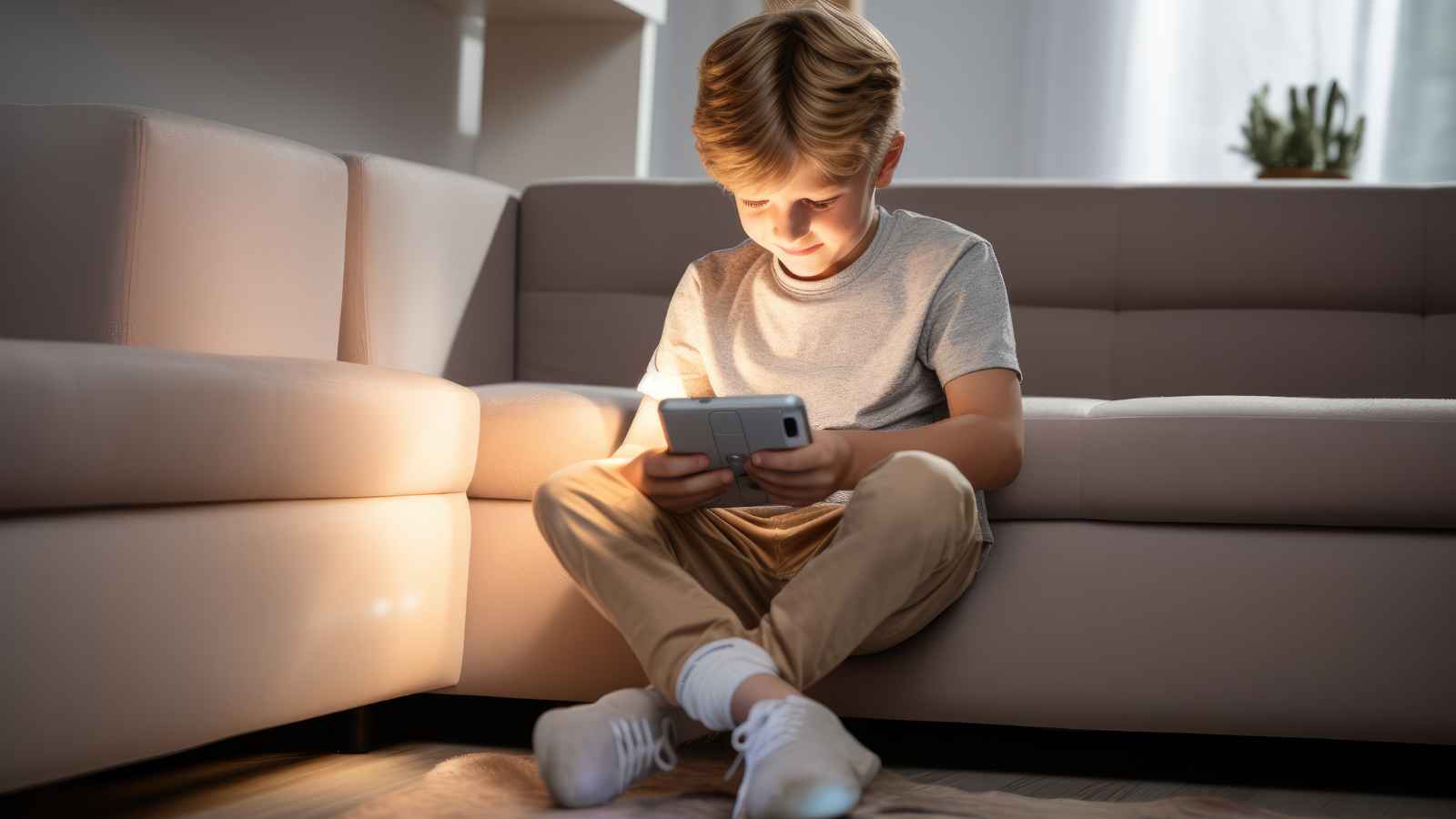
If it feels like your kid is constantly glued to a screen, you’re not imagining it. The data is pretty mind-blowing.
The CDC reports that the average 8- to 10-year-old spends six hours a day on screens for entertainment. For 11- to 14-year-olds, it’s nine hours. For 15- to 18-year-olds, the recommended time is seven and a half hours. And no, that doesn’t include homework. This trend is accelerating. It starts shockingly early, too, with kids under two averaging over an hour a day.
The old advice to just “limit screen time” feels laughably outdated. Recognizing this, the American Academy of Pediatrics (AAP) has shifted its guidance away from rigid time limits toward a more nuanced approach focused on balance, communication, and co-viewing with parents.
This has created a brand-new, and frankly exhausting, role for parents: the Digital Curator, responsible for managing a complex online world that didn’t exist a generation ago.
Our Own Phones Are Making Us Distracted Parents
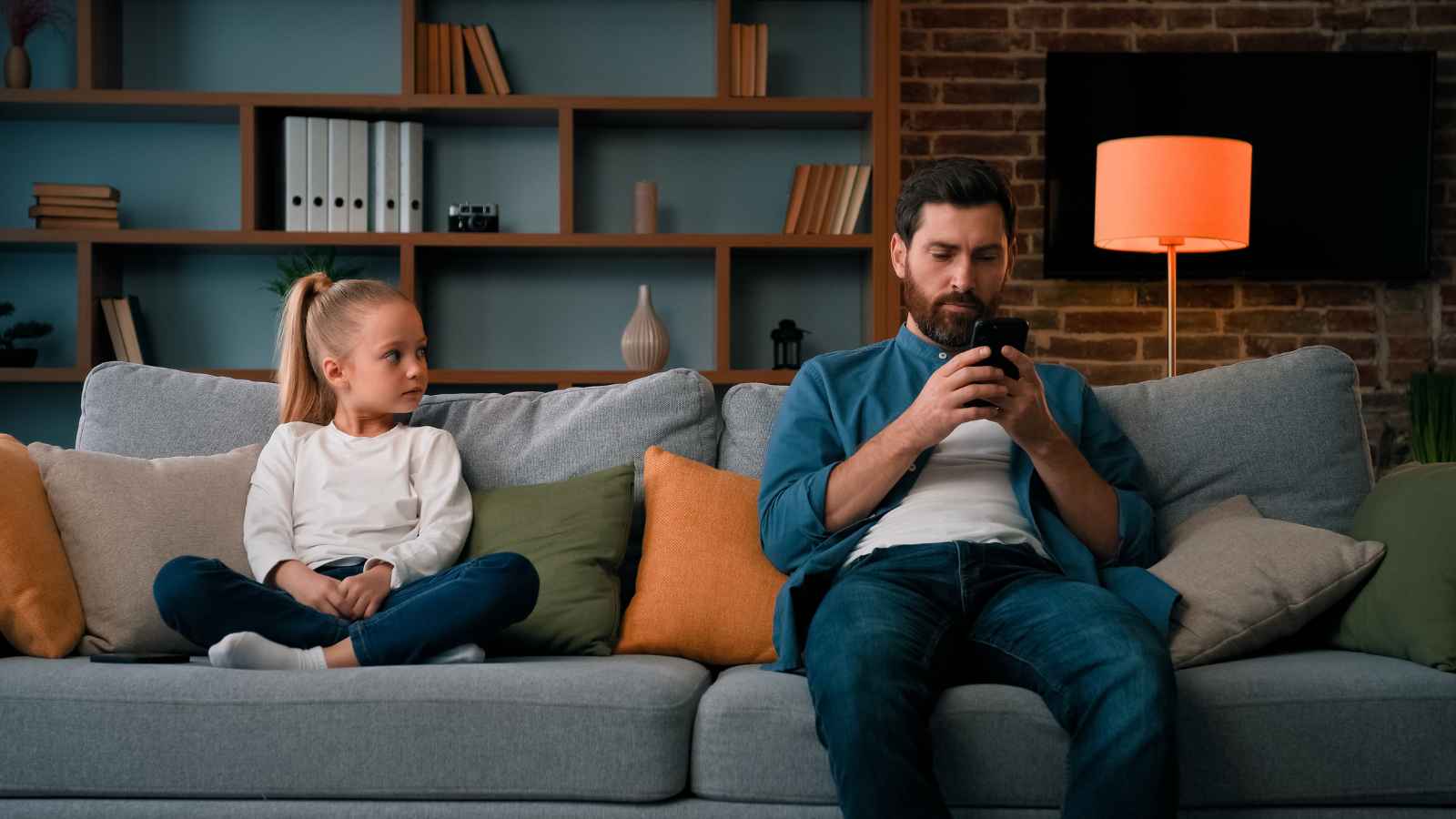
Let’s be honest: it’s not just the kids. Pew Research Center shows that more than half of us (56%) feel we spend too much time on our own smartphones. The result? A whopping 68% of parents admit they’re at least sometimes distracted by their phone while with their kids.
This has created what experts refer to as the “together but separate” phenomenon. We might be in the same room, but we’re mentally miles apart, lost in our own digital worlds.
This creates a strange paradox. Many of us are trying to be more emotionally attuned than our own parents were, embracing ideas like gentle parenting. Yet, our constant digital distraction can make us less emotionally available, creating a new kind of disconnect and a significant source of modern parental guilt.
The Rise of the ‘Sharent’: Our Kids’ Lives Are Online
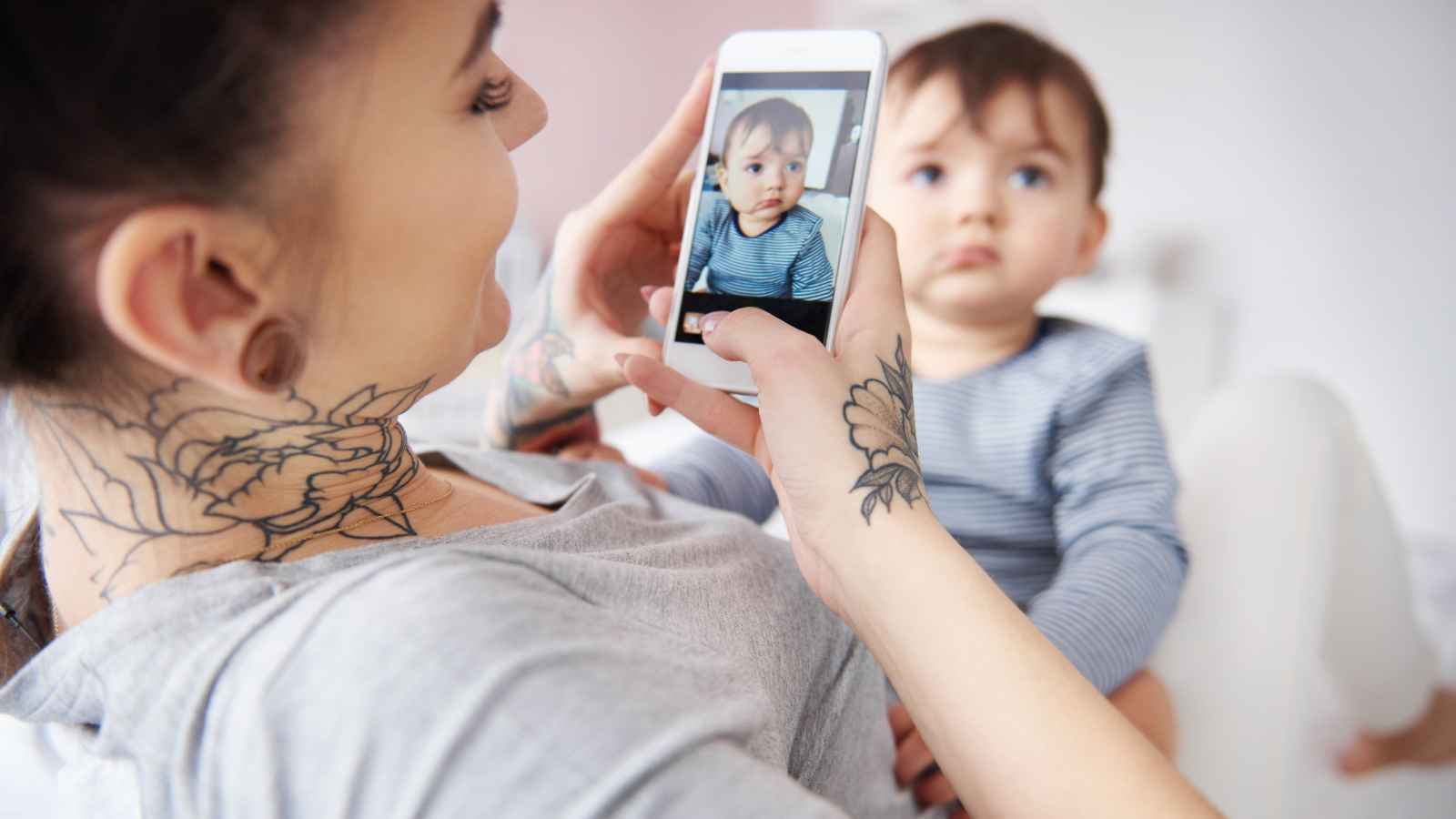
If you’re a parent on social media, you’re probably a “sharent.” The term, a mashup of “sharing” and “parenting,” is now the norm. Over 75% of parents post stories, photos, or videos of their kids online.
And we post a lot. The average parent will share 1,500 pictures of their child before they even turn 5. By the time they’re 13, a child has, on average, over 1,300 photos of themselves online—most posted without their input.
This raises huge privacy and consent issues. Child psychologist Margaret Canter warns, “If a post embarrasses or upsets a child, even inadvertently, then trust may be lost”. Beyond embarrassment, criminologists point to real dangers like digital kidnapping and identity theft.
We are the first generation of parents creating a permanent, public digital footprint for our children from birth, and we’re only just beginning to grapple with the long-term consequences.
Dads Are Doing Way More of the Hands-On Work

The image of the distant, breadwinner dad who shows up just in time to read the paper is officially a relic. Today’s fathers are more involved than ever.
This isn’t just about “helping out.” According to BYU sociology professor Kevin Shafer, “Most dads see themselves as playing an equally important role in helping their children as mothers do”.
This shift is a win-win. Having an involved father is associated with a range of positive outcomes for children, including fewer behavioral problems and improved emotional development.
This reflects a fundamental redefinition of fatherhood, driven by both economic realities and evolving notions of what it means to be a man and a parent.
The ‘Traditional’ Family Is No Longer the Norm
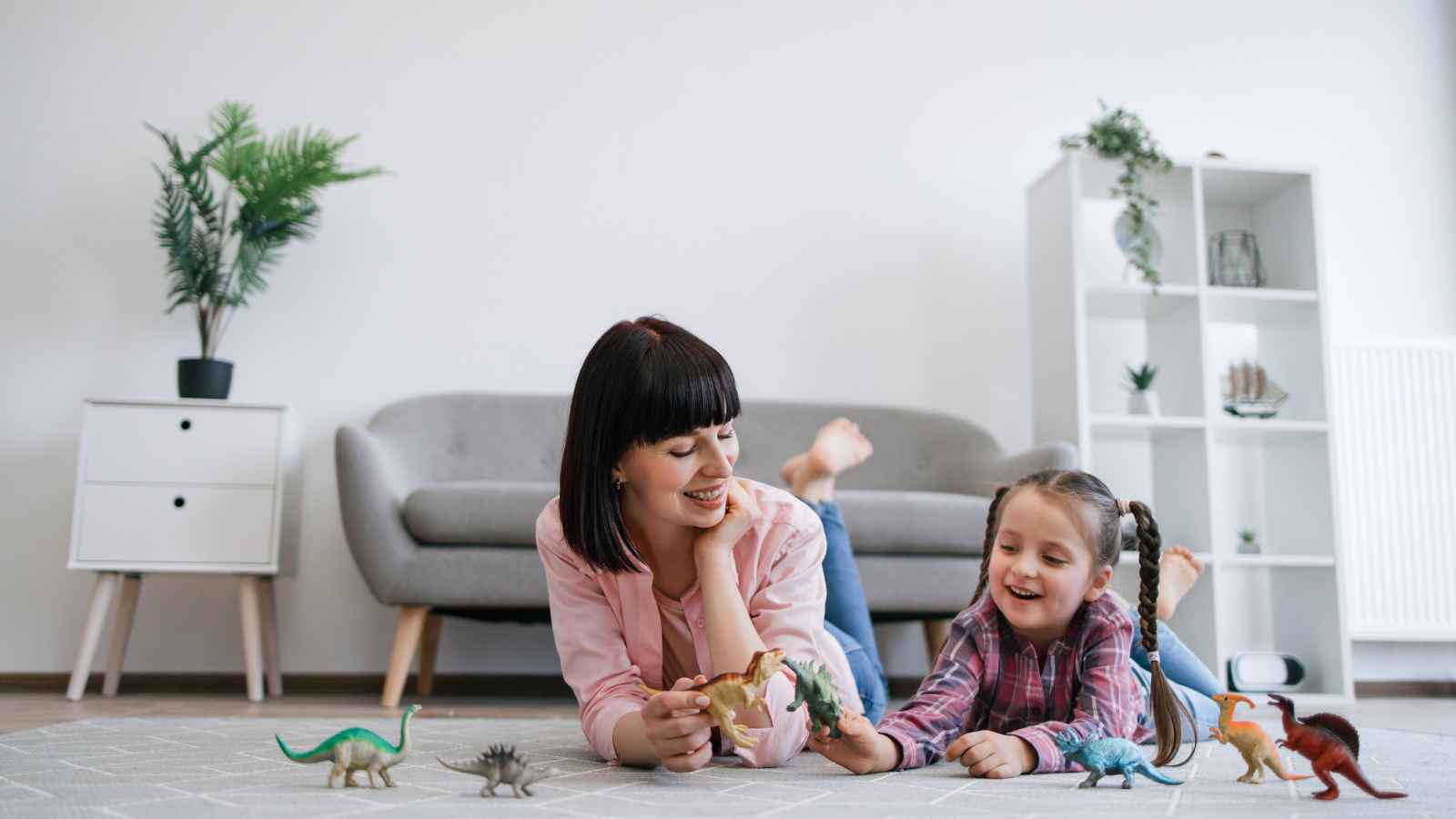
The classic “nuclear family” with two married parents and a couple of kids is no longer the only, or even the most common, way to raise a family.
Data show that, back in 1960, 88% of children in the U.S. lived in a two-parent household. By 2016, that figure had dropped to 69%. At the same time, the share of children living with a single parent has more than tripled, from just 9% in the 1960s to around 30% today.
In fact, the U.S. now has the world’s highest rate of children living in single-parent households. While single-mother homes are still more common, the number of single-father households has increased in the last decade.
This demographic earthquake has forced a major shift in our thinking. We’ve moved away from viewing single-parent families as “broken” and toward understanding their unique strengths, such as fostering incredible responsibility and maturity in children.
Success in parenting is no longer defined by a specific family structure but by the quality of the relationships within it.
Most Families Now Rely on Two Incomes
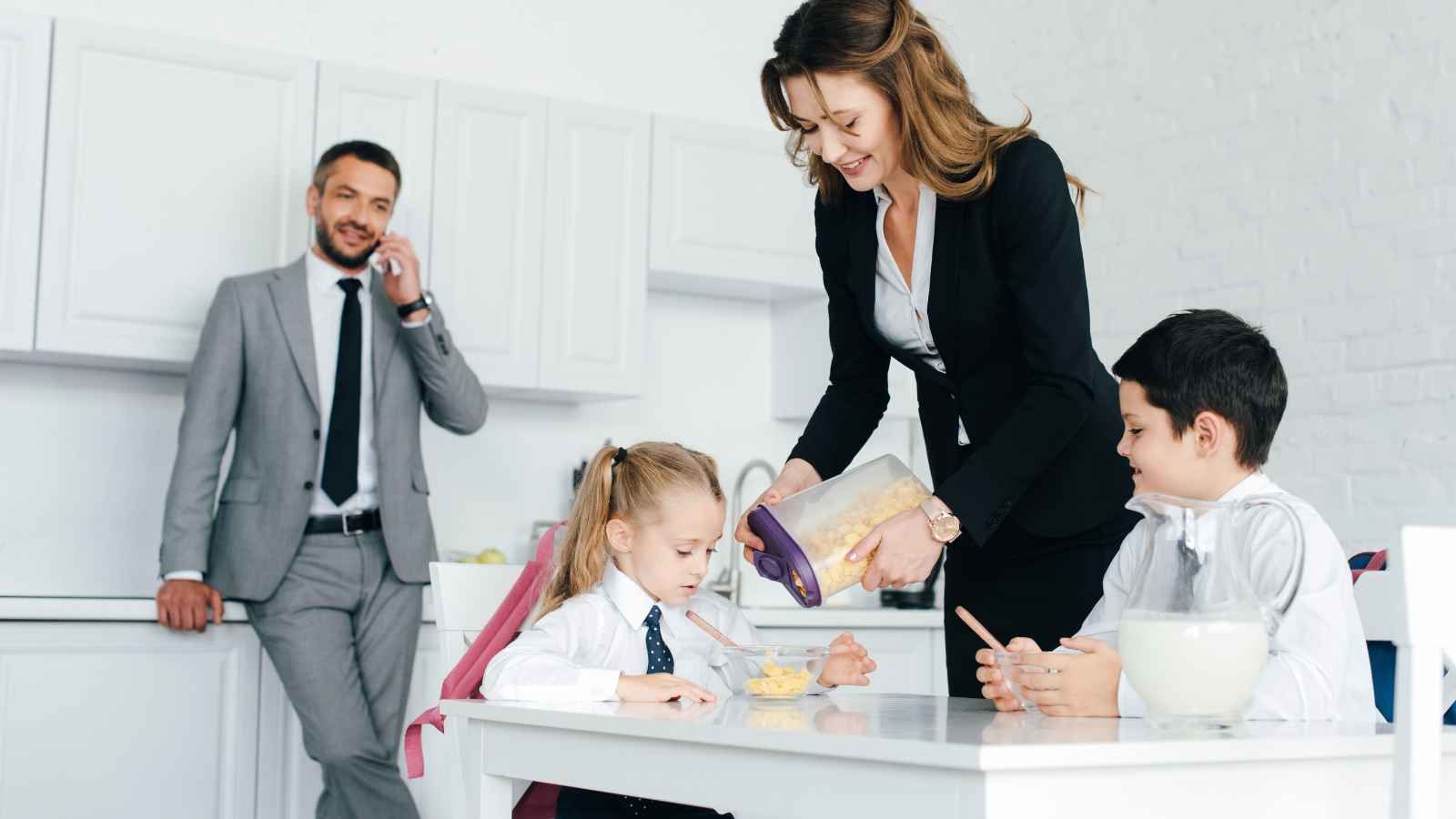
For the majority of American families, the stay-at-home mom is a thing of the past—not by choice, but by economic necessity.
The tipping point happened decades ago. In 1968, the number of dual-income families and single-income “traditional” families was about equal. Just ten years later, in 1978, dual-income couples already represented 51% of families.
This wasn’t just about changing social norms; it was about paying the bills. This shift has had a massive domino effect on every other aspect of parenting.
It created the demand for widespread preschool and daycare. It forced a redistribution of labor at home, paving the way for the modern, involved dad. And it created the time crunch that has led to over-scheduled kids and intense work-family conflict.
The shift to a two-income standard is arguably the single most significant economic change to impact how we raise our children.
We’re Having Fewer Kids, and Later in Life

Today’s parents are waiting longer to have kids and are having fewer of them. This simple demographic fact has profoundly changed the experience of parenting.
First, we’re waiting. The average age of a first-time mother in the U.S. has climbed from 21.4 in 1970 to 27.5 in 2023.
Second, we’re having smaller families. In the 1970s, the average mom had over three children. Today, the average is about two. The two-child norm has replaced the once-common four-child family.
When you have fewer children later in life, often after establishing a career, each child becomes a much larger emotional and financial investment. This dynamic has given rise to what some call “intensive parenting”—a high-stakes, high-investment approach that fuels everything from the organic food craze to the pressure for kids to succeed.
Packed Schedules have replaced Free Play
Save this article
Remember just being told to “go outside and play” until the streetlights came on? For most kids today, that’s a fantasy. Unstructured free play has been in sharp decline for decades.
So what are they doing instead? They’re in organized activities. This isn’t just about kids being busier. It’s a perfect storm of other trends. Dual-income parents need supervised after-school care. Parental fears about safety make “free-range” play feel risky. And the “intensive parenting” mindset favors structured, “resume-building” activities over what can feel like unproductive playtime.
The problem, as experts like Professor Peter Gray warn, is that this decline in free play is directly linked to a rise in anxiety and depression in young people.
We’ve Become Helicopter and Snowplow Parents
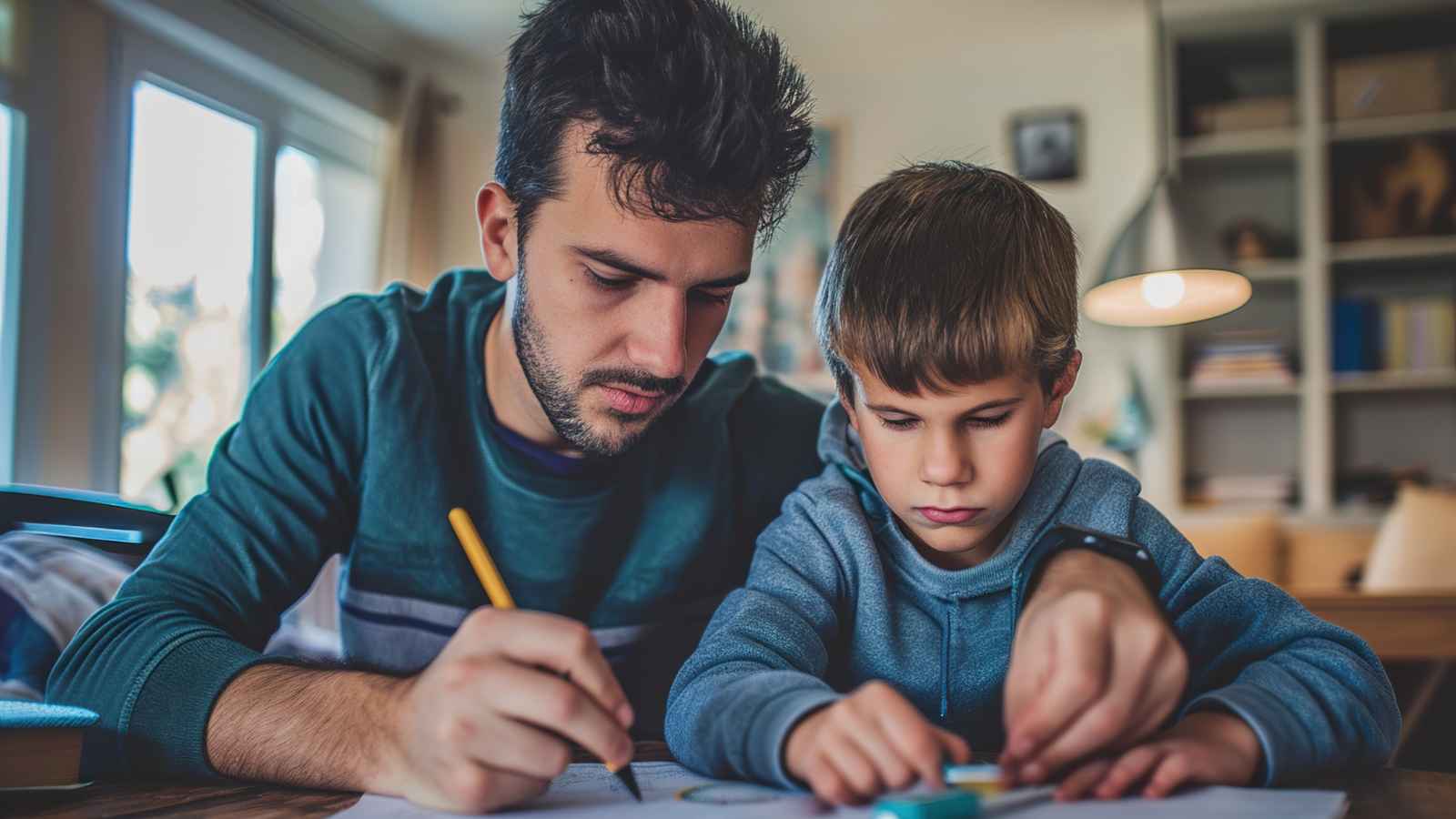
You’ve likely heard the terms, and perhaps you’ve even worried that you’re one of them. These over-involved parenting styles have become a hallmark of our generation.
A “helicopter parent” hovers constantly, micromanaging their child’s life, often out of anxiety. But the “snowplow parent” takes it a step further. As pediatric psychologist Dr. Vanessa Jensen explains, “snowplow parents work to keep their child from having any frustrations or failures, even if that means doing things for their child”. They clear every obstacle from their child’s path.
The intentions are good—who wants to see their kid struggle? But the consequences can be severe. Kids raised this way often have low self-confidence, poor coping skills, and higher levels of anxiety and depression. They never learn the resilience that comes from falling and getting back up on their own.
These parenting styles are a direct symptom of modern parental anxiety: the helicopter is driven by fear for a child’s safety, and the snowplow is driven by fear of a child’s failure in a hyper-competitive world.
Organic and Specialized Diets Are Now Mainstream

Walk down the baby food aisle, and you’ll see a massive change from a generation ago. It’s a sea of green labels promising “organic,” “non-GMO,” and “all-natural” ingredients.
This isn’t a niche market anymore; it’s a behemoth. The global organic baby food market was worth over $7 billion in 2023 and is projected to more than double to nearly $18 billion by 2032.
What’s driving it? Parental anxiety about health, pesticides, and additives. But what do the experts say? Nutritionally, there really is no significant difference between organic food and other foods”. The American Academy of Pediatrics agrees, noting that while organic foods are not necessarily more nutritious, they do expose kids to fewer pesticides.
In a world full of invisible threats, buying organic has become a tangible way for parents to feel like they’re making the safest possible choice and exerting some control over their family’s health.
We’re More Focused on Safety Than Ever Before

From car seats that resemble those of a spaceship to baby-proofing every corner of the house, we are obsessed with ensuring our children’s physical safety.
Think about the car seat. In the 1950s, it was basically a glorified booster to help the kid see out the window. It wasn’t until 1985 that all states even had laws requiring their use. Today, we have the LATCH system, 5-point harnesses, and rigorous crash testing.
And it has worked. The results are undeniable. The death rate from all injuries for kids ages 1-4 has been lowered since 1980.
This leads to the great paradox of modern parenting. We have successfully created the safest generation of children in human history, yet parental anxiety about safety is at an all-time high. This disconnect between the reality of safety and the perception of danger fuels many of the other trends on this list, from over-scheduled kids to hovering parents.
Preschool Is the New Kindergarten
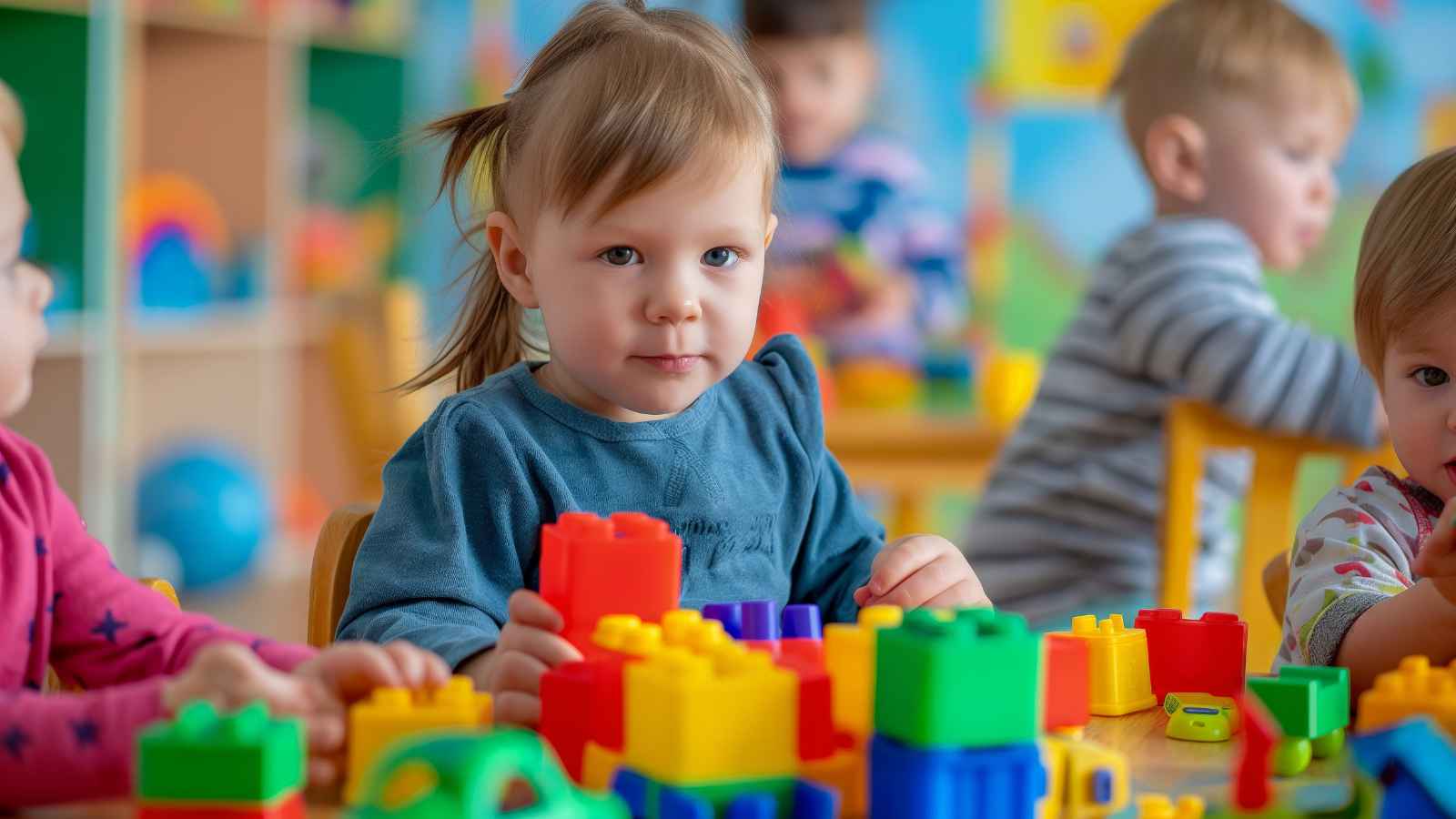
For many families today, education doesn’t start at age five—it begins at age three. Preschool has gone from a nice-to-have for the affluent to a standard part of childhood.
The numbers back it up. Between 2021 and 2022 alone, the enrollment rate for 3- and 4-year-olds jumped from 40% to 47%. This is part of a long-term trend, with public preschool enrollment expanding by over 18% between 2005 and 2019.
This shift serves two very modern needs. First, for dual-income families, which are now the norm, it provides essential, structured childcare. Second, in our “intensive parenting” culture, it satisfies the pressure to give kids an academic head start.
The rise of universal preschool is the ideal solution for modern families, meeting both a practical need for childcare and an ideological desire for early academic enrichment.
The Vaccine Conversation Has Gotten Way More Complicated

Getting your kids their shots used to be a routine part of parenting. Today, it can feel like navigating a minefield of conflicting information and intense emotions.
Believe it or not, anti-vaccine sentiment isn’t new. It dates back to the 1700s, with early arguments centered on religious freedom and personal liberty. The first Anti-Vaccination Society of America was founded way back in 1879.
However, today’s movement, supercharged by the internet, is having a tangible impact in the real world. In the 2024-25 school year, MMR vaccination coverage for kindergartners fell to 92.5%—below the 95% threshold needed for herd immunity. Non-medical exemptions for vaccines have hit an all-time high.
The consequence? We’re seeing a resurgence of diseases we thought we’d conquered. The U.S. has recently seen its highest number of measles cases since the disease was declared eliminated back in 2000.
The modern vaccine debate is a flashpoint for a larger cultural battle over trust in institutions and the power of online information, turning a public health issue into a profoundly personal parenting choice.
Dr. Google Is Our New Parenting Guru
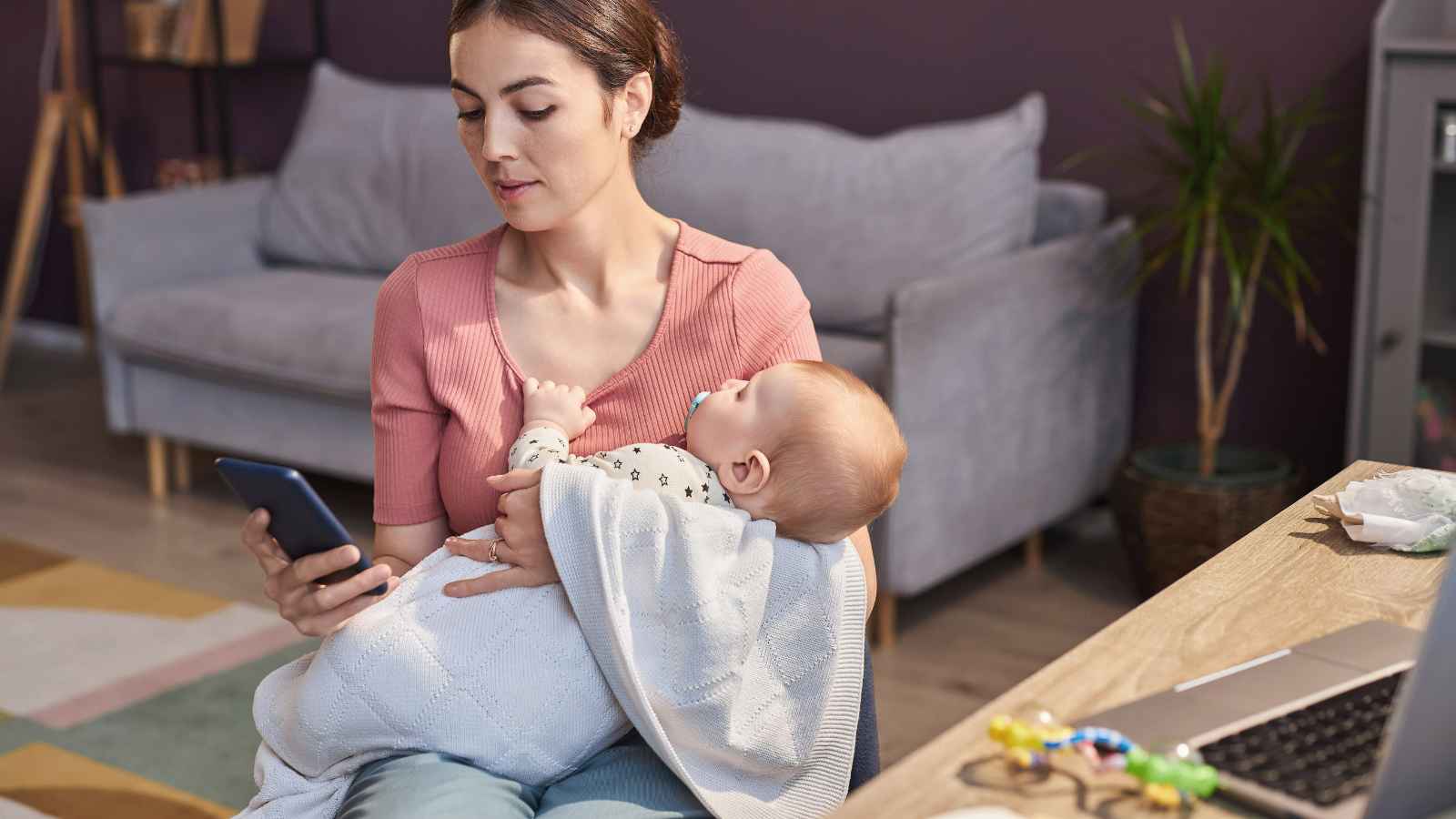
When your baby has a weird rash at 2 a.m., who do you turn to? If you’re like most modern parents, your first consultation is with Dr. Google.
An incredible four out of five parents of young children now use social media to discuss parenting issues.
The appeal is obvious: it’s fast, it’s convenient, and you can get a dozen different opinions in minutes. But there’s a significant catch. Forty percent of parents say they find it hard to tell good advice from bad online, and nearly half have seen other parents share information that is flat-out false.
A generation ago, parents turned to a handful of trusted sources, such as Dr. Spock. Today, authority has been shattered into a million pieces online, leaving parents with more information but often more confusion and anxiety than ever before.
Key Takeaway

Parenting has undergone a dramatic transformation, moving away from traditional norms and into uncharted territory. Here’s the bottom line:
- Discipline has shifted: We’ve traded physical punishment for an approach centered on empathy and protecting our kids’ mental health.
- Technology is everything: Modern parenting is a constant battle to manage our kids’ screen time and our own, all while their entire childhood is documented online.
- The family has changed: The “traditional” family is no longer the default. Dads are more hands-on, most moms work, and families are smaller and starting later.
- Parenting is more intensive: From hyper-scheduling and safety obsession to organic food and over-involved parenting styles, raising kids has become a high-anxiety, high-investment endeavor.
Disclaimer – This list is solely the author’s opinion based on research and publicly available information. It is not intended to be professional advice.
Like our content? Be sure to follow us.
How Total Beginners Are Building Wealth Fast in 2025—No Experience Needed

How Total Beginners Are Building Wealth Fast in 2025
I used to think investing was something you did after you were already rich. Like, you needed $10,000 in a suit pocket and a guy named Chad at some fancy firm who knew how to “diversify your portfolio.” Meanwhile, I was trying to figure out how to stretch $43 to payday.
But a lot has changed. And fast. In 2025, building wealth doesn’t require a finance degree—or even a lot of money. The tools are simpler. The entry points are lower. And believe it or not, total beginners are stacking wins just by starting small and staying consistent.
Click here, and let’s break down how.
5 Easy Steps to Change Any Habit
5 Easy Steps to Change Any Habit
We all click on them with the hope that just THIS time, the secret to changing a bad habit or adopting a healthy one will be revealed. We’ll finally be able to stick to that diet, stop those one or ten things that might in the moment make us feel temporarily good but really make us fat, unhealthy, sad, mad, or just frustrated with ourselves.





