I remember being eight years old and lying awake at night, convinced that the creaky floorboard outside my bedroom meant someone was breaking in. My parents had no idea I was terrified every single night. Fast forward thirty years, and I’m watching my own daughter do homework with the same anxious intensity I once had—erasing and rewriting the same sentence five times until it was “perfect.”
That’s when it hit me. Kids worry about way more stuff than we think they do. In 2025, youth anxiety and sadness are surging, with 11% of children ages 3–17 diagnosed with anxiety, and 18% of teens experiencing major depression. 40% of high school students even report persistent feelings of hopelessness.
“Today’s kids aren’t just wrestling with homework,” notes Dr. Jennifer Havens, child psychiatrist, “they’re bombarded by social pressures, news cycles, and shifting family dynamics in ways previous generations simply didn’t face.”
Time and again, parents will say, “But he seems so happy!” or “She’s always been such a good kid.” You might notice when your child seems upset about a bad grade or a friendship drama. But what about the stuff they never talk about?
Kids are masters at hiding their worries. They’ll smile and say “I’m fine,” often because they don’t want to be a burden. So, let’s talk about what’s really going on inside their heads.
Academic pressure hits harder than you think
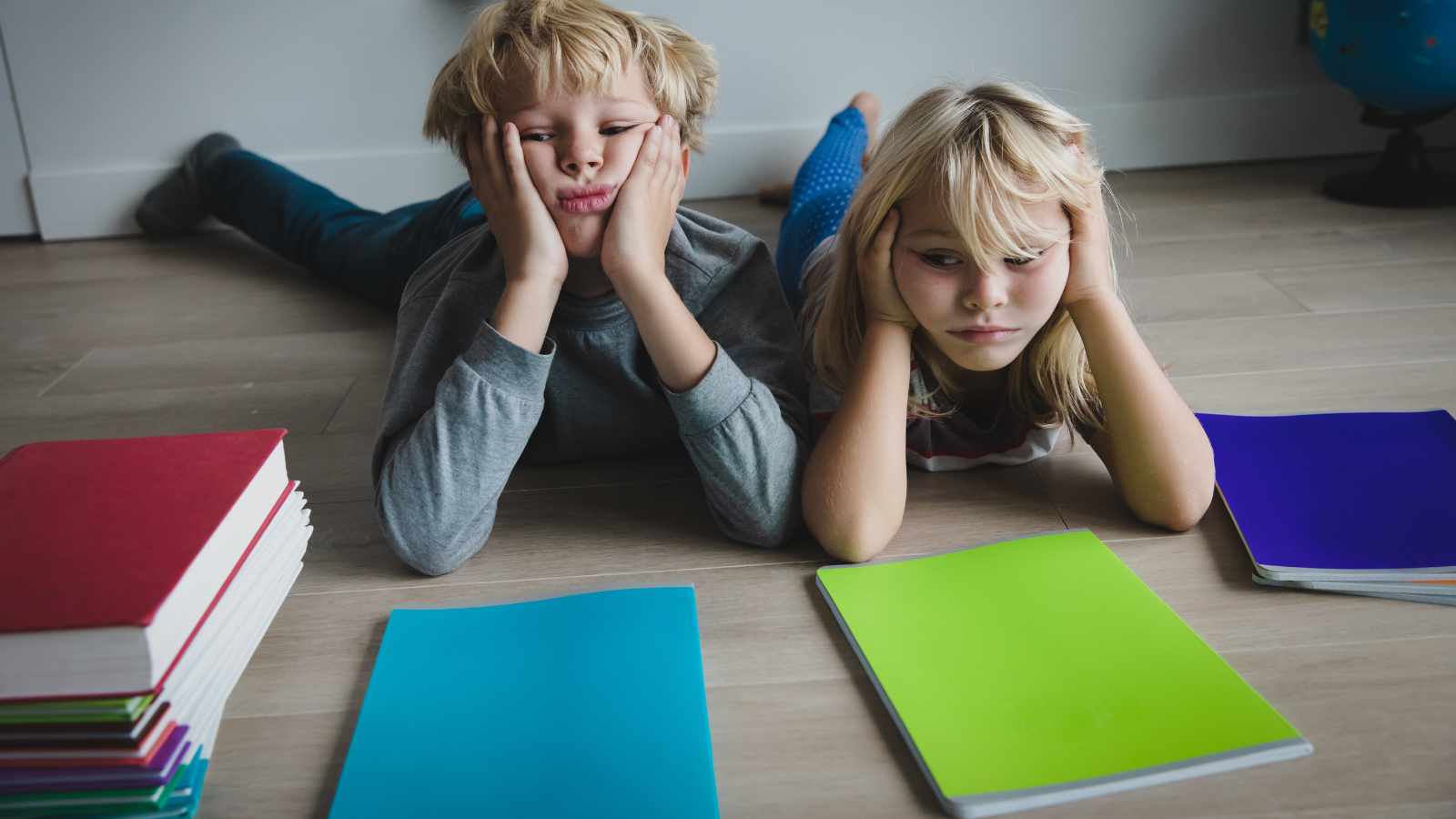
I used to fret about taking Maths tests every single time when I was in school (like heart palpitations and a stream of sweat trickling down my back, hands shaking). Recent studies from SaveMyExams’ 2024 exam anxiety survey found that 85% of students experience exam anxiety, and 15% of GCSE students are considered ‘highly test anxious.’This kind of stress doesn’t always look like frantic studying.
Your straight-A student might be having stomach aches every morning. Your “good kid” who never complains might be spending hours on homework that should take 30 minutes.
Aviva discovered that some parents have reported seeing changes in their children’s behavior, including higher stress and anxiety levels (21%), mood swings (17%), irritability (15%), and sleep problems (14%). However, only 10% of parents say they haven’t noticed any changes.
They’re not just worried about grades. They’re terrified of letting you down. High-achieving kids often feel their worth is tied to their performance. One bad test feels like the end of the world. They think: “If I’m not the smart kid, who am I?”
Social stuff is way more complex now

Friendship drama is a tale as old as time, but it’s a huge source of anxiety for kids. Falling out with friends, feeling left out, or dealing with bullying can feel like the end of the world. I’ve seen kids who spend their entire school day just trying to figure out who they can sit with at lunch. It’s exhausting.
Around 1 in 5 parents (19%) say their child has no friends or not enough friends, and nearly half of therapists say general stress unrelated to school is increasing, and most of it comes from social dynamics. Kids as young as six are already thinking about whether they’re “cool enough.”
On the one hand, social media helps teens feel connected – 74% say it has a positive impact, Pew Research Center reports. On the other hand, 39% feel overwhelmed by online drama, and 31% feel left out by friends on these platforms.
Fear of disappointing others is huge

This one breaks my heart. So many kids are walking around terrified that they’ll let someone down—parents, teachers, coaches, even friends. Recent surveys from Freedom 4/24 found that 53% of 12- to 17-year-olds are “very” or “extremely” concerned about disappointing their parents, while only 3% feel unconcerned.
These kids:
- Apologize constantly for tiny mistakes
- Panic when they get corrected
- Hide their struggles instead of asking for help
- Take on way too much to prove they’re “good”
They’d rather suffer in silence than admit they’re struggling. Sound familiar? 🙂
Money worries affect kids more than we realize

Kids are like little sponges; they absorb everything, including financial stress. Even if you think you’re hiding financial stress, kids pick up on it. They hear hushed conversations about bills. They notice when family outings get canceled or when you seem stressed after opening mail.
Kids start wondering:
- Will we have to move?
- Are my parents getting divorced because of money?
- Is it my fault we can’t afford things?
- Will I still be able to play sports or take lessons?
Nearly half (47%) of children from low-income households report worrying about family finances, with anxiety manifesting through behavioral issues, sleep disruptions, and withdrawal at home and at school.
Jo Holmes, Young People and Families Lead, says, “…We’ve heard from our school counsellor members that some children are coming to school hungry and worried about their parent’s financial situations, as their basic needs are not being met.”
Health fears are everywhere now
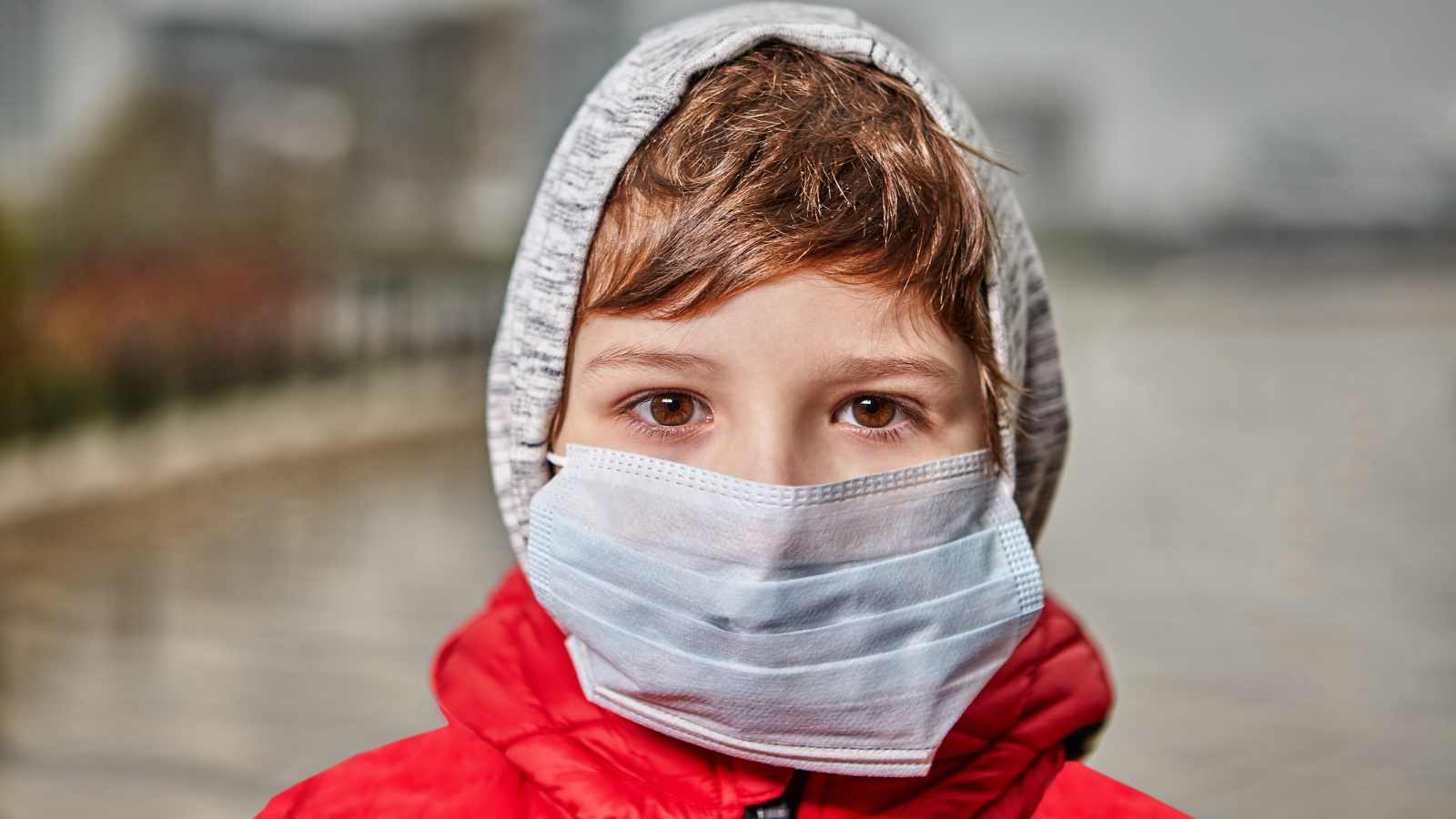
The past few years have made everyone a bit of a germaphobe, and kids are no exception. Many children now harbor intense fears about getting sick or, even worse, their loved ones. Nearly 17% of mothers reported significant anxiety when their child is sick, and research finds that parental anxiety is behaviorally and emotionally transmitted to children through “emotional contagion.”
Children worry about:
- Getting seriously sick themselves
- Parents or grandparents dying
- What happens if they need to go to the hospital
- Whether symptoms mean something scary
Young children commonly experience clinginess, sleep disturbances, and requests to sleep with parents or avoidance of social situations, all linked to fears of illness, death, or losing loved ones. Overexposure to frightening news on TV and social media worsens these anxieties.
Even minor illnesses can trigger major anxiety now. A headache becomes “What if it’s something serious?”
Family conflict hits different for kids

As much as we try to protect them, children are deeply affected by conflict at home. Family dynamics, from arguments to separation, deeply trouble children. Even when parents try to shield them, kids know when something’s wrong.
They might:
- Blame themselves for parents fighting
- Worry about divorce even in stable families
- Feel responsible for keeping everyone happy
- Wonder if they’ll have to choose sides
Kids often think they caused the problem or that they should be able to fix it. That’s a heavy burden for little shoulders. These worries may manifest as clinginess, fear of losing contact, or disruptions in peer relationships and academic performance.
Studies also show that children exposed to ongoing parental arguments or used as communication messengers between parents may be at higher risk for anxiety and loyalty conflicts.
Social media pressure starts young

Cyberbullying, FOMO, and unrealistic standards all contribute to anxiety. Kids compare their real lives to everyone else’s highlight reel.
Even elementary school kids worry about:
Save this article
- Not getting enough likes on posts
- Comparing their appearance to filtered photos
IMO, social media anxiety is one of the biggest challenges facing kids today. About 11% of adolescents now show signs of problematic social media behavior, struggling to control usage and experiencing withdrawal or distress when disconnected. Girls are particularly affected, with 13% reporting problematic social media use versus 9% of boys, and nearly half of all 15-year-old girls maintaining constant online contact with peers.
Cyberbullying impacts nearly one in six school-aged children, with victims reporting heightened depression, sleep disturbances, and self-harm rates more severe than those seen in traditional bullying.
Identity worries are more common than ever
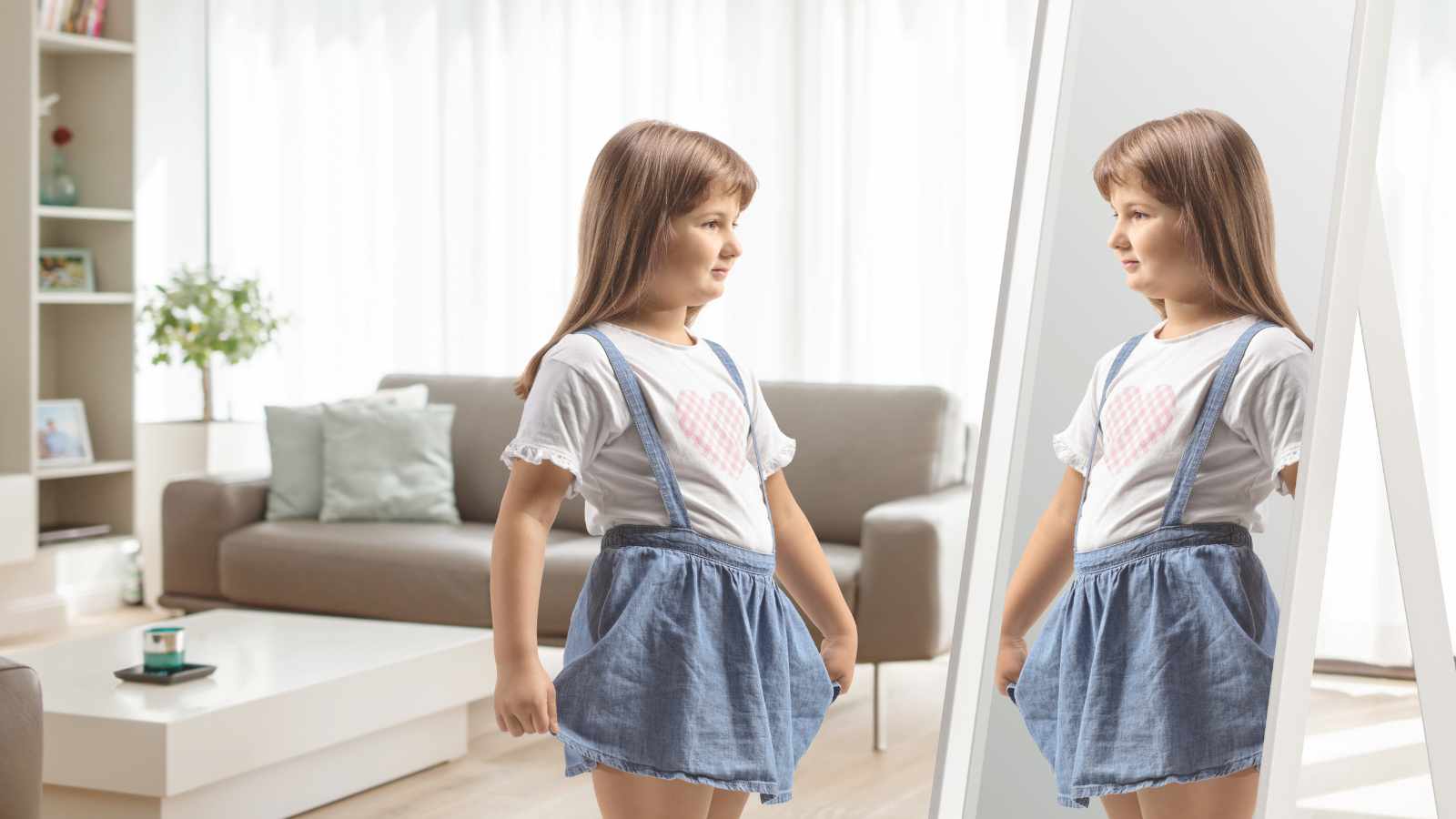
Figuring out who you are is tough, and for kids today, it’s more complex than ever. Worries about identity—be it their ethnicity, gender, or neurodiversity—are becoming more common. They wonder, “Will I be accepted for who I really am?”
For example, neurodiverse children report high rates of emotional-based school non-attendance—over 90% in one sample—driven by anxiety about fitting into unpredictable, overstimulating environments.
They might worry about:
- Being different from their classmates
- Whether their family’s culture is “weird”
- If their learning differences make them “stupid”
- Whether they’ll find friends who accept them
This fear of not finding a place to belong can lead to lasting emotional distress. School is their whole world, and the thought of being an outsider in that world is a heavy burden.
Big scary world stuff feels overwhelming

They hear about climate change, see news about violence, and absorb the collective anxiety around them. These fears can be abstract and overwhelming. Kids see scary headlines and think:
- Is the world ending?
- Will there be wars where we live?
- Are natural disasters going to hurt us?
- Is it safe to go to school?
Unlike a fear of spiders (this crawly gives me the crawlies 😨), you can’t just tell them that climate change isn’t real. A major multi-country study reported that nearly half of children and teens feel climate change is a source of chronic stress, with 68% saying they feel at least some eco-anxiety. For some children, these global issues create a sense of sadness, fear, anger, and hopelessness that is hard for parents to spot.
Being a burden weighs heavy
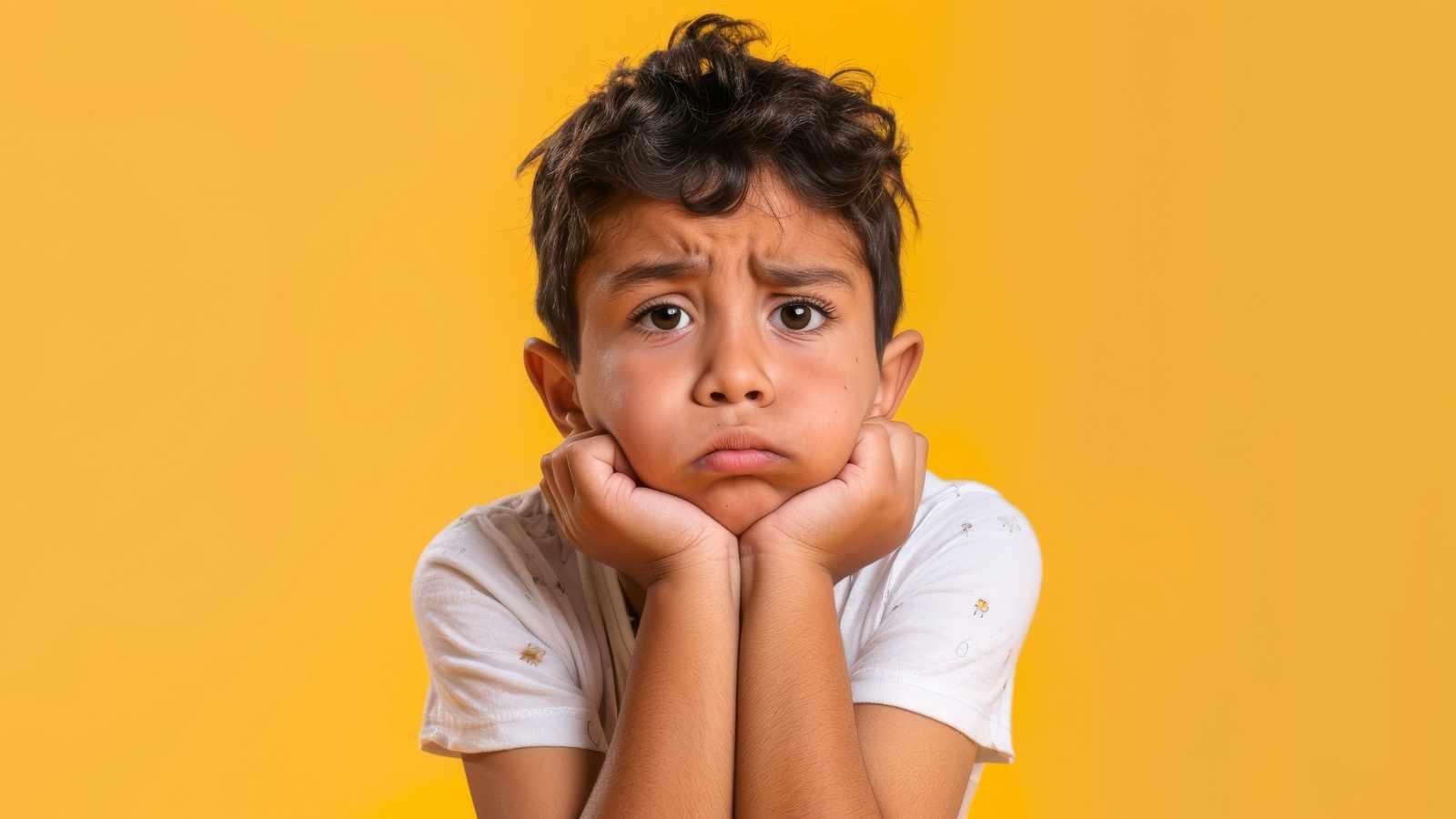
I call this the “good kid” syndrome. These are the children who are so attuned to their parents’ stress that they hide their own struggles to avoid adding to it. They don’t want to cause any trouble, so they bottle up their feelings. They think: “Everyone has enough problems without dealing with mine too.”
These kids are often praised for being mature and independent, which reinforces the idea that they have to handle everything on their own. The danger is that they often don’t ask for help until they’re in a real crisis.
Perfectionism is a prison

Some kids are their own worst critics. They set impossibly high standards for themselves and are crushed by anything less than perfection. My daughter kept trying to get perfect scores on every single test, and at first, I brushed it off as healthy ambition. That was until I noticed the bald spots on her beautiful head.
Recent research finds that approximately 25–30% of children and adolescents display perfectionistic traits, with the highest risks observed in students subjected to external expectations—such as strict grades, competition, or praise for “always doing well”.
They are often the “model students” who get straight A’s and never cause problems. On the surface, they look like they have it all together. But underneath, they are driven by a chronic anxiety that tells them they are never good enough. It’s a tough way to live.
Hidden fears parents miss

There are smaller worries that add up:
Moving stress: Changing schools or leaving familiar places causes major anxiety. Life Ed Australia studies show that 46% of students experience fear, uncertainty, and sadness during school transitions. Kids wonder if they’ll make friends or fit in somewhere new.
Unrecognized grief: Children grieve losses parents don’t always see—pets dying, friendships ending, routines changing. Experts note that 84% of pet owners consider animals as family members, and surveys show that 30% of children and teens report severe grief following a pet’s death, with emotional intensity comparable to the loss of a human loved one.
Medical fears: Doctors, dentists, shots, and being “different” physically all trigger worry. Studies from the National Library of Medicine show that over 47% of boys and 52.8% of girls ages 7–11 report dental fear, with “injections” and “dentist drilling machine” cited as their top anxieties. Roughly one in three kids develops persistent health-related phobias or anxiety disorders, which can amplify other worries and interfere with social and school activities.
Wait times for help: It’s a sad reality that mental health services are stretched thin. 28% of kids referred for mental health services wait for help, sometimes for years. In England alone, nearly 40,000 children experienced a wait of over two years for treatment in 2024, with over 78,000 waiting more than a year—a 52% increase compared to the previous year. That makes everything worse.
What you can do right now

Inasmuch as I’m sure you would do anything for your child, you won’t always get it right. You’re still human after all, even with that “My mom/dad is a superhero mug.” But you don’t need to fix every worry. You just need to create space for them to exist.
Listen without fixing. When your kid shares a worry, resist jumping to “You don’t need to stress about that!” Instead, try “That sounds really hard” or “I can see why you’d worry about that.”
Normalize emotions. Tell them it’s okay to feel worried, sad, or scared. Feelings aren’t problems to solve—they’re information.
Share your own struggles. Kids need to know adults worry too, and that it’s normal. You don’t have to be perfect for them.
Create worry time. Set aside 15 minutes where they can tell you anything that’s bothering them without judgment or solutions.
Notice changes. If your usually chatty kid goes quiet or your good sleeper starts having nightmares, something might be up.
The bottom line

Children’s worries are real, complex, and often invisible. They’re dealing with some stuff we never had to handle as kids. Social media, academic pressure, world events—it’s a lot. I never had to worry about getting my “best side” at a top-down 45-degree angle in selfies. I didn’t even have a phone of my own.
But from experience, I can safely tell you that they don’t need us to take away all their worries. They need us to see them, hear them, and remind them they’re not alone.
Your kid might be carrying burdens you don’t even know about. The good news? Just knowing that puts you ahead of most parents. Now you can start looking for the signs and creating space for those hidden worries to come out.
Trust me—they’re in there. And they’re waiting for someone safe to share them with.
Disclaimer – This list is solely the author’s opinion based on research and publicly available information. It is not intended to be professional advice.
Like our content? Be sure to follow us.