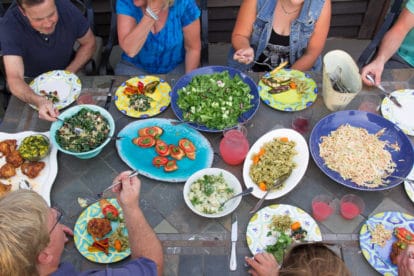
You don’t have to eat ideally to be healthy, but there are a few foods experts really wish we’d stop treating as harmless.
We often treat our bodies like indestructible trash compactors until a doctor delivers a wake-up call we cannot ignore. It is easy to forget the nutritional labels when you are hungry and want something tasty to get through the day. Building a healthy relationship with what you eat doesn’t mean you have to live on kale and dust forever.
Experts aren’t trying to ruin your fun; they are trying to save your life from preventable chronic diseases. Minor tweaks to your grocery list can have a massive impact on your energy and longevity. You don’t need an enormous budget to eat well, just a bit of knowledge about what to leave on the shelf.
Sugary Beverages Like Soda

Drinking your calories is the fastest way to confuse your metabolism and pack on unwanted weight. These drinks spike your blood sugar instantly, leaving you neither full nor satisfied, and then cause a crash later, leaving you craving more. Swapping soda for water is the best investment you can make for your long-term health.
The link between liquid sugar and serious health issues is one of the most consistent findings in nutritional science. A study published in the journal Circulation found that drinking two or more sugary beverages a day was linked to a 31% higher risk of early death from heart disease. Your heart cannot handle the constant sugar rush that these drinks provide.
Processed Meats

We love a good charcuterie board, but those cured meats are often high in sodium and loaded with chemical preservatives. The nitrates used to keep bacon and ham pink turn into dangerous compounds in the gut that can damage your cells. Treating bacon as a rare treat rather than a daily staple is a smart move for your colon.
The global health community has taken a firm stance against these items based on extensive cancer research. The World Health Organization has classified processed meats as a Group 1 carcinogen, meaning there is sufficient evidence that they cause cancer in humans. The risk is real enough that you should think twice before ordering that double pepperoni pizza.
White Bread And Refined Flours

Fluffy white bread tastes like childhood, but it acts exactly like sugar once it hits your bloodstream. The refining process strips away the fiber and nutrients, leaving just the starch behind to spike your glucose levels. Your body burns through this fuel too quickly, leaving you hungry and cranky an hour later.
Replacing these refined grains with whole options is critical for heart health and longevity. Research published in The BMJ indicates that a high intake of refined grains is associated with a higher risk of significant cardiovascular disease and mortality than whole grains. Choosing whole wheat isn’t just a trend; it is a shield for your heart.
Margarine And Trans Fats

There was a time when we thought this yellow tub was better than butter, but we were dead wrong. Partially hydrogenated oils clog arteries and raise bad cholesterol while lowering the good kind, creating a perfect storm for heart attacks. Using real butter or olive oil is a much safer bet than this chemical science experiment.
The danger of artificial trans fats is so high that the government eventually stepped in to protect consumers. The risks were so undeniable that the FDA officially determined that partially hydrogenated oils are not “Generally Recognized as Safe,” leading to a ban on their use in foods. If you see “hydrogenated” on a label, put it back on the shelf immediately.
Canned Soup

Save this article
It seems like a wholesome, cheap meal, but a single can often contains your entire daily limit of salt. High sodium forces your heart to work harder and bloats your body with water weight, making you feel puffy. You save money at the register, but you pay for it with higher blood pressure readings.
Most people underestimate just how much salt is hiding in these convenient lunches. The American Heart Association notes that the “Salty Six” foods, including soup, are major contributors to the average American consuming 3,400 mg of sodium a day, far above the recommended 1,500 mg. Checking the label for “low sodium” options is a quick fix that protects your kidneys and heart.
High-Mercury Fish

Seafood is usually healthy, but large predators like swordfish and king mackerel accumulate toxic levels of mercury from the smaller fish they eat. This heavy metal can damage your nervous system if you eat these species too frequently. Your brain is a gift you want to protect, so stick to smaller fish like salmon or sardines.
You do not have to give up seafood entirely, but you do need to be selective about which species you grill. Mercury builds up in your tissues over time and can take months or years to leave your body. Being picky about your fish choices helps you get the omega-3s without the neurotoxins.
Low-Fat Salad Dressings

When companies remove the fat from dressing, they have to add sugar and thickeners to make it taste edible. Plus, you actually need fat to absorb the fat-soluble vitamins in your salad greens like Vitamin A and K. Drowning your healthy veggies in sugary syrup defeats the purpose of eating a salad.
These products often contain more sugar than chocolate sauce, turning a healthy lunch into a dessert. You are better off using olive oil and vinegar, which provide healthy fats and no hidden sweeteners. Trusting nature’s fats is always better than trusting a lab-created substitute.
Key Takeaway

You don’t have to be perfect or eat bland food for the rest of your life to be healthy. It is about making better choices most of the time so you can enjoy Christmas dinner without guilt or worry. Your body is resilient, but it needs your help to stay that way.
Start by eliminating one or two of these items and see how much better you feel. This isn’t a diet; it is a shift in mindset that prioritizes longevity over temporary convenience. Once you feel the difference, you won’t want to go back to the junk.
Disclaimer: This list is solely the author’s opinion based on research and publicly available information. It is not intended to be professional advice.
Disclosure: This article was developed with the assistance of AI and was subsequently reviewed, revised, and approved by our editorial team.
Like our content? Be sure to follow us
The Secret to Losing Weight and Keeping it Off: The 15 Best Low-Calorie Foods

The Secret to Losing Weight and Keeping it Off: The 15 Best Low-Calorie Foods
Alright, listen up, lovely people! You’ve been told countless times that eating less is the secret to shedding those stubborn pounds. But let’s be honest, that’s like telling someone the secret to being rich is simply having more money – it’s not helpful.
So, here’s the deal: losing weight doesn’t necessarily mean you have to eat less; it means you must eat smart. Eating innovative means embracing foods that are low in calories but high in satisfaction. Here are the top 15 low-calorie foods that are about to become your new best friends on the journey to sustainable weight loss.