The Italian lifestyle reminds us that longevity doesn’t come from restriction or perfection, but from balance, connection, and joy.
Italians seem to have it all figured out. They enjoy incredible food, beautiful scenery, and still manage to be some of the healthiest people on the planet. What’s their secret? It’s not some magic pill or complicated workout plan.
It’s a series of simple, daily habits woven into their culture that support a long, happy life. Reuters reports that over the past decade, Italy has increased its number of centenarians by 30%, rising from just over 17,000 in 2014 to more than 22,000 in 2024.
I’ve always been fascinated by the Italian way of life. It’s not about restriction or chasing trends. Instead, it’s about finding joy in the simple things, from a shared meal to a walk in the sun. So, let’s explore the 15 habits that make the Italian lifestyle so enviable. You might just find a few you’ll want to adopt yourself.
Mediterranean diet
The Mediterranean diet is the foundation of daily Italian life. It’s consistently credited with high life expectancy and low rates of heart disease. Meals center on vegetables, fruits, legumes, whole grains, and olive oil. Fish is eaten regularly, while dairy and red meat are enjoyed in smaller amounts. It’s not a diet in the restrictive sense, but a lifestyle.
Research shows this way of eating really works. One study found that people in southern Italy who followed the diet closely lived almost 10% longer. Another study linked it to a mean age at death of 80 years. These benefits come from its anti-inflammatory and antioxidant properties, which help slow the aging process and keep you feeling great.
Seasonal eating
Italians live by the seasons, especially when it comes to food. Their markets are filled with whatever produce is fresh and local. Instead of stocking up on preserved goods, they buy ingredients for the day or week. This means their meals are always at peak flavor and nutritional value.
Eating seasonally isn’t just a tradition; it’s a healthier way to live. Fruits and vegetables harvested in their prime contain more nutrients and antioxidants. This habit also supports local farmers and strengthens community bonds. It encourages a creative and dynamic approach to cooking, adapting recipes to what’s best at the moment.
Moderate portions
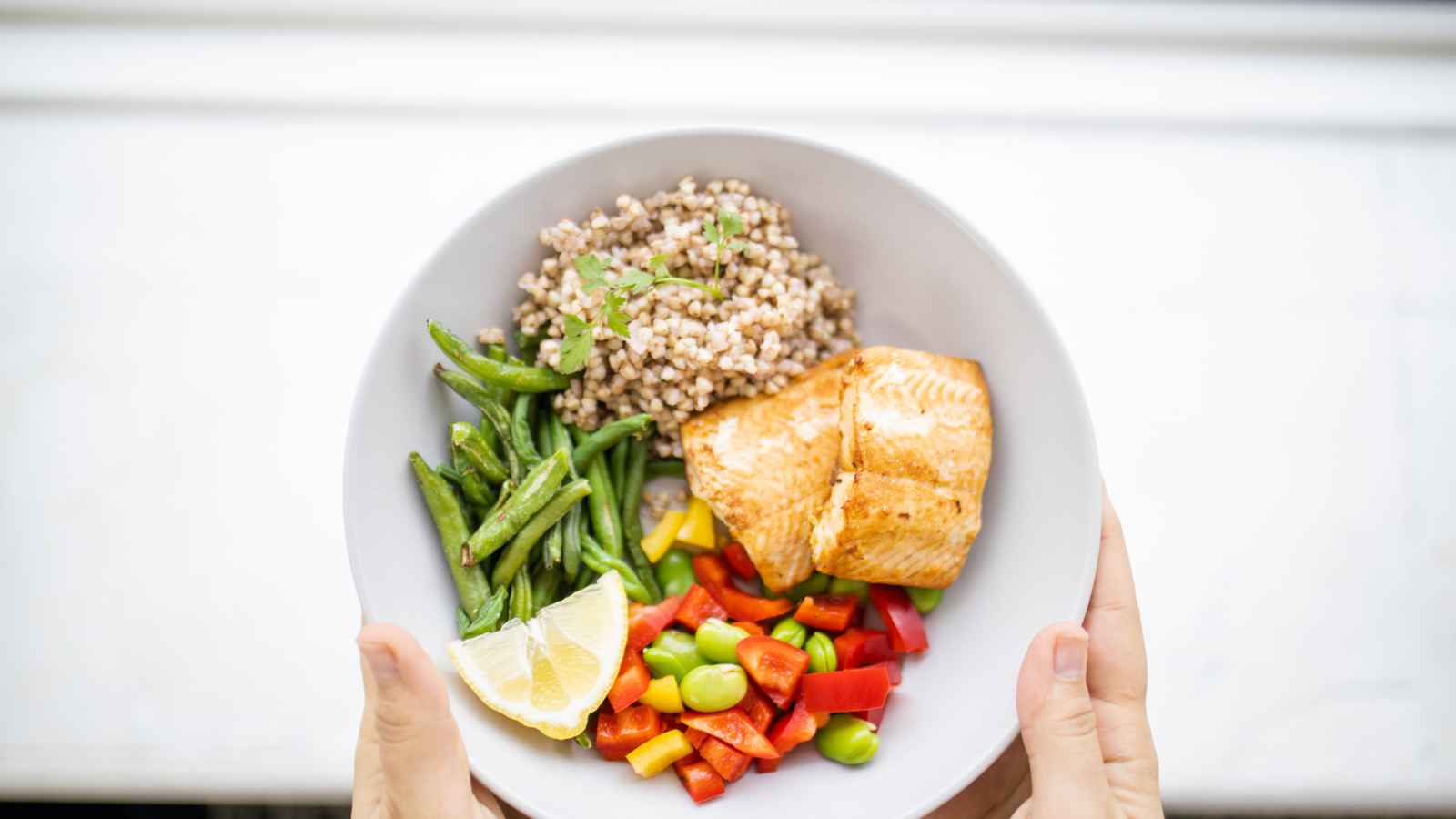
In Italy, meals are often served in multiple small courses. This encourages slower eating and natural portion control. You won’t find super-sized anything here. This approach helps prevent overeating and the chronic diseases that can come with it. It’s a cultural norm, not a strict rule, making it easier to maintain a healthy weight.
The statistics back this up. Obesity rates are high in many Western countries, but they remain significantly lower in Italy. By focusing on quality ingredients and savoring each bite, satisfaction comes from the food itself, not the quantity. Moderate portions are a simple yet effective habit for better metabolic health.
Olive oil as the main fat
Extra virgin olive oil is the heart of Italian cooking. It’s used in everything from salad dressings to grilled vegetables. This “liquid gold” is rich in monounsaturated fats and antioxidants that protect against heart disease and inflammation. It’s a much healthier choice than saturated fats found in butter or other oils.
Studies have shown that even a moderate daily intake of olive oil can make a big difference. One study reported that about one and a half tablespoons a day cut the risk of death from any cause by a third. It helps regulate blood pressure and keeps arteries healthy. It’s a simple swap that delivers powerful health benefits.
Regular movement
Physical activity is a natural part of the day in Italy. People walk or cycle to run errands, meet friends, or just enjoy their surroundings. This isn’t about hitting the gym for an intense workout. It’s about incorporating movement into daily routines. Even a short walk through the neighborhood contributes to overall fitness.
This habit has a real impact on longevity. One study found that people with the fastest walking speed had a lower risk of mortality. The evening stroll, or passeggiata, is a beloved tradition that combines light exercise with socializing. This “car-light” approach keeps people active and healthy throughout their lives.
Social meals

Meals in Italy are about more than just food; they are about connection. Italians cherish eating with family and friends. These shared experiences are linked to lower stress levels, better mental health, and even a longer life. It’s a time to reinforce bonds, share stories, and enjoy each other’s company.
Strong social connections are a key factor in healthy aging. Statistics show a clear link between social bonds and life satisfaction. Regular family dinners and gatherings with neighbors provide a strong support system. This sense of belonging is essential for both happiness and resilience.
Mindful eating
Italians take their time with meals. They savor each bite without distractions like phones or TV. This practice of mindful eating helps with digestion and portion control. It allows people to tune into their body’s hunger and fullness cues, reducing the chances of overeating. It’s a simple idea, but it makes a big difference.
Health experts in Italy promote this approach. They note that dedicating at least half an hour to a meal enhances enjoyment and sharpens awareness. It’s closely tied to the benefits of the Mediterranean diet, as both encourage a full appreciation of food. This daily ritual supports mental clarity and a healthy relationship with food.
Limited processed foods
Fresh, homemade food is the standard in Italian kitchens. Processed and packaged foods are a rare sight. In fact, a global food study found that Italy has the lowest intake of ultra-processed foods in the world. People prefer to buy fresh ingredients and cook at home, giving them full control over what goes into their meals.
This commitment to fresh food helps reduce the prevalence of obesity and chronic diseases. Meals are more nutrient-dense and free from excessive salt, sugar, and unhealthy fats. It also keeps traditions of food craftsmanship alive. Choosing fresh over processed is a cornerstone of the healthy Italian lifestyle.
Light evening meals
In Italy, dinner is typically a light affair. Heavy dishes are avoided in favor of soups, salads, or small portions. Dinner is also eaten relatively early, often before 7:30 p.m. This practice promotes better digestion and more restful sleep. It also gives the body a long break before the next meal.
Save this article
Research on centenarians in Italy’s Abruzzo region found that their evening meals were lighter than lunch. This aligns with modern findings on how meal timing affects our internal clocks and long-term health. A light dinner prevents late-night indigestion and keeps the body’s natural rhythms in sync.
Daily coffee rituals
Coffee is an essential part of the Italian day. Most adults enjoy a small cup of espresso, often multiple times. It’s typically consumed in moderation, without a lot of sugar or cream. This allows the natural flavors of the coffee to shine through. It’s a ritual that provides a moment to pause and recharge.
The coffee break is also a social event. Enjoying a coffee at a bar or with friends reinforces social ties. Research has linked moderate coffee intake to improved metabolic and cardiovascular health. For Italians, coffee is about balance and tradition, a small pleasure that contributes to overall well-being.
Moderate wine consumption
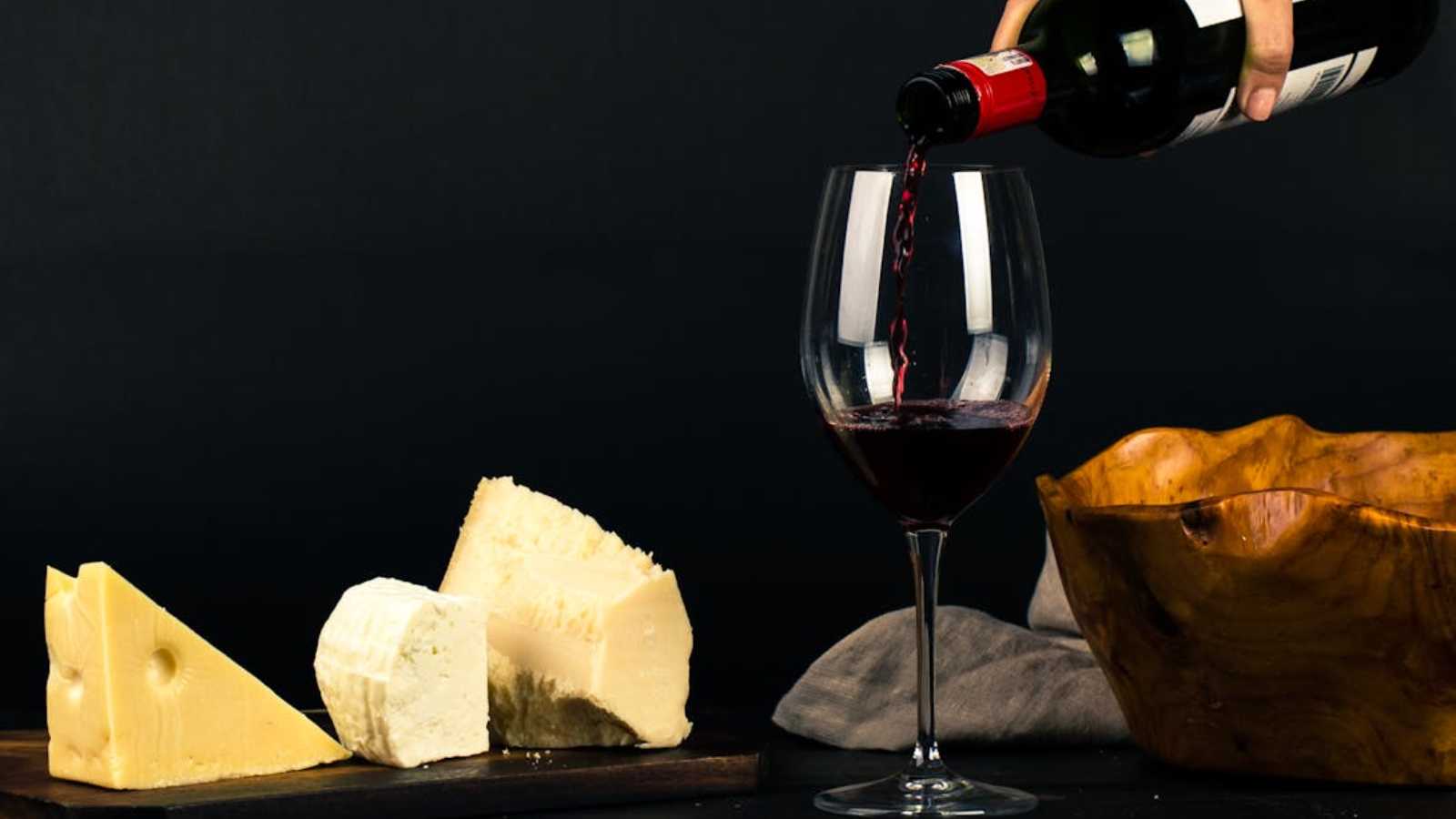
Wine is a cherished part of Italian culture, often enjoyed with meals. Most Italians who drink wine do so in moderation, savoring it with food and company. The focus is on quality over quantity. This sensible approach keeps wine as a joyful part of life without compromising health.
Studies suggest that moderate consumption of red wine, which contains antioxidants like resveratrol, may be linked to a lower risk of heart disease. But it’s a fine line, as excessive drinking cancels out any benefits. Italians seem to have found the right balance, enhancing meals and social connections with a glass of good wine.
You might be interested in: Low FODMAP Mulled Wine
Strong family and community ties
Family and community are the bedrock of Italian society. Multi-generational households are common, and daily life involves regular contact with relatives and neighbors. These strong social connections provide a powerful buffer against stress and promote emotional resilience.
A study in Sardinia’s “blue zones” found that satisfaction with family relationships was incredibly high and linked to very low rates of depression. These deep connections contribute to a high sense of well-being and support healthy aging. Italians often say family and friends are their greatest source of joy.
Sunlight and outdoor time

Spending time outdoors is a daily pleasure for most Italians. They embrace the sunshine through a stroll, time in a garden, or dining al fresco. This habit provides crucial vitamin D, which is important for bone strength, immunity, and mood. It’s an easy and enjoyable way to boost health.
Even with a sunny climate, daily sun exposure plays a key role in meeting vitamin D needs. Short daily outings can improve energy levels and mental health. The Italian lifestyle naturally incorporates the outdoors, making it an underappreciated but significant driver of vitality and happiness.
Rest and balance
The Italian lifestyle values a healthy balance between work and rest. The riposo, a midday break, is a perfect example. Many shops and businesses close for a few hours after lunch, allowing people time to rest, nap, or be with family. This isn’t laziness, it’s a smart way to manage energy and reduce stress.
This daily pause supports the body’s natural rhythms and contributes to long-term productivity and emotional well-being. Honoring the need for rest is just as important as being active. This rhythm of work and relaxation is a key element of the Italian approach to a long and healthy life.
Cultural engagement
Participating in local traditions, festivals, and community events is a vital part of Italian life. These shared experiences provide a sense of purpose and collective joy. One survey found that people with high levels of cultural engagement also reported the highest levels of well-being.
Getting involved in arts, music, and local celebrations boosts mental and emotional health. These events strengthen social bonds and sustain connections between generations. For many Italians, these cultural rhythms are what give life meaning and pleasure throughout the year.
Disclaimer – This list is solely the author’s opinion based on research and publicly available information. It is not intended to be professional advice.
16 Best Jobs for Pregnant Women

16 Best Jobs for Pregnant Women
Pregnancy is a transformative and joyous period in a woman’s life, but it comes with unique challenges and demands. One of the most crucial aspects during this time is ensuring a healthy work-life balance.
Finding the right job during pregnancy is not just about earning an income; it’s about maintaining your health, well-being, and peace of mind.
2 Kitchen Hacks You May Not Know

12 Kitchen Hacks You May Not Know
Sometimes preparing meals and just dealing with food can feel like a bore and a chore – or just plain frustrating! We’ve got the best food hacks to pass down to you to get you in and out of the kitchen fast. Not more drudgery, and dare we say it, some of these hacks are kind of fun. Save money, too. Win-win!
Do you have a kitchen hack we should know about?