

Drug use among seniors is surging, with cannabis consumption among U.S. adults 65 and older jumping nearly 46% from 2021 to 2023, revealing a shifting landscape in how older generations approach recreational substances.
When you picture a recreational drug user, who comes to mind? Probably not your grandma. But maybe it’s time to adjust that mental image. The fact is, drug use among seniors is on the rise, and it’s not just a small blip on the radar. This isn’t your grandparents’ generation anymore; it’s the one that came of age in the 1960s and 1970s.
A 2025 ScienceDaily summary of a study found that 7% of U.S. adults aged 65 and older reported using cannabis in the past month in 2023 — up from 4.8% in 2021, a nearly 46% increase.
So, what’s really going on? Why are more older adults turning to substances later in life? It’s not a single, simple answer. It’s a complex mix of changing social norms, personal histories, health issues, and numerous other factors. We’re going to break down the reasons behind this growing trend. This isn’t about judgment; it’s about understanding the complex reality of aging in today’s world.
Baby boomer cohort & earlier exposure
Today’s seniors aren’t like the generations before them. Many are baby boomers who grew up in the 1960s and 1970s. This was an era where experimenting with drugs became part of youth culture. Their attitudes were shaped by a time of social change, and familiarity with recreational substances can stick around.
This early exposure creates a different starting point for today’s older adults. According to the National Library of Medicine, admissions of adults aged 55 and older to substance use disorder treatment facilities increased by 203.7% between 2000 and 2016–2017. It seems the Woodstock generation brought more than just rock ‘n’ roll into their golden years.
Changing social norms and reducing stigma
Society’s view on drugs, especially cannabis, has changed a lot. It’s not the scary, taboo topic it once was. With legalization spreading and media conversations becoming more common, the stigma is fading. This makes it easier for everyone, including seniors, to consider using these substances.
According to NIDA’s Substance Use in Older Adults fact sheet, past-year cannabis use among adults 65 and older jumped from 0.4% in 2006–2007 to 2.9% in 2015–2016. That’s a huge jump. When something becomes legal and accessible, it’s no surprise that more people, regardless of age, feel comfortable trying it.
Coping with major life transitions
Getting older comes with some tough changes. Retirement, losing a spouse, or dealing with health problems can create a lot of stress and sadness. For some seniors, substances can feel like a way to cope with this emotional pain.
A survey by Alignment Health, cited in a Patch article, found that more North Carolina seniors report feeling lonely or isolated than the national average. Those who have recently lost someone are at a higher risk of using drugs or alcohol to self-soothe. It’s a quiet problem, often overlooked because it’s not expected from this age group.
Increased idle time & loss of purpose
What do you do when you suddenly have all the time in the world? Retirement can be a dream, but it can also lead to boredom and a loss of purpose. The daily routine of a job is gone, and that can leave a big void. For some, filling that empty time can lead to drug use.
According to SAMHSA, about 5.7% of adults aged 60 and older used illicit drugs in the past month. When meaningful activities disappear, some people look for an escape.
Mental health issues

Mental health is a significant concern at any age, but it poses a major challenge for many seniors. Depression, anxiety, and grief are common, yet often go untreated. For adults 50+ who have a diagnosed AMI, more than half receive some form of mental health treatment. In 2022, about 50.6% of U.S. adults with any mental illness received treatment.
When people are struggling with emotional pain and don’t get help, they might try to self-medicate with drugs. This gap in mental healthcare fuels higher rates of substance misuse among seniors. Isolation and physical illness can make it worse, leading some to use drugs just to get some relief. It’s a hidden crisis that needs more attention.
Loneliness & social isolation
Growing old can be a lonely experience. Losing family and friends, moving to a new place, or having limited mobility can leave seniors feeling disconnected. This loneliness is a powerful driver of substance use. Nearly one in four adults over the age of 65 is lonely.
Research that profiles social isolation and loneliness finds higher rates of alcohol/drug use in groups with greater loneliness/isolation. After a significant event like the death of a spouse, the need for comfort is intense. What starts as a way to cope can turn into a dangerous habit, often unnoticed and unaddressed.
Perceived benefits & self-medication
Sometimes, seniors turn to recreational drugs because they believe they will help them where traditional medicine has failed. They are looking for relief from chronic pain, insomnia, or stress. Forbes reports these are some of the top reasons older adults use cannabis and other substances.
Depending on the country, 7% to more than one-third of medicinal cannabis patients are older people. When prescription drugs don’t work or have harmful side effects, people start looking for alternatives. This belief that a substance can provide unique benefits is a strong motivator for many to experiment and self-medicate.
Easy access

It’s simply easier to get drugs now, especially cannabis. With legalization in many states, dispensaries are now commonplace, and some even offer delivery services. This increased access removes a significant barrier for seniors who are curious about trying a substance.
Forbes Health reports that seniors aged 65 and older use cannabis more often in states with medical legalization than in states where it remains illegal. That’s significantly higher than it was a decade ago. It’s not just legal access, either. Peer networks make it easier to find substances informally. When something is easily accessible, more people are likely to try it.
Physical & cognitive changes with age
Our bodies change as we get older, and this affects how we process drugs. The Hazelden Betty Ford Foundation warns that seniors can experience more pronounced effects from substances, even at low doses. This is because their metabolism slows down, allowing drugs to stay in their system for extended periods.
This can lead to serious side effects like confusion, poor balance, and injuries. Despite these risks, some individuals continue to use it, hoping for relief. These physical changes create a unique set of dangers for older adults using drugs. Unfortunately, awareness about these risks is often low among both users and their doctors.
Save this article
Comorbid conditions & poly-drug interactions
Most seniors are managing at least one chronic health condition and often take multiple prescription medications. Adding recreational drugs to this mix is a recipe for disaster. It can cause dangerous interactions and exacerbate existing health problems.
The National Institute on Drug Abuse warns that mixing these with recreational substances can have serious consequences. Many seniors may not be aware of these risks, and doctors sometimes overlook them as well.
Economic stress & financial strain
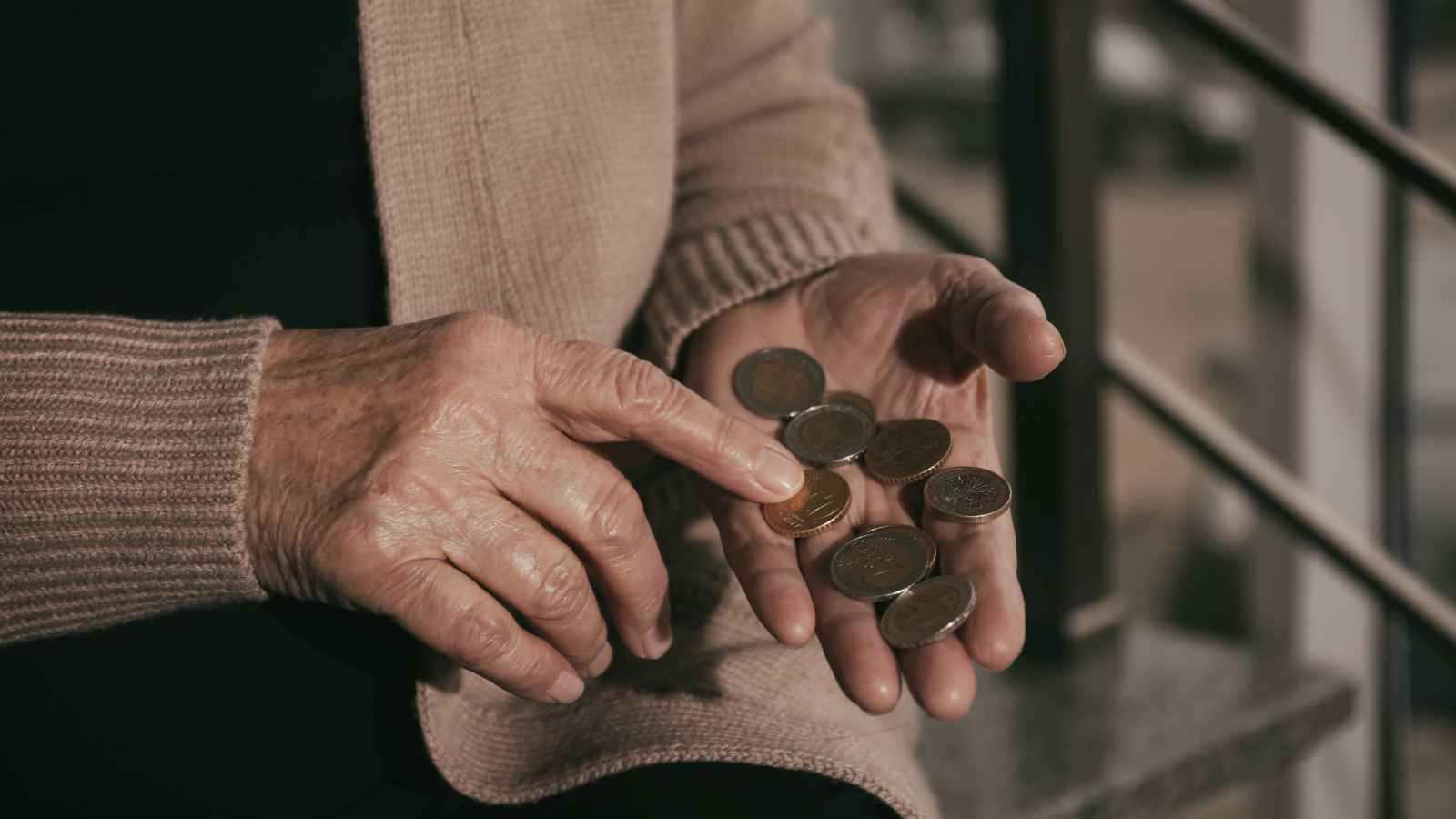
Worrying about money is a real problem for many older adults. The stress of managing a fixed income, paying for healthcare, and covering daily expenses can be overwhelming.
This stress is strongly linked to substance use as a way to find relief. Money worries may not be the primary reason someone tries drugs, but constant financial pressure can push people toward unhealthy coping habits. It’s another layer of vulnerability for an already at-risk group.
Curiosity or rebellion in later life
Not all drug use among seniors is about coping with problems. For some, it’s about curiosity, adventure, or even a bit of rebellion. In its article “Why older adults have a high risk of alcohol and drug harm,” the ADF explains that some older adults use substances to relax, have fun, or satisfy their curiosity.
With fewer responsibilities, some seniors feel a new sense of freedom. Trying drugs can be a way to push back against the stereotypes of aging or just to do something different. This adventurous spirit is an often-overlooked factor in the rise of drug use in this age group.
Influence of peers & community
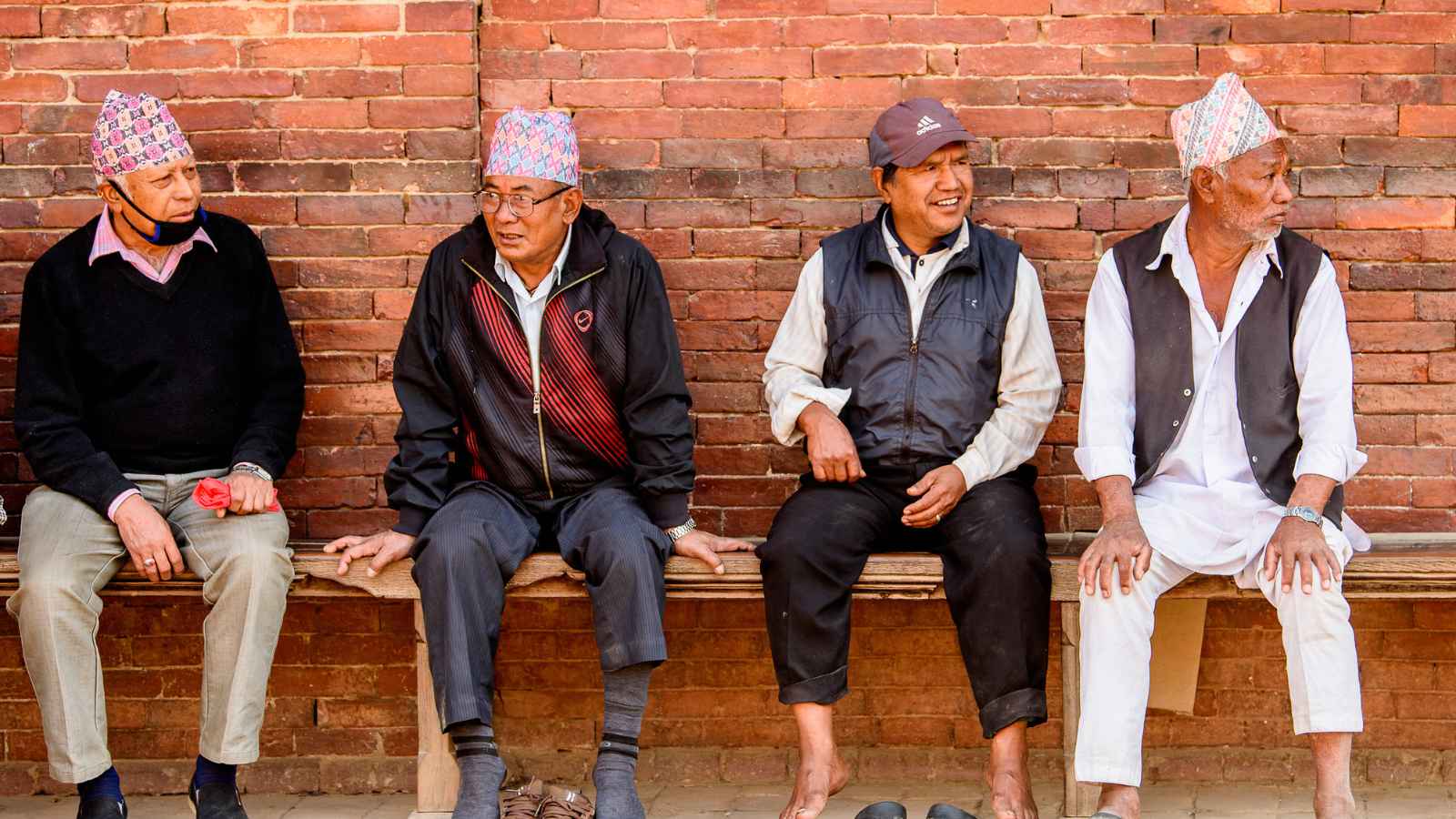
The people we surround ourselves with have a significant impact on our choices. This is also true for seniors.
When peers openly use and discuss substances, it normalizes the behavior and lowers barriers. Social groups, both online and in person, can become places where seniors learn about and share drugs. Peer pressure isn’t just for teenagers; it’s a powerful force that affects people of all ages.
Media, cultural messages & availability of information
We are all surrounded by media, and seniors are no exception. News stories, celebrity endorsements, and online discussions about recreational drugs are everywhere. These messages shape perceptions and can make drug use seem mainstream or even healthy.
This constant flow of information, both good and bad, plays a massive role in their decisions.
Under-recognition & lack of intervention
Substance use in seniors is often missed. The signs can be mistaken for common aspects of aging, such as confusion or unsteadiness. Doctors are less likely to screen older patients for drug use, and families may not recognize the problem until it’s serious.
This lack of recognition means there are missed opportunities to help. Seniors may also be hesitant to talk about their drug use due to shame. As a result, dangerous patterns can continue without anyone noticing, increasing health risks. It’s a silent problem that allows substance use to grow unchecked.
Looking at the bigger picture
The reasons more seniors are using drugs are complicated. It’s a mix of personal history, social change, and the universal challenges of aging. Many factors are at play, including the cultural shifts of the Baby Boomer generation and the loneliness that often accompanies old age.
Understanding this trend is the first step. It requires us to look past stereotypes and see the real people and the real issues behind the statistics. This isn’t just about data; it’s about our parents, grandparents, and neighbors. Acknowledging the problem is crucial if we want to provide the proper support and care for our aging population.
Disclaimer – This list is solely the author’s opinion based on research and publicly available information. It is not intended to be professional advice.
16 Best Jobs for Pregnant Women

16 Best Jobs for Pregnant Women
Pregnancy is a transformative and joyous period in a woman’s life, but it comes with unique challenges and demands. One of the most crucial aspects during this time is ensuring a healthy work-life balance.
Finding the right job during pregnancy is not just about earning an income; it’s about maintaining your health, well-being, and peace of mind.
12 Kitchen Hacks You May Not Know

12 Kitchen Hacks You May Not Know
Sometimes, preparing meals and dealing with food can feel like a bore and a chore – or just plain frustrating. We’ve got the best food hacks to pass down to you, helping you get in and out of the kitchen quickly. Not more drudgery, and dare we say it, some of these hacks are fun. Save money, too. Win-win!
Do you have a kitchen hack we should be aware of?





