

Cruises are booming on paper, but recent headlines are exposing a growing disconnect between record demand and rising traveler anxiety.
Industry numbers remain strong. The Cruise Lines International Association projects tens of millions of passengers worldwide, while AAA says Americans continue booking cruises at record levels. But the mood around cruising is becoming more complicated.
The recent hantavirus outbreak aboard the MV Hondius, which left passengers stranded at sea amid quarantine measures and international health concerns, has become the latest reminder of how quickly a dream vacation can turn into a high-stress situation.
At the same time, travelers are increasingly questioning surprise fees, overcrowding, environmental impact, and the feeling of being trapped in a floating system where control is limited once the ship leaves port.
Cruising is still hugely popular. But for many travelers, especially younger ones, the appeal no longer feels as automatic as it once did.
Sticker Shock
The ads still whisper about “cheap escapes,” but the receipts are screaming. Analysts told Business Insider that average cruise fares were roughly 15 percent higher by late 2023 than before the pandemic and about 20 percent higher by 2024, even as ships added more cabins to sell.
Truist Securities’ Patrick Scholes said prices have “finally caught up” and keep rising because demand is so strong, and Carnival’s own CFO bragged they were positioned to push 2024 prices even higher. So the old promise of a budget cruise is starting to feel like a fairy tale: by the time you add taxes, port fees, and upgrades, a week at sea can cost as much as a solid land vacation.
Surprise Fees, Service Charges, And Tipping Backlash
You book the cruise, breathe out, and then the fees start marching in like a conga line. Princess Cruises quietly bumped its automatic food and beverage service charge from 18 percent to 20 percent, and that stacks on top of daily gratuities already added to your account.
At the same time, a WalletHub survey found nearly nine in ten Americans think tipping culture is “out of control,” which makes all those auto‑gratuities, specialty dining fees, Wi‑Fi plans, and drink packages feel like a nonstop money grab.
The vacation that was sold as “all‑inclusive” suddenly comes with a calculator, a side of guilt, and a lot of people wondering who exactly they’re tipping and why.
Crowded Ships And Overrun Ports Kill The Escape Fantasy
There is a funny contradiction at the heart of cruising: everyone wants to “get away from it all” in exactly the same place. In Barcelona, cruise ship calls made up about 83 percent of all maritime traffic in the first half of 2024, so officials pushed ships out of the central docks to ease congestion and protect the city from tourist overload.
Reports from Europe describe charming historic streets turning into theme‑park crowds whenever multiple mega‑ships arrive, with local infrastructure straining just to move everyone around.
For American travelers, that translates into long boarding lines, packed pool decks, and ports that feel less like an escape and more like an outlet mall where every store sells magnets.
Eco Guilt: The Environmental Cost Is Harder To Ignore
The ocean views might be dreamy, but the footprint is not. An analysis highlighted by Friends of the Earth estimated that a cruise tourist in a city like Seattle can generate about eight times more carbon emissions per day than a land‑based visitor, thanks to heavy fuel use and constant onboard energy demand.
Environmental researchers and UNESCO observers have also warned that cruise visitors can harm Marine World Heritage sites through air emissions, wastewater discharges, ballast water, and the stress that thousands of people place on fragile coastlines in a single day.
As climate anxiety grows among younger Americans, it becomes harder to square that anxiety with boarding a floating city that burns fuel all night, runs a small entertainment factory, and then unloads thousands of people into delicate ecosystems for a quick selfie.
Health Scares: Norovirus Headlines Are Back
Statistically, most cruises are perfectly fine, but the bad ones make unforgettable headlines. CDC data show that reported gastrointestinal illness outbreaks on cruise ships rose from 14 in 2023 to 18 in 2024. In 2025, a “newly dominant” strain of norovirus was suspected in most of the recorded shipboard outbreaks.
Only about 1 percent of all norovirus outbreaks actually happen on cruises, yet when hundreds of passengers get sick on a single sailing, it becomes a national story with all the grim details. That contrast matters: even if the risk is small, the image of being stuck at sea on a “floating petri dish” is powerful enough to make some Americans choose a cabin in the woods instead.
Labor Ethics: Guests Are Questioning Who Pays The Price
Behind the buffets and towel animals is a workforce that rarely gets center stage, and that is starting to bother some travelers. Union groups and inspectors have documented crew schedules of up to 16 hours a day and roughly 300 hours a month on certain ships, as well as cases where proper permits were missing.
A 2023 inspection of Royal Caribbean’s Oasis of the Seas led to more than one million dollars in fines under Dutch labor law after investigators said rules had been broken. Unions have also criticized how workers from poorer countries can earn pay similar to a budget hotel in Bali, even while serving guests who paid first‑world prices.
For Americans already uneasy about tipping and service charges, realizing that crew rely heavily on gratuities and may endure grueling conditions turns a carefree vacation into a nagging ethical question.
Overhyped Marketing Versus Underwhelming Reality
Cruise commercials sell you a movie, not a Monday. AAA and Tourism Economics estimate that around 20.7 million U.S. travelers cruised in 2025, with numbers expected to climb toward roughly 21.7 million in 2026. A growing share of them are “new to cruise” customers drawn by aggressive marketing.
About 31 percent of cruisers over the previous two years were first‑timers in 2024, up from 27 percent in 2023 and 24 percent in 2019. Many people are stepping on board with expectations shaped almost entirely by glossy ads and influencer videos.
When those travelers encounter crowded buffets, long lines, and a floating shopping-mall vibe instead of a sun‑drenched musical, the disappointment hits harder, especially if they paid premium prices believing the hype.
“Floating Resort” Doesn’t Fit How Younger Americans Travel
Cruise executives love to point out that younger guests are filling cabins, but the relationship is more complicated than the brochures suggest. The average cruiser is around 43, and Gen Z and millennials are joining in because cruises package lodging, food, and entertainment into a neat, budget‑friendly bundle.
Save this article
These same generations are driving interest in slower travel, deeper local experiences, and socially responsible tourism, which conflicts with six‑hour port calls and sightseeing in a crowd of thousands.
Carnival executive Jan Swartz has even highlighted that younger travelers like cruises mainly for “all inclusive experiences” that stretch their budgets, which hints that many are choosing ships with their wallets, not their hearts, and may move on once they can afford to travel differently.
More articles:
- 12 cruise dress code rules that spark debate every time
- 16 things you should never leave in your cruise cabin on port days
Working Remotely At Sea Is Still A Tech Headache
On paper, working from a deck chair sounds like the dream; in practice, it can feel like sending emails from the moon. Travel coaches and remote workers say cruise Wi‑Fi varies wildly depending on the ship, the satellite system, and how far you are from land, with sea days especially prone to lag and dropped connections.
If you absolutely must stay online, you need to study the fine print of Wi‑Fi plans, understand which routes hug the coast, and accept that video calls may still struggle to stay smooth. For American travelers used to fast home broadband and 5G on the ground, paying extra for an internet package that chokes on cloud files and freezes mid‑meeting can make the whole cruise concept feel out of sync with modern, flexible work life.
Safety, Storms, And A Sense Of Being Trapped
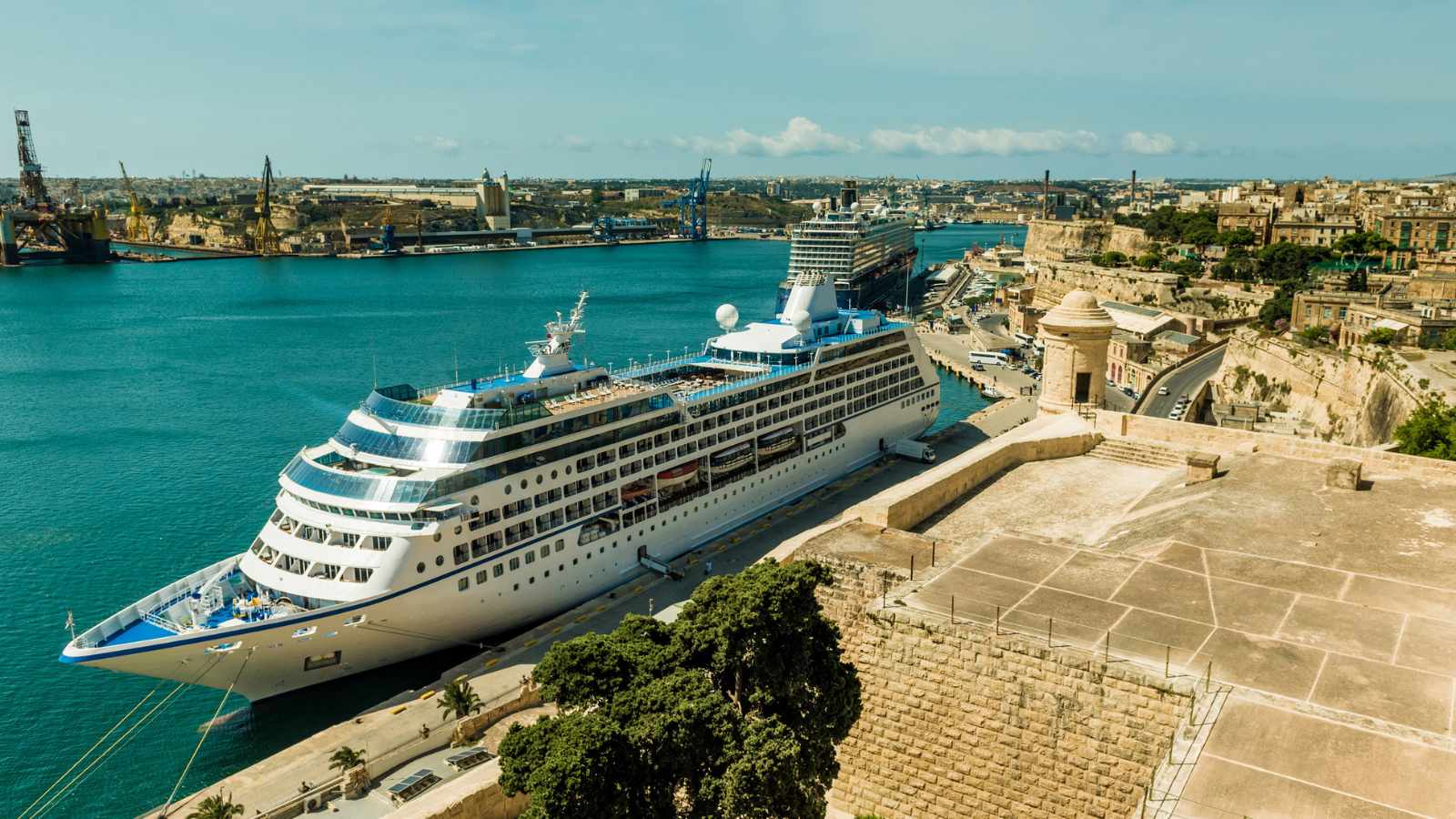
Cruises are statistically safe, but safety is about feelings as much as numbers. High-profile stories about storm‑tossed ships, mechanical failures, or stranded passengers tend to live rent-free in the American imagination and resurface every time a new incident hits TV news or TikTok.
Climate researchers and maritime experts also warn that climate change is making storms and sea conditions more unpredictable, which can mean rougher crossings, last-minute route changes, and missed ports as captains try to dodge worsening weather.
For some travelers, the mix of big crowds, foreign ports, and the simple fact of being far from shore with no quick exit makes cruising feel less flexible and less safe than a road trip or a resort stay they can walk away from whenever they want.
Cruises Symbolize “Old School” Mass Tourism
The industry is booming at the exact moment a cultural backlash is sharpening. AAA predicts tens of millions of Americans will keep cruising in the next few years, and repeat guests plus bargain hunters are filling cabins even as critics grow louder.
Many people now link mega‑ships with over‑tourism, climate damage, and copy‑and‑paste experiences, while alternatives like road trips, national parks, boutique hotels, and short flights feel more personal and easier to control.
That leaves cruising in a strange place: wildly popular on paper, yet increasingly seen by a vocal slice of Americans as the least modern way to travel, a floating symbol of everything they are trying to move past in their vacation lives.
Key Takeaways
Cruise numbers are booming, but so are complaints about rising fares, hidden fees, and tip fatigue.
Crowded ships, overrun ports, and harsh labor realities are making the “escape” feel more like a floating mall with moral homework.
Health scares, eco guilt, shaky Wi‑Fi, and storm worries clash with how younger Americans want to travel: slower, more flexible, and more authentic than a mega‑ship can offer.
Disclosure: This article was developed with the assistance of AI and was subsequently reviewed, revised, and approved by our editorial team.
Like our content? Be sure to follow us on Newsbreak.
10 Insanely Fast Trains That Make Air Travel Look Slow

Rail travel has come a long way from the slow chugging of steam engines. Today, the race for the fastest train has become a high-speed pursuit of groundbreaking technology, pushing the boundaries of what’s possible on rails. From maglev marvels to sleek bullet trains, these trains don’t just break records; they redefine them. Here’s a look at the 10 fastest trains on Earth, each moving faster than most airplanes. Learn more.
8 financial mistakes travelers should avoid in Mexico

Traveling through Mexico can feel effortless, from booking boutique hotels to paying for street tacos on the go. Yet money mistakes can quietly turn a dream trip into an expensive lesson. Many travelers focus on flights and itineraries but overlook everyday financial decisions that shape their budget once they arrive. Exchange rates, payment methods, and local banking norms differ from those at home, and misunderstandings can drain funds faster than expected.
The stakes are higher than most people realize. According to data from the Consumer Financial Protection Bureau, international travelers can lose money on each transaction. Losses typically range from 3 to 10 percent when foreign transaction fees, poor exchange rates, and ATM charges are combined. Learn more.
10 travel scams targeting tourists

Vacations are supposed to be carefree, but a single clever scam can empty your wallet faster than any overpriced souvenir.
Planning a vacation is usually the highlight of the year, but falling for a scheme can ruin the fun before it even starts. Scammers are getting smarter and using advanced technology to trick even the most experienced globetrotters into handing over their hard-earned cash. You need to stay alert because these criminals often target distracted visitors who are just trying to relax. Learn more.





