

A road crew breaks ground for a new construction project and uncovers an ancient cemetery. Workers renovating a city street discover a centuries-old road buried beneath the pavement. Moments like these happen more often than most people realize, revealing that remarkable pieces of history are often hiding beneath places we pass every day.
It’s easy to think of archaeology as something that happens at distant pyramids, lost temples, or remote ruins. In reality, some of the most fascinating discoveries are made in ordinary neighborhoods, beneath busy streets, and even during routine construction projects. From Native American settlements to colonial foundations and forgotten burial grounds, the past has a way of resurfacing when we least expect it.
Here are some of the most remarkable archaeological discoveries that prove the past is closer than you think.
What Lies Beneath
Every community sits on top of its own buried history. In the United States, urban excavations have revealed wells, privies, and building foundations beneath modern streets. In New York City, the discovery of the African Burial Ground in the 1990s revealed the final resting place of thousands of enslaved and free Africans from the seventeenth and eighteenth centuries. Today it stands as a national monument, a reminder of stories that might have remained invisible without archaeology.
In Europe, construction projects frequently uncover Roman roads, Viking settlements, or medieval walls. In London, new subway lines have exposed everything from Roman coins to plague pits, adding new dimensions to the city’s long history. These finds often occur during routine development, and laws in many countries require archaeologists to be consulted before major construction begins. The result is a constant interplay between the demands of the present and the preservation of the past.
Community Archaeology
One of the most exciting developments in recent years has been the rise of community archaeology. Local volunteers often join professional teams in excavating sites, cataloging finds, and interpreting results. This approach not only produces valuable scientific outcomes but also deepens local pride and connection.
For example, at Revolutionary War battlefields in the United States, local residents have worked alongside archaeologists to uncover musket balls, buttons, and camp remnants. In the United Kingdom, community digs at Roman villas or medieval villages invite people of all ages to take part, creating bonds between past and present. These experiences transform history into a living memory. They make archaeology accessible, not as a distant academic pursuit but as a shared human activity.
Archaeology in Unexpected Places
Some of the most fascinating discoveries come from unlikely locations. Garbage dumps, known as middens, reveal dietary habits and consumer choices. Analysis of ancient waste has shown what people ate, how they prepared food, and how they adapted to scarcity. Cemeteries provide data on health, disease, and cultural practices. In New Orleans, excavations of old burial grounds reveal how communities blended traditions from Europe, Africa, and the Caribbean.
Shipwrecks at the bottom of harbors tell stories about trade and exploration. The recovery of artifacts from the wreck of the USS Monitor, a Civil War ironclad, preserved a chapter of naval history that might otherwise have rusted away. Archaeology does not always mean pyramids or palaces. It can mean peeling back the layers of ordinary life, showing how people lived, worked, and loved centuries ago.
Archaeology and Preservation
Modern development constantly threatens to erase traces of earlier times. Highways, housing projects, and shopping centers can obliterate fragile remains if they are not carefully studied. Archaeology serves as a safeguard, ensuring that even as societies build forward, they do not entirely erase what came before. Salvage archaeology, sometimes called rescue archaeology, documents sites that are destined to be lost. It ensures that knowledge survives even if the physical site does not.
In some cases, public pressure has saved sites from destruction. The ancient pueblo dwellings at Chaco Canyon were once threatened by development but are now protected as a UNESCO World Heritage site. Similar efforts around the world highlight the role of archaeology not just in discovery but in activism and preservation.
Archaeology and Education
Schools and museums increasingly integrate archaeology into learning. Children who handle replicas of pottery or arrowheads often gain a more vivid sense of history than they do from textbooks alone. Public archaeology days allow families to visit active dig sites and see professionals at work. These experiences make the past immediate and personal. They show that history is not just about dates and names but about the lives of real people.
Some universities run field schools where students and members of the public can join excavations for hands-on experience. These programs demystify archaeology and demonstrate its relevance to everyday life. They also train the next generation of archaeologists by embedding them in real projects rather than only classroom learning.
The Connection to Indigenous Communities
In North America and elsewhere, archaeology intersects deeply with Indigenous heritage. Many excavations are carried out in consultation with tribes and nations whose ancestors lived on the land. This collaboration respects cultural traditions and ensures that remains and artifacts are handled with sensitivity.
For example, the Native American Graves Protection and Repatriation Act (NAGPRA) in the United States requires institutions to return human remains and sacred objects to affiliated tribes. This legal framework ensures that archaeology does not perpetuate old patterns of exploitation but instead fosters respectful partnerships. Archaeology becomes a bridge between ancient heritage and contemporary identity.
Technology at the Local Level
Technology is not limited to the study of global wonders. Even small-scale projects now benefit from tools like ground-penetrating radar, which can locate buried features without digging. Drones provide aerial surveys of farm fields where faint crop marks indicate hidden structures. Geographic information systems (GIS) allow archaeologists to map sites with precision, layering past and present landscapes.
These tools make it easier to study sites in urban or suburban areas where excavation may not always be possible. A community park, a schoolyard, or even a backyard can reveal traces of older settlements when studied with the right technology.
Save this article
Archaeology and Tourism
Local archaeology also fuels tourism, drawing visitors to small towns and rural areas that might otherwise be overlooked. Sites like Jamestown in Virginia, Cahokia in Illinois, or the cliff dwellings at Mesa Verde attract millions of visitors annually. These places are not only educational but also economic engines, supporting hotels, restaurants, and local businesses.
Balancing tourism with preservation is a delicate act. Too many visitors can damage fragile sites. Yet without public engagement, there may be little incentive to protect them. Archaeology must constantly walk this line, opening doors without letting too many feet trample the past.
A Global Network of Curiosity
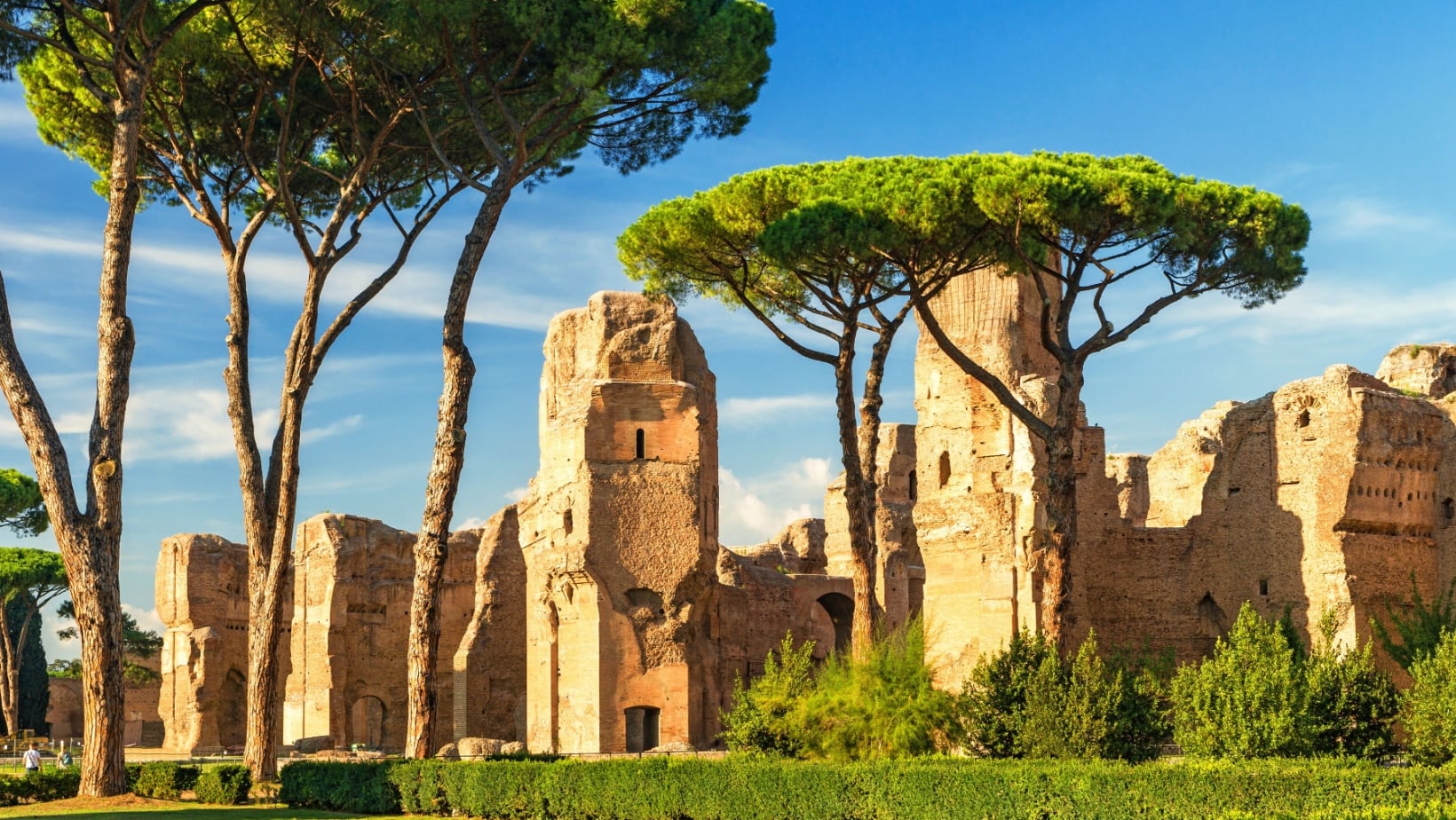
World Archaeology Day is marked by lectures, tours, and workshops around the globe. Local historical societies host open houses. Museums mount special exhibits. Universities invite the public to see labs and artifact collections. These events remind us that archaeology belongs to everyone, not just to scholars or adventurers. It is a collective endeavor to understand our species.
The accessibility of archaeology is perhaps its greatest strength. Whether through a world-famous site like Pompeii or a neighborhood dig in a small town, archaeology connects people across boundaries. The tools may differ, the histories may vary, but the curiosity is universal.
The Takeaway
Archaeology is not confined to distant ruins. It is woven into the fabric of everyday landscapes, quietly shaping how we understand our communities. World Archaeology Day reminds us that the past is never really gone. It lingers beneath our feet, waiting for curious minds and careful hands to bring it back into view. By paying attention to the ordinary as well as the extraordinary, we discover that history is not something we leave behind but something that continues to live with us.
QUESTION FOR READERS: If archaeologists excavated your hometown, what do you think they might find?
More articles:
- 12 Brutal Truths Behind Why America’s Real History Still Gets Denied
- The history of 14 popular English sayings that don’t seem to make sense
- Black History Month is reframing how history is told
How secular history supports the existence of Jesus

Long before modern debates, Roman officials, Jewish scholars, and sharp-tongued critics recorded Jesus as a real man, leaving a paper trail that still anchors the historical record.
Most of us have heard the name Jesus of Nazareth, whether in a church pew, a history classroom, or as a cultural reference that endures. It is easy to think that his existence is purely a matter of religious faith, but if you examine the dusty archives of ancient history, you find something surprising: Jesus is not merely a character in the Bible. There is substantial evidence from non-religious sources that confirms that a man named Jesus walked the dusty roads of first-century Judea. Learn more.
Why Gen Z may be the most unmotivated generation in history

A growing wave of early burnout is reshaping how Gen Z approaches work, challenging old assumptions about motivation and ambition.
It is easy to label Generation Z as “lazy” or “unmotivated” when looking through the lens of traditional milestones, but that assessment misses the forest for the trees. This generation is navigating a number of economic and social challenges that their predecessors did not face at the same age. Learn more.
16 American legends created by marketing, not history

Ever wonder why you give a diamond ring to propose, or why Santa wears a red suit? You might think it’s ancient history, but it’s actually brilliant marketing.
Let’s be real, we’re swimming in a sea of ads. With companies spending billions a year on advertising in the U.S., they’re not just trying to sell you stuff—they’re shaping the very culture we live in. Learn more.





