

In a South African railway station in 1893, a young lawyer named Gandhi was thrown off a train, and the experience would change the course of history.
Mahatma Gandhi is one of the most recognizable figures of the twentieth century. He is remembered as the leader of India’s independence movement and as a global symbol of peace and nonviolence. Yet much of what most people know about him is simplified, polished, or incomplete. Gandhi was a complex person whose life contained contradictions, experiments, and lesser-known moments that shaped his philosophy.
Here are seven things about Gandhi that go beyond the myths and add texture to the man behind the legend.
Gandhi Spent More Than Two Decades in South Africa
Many people think of Gandhi only in the context of India’s independence. In reality, his political awakening began in South Africa, where he lived for more than twenty years. As a young lawyer, he experienced harsh racial discrimination. Once, he was thrown off a train for refusing to move from a whites-only compartment even though he had purchased a valid ticket.
It was in South Africa that Gandhi first organized large-scale campaigns of nonviolent resistance. He fought against laws that restricted the rights of Indian immigrants and experimented with techniques of civil disobedience that he would later apply in India. His years in South Africa were the testing ground that transformed him from a timid lawyer into a bold activist.
He Was Not Always Confident or Outspoken
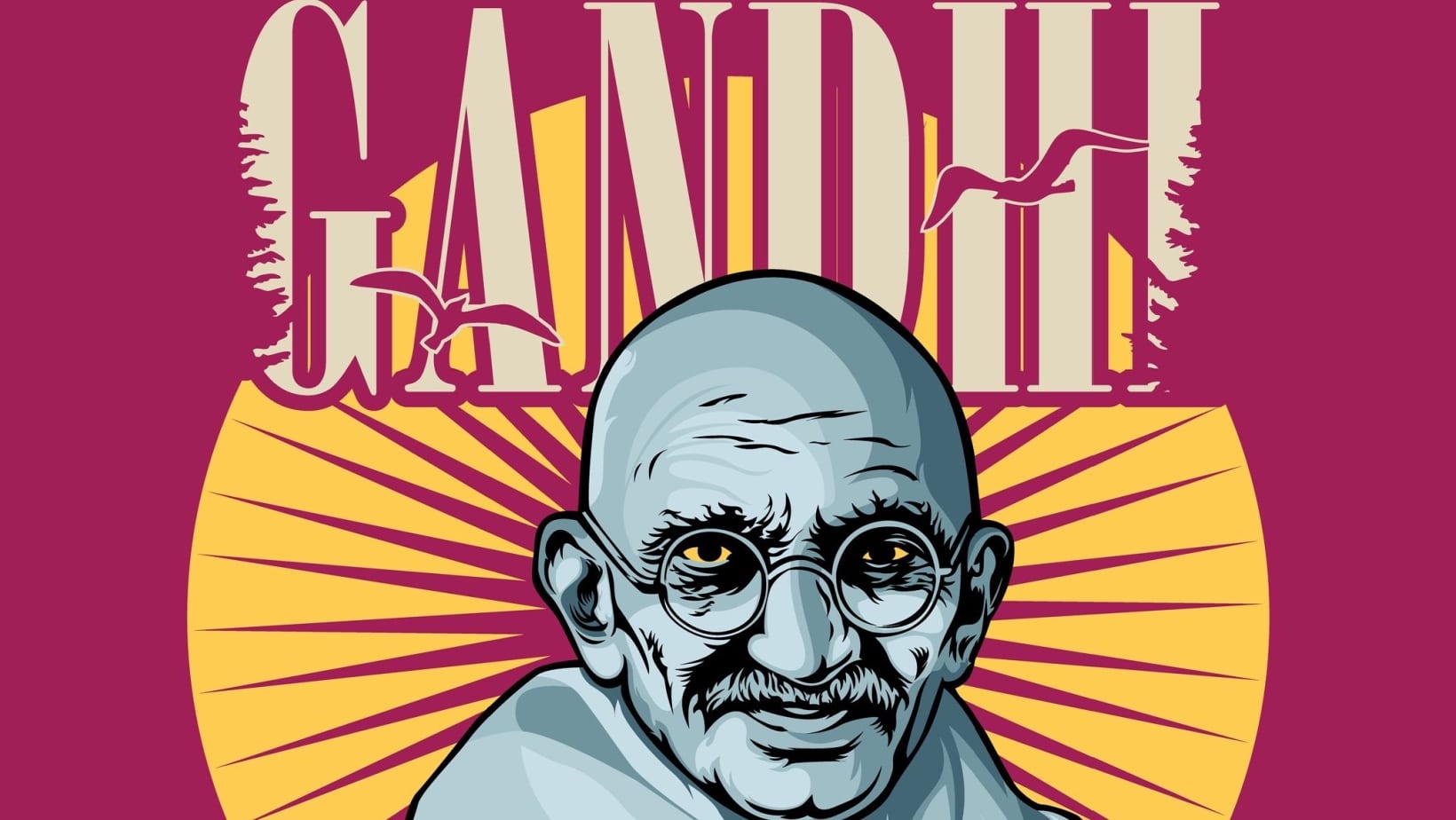
The image of Gandhi as a fearless leader can make it easy to forget that he was once deeply shy. As a boy, he was so nervous about speaking that he often avoided it altogether. Even as a young lawyer in London, he struggled in court because he found it difficult to speak up.
This early insecurity makes his later achievements all the more striking. The transformation from a tongue-tied student into a global orator shows that courage is not always innate. It can be developed through practice, conviction, and experience.
Gandhi Was a Lifelong Experimenter With Food and Health
Gandhi treated his body as a laboratory for testing ideas about diet and discipline. He tried vegetarianism, experimented with raw food diets, and practiced frequent fasting. Some of these fasts were political acts designed to draw attention to injustice, but others were spiritual or health related.
He believed food choices had moral consequences, and he saw self-restraint as key to clarity of mind.
While many of his dietary experiments would raise eyebrows among modern doctors, they reflected his larger belief that personal habits could be acts of moral practice. Today’s interest in plant-based eating, mindful consumption, and intermittent fasting echoes some of his experiments, though his motivations were often more philosophical than nutritional.
He Had a Complicated Relationship With Technology and Modernity
Gandhi is often portrayed as someone who rejected modern life entirely. The spinning wheel and homespun cloth symbolize his embrace of simplicity and his rejection of imported goods. Yet Gandhi was not completely opposed to modern technology.
Save this article
He used trains constantly to travel across India, recognizing their importance in connecting people. He supported appropriate technology that served local communities, even as he warned against industrial systems that he believed encouraged exploitation and alienation. His nuanced view was not about rejecting progress but about asking whether it served humanity rather than enslaving it.
Gandhi Was Not Universally Loved During His Lifetime
Today Gandhi is admired worldwide, but during his lifetime he faced criticism both from the British authorities and from within India itself. British officials viewed him as a troublemaker and sometimes imprisoned him for long stretches. Some Indian leaders thought his insistence on nonviolence was impractical and too slow. Others felt he compromised too much in negotiations.
Even among the public, reactions to his hunger strikes and strict lifestyle could be mixed. Gandhi was not universally popular, and his choices often sparked fierce debate. Remembering this helps us see him not as a saint who was always revered, but as a leader who made difficult decisions and sometimes stood alone.
He Had Global Influence Beyond India
Gandhi’s methods of nonviolent resistance spread far beyond India’s borders. Martin Luther King Jr. studied his work closely and applied his principles in the American civil rights movement. Nelson Mandela cited Gandhi as a major influence in the struggle against apartheid in South Africa. The Dalai Lama has also drawn inspiration from Gandhi’s philosophy of compassion and truth.
This global reach shows that Gandhi’s impact was not limited to the fight for Indian independence. His philosophy created a template for social justice movements worldwide, shaping struggles that continue today.
You may want to read: The Surprising Modern Lessons of Mahatma Gandhi: 10 Ways His Ideas Still Shape Our World
Gandhi Was a Man of Contradictions
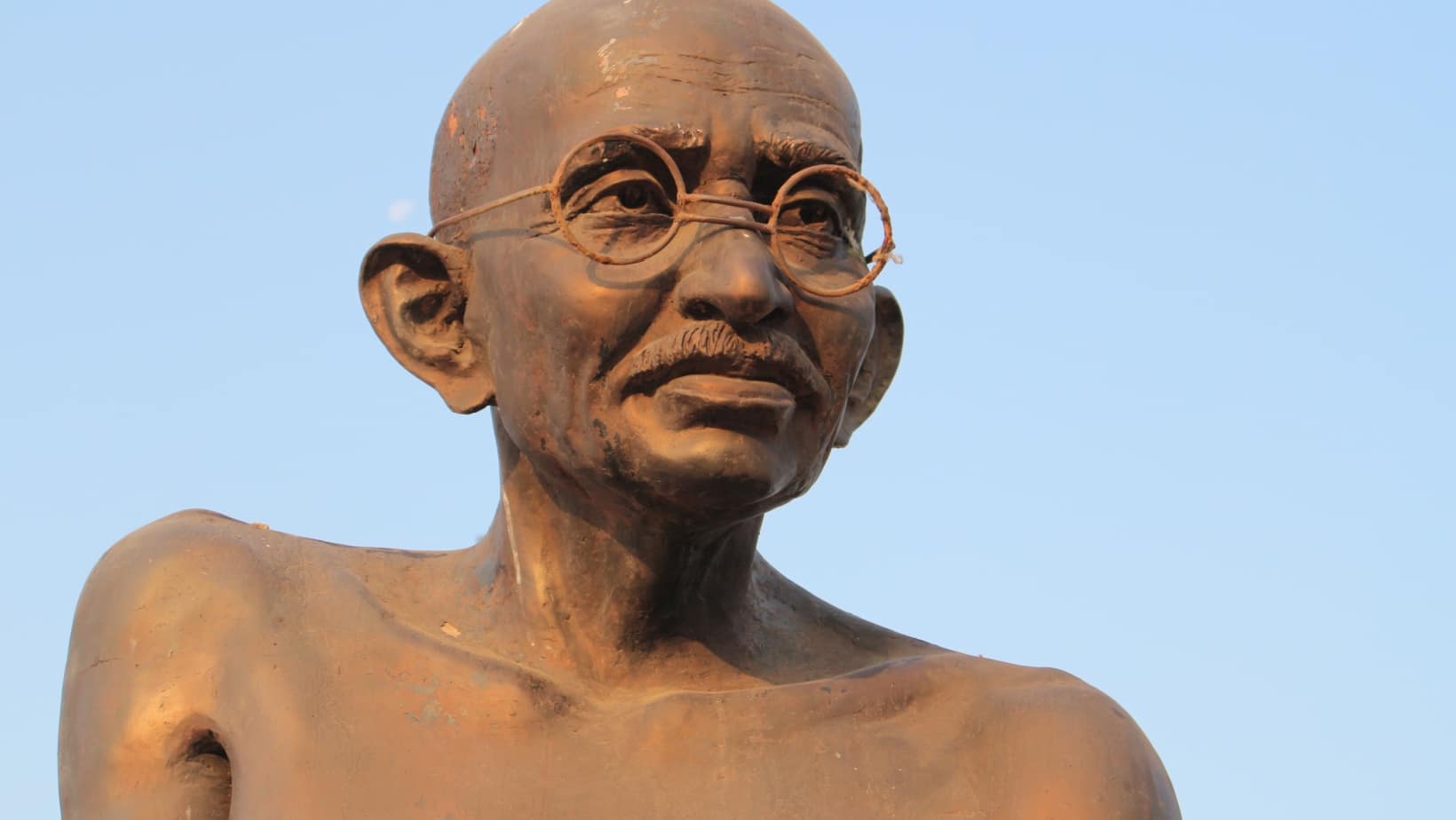
Perhaps the most important thing to know about Gandhi is that he was not a flawless figure. He could be stubborn, difficult, and inconsistent. He preached simplicity but sometimes accepted gifts and support. He championed unity across religions yet struggled to prevent violent divisions. He believed in equality but held views on gender and caste that modern readers may find troubling.
These contradictions do not erase his achievements, but they remind us that he was human. Seeing Gandhi as a complex figure rather than a perfect icon allows us to learn more honestly from his successes and his failures. It also makes his courage more relatable, because he wrestled with doubts and imperfections just as we do.
The Takeaway
Gandhi is often remembered in broad strokes as the gentle father of Indian independence. While that title captures part of his story, it overlooks the struggles, experiments, and contradictions that shaped his life.
He was a man who grew from a shy boy into a bold activist. He learned lessons in South Africa that prepared him for India’s freedom struggle. He experimented with diet and discipline in ways that influenced his philosophy of restraint. He questioned technology, drew admiration and criticism alike, and ultimately inspired leaders around the world.
Understanding these lesser-known aspects of Gandhi’s life does not diminish him. Instead, it deepens his legacy, making him more than an untouchable icon. On his birthday, October 2, or any time we reflect on his contributions, remembering the full, complicated Gandhi helps us appreciate not just the legend, but the man who worked tirelessly to live by his principles.