Believe it or not, eating a wild boar taco or lionfish ceviche could actually help save the planet.
Have you ever looked at your dinner plate and thought, “I wonder if I’m helping the environment with this meal?” Probably not, unless you’re already part of a growing movement that’s tackling ecological problems one bite at a time. Experts are now encouraging people to hunt and eat particular invasive species. It sounds a bit wild. But it’s a serious strategy to help restore balance to our ecosystems.
The idea is simple: if a species doesn’t belong in an area and is causing harm, why not turn it into a food source? This approach, often referred to as “invasivorism,” helps control populations while offering a sustainable and sometimes delicious protein source. It’s a win-win. You get a unique meal, and native wildlife gets a fighting chance. So, which troublemakers are on the menu?
Lionfish (Pterois volitans, Pterois miles)
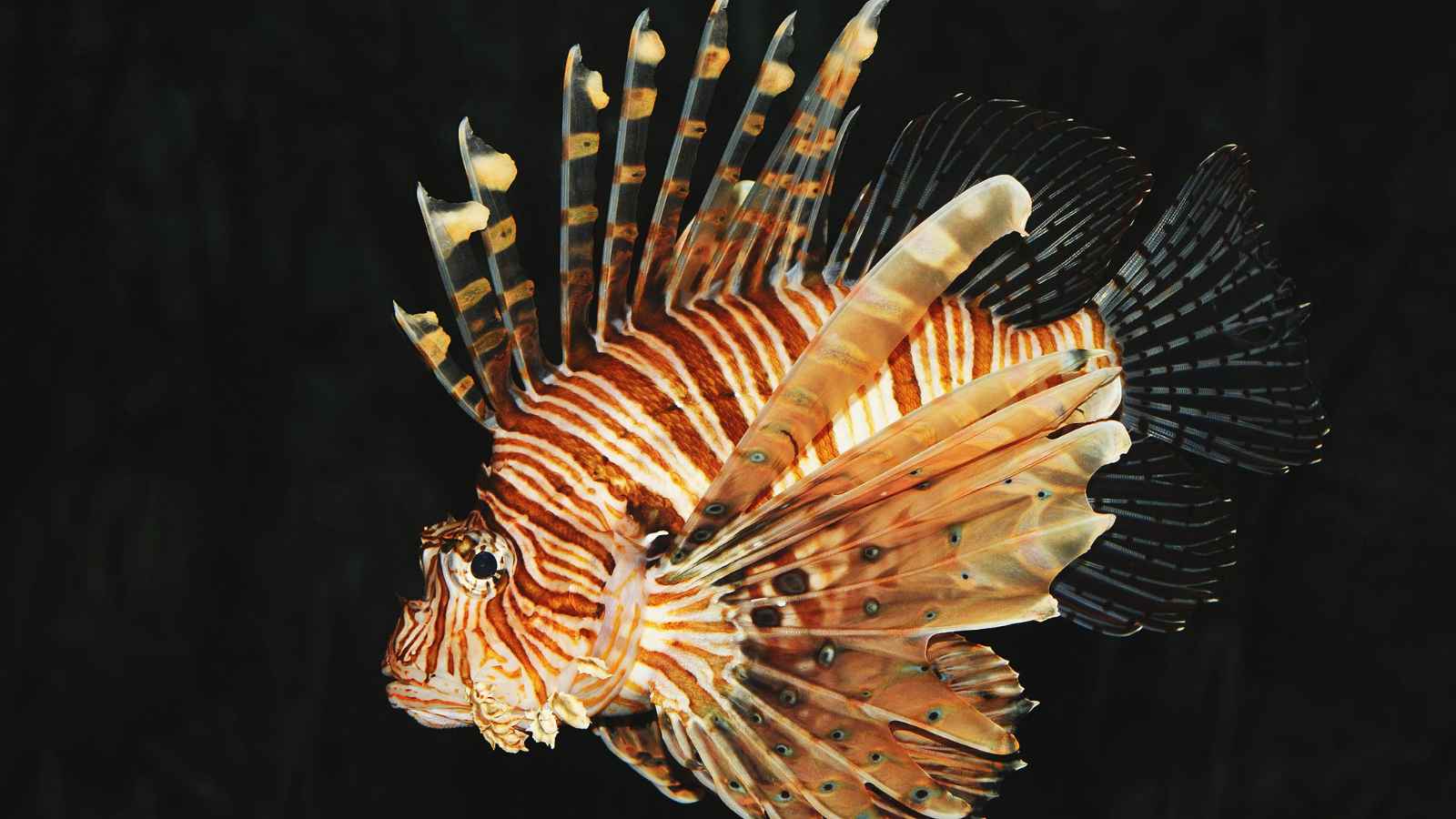
If you’ve ever gone diving, you’ve probably seen a lionfish. They’re beautiful, with their fancy fins and striking stripes. But don’t let their good looks fool you; these fish are menaces in the Atlantic and Caribbean. Originally from the Indo-Pacific, they have very few natural predators in their new homes, allowing their populations to explode and wreak havoc on coral reefs.
Lionfish have a massive appetite, munching on over 70 different species of fish and invertebrates. They’re particularly fond of young snapper and grouper, which are vital for both the ecosystem and commercial fishing. In some areas, the survival rate of native fish has dropped by a shocking 79% after lionfish moved in. To make matters worse, a single female can release up to 40,000 eggs every few days. You can see how this quickly becomes a huge problem.
Nutria (Myocastor coypus)
Meet the nutria, a large, semi-aquatic rodent that looks like a cross between a beaver and a giant rat. Originally brought to the U.S. for their fur, these critters are now found in at least 20 states after escaping or being released into the wild. They’ve become a significant threat to America’s wetlands, causing damage that’s hard to reverse.
Nutria are voracious eaters. They chow down on marsh plants, roots, and all, destabilizing the soil and turning vibrant wetlands into open water. These marshes are essential for flood control and water filtration, as well as providing a habitat for numerous native species. A single nutria can eat up to 25% of its body weight in plants daily. This destructive feeding has forced states to launch eradication campaigns, and eating them is now being pitched as a way to help. IMO, it’s a creative solution to a furry problem.
Asian carp (Bighead, Silver, Grass, and Black carp)
Asian carp are another group of invaders causing big trouble, this time in America’s rivers and lakes. Introduced in the 1970s to control aquatic plants in fish farms, they eventually escaped and have been taking over waterways ever since. These fish are filter-feeders, and they are incredibly efficient at it.
A single silver or bighead carp can consume 5–10% of its body weight in plankton each day. Plankton is the foundation of the aquatic food web, so when carp eat it all, native fish are left with nothing. In parts of the Mississippi and Illinois Rivers, Asian carp make up a staggering 97% of the total fish biomass. If they establish themselves in the Great Lakes, the $7 billion fishing industry there could be at risk. So, fisheries and chefs are now teaming up to get these fish on our plates.
Green iguana (Iguana iguana)
In Florida and parts of the Caribbean, the green iguana has gone from an exotic pet to a destructive pest. These large lizards are herbivores with a big appetite for gardens, ornamental plants, and native vegetation. Their presence is causing headaches for homeowners and serious problems for the local ecosystem.
Besides stripping plants bare, green iguanas dig long burrows that can damage sidewalks, seawalls, and levees, leading to expensive repairs. Their burrows also contribute to erosion, which is a significant issue in coastal areas. To manage their growing numbers, wildlife officials are encouraging people to hunt them. And yes, eat them. Several Florida chefs have started featuring iguana on their menus, marketing it as a “locally harvested” specialty.
Feral hog / Wild boar (Sus scrofa)
Feral hogs are one of the most destructive invasive species in the United States. These animals are relentless, causing an estimated $1.5 billion in damages to crops and property each year. Their rooting and wallowing behaviors tear up farmland, degrade soil quality, and destroy habitats for native wildlife.
These wild pigs are also a public health concern, as they can carry and transmit diseases to both livestock and humans. With their populations growing rapidly, state agencies are encouraging hunting as a key management tool. The meat is very popular, and many chefs and hunters are turning wild boar into sausages, hams, and stews. This “invasive species cuisine” creates a market-based incentive to help control their numbers.
Common carp (Cyprinus carpio)
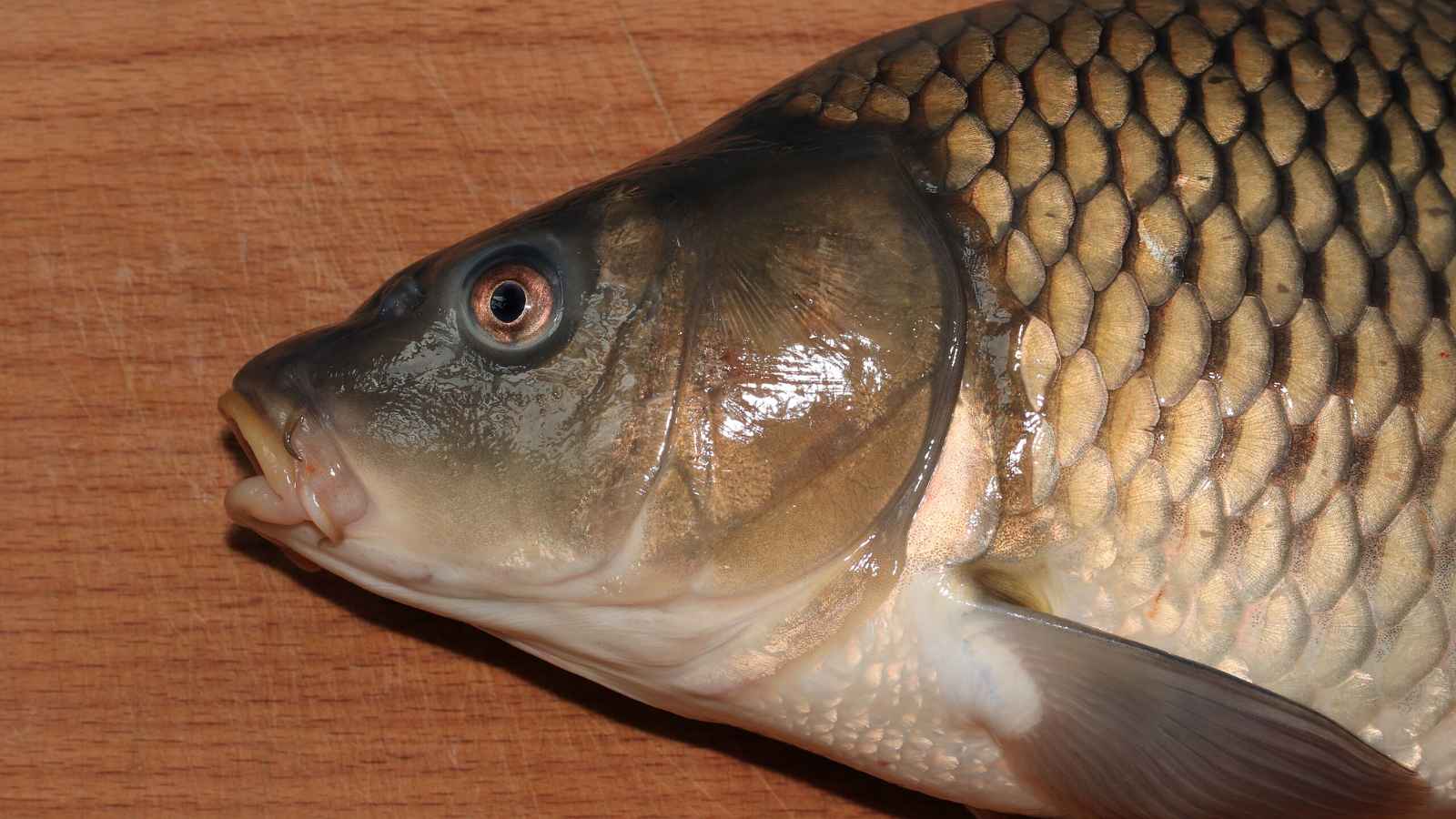
The common carp is one of the world’s most widely introduced fish species, and it has been causing problems in freshwater ecosystems for a considerable time. These fish are bottom-feeders, meaning they stir up sediment as they search for food. This makes the water murky and uproots aquatic plants that native species rely on for habitat and food.
Where common carp populations are high, water quality suffers, and local fisheries often decline. Though carp is a popular food in many parts of the world, it hasn’t caught on in North America. But that might be changing. Sustainability advocates are now promoting wild-caught carp as a tasty and eco-friendly protein source. The idea is to create consumer demand that helps restore balance to our lakes and rivers.
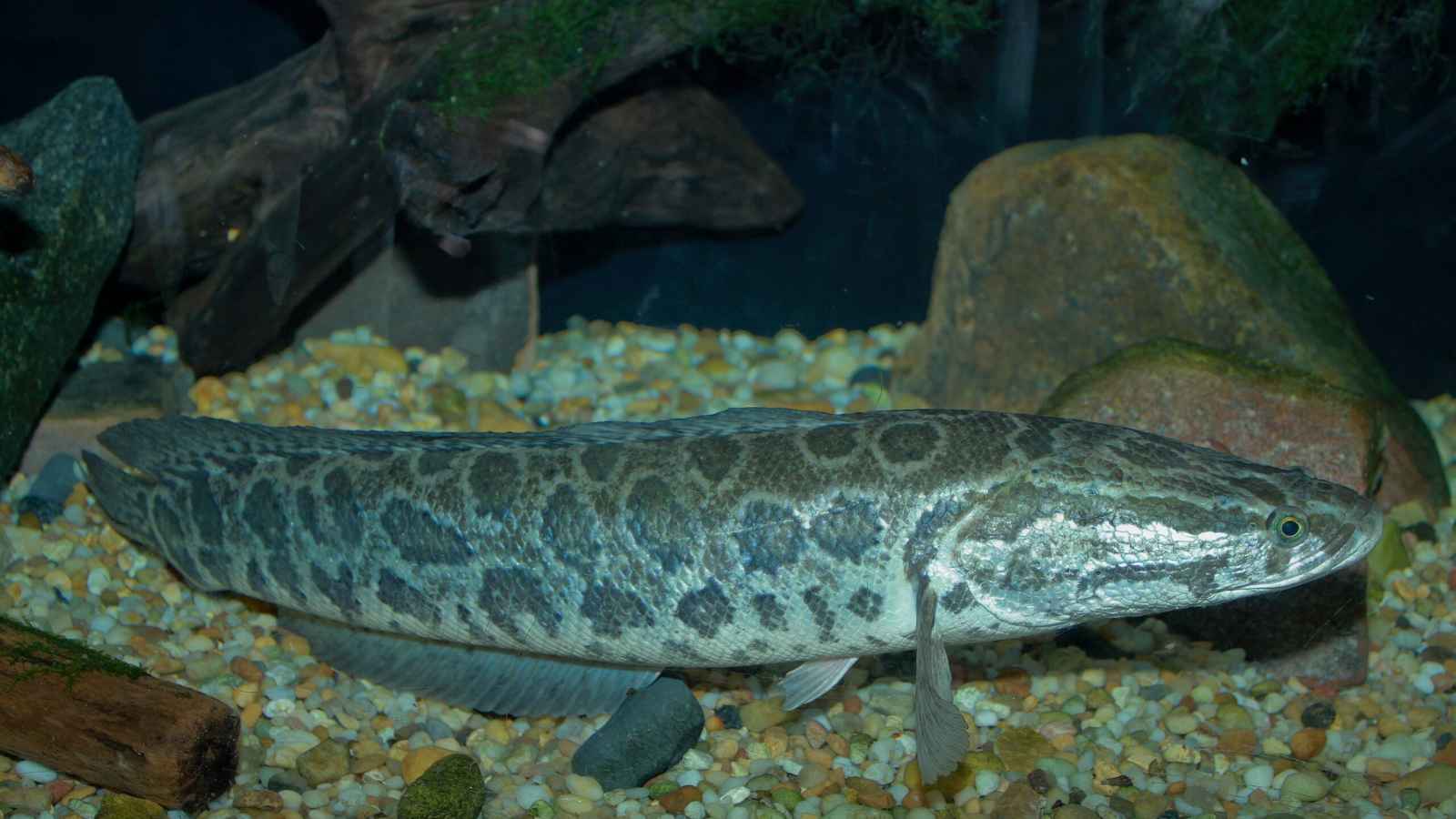
Northern snakehead (Channa argus)
Save this article
The northern snakehead is a predatory fish that looks like something out of a horror movie. Native to East Asia, it has a long, snake-like body and can breathe air, which allows it to survive on land for short periods. This creepy ability enables it to colonize new waterways with ease, posing a significant threat to aquatic ecosystems.
Snakeheads are aggressive predators that feed on native fish and their eggs, quickly disrupting the local food web. Fisheries officials are worried about their spread and are promoting aggressive management strategies, including fishing and eating them. Chefs have started to embrace snakehead, highlighting its firm, white flesh. The hope is that a culinary market will encourage more people to help control their population.
European green crab (Carcinus maenas)
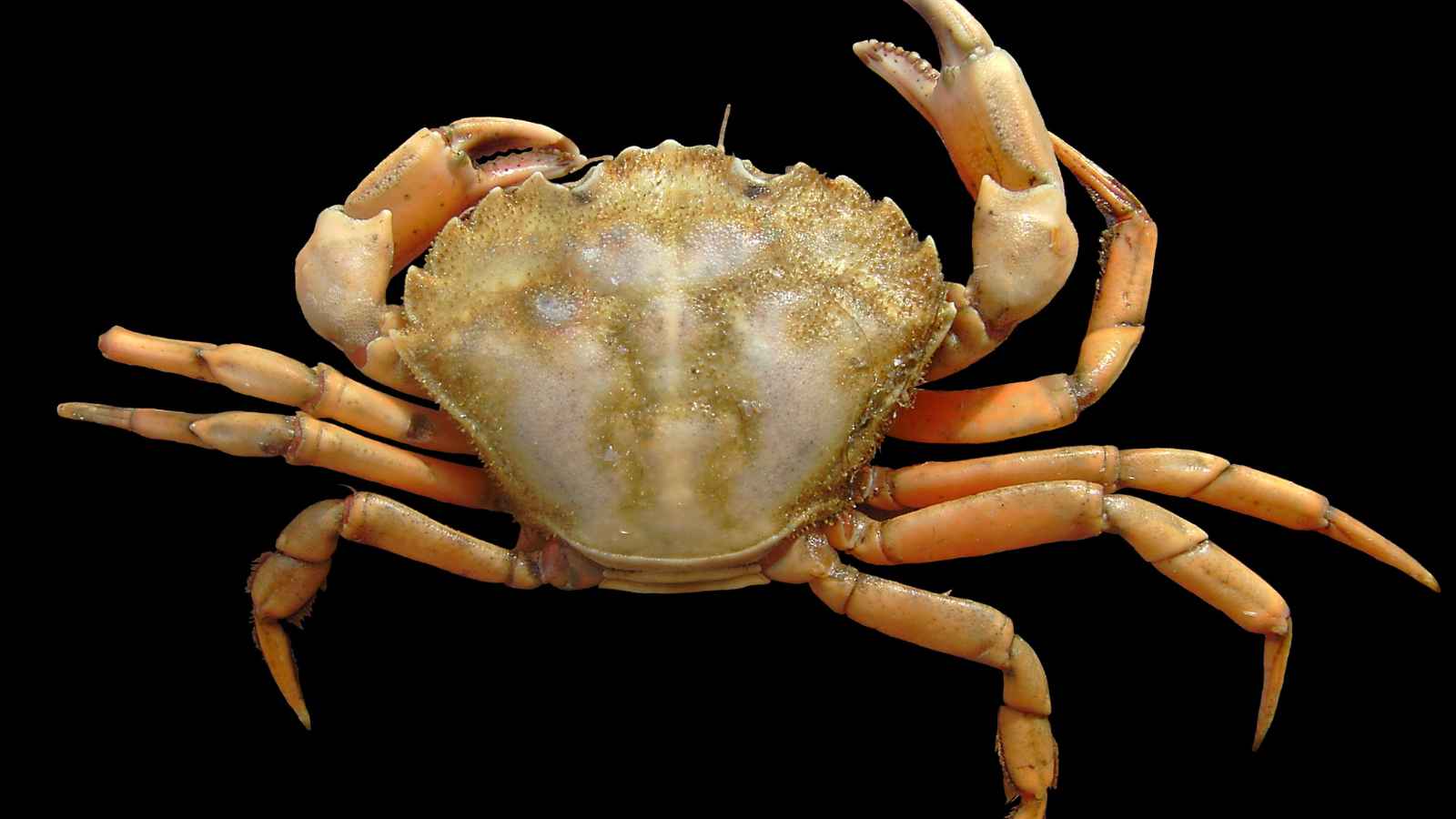
The European green crab is a small but mighty invader, causing significant problems along coastlines worldwide. These crabs are voracious predators, feeding on clams, mussels, oysters, and other shellfish. Their appetite threatens both the ecosystem and the shellfish industry, a vital component of many coastal economies.
Studies have shown that green crab predation can dramatically reduce shellfish harvests. To fight back, innovative projects are promoting the harvesting and culinary use of these crabs. Chefs are finding creative ways to put green crabs on the menu, using everything from bisques to chowders. This turns seafood lovers into partners in coastal restoration, offering a delicious way to combat an invasive species.
How to get involved
So, you’re intrigued by the idea of eating invasive species? That’s great. It’s a practical way to make a positive impact. But before you grab your fishing rod or hunting gear, it’s essential to know how to do it safely and legally.
Safety and preparation
First things first, you need to know how to prepare these species correctly. Some, like lionfish, have venomous spines that require careful removal. Others might carry parasites. Local wildlife agencies and online guides often provide step-by-step instructions for cleaning and preparing wildlife for cooking. A little research goes a long way in ensuring your meal is both safe and tasty.
Legal guidelines
Harvesting laws vary by location. Be sure to check your state’s wildlife and fisheries regulations before heading out. Some areas may require permits, while others might have specific seasons or bag limits. These rules are in place to manage populations effectively and prevent the accidental spread of invasive species, so it’s essential to follow them.
Final thoughts
The “eat the invaders” movement is more than just a quirky food trend. It’s a creative and practical approach to a serious ecological problem. By turning these destructive species into a food source, we can help protect native ecosystems, support local economies, and enjoy some unique and sustainable meals along the way. It’s a powerful reminder that sometimes, the most impactful actions can start right at our dinner table.
Disclaimer – This list is solely the author’s opinion based on research and publicly available information. It is not intended to be professional advice.
How Total Beginners Are Building Wealth Fast in 2025—No Experience Needed

How Total Beginners Are Building Wealth Fast in 2025
I used to think investing was something you did after you were already rich. Like, you needed $10,000 in a suit pocket and a guy named Chad at some fancy firm who knew how to “diversify your portfolio.” Meanwhile, I was just trying to figure out how to stretch $43 to payday.
But a lot has changed. And fast. In 2025, building wealth doesn’t require a finance degree—or even a lot of money. The tools are simpler. The entry points are lower. And believe it or not, total beginners are stacking wins just by starting small and staying consistent.
Click here, and let’s break down how.
12 Kitchen Hacks You May Not Know

12 Kitchen Hacks You May Not Know
Sometimes, preparing meals and dealing with food can feel like a bore and a chore – or just plain frustrating. We’ve got the best food hacks to pass down to you, helping you get in and out of the kitchen quickly. Not more drudgery, and dare we say it, some of these hacks are fun. Save money, too. Win-win!
Do you have a kitchen hack we should be aware of?