Mid-century domestic cooking relied on industrial convenience foods and synthetic shortcuts that sound genuinely bizarre to today’s scratch-cooking generation.
Between 1960 and 1985, family kitchens underwent a massive technological transformation driven by suburban living and commercial food chemistry. According to U.S. Department of Agriculture (USDA) Economic Research Service expenditure data, in 1960, food eaten away from home made up barely 26 percent of household dining budgets, meaning domestic dinner tables hosted almost every single meal.
Recent retrospectives on vintage dining habits reveal that standard household fare from the 1960s through the 1980s celebrated products modern youth would find unrecognizable.
Savory Gelatin Salads and Suspended Aspics
Savory gelatin molds turned family dinner tables into showcases for canned fish, vegetables, and meats suspended in jiggly citrus rings.
Commercial gelatin sales hit historical peaks during the 1960s because manufacturers marketed the powder as an emblem of modern efficiency. Home cooks regularly folded shredded carrots, canned tuna, green olives, and hard-boiled eggs into lime gelatin or savory consommé.
Culinary historians point out that these molded centerpieces symbolized household mastery by turning mismatched pantry leftovers into architectural showstoppers.
Canned Condensed Soups as the Universal Dinner Sauce
Post-war home cooking relied on condensed canned soups as the ultimate shortcut binder for nightly family casseroles.
Throughout the 1960s and 1970s, canned cream of mushroom, celery, and chicken soups served as the base for staples like tuna noodle casserole and chipped beef. Historical market records from the Campbell Soup Company reveal that by 1971, Campbell’s steady growth had pushed the company’s sales past the $1 billion mark, following the successful introduction of its Chunky ready-to-serve soup brand in 1970.
For modern kids accustomed to seasoned scratch sauces, smothering baked noodles in gelatinous, sodium-rich canned cream feels like a relic from another planet.
Related: The Surprising Superfoods That Boost Energy and Mood
Ambrosia Salad and Chemically Engineered Whipped Toppings
Dessert masqueraded as an everyday side dish when fruit, marshmallows, and synthetic whip merged into sweet party bowls.
Introduced in 1966 after corporate food chemist William A. Mitchell formulated it, Cool Whip swiftly replaced dairy cream on supermarket shelves. Ambrosia salad, a fixture of 1970s holiday tables and church buffets, combined this synthetic oil-based whip with canned mandarin oranges, maraschino cherries, and mini marshmallows.
Older generations happily spooned the sugary fluff right beside roast meats, a sweet-savory clash that leaves modern diners scratching their heads.
Save this article
Theatrical Dining and the Communal Fondue Craze
Entertaining in the 1970s transformed living rooms into interactive dinner theatres centered around bubbling communal pots.
Spurred by electric tabletop appliances and trendy lifestyle magazines, fondue sets became the decade’s top-requested wedding gift. Dinner parties turned into casual dining performances, complete with hot cheese cauldrons, boiling oil for skewered beef chunks, and flaming liqueur desserts.
Chef and culinary educator Teja Atkinson explained that the 1970s sparked modern open-kitchen concepts because food preparation became an interactive spectacle right before dinner guests’ eyes.
Overcooked Meats and Boiled Canned Vegetables
Deep-seated food safety anxieties caused generations of cooks to broil pork and beef until completely dry.
Before modern biosecurity standards eradicated livestock parasites, public health warnings urged cooks to heat meats thoroughly to kill pathogens like Trichinella. Federal guidelines historically instructed families to cook pork to 160°F, a strict rule only relaxed to 145°F decades later.
As a result, home cooks routinely served gray, leathery pork chops alongside unseasoned canned green beans simmered into complete mush.
Fast Food Treated as a Rare Family Milestone
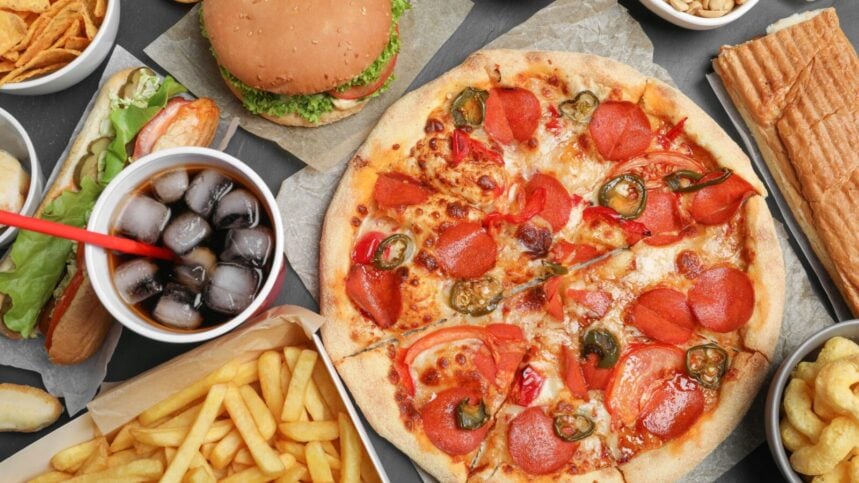
Grabbing a burger at a drive-thru was once an upscale, once-a-month celebration rather than a hasty weeknight default.
Suburban families during the 1960s and 1970s reserved fast-food visits for report card rewards, sports wins, and rare weekend outings. Industry figures show that fast-food chains captured under 15 percent of commercial restaurant sales in 1970, compared to over 40 percent today.
Children dressed up for the privilege of sitting inside the golden arches, treating paper-wrapped burgers and shakes as luxury indulgences.
The Modern Plate: A Cultural Reckoning
The stark contrast between vintage kitchen habits and modern gastronomy reflects a sweeping revolution in culinary values, technology, and health awareness.
Post-war families celebrated synthetic shortcuts because canned goods and gelatin molds reduced domestic labor and preserved food reliably. Today’s younger diners demand scratch cooking, vibrant global spice profiles, and farm-fresh ingredients that make mid-century casseroles seem baffling.
Which forgotten dining habit from past decades would prove hardest for modern palates to stomach?