“Just add water” used to sound less like a culinary promise than an admission of defeat.
Now instant food is being redesigned for people who want lunch between meetings, coffee on a plane or dinner in a hotel room without feeling as though they have settled for the cheapest possible option. Premium ramen, portable matcha, pour-over coffee sticks, globally inspired bowls and shelf-stable meals are turning convenience itself into a food trend.
Whole Foods Market called it “Instant Reimagined” in its 2026 trend forecast, pointing specifically to social media’s role in making desk-drawer ramen and travel-ready drinks aspirational.
The interesting part is not that instant food suddenly exists. It is that consumers increasingly expect speed, quality and even a little luxury from the same package.
Convenience is no longer something consumers want to apologize for
For decades, convenience foods were often framed as the opposite of “real” cooking. A serious food person cooked from scratch; an instant meal was what happened when there was no time.
Modern life makes that distinction harder to sustain. Hybrid work, commuting, travel, caregiving and unpredictable schedules all create moments when a meal that takes seconds to prepare is genuinely useful.
FoodNavigator reported in August that startups are using approaches including freeze-drying, premium ingredients and more thoughtful formats to challenge the idea that instant food must sacrifice taste or nutritional quality.
The new pitch is not simply “this is fast.” It is “this is fast without feeling like a compromise.”
Social media turned the desk drawer into a tiny kitchen
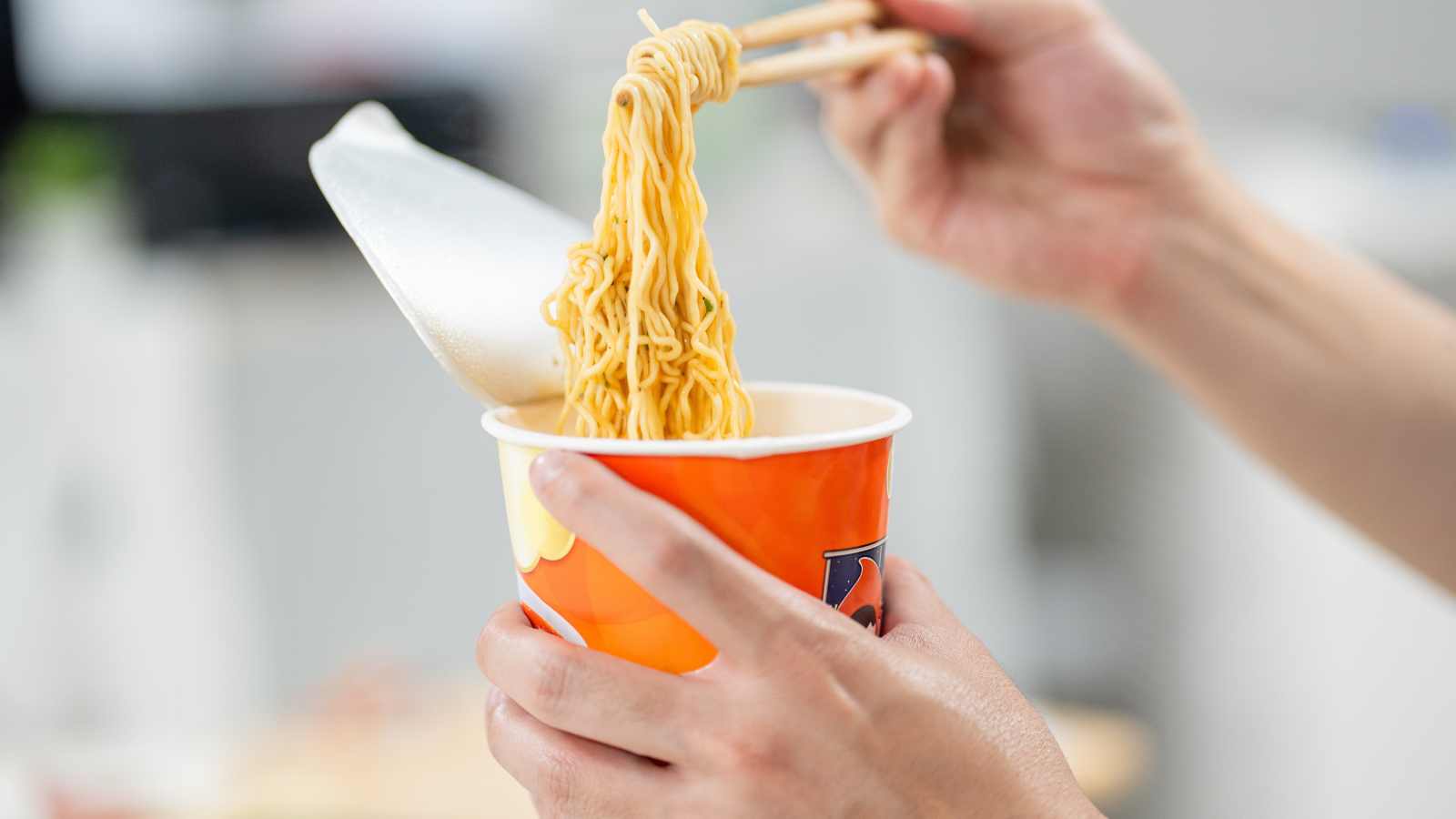
TikTok and Instagram helped make instant foods customizable. A plain cup of noodles becomes a base for chili crisp, vegetables, an egg or leftover chicken. Coffee concentrates and matcha sticks become travel rituals rather than emergency caffeine.
Customization changes the psychology of convenience food. The consumer is still doing something—assembling, adding, finishing—even when the manufacturer has handled most of the work.
The viral version of instant food lets people have both convenience and the feeling that they made the meal their own.
Premium does not automatically mean nutritious
An upgraded ingredient list can improve an instant meal, but words such as premium, chef-inspired and artisanal are not standardized measures of nutritional quality.
Save this article
Some instant meals can be high in sodium, while others may be low in vegetables or fiber. The useful move is to look beyond the packaging: Check sodium, added sugars, fiber and the actual ingredients, then consider what you can add.
Convenience is a format, not a nutritional category; an instant meal can be balanced or not, depending on what is actually in it.
The economics may be part of the appeal
Restaurant meals have become expensive enough that “better than basic, cheaper than takeout” occupies an attractive middle ground.
A premium instant meal may feel extravagant next to old-school ramen but inexpensive compared with delivery once fees and tips are added. That creates room for companies to sell higher-quality convenience foods without competing solely on price.
For consumers squeezed between limited time and higher restaurant prices, premium convenience food can feel like an affordable luxury.
Final word
The comeback of instant food is really a change in expectations. Consumers are no longer willing to accept that saving time must automatically mean accepting bland food or an unappealing meal.
That does not make every trendy cup, packet or bowl a nutritional upgrade. But it does make the category more interesting—and potentially more useful.
The future of convenience food may not be food that replaces cooking. It may be food that helps people eat reasonably well on the days when cooking was never going to happen.
What is the one instant food you always keep around for days when you have no time to cook?