
Every spoonful of added sugar you eat, I notice.
I don’t complain right away. I quietly work harder. I release more insulin. I tuck away a little more fat. I ask your liver to process another wave of sugar while your pancreas keeps trying to keep everything under control.
Day after day, the workload builds. But here’s the encouraging part: when you finally give me a break, I notice that, too. Within weeks, I can begin storing less fat, responding better to insulin, and managing your energy more efficiently. The bigger your sugar habit was to begin with, the bigger the potential payoff.
Here’s what can start happening inside your body during 30 days with less added sugar.
My daily load
I see you reaching for packaged snacks and ready-to-eat meals. Right now, almost 60% of the calories you consume come from ultra-processed foods—and nearly 90% of the added sugar I have to handle comes from them. No wonder so many of you breeze past the “less than 10% of calories from added sugar” guideline without even noticing.
Every teaspoon is a small hit: your liver ramps up fat production, your triglycerides rise, your insulin works overtime, and over time, that stress can turn into type 2 diabetes, heart disease, fatty liver, and even some cancers.
Population-level models show that if people cut their added sugar by just 20%, I could ease up on all that work. Rates of obesity, fatty liver, diabetes, and coronary heart disease could fall. Even a month of sugar reduction matters if you stick with it.
How I respond in weeks
I’m surprisingly fast. In a 2023 trial with Latino teens struggling with obesity, reducing sugar to under 10% of calories improved their beta-cell function and lowered triglycerides, meaning I could handle insulin better without needing dramatic weight loss.
Adults on a four-week low-sugar diet—cutting roughly 22 grams a day and 216 calories—lost about 1.6 kg of weight, trimmed total and visceral fat, and even slightly increased muscle mass. And when you cut sugar at breakfast, I notice appetite and energy balance shift across the day.
My liver speaks
Your liver is particularly sensitive. Teens with nonalcoholic fatty liver disease (NAFLD) who dropped sugar from 13% to 1–2% of calories reduced liver fat by about 7% in eight weeks, and de novo lipogenesis—the fat-making process—fell 10%. Fasting insulin, glucose, triglycerides, LDL cholesterol, and liver enzymes improved too.
Another study in boys with NAFLD saw liver fat drop 31% over eight weeks on a low-sugar diet, while peers on their usual diets saw no change. Even nine-day swaps of sugary foods for starches showed liver fat falling by over 20% in high-risk groups. I adapt quickly when sugar intake drops.
Fat, weight, and shape
Cutting sugar helps me manage your body composition. In the four-week trial, participants lost 1.6 kg, reduced visceral fat, and maintained or even gained muscle. Swap sugary drinks for low- or no-calorie alternatives, and I see meaningful drops in body weight over time. A 20% population-level sugar cut could shift average obesity rates noticeably.
Blood sugar, insulin, and diabetes
Even without major weight loss, lowering sugar often improves insulin sensitivity and drops triglycerides—early warnings for diabetes and heart disease. In youth with obesity or NAFLD, beta-cell function improves and insulin strain eases in just weeks. Excess fructose drives liver fat and worsens insulin resistance, so when sugar is high, I’m constantly under stress.
Heart and blood fats
Sugar, especially from beverages, raises risks of coronary heart disease, stroke, and high blood pressure. Cut me some slack by swapping sugar or even switching to maple syrup in the same calorie range, and triglycerides drop, sometimes blood pressure too.
Over weeks to months, fasting triglycerides fall, and HDL function can improve—especially if I started stressed with high blood fats.
Gut, cravings, and appetite
I notice when you train your taste buds on sugar. High-sugar breakfasts and snacks spike reward pathways and leave you chasing sweetness. But cut sugar for a few weeks, and normal foods taste sweeter. Hunger cues stabilize, total calorie intake falls, and you naturally drop 200+ calories per day without thinking about it.
Save this article
Mood, energy, and brain
I feel it when sugar spikes and crashes. Those highs and lows affect energy and sometimes mood. Short-term withdrawal might make you irritable, but over weeks, energy steadies, crashes fade, and some studies suggest cognitive benefits too.
The bigger picture
Sugar intake may be falling slightly in the U.S., but hidden sugars in packaged foods keep me busy. Ultra-processed foods supply nearly 90% of added sugars, and in heavy consumers, over 80% exceed the 10% daily guideline. High sugar carries economic costs too, driving policy debates on taxes, labeling, and reformulation.
A few warnings from me
I’ll adapt, but I have limits. If you replace sugar with refined carbs, I still get stressed. Fiber, protein, and healthy fats are what help me stabilize your blood sugar and fat storage. And while 30 days is enough to see changes, the longer you keep sugar in check, the more dramatic the benefits.
I’m your metabolic partner. Treat me to less added sugar, and I’ll reward you with lower liver fat, steadier insulin, calmer cravings, and more balanced energy. Ignore me, and I’ll keep sending signals—fatty liver, high triglycerides, insulin resistance—until you finally listen.
More articles:
- Common spices linked to colon cancer prevention
- Potato chips may be linked to higher colon cancer risk, here’s why
- 13 Superfoods for Digestive Health You Can’t Ignore
15 foods centenarians eat to live to 100
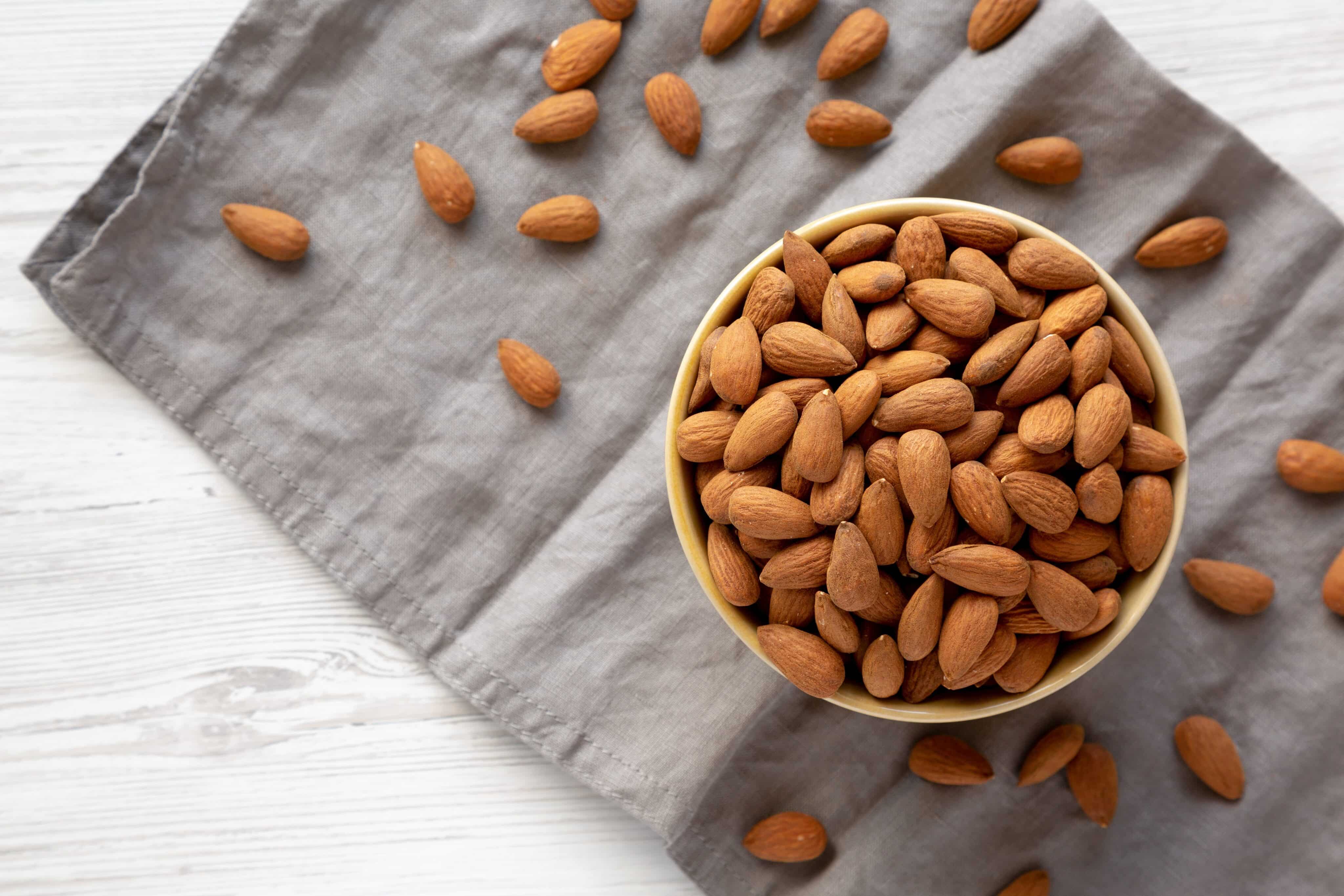
Living to 100 is less about rare genes and more about the everyday foods quietly shaping your health right now.
Reaching the age of 100 might seem like winning a genetic lottery to many people, but research suggests your grocery list plays a massive role. Those vibrant communities known as Blue Zones, where people frequently live past a century, rely heavily on what they put on their dinner plates. We have compiled a list of specific ingredients that act as fuel for a long, healthy life, without needing a magic potion. Learn more
10 foods with more blood pressure benefits than beets
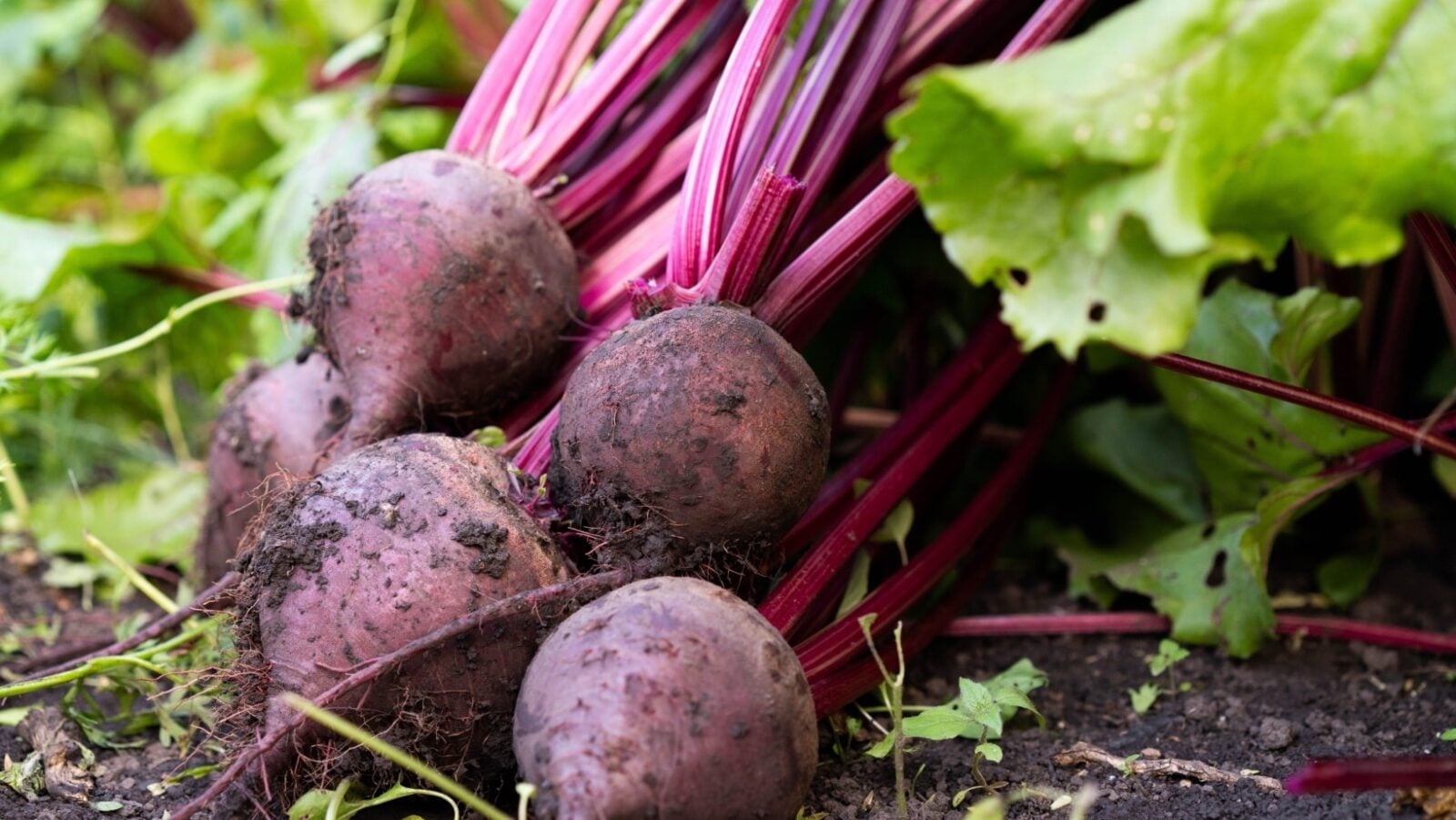
Beets get all the credit for lowering blood pressure, but they’re far from the best option.
We have all heard the hype about beet juice being the miracle elixir for hypertension, and the science technically supports it. However, relying solely on beets is like patching a tire with duct tape because the effects are incredibly temporary and often vanish within a single day. While beets can offer a quick fix, they do not provide the sustainable, long-term support your cardiovascular system needs to stay stable. Learn more.
15 eating habits that can help improve hormone balance after 45

Hormones often feel like the wild card of midlife. In women past 45, hormone levels begin to fluctuate and can have an impact on things as varied as mood and metabolism. Do you know that the World Health Organization says most women experience menopause between the ages of 45 and 55 years?
This normal change reduces the amount of estrogen in your body and alters your physiology. It is estimated that approximately ¾ of women experience menopausal symptoms connected to the hormonal fluctuations that affect energy levels and weight. Learn more.





