

You love your peaceful space, but when things go wrong, having these 12 key items will make all the difference.
Living alone can feel wonderfully peaceful until the power goes out, something breaks, or you catch the flu with no one else around. That is when you realize your apartment is less “cozy retreat” and more “I hope I have batteries.” Having a few key items on hand makes those moments less scary and more manageable.
You do not need a bunker or a giant budget, just smart basics that cover safety, comfort, and small emergencies. Think of it as building a toolkit so that you are not scrambling at 11 p.m. in pajama pants.
Working Smoke And Carbon Monoxide Alarms
If you live alone, you are the entire fire-watch team. Smoke and carbon monoxide alarms are your first line of defense while you sleep, cook, or binge-watch TV. Test them monthly and swap batteries on a schedule, not just when they start chirping.
Fire data shows just how big a difference working alarms make. An NFPA analysis found that the risk of dying in a reported home structure fire is 54 percent lower in homes with working smoke alarms than in homes with no alarms or nonworking alarms. A few 9-volt batteries can literally be the cheapest life insurance you ever buy.
Basic Emergency Kit With Water And Food
When you live alone, you cannot assume someone else stocked up “just in case.” A simple emergency kit with water, shelf-stable food, a flashlight, and a small radio can get you through storms and short-term disasters. Store it where you can grab it quickly, not buried behind holiday decorations.
Public health guidance is clear on water, especially for solo households. CDC-based recommendations state that each person should have at least 1 gallon of water stored per day, with a minimum of 3 days’ supply and, if possible, a goal of 2 weeks, with half for drinking and half for basic hygiene. Having those gallons ready means you do not have to wrestle crowds at the store when something hits the news.
Reliable Flashlights And A Power-Out Plan
Power outages feel different when you cannot yell, “Hey, where did we put the candles?” at a roommate. Keep at least one bright flashlight and spare batteries where you can find them in the dark, ideally near your bed and your front door. A small battery-powered or crank radio is a smart backup, too.
The American Red Cross explicitly warns against relying on candles during outages because of the fire risk and instead lists flashlights, a battery-powered or hand-crank radio, and extra batteries as core items on its power-outage checklist. A good flashlight turns a blackout from a panic moment into an inconvenience you can handle.
First Aid Kit And Basic Medicines
When you slice a finger or wake up with a pounding headache, there is no one else to run to the pharmacy. A stocked first aid kit plus staple meds like pain relievers, allergy pills, cold medicine, and stomach remedies can make minor issues a non-event. Check expiration dates twice a year.
Emergency preparedness campaigns consistently highlight first-aid supplies and a several-day supply of medication as core items, especially for people who live alone or have chronic conditions. That small plastic box under your sink might be the difference between “I fixed it” and “I guess I need urgent care.” Treat your first aid kit like a tiny health clinic you can access at any hour.
Emergency Cash Stash
Digital payments are great until an outage or card issue makes them useless. Keeping a small amount of hidden cash at home, even $100 to $300, can help you pay for food, gas, or a rideshare if systems go down. Store it somewhere discreet but easy to remember.
Recent surveys highlight how fragile many budgets are. A Bankrate poll reported that only 47 percent of Americans would use savings to cover a 1,000 dollar emergency. Having a little cash at home does not replace a full emergency fund but it can keep a rough day from becoming a credit-card crisis.
A Small But Real Tool Kit
Living alone means you are now “building maintenance.” A basic toolkit with a hammer, screwdrivers, pliers, a tape measure, a flashlight, and a level can handle most minor fixes and furniture assembly. Add a sturdy step stool so you do not have to climb on chairs.
DIY experts often note that even renters save money with a simple tool set, since calling a handyman for every wobbly shelf or loose screw adds up quickly. A 20 or 30-dollar starter kit from a hardware store can pay for itself the first time you fix something without scheduling a visit. You do not have to be a pro; you just need the right tools within arm’s reach.
Laundry Supplies And Cleaning Basics
Nobody is going to magically pick your socks up off the floor now. Stocking laundry detergent, stain remover, trash bags, multi-surface cleaner, dish soap, and a few microfiber cloths keeps your place livable without heroic effort. A small vacuum or broom-and-dustpan combo is worth every penny.
Falls are a serious issue, especially as people age, and your home setup matters. One nationwide analysis found that among adults 65 and older who went to the ER for a fall, roughly 75 to 84 percent of those falls happened at home, not out in public. Keeping walkways clear and floors clean is less about perfection and more about reducing trip hazards when you are the only one around to help yourself.
A Basic Cooking Setup
Takeout is fun until your budget groans and your body begs for something green. A few reliable kitchen staples, like a decent skillet, pot, cutting board, knife, and baking sheet, let you cook simple meals without a drawer full of gadgets. Add salt, pepper, oil, and a couple of favorite seasonings, and you are in business.
Research from the University of Washington found that people who cooked dinner at home 6 or more times a week scored higher on the Healthy Eating Index than those who cooked 3 times a week, yet their overall monthly food costs were not higher. That means a basic cooking setup can help you eat healthier without automatically spending more.
Save this article
Comfort Items That Make Home Feel Like Home
Finally, some essentials are about your mental health as much as your physical safety. A cozy blanket, a lamp you actually like, a plant, or framed photos can keep loneliness from creeping in on quiet nights. Living alone should feel like freedom, not punishment.
The U.S. Surgeon General has called loneliness a public health concern, and mental-health experts note that people who live alone face higher risks of isolation and depression without strong social ties. One review pointed out that men who live alone have roughly double the suicide risk of men who live with others. Building a space that feels warm and connected to your life is a small but meaningful buffer against that kind of isolation.
A Simple System For Contacts And Info
If something goes wrong, will you remember your doctor’s phone number or your landlord’s office line without your phone contacts? Keeping a written list of key numbers and basic info in one spot, like on the fridge or inside a cabinet door, is an easy backup. Include a local friend or family member as your main emergency contact.
Emergency planners repeatedly stress that having information available in multiple forms speeds up responses in a crisis. You do not have to memorize everything; you just need a paper safety net. Think of it as your “phone lost or broken” plan.
Phone Chargers And Backup Power
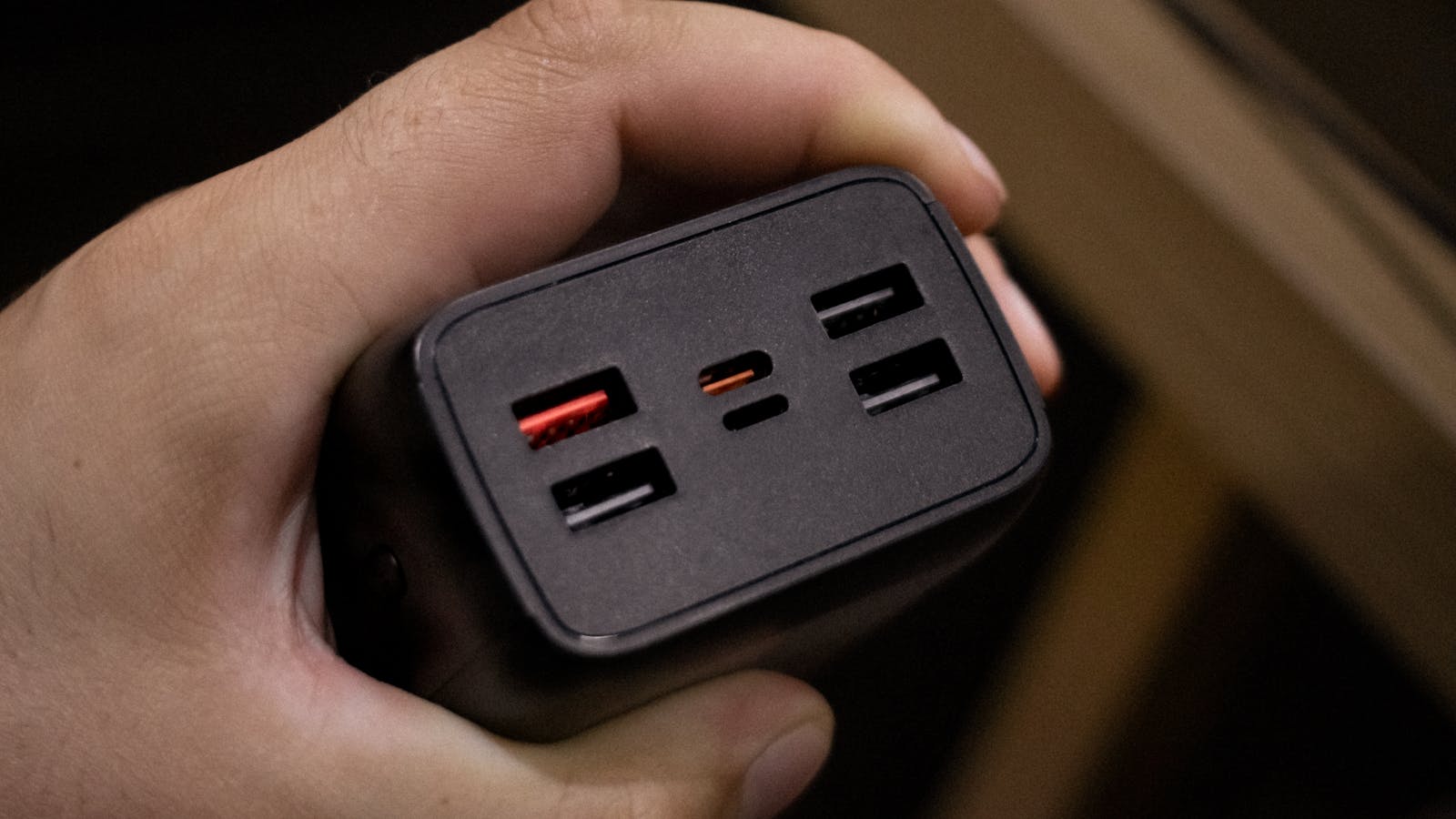
Your phone is now your lifeline, alarm clock, map, and emergency contact list. Keep extra chargers in a couple of spots around your place and consider a small power bank in case an outage hits when your battery is already low. Label cords so you are not constantly “borrowing” from room to room.
Preparedness checklists from groups like the Red Cross emphasize having a way to keep phones charged so you can get alerts and call for help during storms and outages. You do not need a huge generator; just enough backup to keep you connected for a day or two. A dead phone is one problem you can easily prevent with a few extra cords.
A Go-Bag With Copies Of Important Documents
If you ever have to leave quickly for a storm, fire, or family emergency, you will not want to be scrambling for your passport or insurance papers. A small backpack with photocopies of IDs, key phone numbers, basic toiletries, a spare charger, and a change of clothes can save time and stress. Keep it by the door or in a closet you can reach fast.
Disaster-preparedness guides often describe this as a “go-bag” and recommend that everyone, especially people who live alone, have at least a three-day set of essentials ready. It is one of those things you hope you never need, but feel grateful for the moment you do. Future you will be very happy, past you packed it on a calm weekend.
Key Takeaway
Living alone does not have to mean living on the edge of panic every time the lights flicker or you feel a little off. With basics like alarms, water, a first-aid kit, tools, cash, and a few comfort items in place, your home becomes a safe base rather than a question mark. A few thoughtful purchases now can turn “I hope I am okay” into “I have what I need, and I can handle this.”
More articles:
- Live alone? These 10 safety tips could save your life
- 10 common 1960s food-handling habits that break today’s safety rules
- 7 expiration date myths that food safety specialists say are misleading
Disclosure: This article was developed with the assistance of AI and was subsequently reviewed, revised, and approved by our editorial team.
Like our content? Be sure to follow us on Newsbreak.
12 Urgent Reasons Every Home Needs an Emergency Cash Stash

With millions unprepared for even a $400 emergency, financial experts warn that old-school cash at home is becoming essential again.
A power outage doesn’t care that your money is digital. When a tow truck, urgent-care desk, or gas station needs payment, you can’t always wait for an app, a password reset, or a slow bank transfer. Learn more.
10 home smells triggering your brain fog, headaches, and fatigue

Sometimes the reason you feel so drained at home is not stress or age at all, but what you are breathing in every day.
Feeling wiped out or headachy at home is easy to blame on age or stress, but certain everyday smells in your house can quietly wear you down too. For many changing what they breathe inside four walls is just as important as changing what they eat or how they move. Indoor air is a mix of invisible chemicals, lingering odors, and tiny particles that your brain and nervous system have to process all day long, and that constant background “noise” can show up as headaches, brain fog, and stubborn fatigue. Learn more.