

There is a meal that generations of American families built from potatoes, onions, and a package of hot dogs, nothing more, and called it dinner. Poor man’s meal does not look like much in a skillet, but the dish has been making the rounds on the web lately, and not entirely for irony.
It reflects a larger return to the Depression-era way of thinking about food: not as a collection of strict recipes, but as a way to make something satisfying from whatever was available.
The Great Depression changed the American dinner table. Jobs disappeared, grocery budgets tightened, and families had to rethink how far a meal could go. World War II rationing later brought new restrictions, with less meat, butter, and sugar available.
Those pressures gave rise to dishes designed for uncertainty: inexpensive, adaptable, and filling. Many began as necessity cooking, but they survived because families kept making them long after the hardest years had passed.
Not Recipes, A Survival System
Depression-era cooks learned quickly that a pot of chili or a burger patty could feed more people than the meat alone would suggest.
At chili parlors selling bowls for five to ten cents, ground beef was rarely served alone. Oatmeal and barley helped stretch the mixture by absorbing liquid, adding bulk, and creating a texture that made the dish feel more substantial. As household budgets tightened, beans became an even bigger part of the equation because they were affordable, filling, and could carry a meal on their own.
The slugburger took that same idea and turned it into one of the more memorable names in American food history. “Slug” was reportedly Depression-era slang for a nickel, which was the sandwich’s original price. The patty combined beef or pork with ingredients such as breadcrumbs, soy, or potato flour, then fried it and served it on a bun. In parts of Mississippi and the broader South, it became a regional favorite that still appears on diner menus.
Oklahoma onion burgers followed a different path. At Hamburger Inn in El Reno, cooks pressed thin-sliced onions directly into the beef while it cooked. The onions softened, caramelized, and became part of the patty, letting a smaller amount of meat go further while adding flavor.
Meatloaf used similar logic: ground beef combined with breadcrumbs and eggs created a larger, more filling dish. Beef prices rose 138% between the 1950s and 1980s, and when General Mills introduced Hamburger Helper in 1971, it packaged that same stretching strategy for modern kitchens.
One Pot, Whatever You Have
Hoover stew had no fixed recipe because the whole point was that it didn’t need one.
Named pointedly after President Herbert Hoover, Hoover stew changed depending on what a household had available. A typical version might include elbow macaroni, canned tomatoes, beans, corn, and chopped hot dogs, but no one required an ingredient list. A garden harvest, leftovers, or whatever was on sale could all find their way into the pot.
Other dishes carried the same spirit. Cabbage and noodles, also called haluski, came to the United States through Eastern European immigrants and fit naturally into Depression-era kitchens.
A simple combination of cabbage, egg noodles, and butter could feed a family at very little cost. Cornbread played a similar role in Southern and Appalachian households because cornmeal was inexpensive, accessible, and could make a modest meal more satisfying.
Minnesota hotdish appeared in the 1930s, became more common during the war years, and later incorporated tater tots after they were introduced in the 1950s. Utah funeral potatoes, a cheesy casserole associated with Mormon communities, became especially practical during World War II because the ingredients stored well and avoided many rationing challenges.
Save this article
Related: The Boomer Food Traditions That Still Bring People to the Table
Baking Without the Usual Ingredients
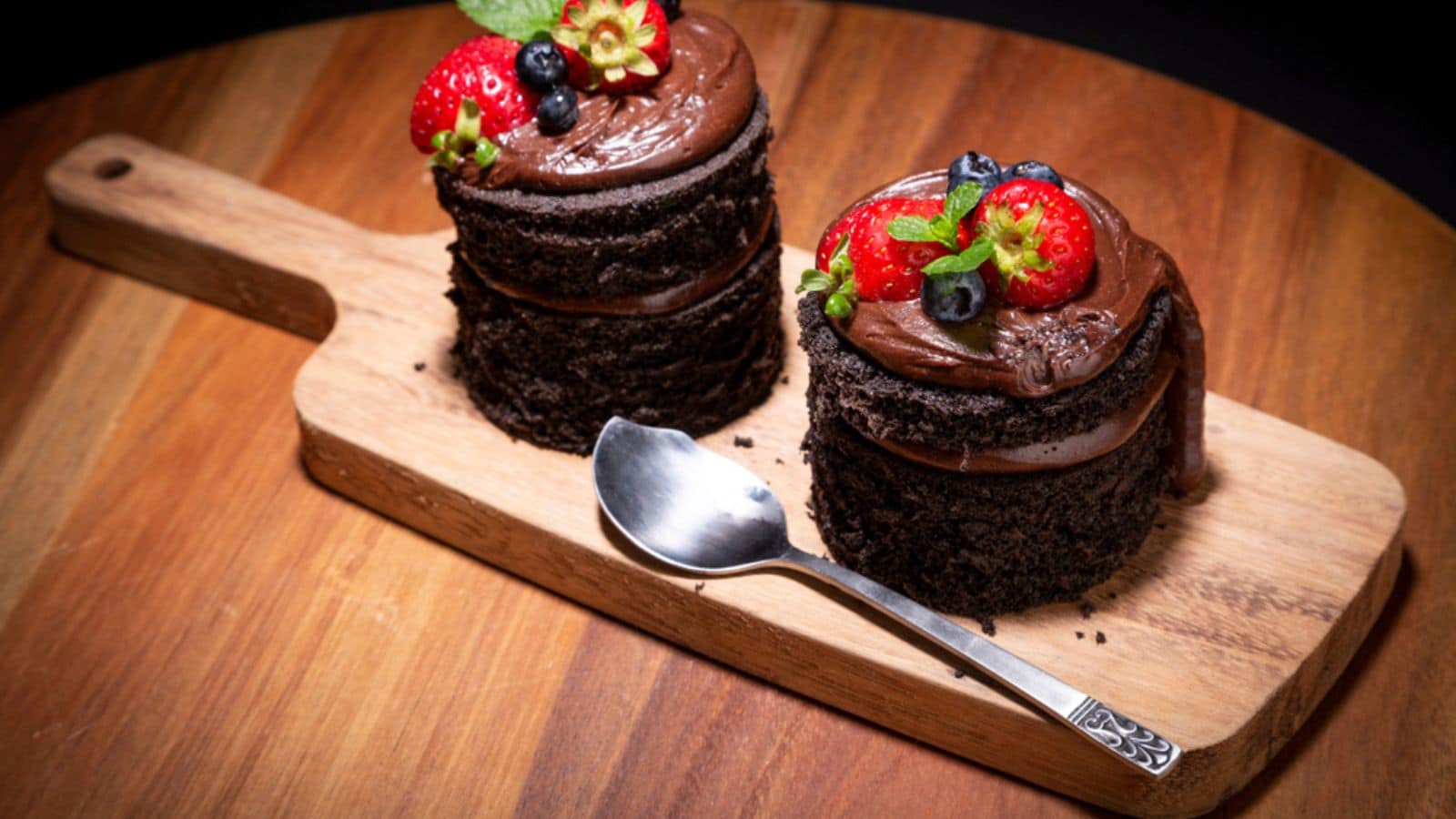
Wacky cake is exactly what it sounds like, and it works better than it has any right to.
The cake skips the ingredients many people expect in a dessert: no eggs, no butter, and no milk. Instead, the recipe uses flour, cocoa, sugar, baking soda, vegetable oil, vinegar, and water.
You can mix everything directly in the baking pan, with the reaction between vinegar and baking soda providing the lift normally supplied by eggs or other leavening methods.
The result is a moist, simple, and surprisingly satisfying chocolate cake. It was created when eggs, butter, and milk were expensive or hard to find. Also known as Depression cake and crazy cake, it has gained new attention from home bakers looking for an egg-free and dairy-free dessert without relying on specialty replacements.
Water pie takes pantry baking even further. The filling uses water thickened with flour and sweetened with sugar, vanilla, and a little butter. The recipe has recently appeared in “we tried it” TikTok videos because many people are surprised that such a basic filling can become a dessert.
Desperation pies and sugar cream pie were also popular among Indiana Amish and Shaker communities before Depression-era shortages made this style of baking more widespread.
Why These Dishes Are Showing Up Again
The Internet interest is real, but it’s building on something more practical.
The renewed attention around these dishes comes as many home cooks look for ways to spend less, waste less, and make better use of what is already in the pantry. Poor man’s meal and water pie have built-in curiosity: the names invite a second look, the ingredient lists are approachable, and their history adds another layer.
These meals never truly disappeared. They stayed in family recipe boxes, regional diners, church gatherings, and community cookbooks because they kept working.
Their stories are tied to difficult moments in history, but their staying power comes from something simpler: people kept making them because they enjoyed them.
Which of these dishes appeared on your family table growing up, and does it still?
More Articles You Might Be Interested in:
- 10 American Traditions That Are Slowly Disappearing
- 13 old-school family traditions that seem absurd today
- 15 everyday traditions that may vanish with the Baby Boomers