

A single bite of something sweet can hold the weight of history, the comfort of home, and the spark of creativity all at once.
National Dessert Day rolls around every October, and for many people it is just another fun excuse to order a slice of cake or treat themselves to an ice cream sundae. But if you look closer, desserts are far more than sugar and flour arranged in pleasing combinations. They are history, culture, comfort, creativity, and sometimes even defiance all layered together. To celebrate National Dessert Day is to recognize that sweetness is not frivolous. It has meaning, memory, and often a story that connects us across generations.
You May Also Want To Read: Top 10 Low FODMAP Desserts
Desserts as Markers of Time
Every culture in the world has a dessert tradition. In France, delicate macarons line bakery windows, while in Mexico, churros are dusted with cinnamon sugar and handed to children after school. In Japan, wagashi sweets mark the seasons with artful precision. What all these have in common is that they help tell the story of time. A birthday cake is not just about blowing out candles. It is about marking a life, pausing to acknowledge love, and creating a memory that may be remembered decades later. Holiday cookies passed from grandmother to grandchild are as much about continuity as they are about flavor.
Comfort Wrapped in Sugar

For many, desserts carry emotional weight. A brownie may recall a childhood kitchen. A slice of apple pie may bring back the scent of autumn leaves and family gatherings. Food scientists have found that sugar stimulates the release of dopamine in the brain, which explains part of the comforting pull. But the comfort is not only chemical. It is also cultural. In difficult times, people turn to baking not just because it produces sweet results, but because it is ritual. Measuring, mixing, waiting for the oven to ding, all provide structure and a sense of safety.
The Creativity Factor
Dessert is where cooks and chefs let their imaginations run wild. While savory food often follows strict traditions, dessert invites experimentation. Think of molecular gastronomy chefs spinning sugar into fantastical sculptures or home bakers turning breakfast cereals into inventive bars. Dessert allows for whimsy. It is the part of the meal where rules loosen, colors brighten, and textures surprise. On National Dessert Day, part of the fun is noticing just how inventive people can be when given permission to play with sweetness.
Save this article
Health and Balance
Of course, no discussion of dessert can avoid the health conversation. We live in a time where sugar is often demonized. But balance is key. Dietitians emphasize that occasional indulgence is not harmful for most people. In fact, denying oneself entirely can sometimes lead to overcompensation later. The key is to savor, not to overdo. One carefully chosen slice of cake, enjoyed slowly, can be more satisfying than several processed snacks eaten without thought. National Dessert Day is not about gluttony. It is about appreciation.
Economic Impact
Desserts are not just cultural symbols. They are also big business. Bakeries, ice cream shops, candy makers, and chocolatiers form a significant part of local economies. Think of the tourist draw of a beignet in New Orleans or a slice of cheesecake in New York. These foods are destinations in themselves. On National Dessert Day, small bakeries may see spikes in sales, reminding us that sweetness also supports livelihoods.
A Shared Table
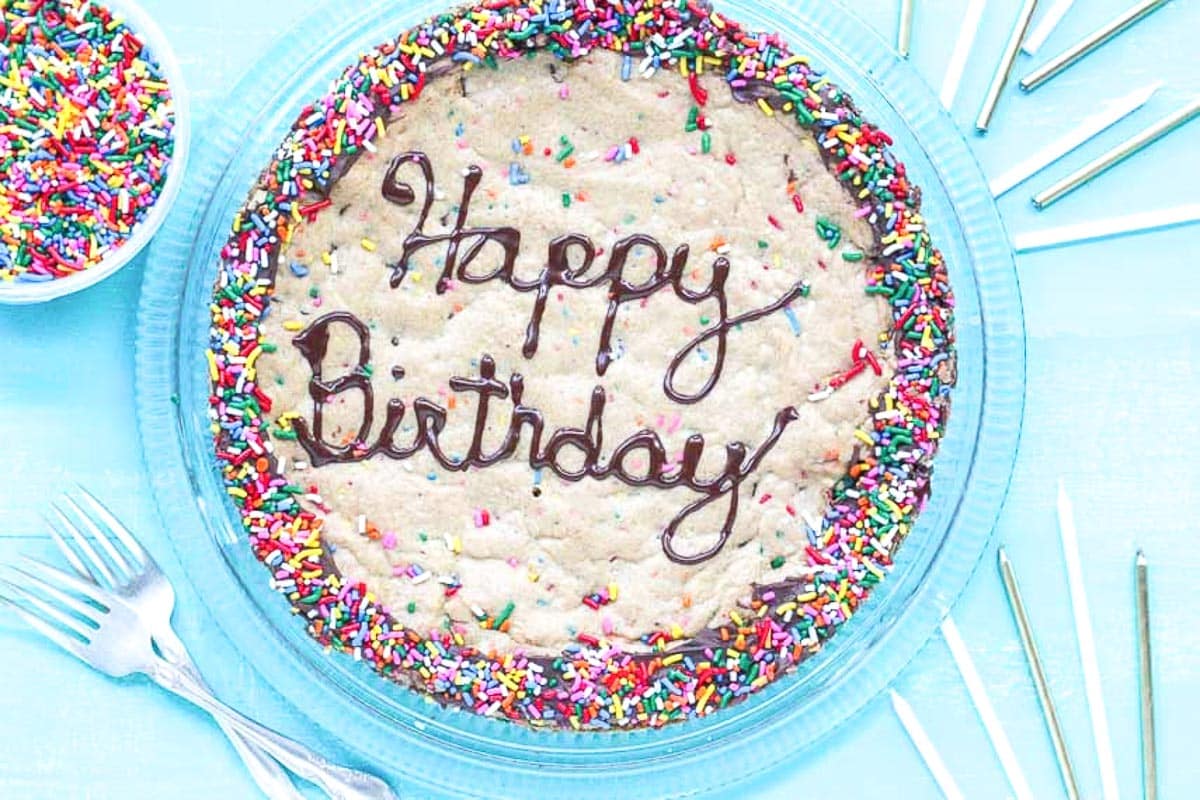
Perhaps most important of all, desserts bring people together. They are rarely eaten alone. A plate of cookies is shared. A cake is sliced into portions. An ice cream sundae often comes with two spoons. Sharing dessert creates community. It turns strangers into friends and friends into family. That might be the real reason to celebrate National Dessert Day. It reminds us that sweetness is best when enjoyed together.
The Takeaway
National Dessert Day may seem lighthearted on the surface, but it opens the door to much deeper reflections. Desserts tell stories, comfort us, fuel creativity, and connect us to each other. They are markers of history and symbols of love. To celebrate is not just to indulge. It is to acknowledge that sweetness has a place in our lives, not just on our plates.





