

Maybe aging isn’t the slow, solitary process we imagine, but a collective breakdown—our cells dragging each other toward decline.
Ever feel like you’re aging faster just by being around certain people? Well, you might not be entirely wrong. Scientists have uncovered evidence that aging can actually be “contagious” — and no, it’s not about catching wrinkles like a common cold.
A recent study found that when young, healthy mice were injected with the reduced form of a protein called HMGB1 (known as ReHMGB1), they began to show signs of aging in just one week. That’s a pretty striking result.
This research is something of a bombshell. It suggests that aging isn’t only an internal process happening quietly inside our own cells. Instead, our cells can send out signals that prompt nearby, otherwise healthy cells to start aging too. Let’s unpack what this means, because honestly, it’s pretty wild.
What does “aging is contagious” even mean?
When scientists say aging is “contagious,” they’re not suggesting you’ll start getting gray hair by sitting next to your grandpa. Instead, they describe a molecular process in which old or stressed cells release signals that cause nearby healthy cells to age. Think of it less like a virus and more like a biochemical chain reaction spreading from one cell to another.
These signals, which include inflammatory proteins and other molecular messengers, can travel through tissues or even your bloodstream. Once they reach healthy cells, they can trigger them to enter a state of senescence, essentially causing cellular retirement. This new understanding challenges the long-held notion that aging is a process that occurs independently in each cell.
The key player: A protein called HMGB1
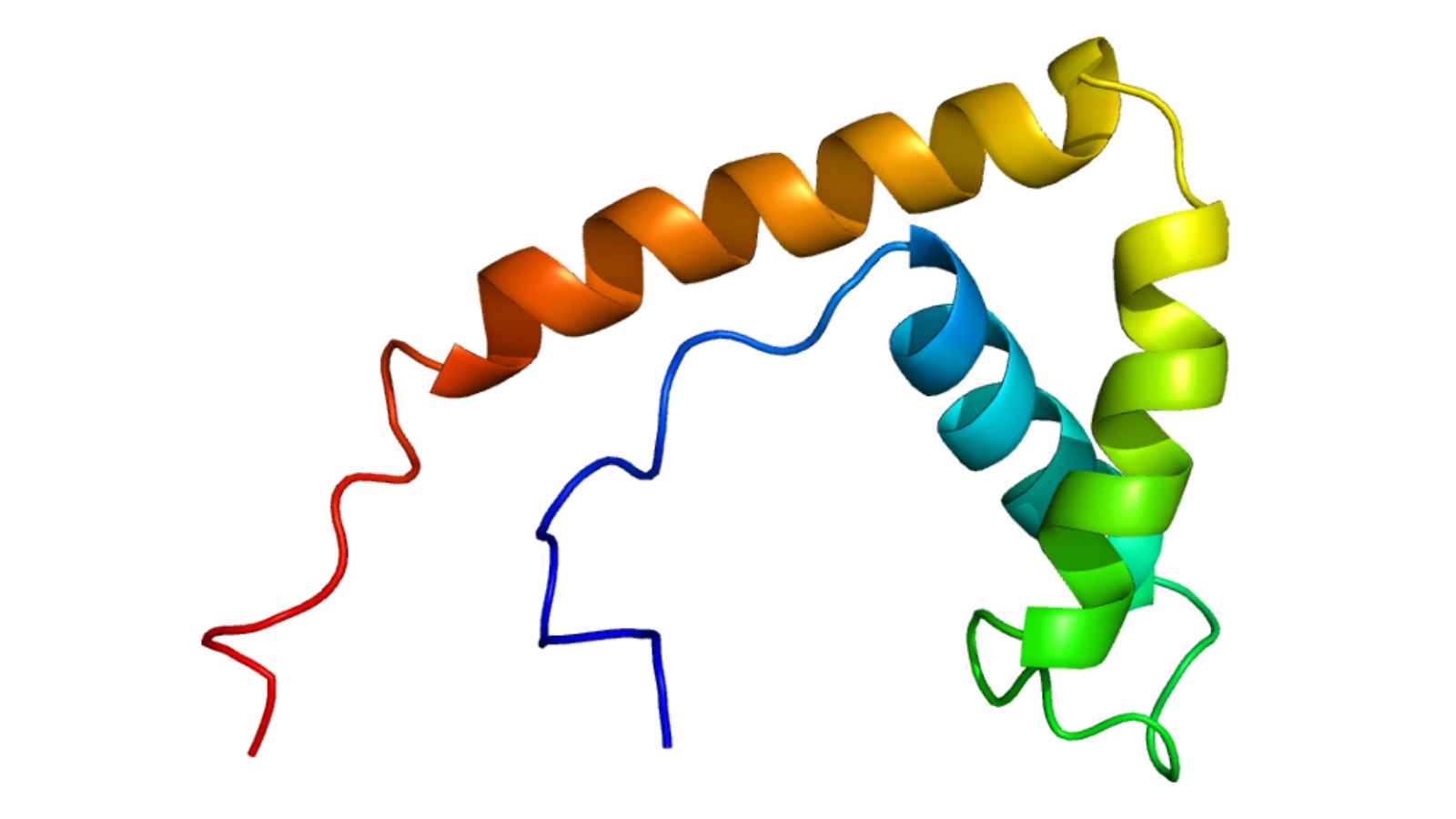
So, what’s causing all this trouble? A major culprit appears to be a protein called HMGB1 (High Mobility Group Box 1). Usually, this protein resides within the nucleus of a healthy cell, where it conducts its own business. However, when a cell becomes stressed or aged, it can expel HMGB1.
Once outside the cell, HMGB1 acts like a town crier, shouting pro-aging signals to all the healthy cells in the neighborhood. Lab studies have confirmed that when this protein is circulating, it binds to specific receptors on other cells, triggering the onset of aging symptoms. It’s like one bad apple spoiling the whole bunch, but on a molecular level.
Reduced vs. Oxidized HMGB1: Not all forms are equal
Here’s where it gets interesting. Not all forms of the HMGB1 protein are created equal. Researchers discovered that only the “reduced” form of HMGB1 actually triggers aging. Its counterpart, the “oxidized” form, doesn’t seem to have the same effect.
When scientists exposed healthy cells to reduced HMGB1, the cells quickly stopped growing and started showing classic signs of aging. But when they used oxidized HMGB1, nothing happened. This suggests our bodies have a particular control system for this process. It also opens the door for potential therapies that could target and block only the harmful, reduced form of the protein.
The lab evidence: What happened to cell cultures?
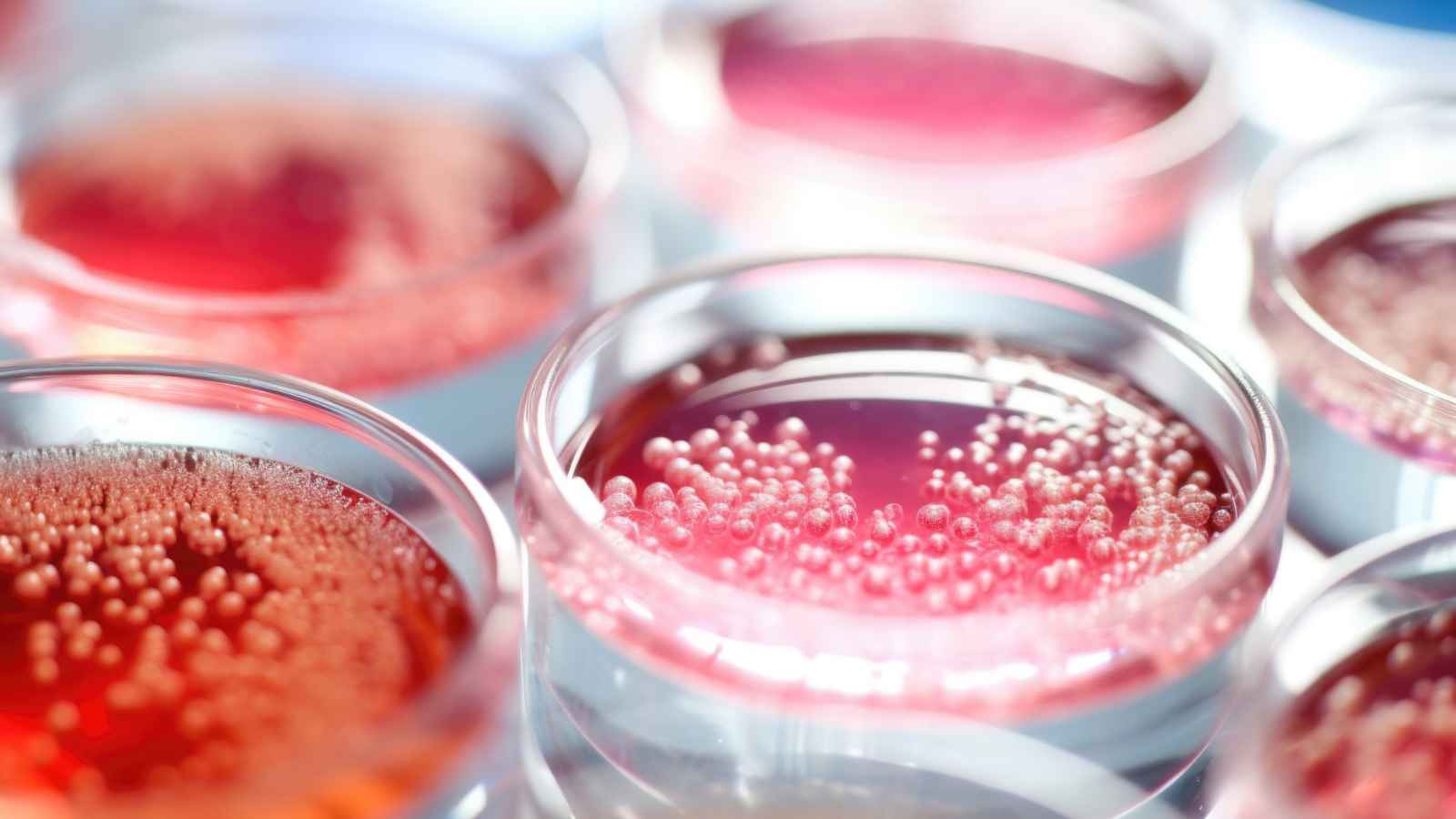
To test this, scientists took healthy human cell cultures (from various organs, including kidneys, lungs, and skin) and exposed them to reduced HMGB1. The results were pretty straightforward. The healthy cells stopped dividing and began to act old, releasing their own inflammatory signals.
It’s like they were perfectly fine one minute, and the next, they were complaining about their backs and yelling at kids to get off their lawn. The fact that different cell types all react in the same way suggests that this is a universal mechanism. This experiment provides solid evidence that aging can be accelerated by exposing healthy cells to these molecular signals.
The animal trials: It happens in mice, too

Okay, so it happens in a petri dish. But does it happen in a living creature? To find out, researchers injected young, healthy mice with small amounts of reduced HMGB1. Within just one week, these young mice started showing clear signs of aging.
They had higher levels of cellular senescence and inflammation throughout their bodies. This confirmed that the “contagious” aging effect isn’t just limited to cell cultures; it also occurs in complex organisms. This finding is significant because it shifts our perspective on aging from a localized issue to a systemic one.
What about humans? Checking our blood levels
Does the HMGB1 protein build up in humans as we age? To answer this, researchers measured the blood levels of reduced HMGB1 in people of different age groups. They found that people between 70 and 80 years old had much higher levels of this protein than people in their 40s.
This strong correlation supports the idea that the accumulation of these specific molecular signals drives the aging process. Older adults don’t just have more wrinkles; they also have higher levels of these aging-related proteins circulating in their blood. This gives us a kind of molecular “fingerprint” of aging.
The mechanism: How senescent cells spread the message
How do these aging signals get out in the first place? Senescent cells actively release a mix of inflammatory factors known as the senescence-associated secretory phenotype, or SASP. Think of it as a harmful cocktail of signals that degrades the health of surrounding tissues.
HMGB1 is now recognized as a component of this SASP network. Experiments have shown that removing these senescent cells or blocking their signals can interrupt the spread of aging. This is why much of current anti-aging research is focused on finding ways to eliminate these troublemaking cells.
Save this article
Systemic vs. Local spread: How far can it go?
These aging signals don’t just affect the cells next door. They can travel through the bloodstream and influence organs and tissues far away from where they were initially released. This is known as systemic aging propagation.
Even organs that are far from the initial site of senescent cells can start to show signs of aging. This phenomenon has been observed repeatedly in animal models and helps explain why aging appears to affect the entire body, rather than just one part of it. It’s a sobering thought.
Parabiosis experiments: The Young-old blood swap
One of the most fascinating (and slightly creepy) experiments in aging research is called heterochronic parabiosis. In this study, researchers surgically connected the circulatory systems of a young mouse and an old mouse, allowing them to share blood.
The results were remarkable. The young mouse, exposed to the old blood, started to show signs of rapid aging. In some cases, the old mouse exhibited signs of rejuvenation due to the infusion of young blood. This experiment provides pretty undeniable proof that something in the blood is driving aging.
The speed of aging: A domino effect
One of the most alarming findings is the rapid spread of these aging signals. Once proteins like reduced HMGB1 start circulating, they can trigger a rapid domino effect across tissues. This turns aging from a slow, gradual decline into a much faster process.
Cells that receive these aging signals can then start producing their own, amplifying the effect and spreading it even further. This may explain why aging appears to accelerate as we enter our later years. It’s not just a slow burn; it can become an out-of-control fire.
Can we stop it? Potential treatments

So, what can we do about all this? Researchers are already working on drugs called senolytics, which are designed to find and destroy senescent cells. In animal studies, these drugs have shown promise in slowing or even reversing age-related decline.
Other potential strategies include blocking the harmful signals themselves or identifying and reducing the environmental stressors that cause cells to become senescent in the first place. This could include managing chronic infections and reducing exposure to pollutants. Lifestyle changes, such as diet and exercise, are also being explored for their potential to help our bodies counteract these aging signals.
The future is now
The discovery that aging can be “contagious” on a molecular level represents a significant shift in our understanding of the aging process. It opens up a whole new world of possibilities for treatments that could help us live healthier, longer lives. Maybe one day, we’ll have diagnostics that can measure these aging signals in our blood, allowing us to intervene before the process accelerates.
For now, this research serves as a timely reminder that our bodies are incredibly complex systems. And while you can’t “catch” old age, the way our cells communicate with each other plays a huge role in how we age. It’s a bit unsettling but also incredibly exciting. Who knows what the future of aging will look like?
Disclaimer – This list is solely the author’s opinion based on research and publicly available information. It is not intended to be professional advice.
How Total Beginners Are Building Wealth Fast in 2025—No Experience Needed

How Total Beginners Are Building Wealth Fast in 2025
I used to think investing was something you did after you were already rich. Like, you needed $10,000 in a suit pocket and a guy named Chad at some fancy firm who knew how to “diversify your portfolio.” Meanwhile, I was just trying to figure out how to stretch $43 to payday.
But a lot has changed. And fast. In 2025, building wealth doesn’t require a finance degree—or even a lot of money. The tools are simpler. The entry points are lower. And believe it or not, total beginners are stacking wins just by starting small and staying consistent.
Click here, and let’s break down how.
12 Kitchen Hacks You May Not Know

12 Kitchen Hacks You May Not Know
Sometimes, preparing meals and dealing with food can feel like a bore and a chore – or just plain frustrating. We’ve got the best food hacks to pass down to you, helping you get in and out of the kitchen quickly. Not more drudgery, and dare we say it, some of these hacks are fun. Save money, too. Win-win!
Do you have a kitchen hack we should be aware of?





