Walk through the bread aisle at any grocery store and the health messaging is hard to miss. Whole grain. High fiber. Multi-grain. Wheat. The packaging is darker than it once was, and the overall message suggests that choosing the healthier option should be simple.
The reality is a little more complicated, however. Color is not a dependable guide, and a front-of-package claim does not tell the whole story of what is inside. Many familiar grain products are made with enriched grains, which are processed differently from grains that keep their original structure.
New clinical research suggests that consistent, relatively modest swaps may improve heart health and several other risk factors in ways researchers are only now beginning to quantify.
Once you understand what makes a grain whole, which nutrients disappear during processing, and how to make realistic swaps, choosing better options becomes considerably less confusing.
What Actually Makes a Grain “Whole”
The definition is simpler than the label landscape suggests, and it covers more foods than most shoppers realize.
Every grain kernel has three parts. The bran is the outer layer, containing most of the grain’s fiber along with vitamins, minerals, antioxidants, and phytochemicals. The germ is the kernel’s reproductive part, providing healthy fats, vitamin E, B vitamins, and additional antioxidants. The endosperm is the largest portion, made mostly of starch with some protein and smaller amounts of nutrients and fiber.
A whole grain keeps all three parts intact. That includes familiar foods such as oats, brown rice, wild rice, quinoa, barley, bulgur, buckwheat, millet, rye, whole-wheat bread, whole-grain pasta, and popcorn.
This variety helps because eating more whole grains isn’t about adding one specific “superfood” to the menu. It is about finding realistic replacements for refined grains already appearing in meals.
Related: How to Cook Healthy Food for a Better Lifestyle
The Swaps That Actually Fit Into Daily Life
The goal isn’t to add more grain food to an already full diet. It’s to replace the refined versions already in it.
U.S. dietary guidelines recommend that at least half of daily grain intake come from whole grains. On a typical 2,000-calorie diet, that equals about three of the six ounce-equivalents of grains eaten each day.
For many people, reaching that amount is less about completely changing what they eat and more about making familiar swaps. Oatmeal, muesli, or whole-grain cereal can replace pastries or white-flour toast at breakfast. Whole-grain bread works in sandwiches just like white bread. Brown rice, wild rice, quinoa or barley can replace white rice at dinner without requiring a new recipe. Whole-grain pasta cooks in the same way as conventional pasta, and popcorn is also considered a whole grain.
Health and Wellbeing Queensland summarizes the approach: “Small changes can go a long way to eating enough wholegrains each day.”
Save this article
The key is replacement, not addition. Adding more grain foods on top of an already full eating pattern may not make sense, but choosing a whole-grain version of something already on the plate often does.
What the Research Shows, and Where It Stops
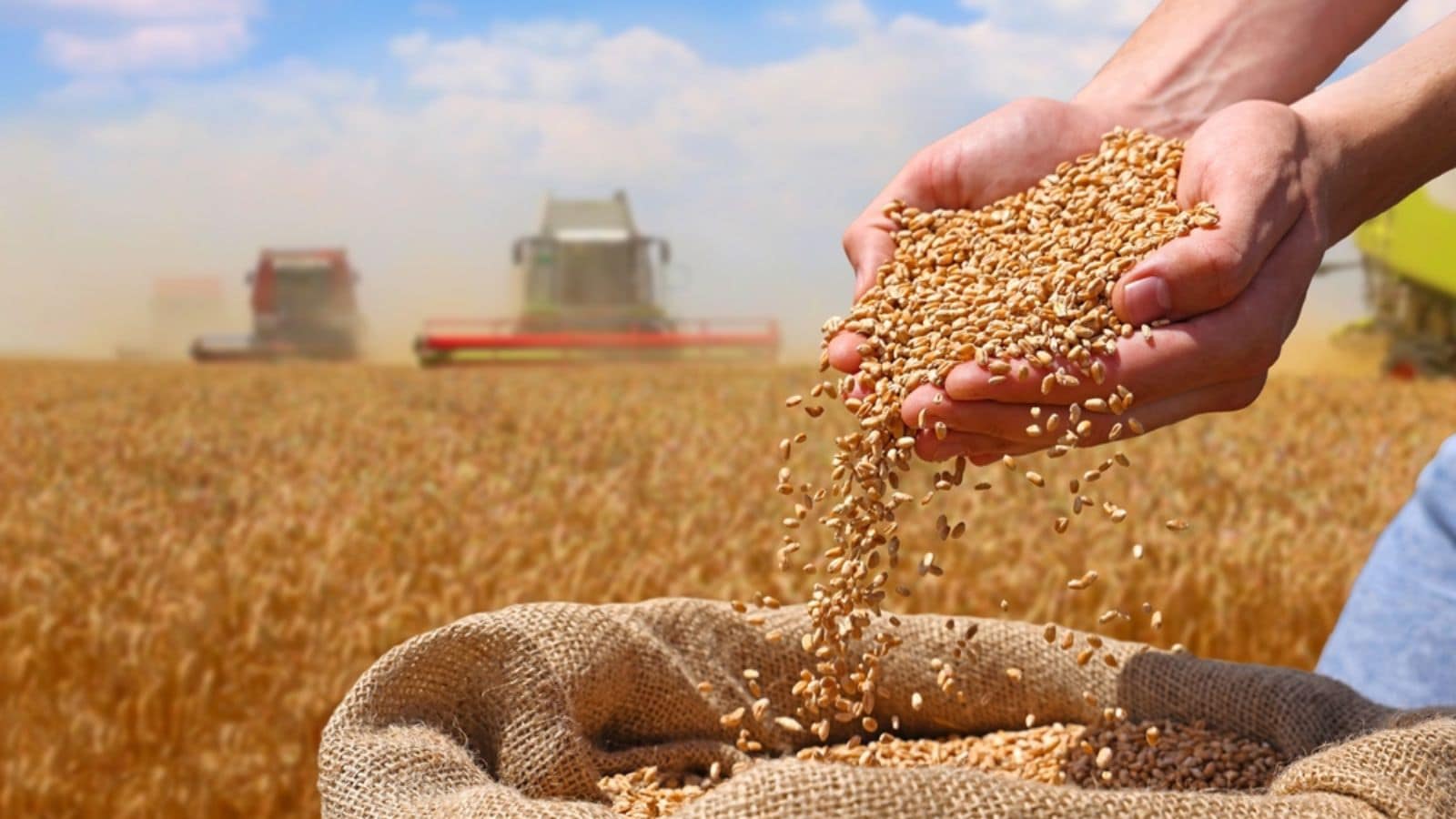
New clinical trial data is putting specific numbers to what long-running population studies have long suggested.
A recent review of 87 randomized controlled trials discovered that eating four to six servings of whole grains daily may deliver meaningful improvements across several cardiovascular risk factors.
The benefits appeared at around three servings per day and were strongest at 60 to 100 grams daily, roughly equivalent to a bowl of oatmeal, a whole-grain bread sandwich or a serving of brown rice. “Increasing wholegrain intake is a relatively simple, accessible and affordable dietary strategy,” said Dr. Helda Tutunchi, who led the analysis at Tabriz University of Medical Sciences.
That finding sits alongside a substantial body of observational evidence. A large meta-analysis found that eating roughly 70 grams of whole grains daily was associated with 22 percent lower total mortality.
On diabetes, a study following more than 160,000 women over nearly two decades found those eating two to three daily servings were about 30 percent less likely to develop type 2 diabetes.
Cancer evidence remains more cautious. Some research points to lower colorectal cancer risk, but several studies found no significant association. The evidence does clearly show that replacing refined grains with whole-grain options is one of the most straightforward dietary changes available.
A Few Things Worth Knowing Before You Start
For most people, eating more whole grains is straightforward. For some, the specifics matter more than the general advice.
Whole grains are not one-size-fits-all. Wheat, barley, and rye contain gluten, which creates genuine health concerns for people with celiac disease, gluten allergy, or diagnosed gluten sensitivity. Some people also experience digestive symptoms from certain grains even when gluten is not the issue.
For many people, the biggest practical consideration is increasing fiber gradually. A sudden jump can lead to gas and bloating, while drinking enough water can help the digestive system adjust. Starting with one simple swap is enough.
Once people begin reading ingredient lists, many discover that whole-grain versions of foods they already buy are often sitting nearby on the same shelf.
What’s the one refined-grain food in your routine that’s been the hardest to replace?