

If your eyes feel fried before the day’s even over, your screen routine is probably working against you more than you realize.
If your eyes burn by noon, blur after dinner, and feel scratchy from the moment you wake up, your screen habits are almost certainly a bigger culprit than your birthday. Digital devices have become non-negotiable parts of daily life, but the way most people use them quietly stacks up to hours of unnecessary strain every single day.
The problem gets worse with age because the eye’s natural defenses, including tear production, lens flexibility, and sensitivity to glare, are already shifting in ways that make screens harder to tolerate. Changing even a handful of these habits can make your eyes feel measurably fresher within days, not months.
Holding Your Phone Too Close to Your Face
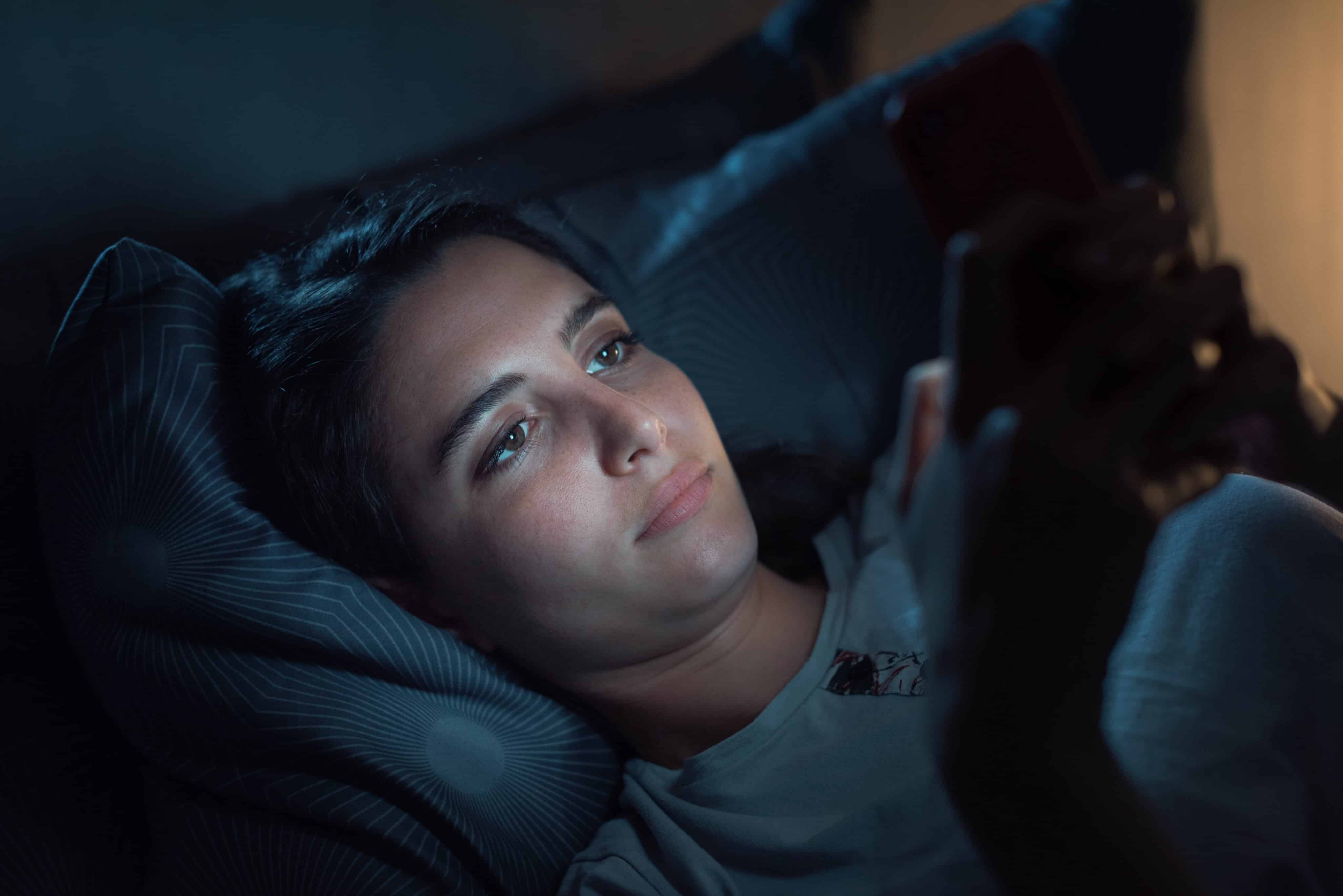
Most people read a printed page about 16 inches away, but research measuring real smartphone use found that people typically hold their phones between 12 and 14 inches from the face, and sometimes as close as 7 inches.
The closer a screen is, the harder your eye muscles have to work to converge and focus, and holding it at that distance also increases exposure to blue light from the device. For anyone dealing with presbyopia, the natural loss of close-up focusing flexibility that comes with age, this extra near demand can trigger fatigue much faster than it used to. Moving your phone to at least 20 inches away is one of the simplest fixes available.
Skipping Breaks Completely
Screen use dramatically cuts your blink rate. Research published in BMJ Open Ophthalmology found that people blink more than 50 percent less when looking at a screen, dropping from the normal rate of about 10 to 12 times per minute down to roughly 5 times per minute.
That drop means tears evaporate faster and are not being spread across your eyes the way they should be. A study found that people who spend more than seven hours per day on screens are more than twice as likely to experience dry eye symptoms. The American Academy of Ophthalmology and nearly every major eye organization recommend the 20-20-20 rule: every 20 minutes, look at something 20 feet away for 20 seconds to let the eye muscles relax.
Keeping Screen Brightness Too High or Too Low
Staring at a screen that is significantly brighter than the room around it forces your eyes to constantly adapt to competing light levels, which contributes to fatigue, glare sensitivity, and discomfort.
Screens with excessive brightness can also increase the amount of blue light your eyes absorb, and experts note that reducing screen brightness can cut blue light exposure by 60 to 70 percent. On the flip side, using a dim screen in a bright room makes your eyes squint and strain to read text clearly.
The goal is to match your screen brightness roughly to the ambient light level in your space, and adjust as you move from room to room throughout the day.
Scrolling on Screens Late at Night
Evening screen use hits aging eyes in two compounding ways. First, the blue light emitted by devices suppresses melatonin and sends your circadian clock the wrong signal, making it harder to fall into deep, restorative sleep. Second, poor sleep directly worsens eye health the next day by increasing dryness, raising fatigue, and reducing your eyes’ tolerance for screen use altogether.
Heart of Texas Eye Care explains that this creates a cycle where late screen use degrades sleep, and degraded sleep makes your eyes feel more strained the following day. Powering down devices at least one hour before bed, or at minimum using a warm night mode setting, interrupts that cycle.
Using the Wrong Glasses or No Glasses at All
Wearing an outdated prescription while using a screen means your eyes are constantly straining to compensate for blurriness that should not exist. An outdated prescription is a direct cause of headaches, eye fatigue, and blurred or distorted vision that many people wrongly attribute to their devices rather than their lenses.
For older adults managing presbyopia, using reading glasses designed for printed text may not be calibrated for the typical screen distance of 20 to 26 inches, which creates its own form of strain. Telling your eye doctor specifically how you use screens and at what distances allows them to tailor a prescription that works for your actual daily habits.
Ignoring Dry Indoor Air
Central heating and air conditioning strip moisture from indoor air, and dry air accelerates tear evaporation from the surface of the eye, making already-screen-stressed eyes feel worse. Using a humidifier in the spaces where you use screens most can reduce that dryness noticeably.
Save this article
Staying well hydrated supports tear quality too, since dehydration directly reduces the moisture your eyes can maintain during long sessions. For people already dealing with dry eye syndrome, a common condition in adults over 50, ignoring the environment while spending hours on screens can turn a manageable irritation into a persistent and painful problem.
Sitting in Poor Lighting Around Screens
Room lighting that creates glare on your screen, shines directly into your eyes, or leaves you working in near-total darkness forces your visual system to work much harder than necessary. Harsh overhead lights positioned in front of or above a screen create reflections and hotspots that older eyes, which are already more sensitive to glare, find particularly uncomfortable.
Ideally, the light source should be positioned behind you and directed toward your work surface, not toward the screen or your face. Matte screen protectors and anti-glare coatings on glasses can also reduce the visual noise that makes prolonged sessions harder to sustain.
Rarely Going Outside During the Day

Time outdoors gives your eyes something that no indoor screen habit can replicate: the chance to focus on objects at varying distances using natural light. Researchers have found that outdoor light stimulates the retina in ways that help the eye maintain healthy function, while extended near work indoors without breaks contributes directly to eye fatigue and strain.
Natural light also helps regulate circadian rhythms, which in turn affects sleep quality and the way your eyes feel and recover overnight. Even a brief daily walk outdoors serves as a kind of visual reset that can noticeably reduce the accumulated strain from hours of close screen work.
Skipping Annual Eye Exams
This is the habit with the highest stakes and the easiest fix, yet the CDC reports that among adults at high risk for vision loss, about 40 percent did not see an eye doctor or have an eye exam in the previous year. Many serious eye conditions, including glaucoma, cataracts, and macular degeneration, develop without noticeable symptoms in the early stages, meaning permanent damage can accumulate while your vision still feels mostly fine.
Florida Eye Specialists note that for conditions like glaucoma, eye pressure changes can happen quickly, and delays in detection directly reduce the number of treatment options available. For adults 65 and older, a comprehensive dilated eye exam is recommended every one to two years, and more frequently for those managing diabetes, hypertension, or existing eye disease.
Takeaway
Your eyes are working harder than ever, and the habits that feel harmless in your 30s can start showing their full cost a decade or two later. Dry, fatigued, blurry eyes after screen time are not an automatic feature of getting older; they are often a direct result of how, where, and how long you look at devices.
Moving your phone to a safer distance, building in regular breaks, matching your lighting to your environment, and staying current with eye exams are changes that cost nothing and pay off quickly. Start with one or two adjustments this week and give your eyes the support they need to stay sharp and comfortable for years to come.
Disclosure: This article was developed with the assistance of AI and was subsequently reviewed, revised, and approved by our editorial team.
Like our content? Be sure to follow us on MSN and Newsbreak.
The Hidden Culprits: 12 Common Triggers of IBS You May Not Know About

IBS quietly disrupts millions of lives worldwide, and understanding its common triggers is the fastest path to relief.
Irritable bowel syndrome (IBS) symptoms can be debilitatingly painful, create severe bloating, affect our work and home life, and make us afraid to be far from a bathroom. Did you know that 10-15% of the population has IBS? You are not alone! Step 1 is to get an IBS medical diagnosis. Then turn to this article to learn about 12 common IBS triggers – and how you can calm those IBS attacks.





