

Family drama is as old as time, but something different is happening today. More adult children are choosing to distance themselves from their parents than ever before, and at last, the conversation is coming to light.
The numbers don’t lie. A 2022 YouGov survey found that 29% of Americans reported being estranged from a parent (11%), child (9%), sibling (14%), or grandparent (5%). The pattern is particularly pronounced with younger generations, who are more likely than older people to cut off family members they view as toxic.
Why now? Smaller families, urbanization, and shifts in cultural norms are contributing to the increase in numbers. Plus, let’s be honest, social media has made it much easier to see what healthy relationships can look like. Hard to unsee that, right?
Abuse: The Obvious (But Often Ignored) Reason

Here’s where things get heavy. A study found that the most common reasons for estrangement tend to be cited as abuse, whether emotional, physical, or s*xual. Fortunately, public perception of it is slowly improving.
Physical abuse is blatant, and bruises tell a story. But emotional and verbal abuse? That’s trickier. It’s the parent who constantly criticizes, belittles, or gaslights their child. It’s the “constructive criticism” that never stops being destructive. 27% of Americans are actively estranged from a family member, and abuse or neglect is frequently named as the catalyst.
Toxic Behaviors: When Love Becomes Control

Ever heard someone say, “But they’re family!” when you complain about manipulation? Yeah, that’s not the defense people think it is.
The practice of “going no contact” with toxic family members is on the rise. However, it’s still a sensitive topic, particularly among young adults who are navigating their mental health and peace of mind amid the extended isolation of the pandemic. As one social media activist said, “It’s okay to cut off toxic family members out of your life. Blood isn’t thicker than peace of mind.”
Toxicity includes:
- Guilt trips and manipulation: It’s hard to accept, but these are what create leads in the first place.
- Control: Monitoring adult children’s choices, threatening consequences for independence
- Gaslighting: Making someone question their own reality or memories
Recognizing these patterns is the first step toward breaking free from them.
Lack of Emotional Support: The Silent Killer

Sometimes it’s not what parents do, it’s what they don’t do. The pandemic highlighted the emotional isolation of estranged individuals. A survey of 801 individuals examined the impact of the COVID-19 pandemic on estranged family relationships. Over half of the participants reported heightened feelings of isolation, while 78% remained out of contact during lockdowns.
When your parent is supposed to be your emotional safe harbor, but instead becomes a source of stress? That’s a relationship that can’t survive long-term.
Differing Values and Beliefs: The Great Divide

Political dinners, anyone?
Political, religious, and generational cleavages are increasingly cited as reasons, and social media is stoking them. A study by the National Institutes of Health found that value dissimilarity is a strong predictor of estrangement.
Unresolved Conflicts: The Grudge That Grew

Some fights never end; they just get bigger. According to the Journal of Psychology and Behavioral Science, disagreements and long-standing disputes are the most frequently cited single causal factor, reported by 64.9% of those experiencing estrangement.
What starts as a simple disagreement can snowball when neither party is willing to compromise or acknowledge fault. Pride is expensive, and sometimes the cost is a relationship.
Favoritism: The Golden Child Syndrome

Playing favorites doesn’t just hurt in childhood; it creates lifelong resentment. Parental favoritism erodes family cohesion and creates rifts that can last decades.
Family therapist Daniel Dashnaw explains, “When parents favor one child over others, it dismantles family cohesion… It builds a potentially lifelong resentment between siblings.”
Research shows that the youngest children are most affected, but let’s be honest, the “golden child” doesn’t always win either. They often struggle with unrealistic expectations and pressure to be perfect.
Enmeshment: When Boundaries Don’t Exist

Some families are so close that they suffocate each other. Enmeshment occurs when individual identities get lost in the family unit, and personal boundaries are nonexistent.
According to Counselling Directory, “In an enmeshed relationship, the needs of the family are prioritised to the extent that individual aspirations are stifled and personal boundaries are disregarded.”
The signs of emeshment include:
- Parents living vicariously through their children
- Adult children feel guilty for having their own lives
- Family members sharing inappropriate personal information
- Lack of individual identity outside the family
Mental Health Issues: The Elephant in the Room

Untreated mental illness is a growing reason for estrangement. Over 43% of Americans experience estrangement at some point, often linked to mental health struggles.
Psychology Today notes, “Estrangement can result from a singular event, it often develops over time. Family members may separate, reconcile, and then repeat that cycle over and over again.”
When a parent’s mental health issues create an unstable, unpredictable environment, adult children often need to step back for their own well-being. It’s not about abandoning someone, it’s about self-preservation.
Save this article
Addiction: The Thief of Trust

Substance abuse continues to be a major driver of family estrangement. Addiction doesn’t just hurt the person using; it devastates entire families through broken promises, financial strain, and emotional chaos.
Addiction is often cited in clinical and survey data as a leading cause of rifts. The cycle of hope and disappointment becomes unbearable for many family members.
Parental Alienation: When Parents Weaponize Love

This one’s particularly cruel. What is parental alienation? Parental alienation, particularly post-divorce, is when one parent turns a child against the other parent. It’s a type of emotional violence that can result in permanent alienation.
The victimized child often doesn’t know what’s happening to them until they are adults. By that point, years of a healthy relationship —the best starting point for healing —are gone.
Disapproval of Life Choices: The “Not Good Enough” Syndrome

Whether it’s career choices, romantic partners, or lifestyle decisions, constant disapproval from parents can be soul-crushing. Disagreements over these choices are increasingly common triggers for estrangement.
When parents can’t accept their adult children’s autonomy, relationships suffer. It’s one thing to offer advice; it’s another to demand control over someone else’s life.
Inheritance Disputes: Money Changes Everything

Financial disagreements, particularly those surrounding inheritance, are a common cause of family rifts. Reports of such disputes are on the rise as wealth transfers increase.
Nothing reveals family dynamics quite like a reading of a will. Court cases over wills have seen a significant rise, with instances increasing by over 34% and more than 140% since 2012, as reported by The Times. When money and emotions collide, relationships often don’t survive the impact.
Betrayal: The Point of No Return

Some actions can’t be undone. Acts of betrayal, such as infidelity, breach of trust, and revealing secrets, remain potent causes for permanent estrangement.
Trust is like a vase. Once it’s broken, you can glue it back together, but the cracks will always show.
Lack of Empathy: The Emotional Desert

When parents consistently dismiss their children’s feelings or experiences, it creates an emotional desert. Many cite a lack of emotional understanding as the final straw.
“Family is a huge part of our individual and collective lives, and an unconditionally loving, supportive group of relations is idealised in society. Yet this is not always attainable for those who are estranged from their family.“ says Becca Bland, Chief Executive of Stand Alone.
Unrealistic Expectations: The Pressure Cooker

Mismatched or unfulfilled expectations about family roles and support are increasingly recognized as triggers for mental health issues. Some parents expect their adult children to be their emotional support system, financial safety net, or living legacy.
Key Takeaways

Family estrangement is no longer a rare or taboo topic; it has become a troubling and increasingly common reality. Rooted in a variety of serious and often painful experiences, its rise is linked to issues such as abuse, toxic behavior, value clashes, favoritism, and emotional neglect. Many adult children are choosing to prioritize their mental health and establish personal boundaries, even if it means walking away from unhealthy family relationships.
This change isn’t rooted in entitlement or rebellion; it’s about the need to survive and heal and seek out more whole relationships. As society changes, our understanding of what it means to be a family should, too, and sometimes, the most loving thing we can do for ourselves is walk away
Disclaimer – This list is solely the author’s opinion based on research and publicly available information. It is not intended to be professional advice.
16 Grocery Staples to Stock Up On Before Prices Spike Again
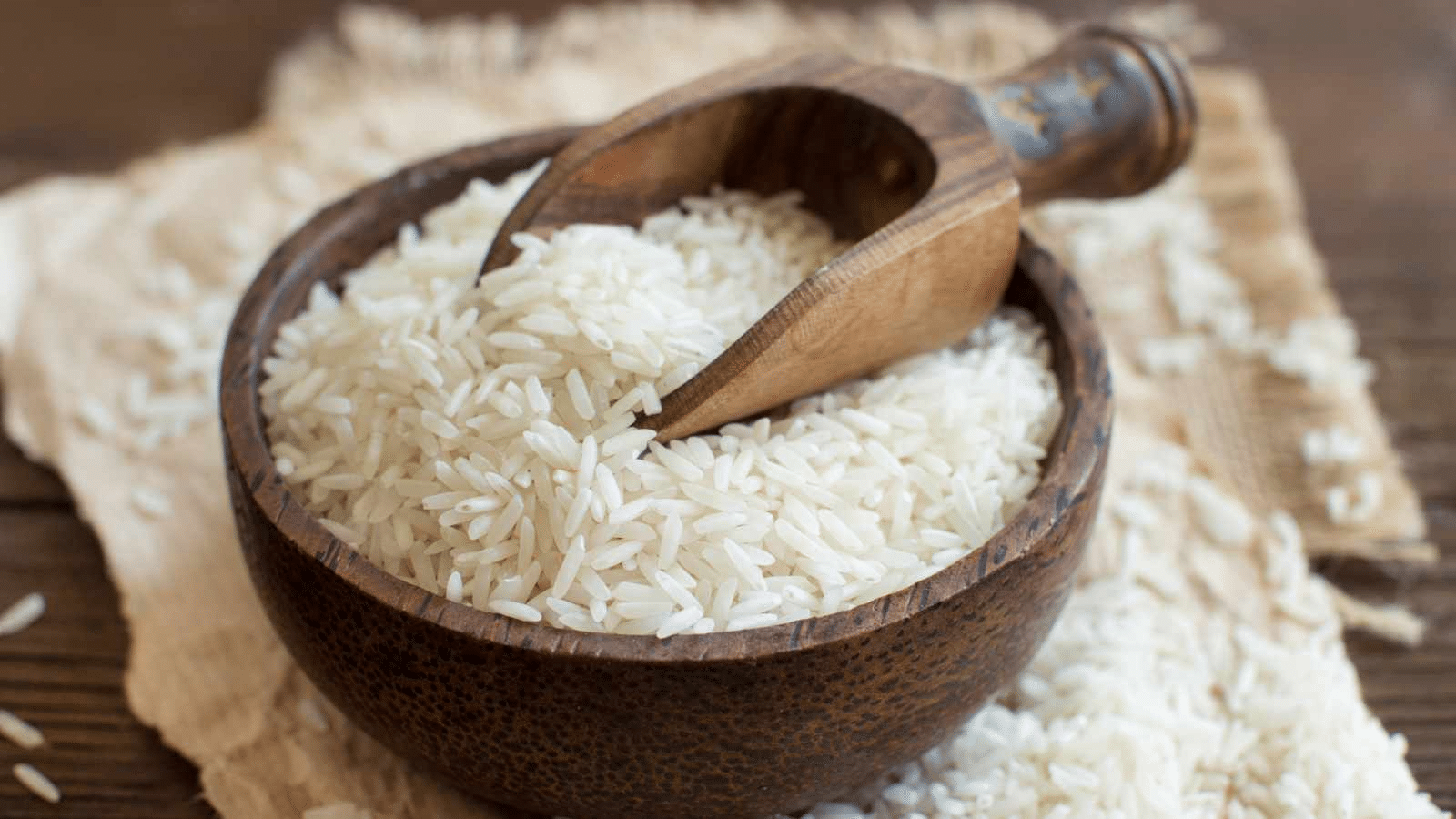
16 Grocery Staples to Stock Up On Before Prices Spike Again
I was in the grocery store the other day, and it hit me—I’m buying the exact same things I always do, but my bill just keeps getting higher. Like, I swear I just blinked, and suddenly eggs are a luxury item. What’s going on?
Inflation, supply-chain delays, and erratic weather conditions have modestly (or, let’s face it, dramatically) pushed the prices of staples ever higher. The USDA reports that food prices climbed an additional 2.9% year over year in May 2025—and that’s after the inflation storm of 2022–2023.
So, if you’ve got room in a pantry, freezer, or even a couple of extra shelves, now might be a good moment to stock up on these staple groceries—before the prices rise later.
6 Gas Station Chains With Food So Good It’s Worth Driving Out Of Your Way For
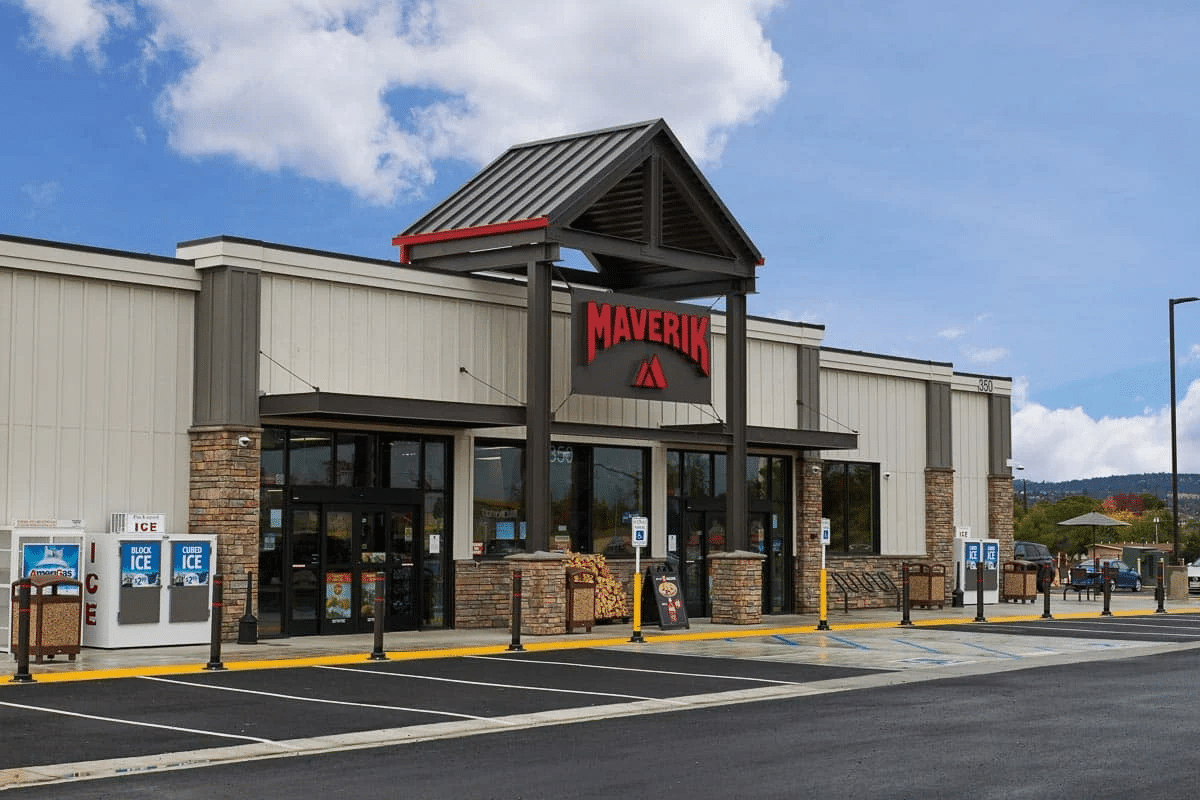
6 Gas Station Chains With Food So Good It’s Worth Driving Out Of Your Way For
We scoured the Internet to see what people had to say about gas station food. If you think the only things available are wrinkled hot dogs of indeterminate age and day-glow slushies, we’ve got great, tasty news for you. Whether it ends up being part of a regular routine or your only resource on a long car trip, we have the food info you need.
Let’s look at 6 gas stations that folks can’t get enough of and see what they have for you to eat.





