For the first time in modern history, an entire generation is questioning whether the future is worth chasing at all.
It seems like every time they look up, there’s a new global crisis, another bill they can’t afford, or a headline that makes them want to crawl back into bed. It’s not that they’re lazy or entitled; it’s just that the world they were promised looks a lot different from the one they’re living in.
According to a UNICEF global study of more than 5,600 Gen Zers (ages 14–25), 60% said they feel overwhelmed by what’s happening in the world. They’re constantly told to work hard, save money, and plan for the future. But what future? The one with skyrocketing rent, crippling debt, and a planet that’s literally on fire?
It’s easy to see why so many of them are feeling a bit… hopeless. This isn’t just about being pessimistic. It’s about facing a pile of challenges that previous generations didn’t have to deal with in the same way. Let’s get into why Gen Z is feeling so burnt out on the idea of tomorrow.
Economic insecurity & cost of living

Gen Z is navigating a world where economic stability feels like a distant dream. The costs of housing, education, and even groceries are rising much faster than their paychecks. According to a 2024 Bank of America survey, over half of them feel they don’t earn enough to live the life they want. It’s a tough pill to swallow when you’re working hard but still can’t make ends meet.
The numbers don’t lie. 57% of Gen Zers get help from family for groceries, and 53% need assistance with rent or utilities. When basic survival eats up your entire income, how are you supposed to save or invest? Nearly two-thirds (64%) say money is the main thing holding them back. It’s no wonder personal finance is the top stressor for 64% of us. It feels like we’re starting a race miles behind the starting line.
Debt burden
Let’s talk about debt, the ghost that haunts Gen Z’s every move. With an average student loan balance of $30,693 and monthly payments often topping $300, there’s not much left for anything else. It’s not just student loans, either. Credit cards, car payments, and housing debt all add to the pressure.
This isn’t a small problem. Over a third of Gen Z borrowers owe $10,000 or more in student loans, and some are carrying over $100,000. It’s wild that Gen Z reports the highest average personal debt of any generation at $94,101. With debt weighing on their minds “most or all of the time,” it’s hard to even think about homeownership or other long-term goals.
Job market uncertainty & underemployment
Finding a good job is another uphill battle. The job market is a rollercoaster, and many of them are stuck in underpaid roles that have nothing to do with their degrees. A LinkedIn-based report noted that about 38.6% of Gen Zers say they struggle to find jobs that match their skills and experience. So much for that expensive piece of paper, right?
The rise of automation and the gig economy only adds to the anxiety. We’re constantly hearing about jobs being replaced by technology, which makes it hard to feel secure. This instability chips away at our confidence and makes financial independence seem like a far-off fantasy.
You might also like: 12 high-income skills you need as the job market gets worse
Environmental crisis & climate anxiety
Growing up with a constant stream of news about wildfires, floods, and melting ice caps has left Gen Z with a deep sense of dread. It’s hard to plan for a future when you’re not sure the planet will be habitable. A UNICEF study found that 59% of Gen Z are extremely or very worried about climate change, and for many, this anxiety affects their daily lives.
This isn’t just some abstract fear. They see leaders failing to take meaningful action, and it feels like they’re shouting into the void. Why save for retirement when you’re worried about ecological collapse? It’s a grim thought, but it’s their reality.
Mental health challenges

Gen Z is struggling with mental health more than any generation before them. Nearly two-thirds (65%) have experienced a mental health problem in the last two years. The CDC reported that 42% of high schoolers feel persistently sad or hopeless, a huge jump from a decade ago. It’s a full-blown crisis.
The pandemic, social media, and constant pressure to succeed all play a part. Between 2011 and 2020, mental health-related ER visits for young people nearly doubled. When you’re fighting just to feel okay, planning for the future can feel impossible.
Information overload & negative news cycles
Our phones are a constant source of bad news. Global conflicts, political drama, and social injustices are just a scroll away. According to UNICEF, 60% reported feeling overwhelmed by news / current events.
There’s no time to process one crisis before another one hits. This information overload is exhausting, and it makes it hard to feel hopeful. It’s like they’re drowning in a sea of bad news with no shore in sight.
Lack of trust in institutions
Gen Z has a major trust issue, and honestly, can you blame them? Over half of Gen Z adults report having very little trust in Congress, according to the Sacramento Bee. They’ve seen too many broken promises and self-serving actions to believe that their leaders have their best interests at heart.
Whether it’s climate change, economic inequality, or social justice, they see a lot of talk and not enough action. This skepticism is a natural response to a system that feels rigged against them. When you can’t trust the people in charge, it’s hard to believe in a brighter future.
Perceived lack of control or agency
Even when they try to make a difference, it often feels like their efforts are pointless. Only about one in three Gen Zers believe their individual actions have a meaningful impact. They vote, they protest, they recycle, but the huge, systemic problems remain.
This feeling of powerlessness is incredibly disheartening. It can lead to apathy and a sense of resignation. If nothing they do matters, why bother trying? It’s a tough question, and one that many of them are struggling with.
Disillusionment with “the promise” of earlier generations
We were sold a dream that hard work leads to a happy, stable life. But for Gen Z, that promise feels like a lie. According to the Pew Research Center, about 30% of U.S. adults say the American Dream is out of reach for them personally. The goalposts have moved, and the game is much harder to win.
Save this article
Even with a degree and a full-time job, many of them are struggling. Homeownership rates are at a historic low for young people, and the cost of everything just keeps going up. It’s no surprise we’re skeptical of the advice from older generations. Their playbook just doesn’t work for us.
Pressure to achieve & a perfection culture
Thanks to social media, we’re constantly bombarded with images of a “perfect” life that’s completely unrealistic. This culture of comparison is toxic, and it’s taking a toll on their mental health. Up to 74% of Gen Z admit they fear being left behind.
The pressure to be successful, beautiful, and happy all the time is relentless. It creates a cycle of anxiety and burnout, making it hard to feel good about our own lives. We’re so busy trying to keep up that we’re losing sight of what actually makes us happy.
Educational mismatch & lack of preparation

Gen Z spends years in school, only to find that they’re not prepared for the real world. A Gallup survey found that only 44% of Gen Z students believe their schooling prepared them well for the jobs they want. The curriculum often feels outdated and disconnected from what employers are actually looking for.
This mismatch leaves them feeling lost and unprepared. Many of them are turning to side hustles or alternative career paths because they don’t have faith in the traditional system. They’re trying to build their own lifeboats because the ship they were told to board seems to be sinking.
Health system gaps
Getting access to healthcare, especially mental health care, is a huge challenge for Gen Z. A report from the Annie E. Casey Foundation shows that 54% of U.S. youth have trouble accessing mental health care when they need it. The high costs and lack of accessible services leave many of us feeling vulnerable and alone.
When you can’t get the care you need, it’s hard to feel secure. Minor health issues can turn into major crises, and the stress of navigating a broken system is overwhelming. It’s another way the world feels like it’s failing them.
Social isolation & weakening of community connections

For a generation that’s always online, they’re surprisingly lonely. Nearly half of Gen Z say they struggle to form close, in-person relationships. The pandemic made things worse, but this trend was already on the rise.
Digital connections just aren’t the same as real-life community. They’re missing the strong support systems that previous generations had. This social isolation contributes to their mental health struggles and makes it harder to cope with life’s challenges.
Global instability
Gen Z has grown up in a world of constant crisis. Financial meltdowns, social unrest, a global pandemic, and endless wars have been the backdrop of their lives. They have been impacted by at least one major crisis in the past five years.
This constant instability makes it hard to plan for the future. How can you make long-term goals when the world feels like it could fall apart at any moment? It’s a heavy burden to carry, and it’s no wonder we’re feeling a bit jaded.
Time horizons are shrinking, & living in the present
With so much uncertainty, it’s not surprising that many of them are focusing on the here and now. Less than half of Gen Z are planning for retirement, and only 41% have any emergency savings. It’s not that they’re irresponsible; it’s that the future feels too abstract and uncertain to plan for.
They’re choosing to find joy in the present moment because tomorrow is not guaranteed. Although this can be a healthy way to cope, it also reflects a deep-seated pessimism about the future. They’re just trying to make the most of what they have, right now.
Disclaimer – This list is solely the author’s opinion based on research and publicly available information. It is not intended to be professional advice.
16 best jobs for pregnant women

16 Best Jobs for Pregnant Women
Pregnancy is a transformative and joyous period in a woman’s life, but it comes with unique challenges and demands. One of the most crucial aspects during this time is ensuring a healthy work-life balance.
Finding the right job during pregnancy is not just about earning an income; it’s about maintaining your health, well-being, and peace of mind.
6 gas station chains with food so good it’s worth driving out of your way for
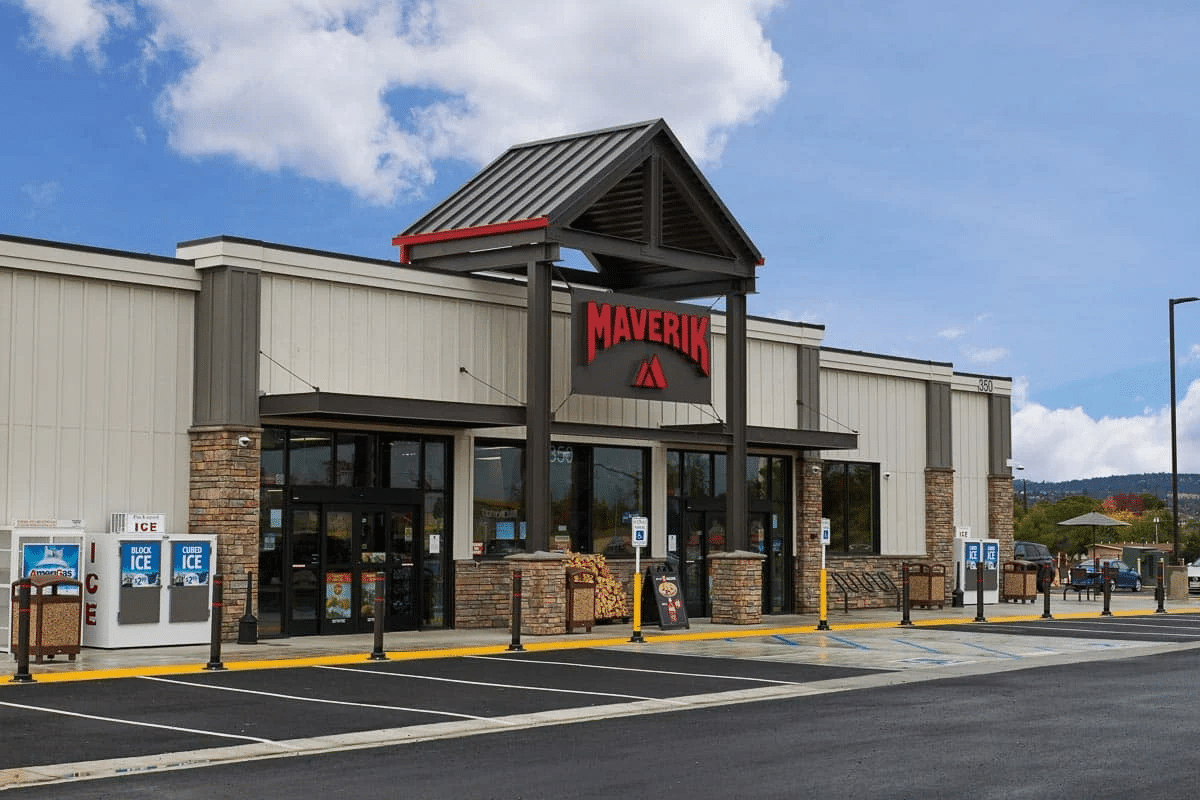
6 Gas Station Chains With Food So Good It’s Worth Driving Out Of Your Way For
We scoured the Internet to see what people had to say about gas station food. If you think the only things available are wrinkled hot dogs of indeterminate age and day-glow slushies, we’ve got great, tasty news for you. Whether it ends up being part of a regular routine or your only resource on a long car trip, we have the food info you need.
Let’s look at 6 gas stations that folks can’t get enough of and see what they have for you to eat.