We rarely think about it, but the way we carry a bag quietly shapes how others experience public space around us.
I’ll admit it—I never really thought about bag etiquette until I caught myself blocking half a train aisle with my oversized tote. A stranger gave me that look, and suddenly I realized bags have their unspoken rules. They’re not just accessories or practical carry-alls; they can impact how much space you take up, how comfortable others are, and even how people perceive you.
A study by Willis & Todorov, published in Psychological Science, found that people form reliable first impressions in just 100 milliseconds, and yes, your bag habits can be part of that story. Here are the little things you may not know about bag etiquette, but should.
Don’t claim an extra seat with your bag
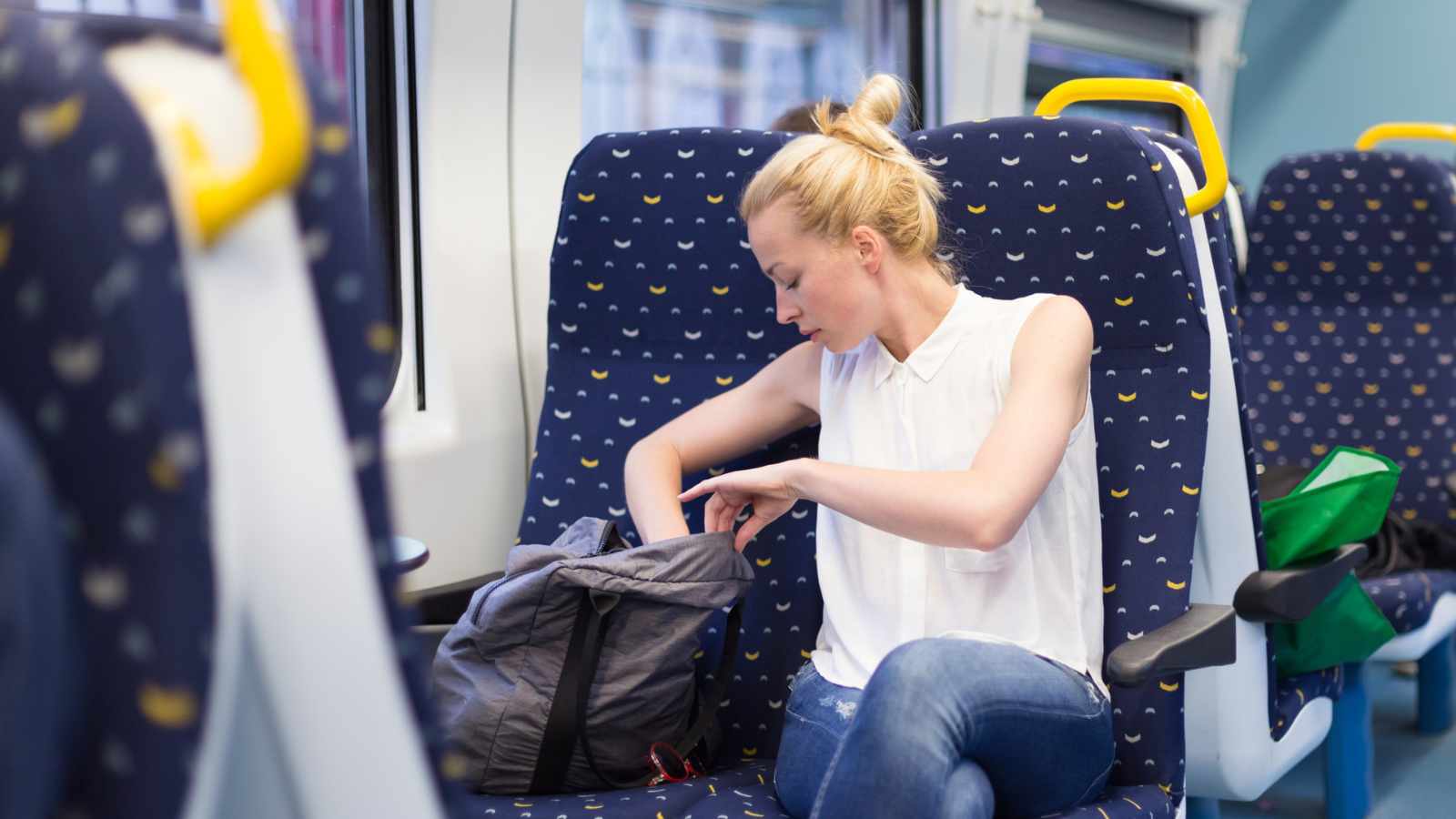
Public seating is often limited, so your bag doesn’t need its own chair. Transit authorities in cities like New York have even run campaigns reminding riders to keep bags off seats.
It may seem harmless, but it can come across as inconsiderate when someone’s left standing. A bag on your lap or under your feet is usually more polite. Plus, it keeps things moving without awkward “Can I sit there?” exchanges.
Keep straps close in crowded spaces
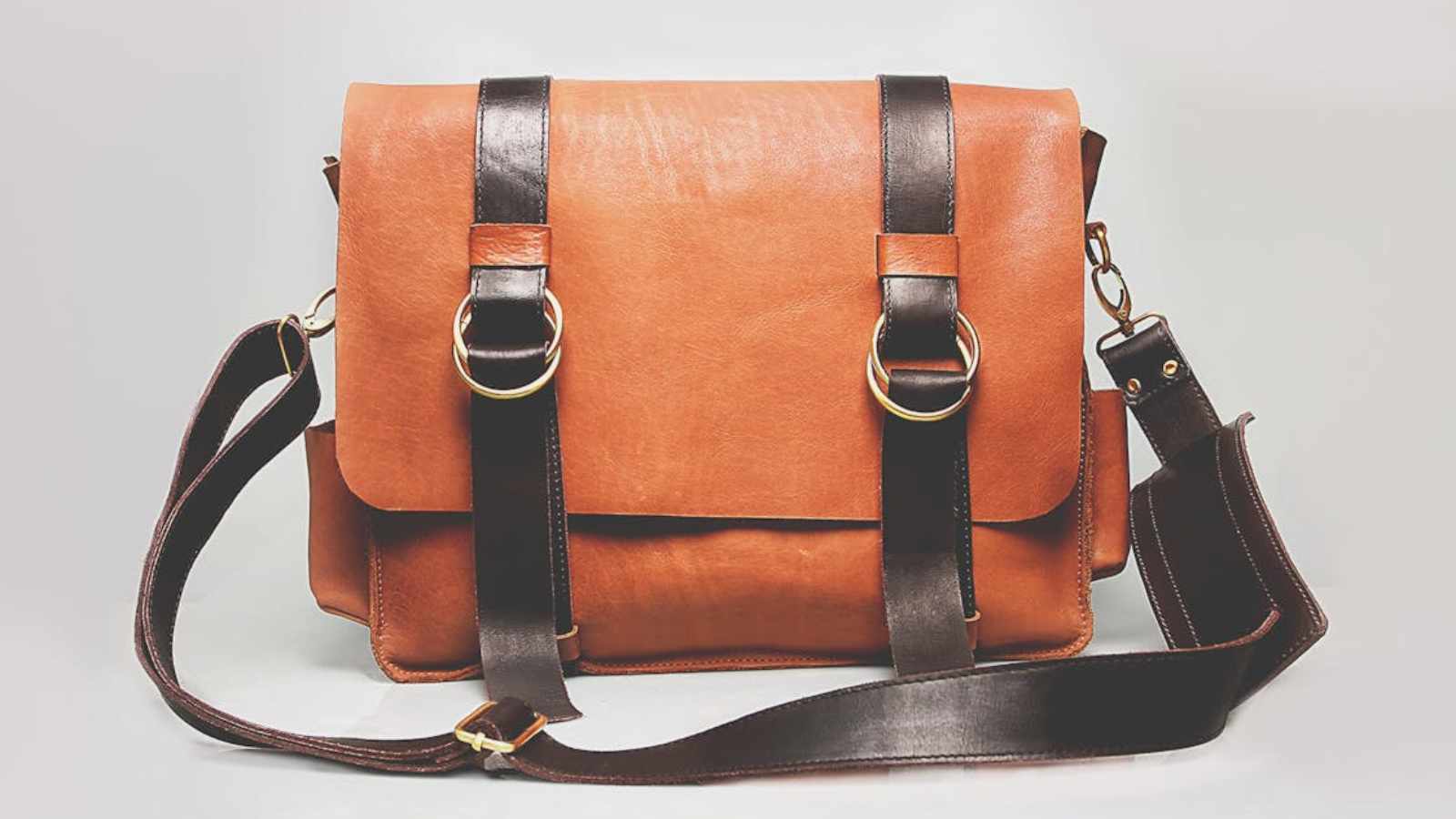
Long, dangling straps can easily become tripping hazards in crowded areas. Trips and falls are among the top causes of nonfatal injuries in public spaces. Wrapping your straps or holding your bag closer keeps everyone safer.
It also saves you the embarrassment of accidentally whipping someone with your shoulder bag. A little awareness goes a long way in tight quarters.
Avoid swinging your bag while walking
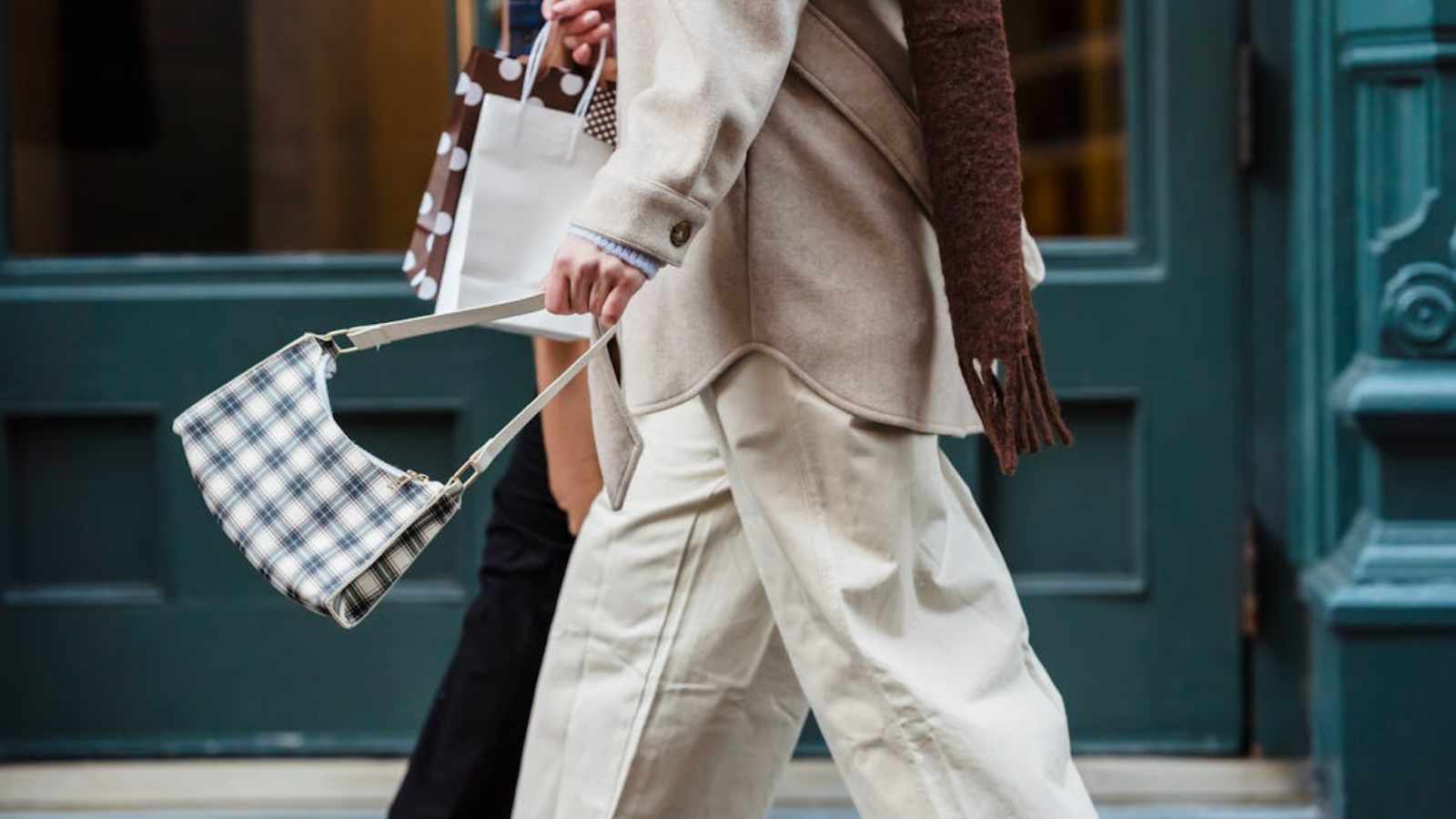
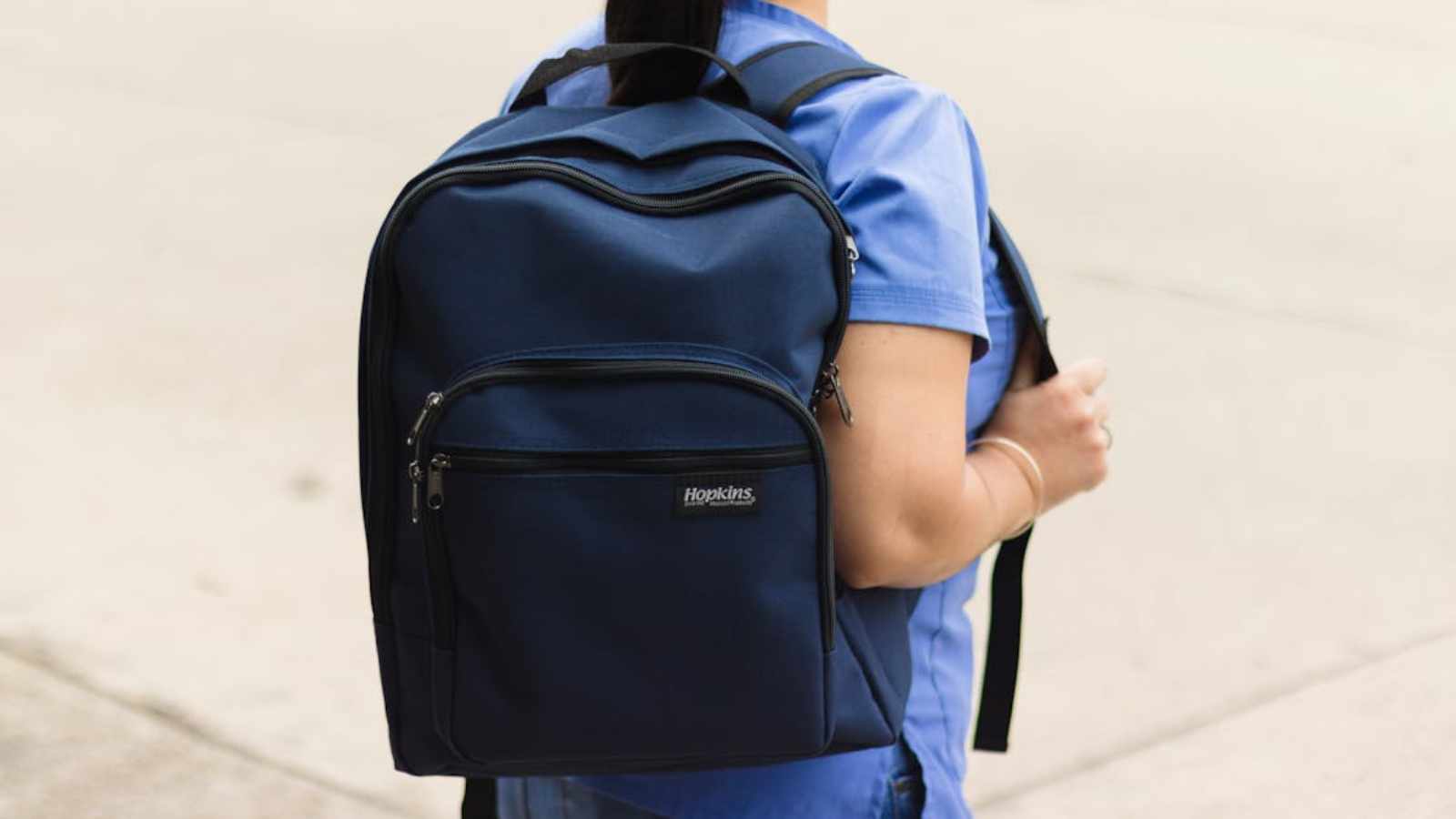
It’s easy to forget, but a swinging bag can bump into strangers like a wrecking ball. People carrying backpacks often underestimate the amount of extra space they occupy. Some transit agencies actually recommend removing your backpack in crowded trains or buses for this reason.
Holding your bag at your side makes navigating through crowds smoother for everyone. Nobody wants to be smacked by a rogue tote on their morning commute.
Be mindful when placing bags on tables

Not everyone loves the idea of bags on dining tables, especially since handbags can carry more bacteria than a toilet seat, based on a Fox News report. It’s one of those facts you can’t unknow once you’ve heard it.
If you’re dining out, placing your bag on a chair or a hook is more considerate. Many restaurants even offer small stands or hooks under tables for this reason. It’s a subtle move, but it shows respect for the shared space.
Don’t block narrow walkways
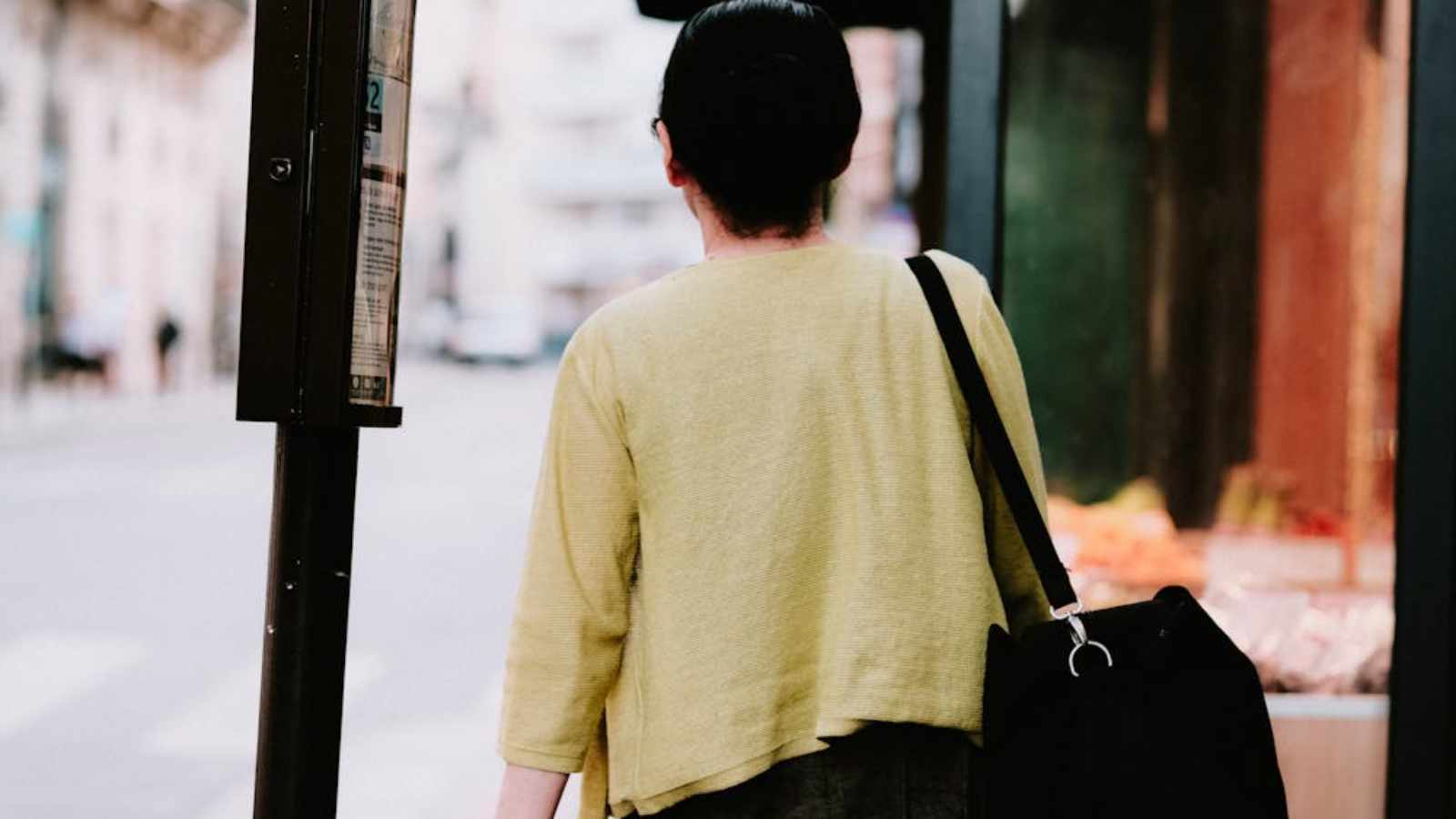
Bags have a way of making people unintentionally wider. In a narrow hallway or shop aisle, it can make it tricky for others to pass. Being aware of your bag’s “footprint” keeps things flowing and avoids bottlenecks.
Objects carried at the side reduce speed for everyone in tight spaces. A quick bag adjustment can make the difference between a smooth pass and a shoulder shuffle.
Keep bags zipped in public spaces
An open bag isn’t just an invitation for lost items; it’s also a pickpocket’s dream. Security experts and travel safety guides consistently warn that open bags and unzipped backpacks are prime targets for petty theft.
Beyond security, it can appear messy or careless if items are scattered everywhere. Taking a second to zip up keeps you organized and safe. It’s one of those small habits that makes a big difference.
Respect personal space when carrying a backpack
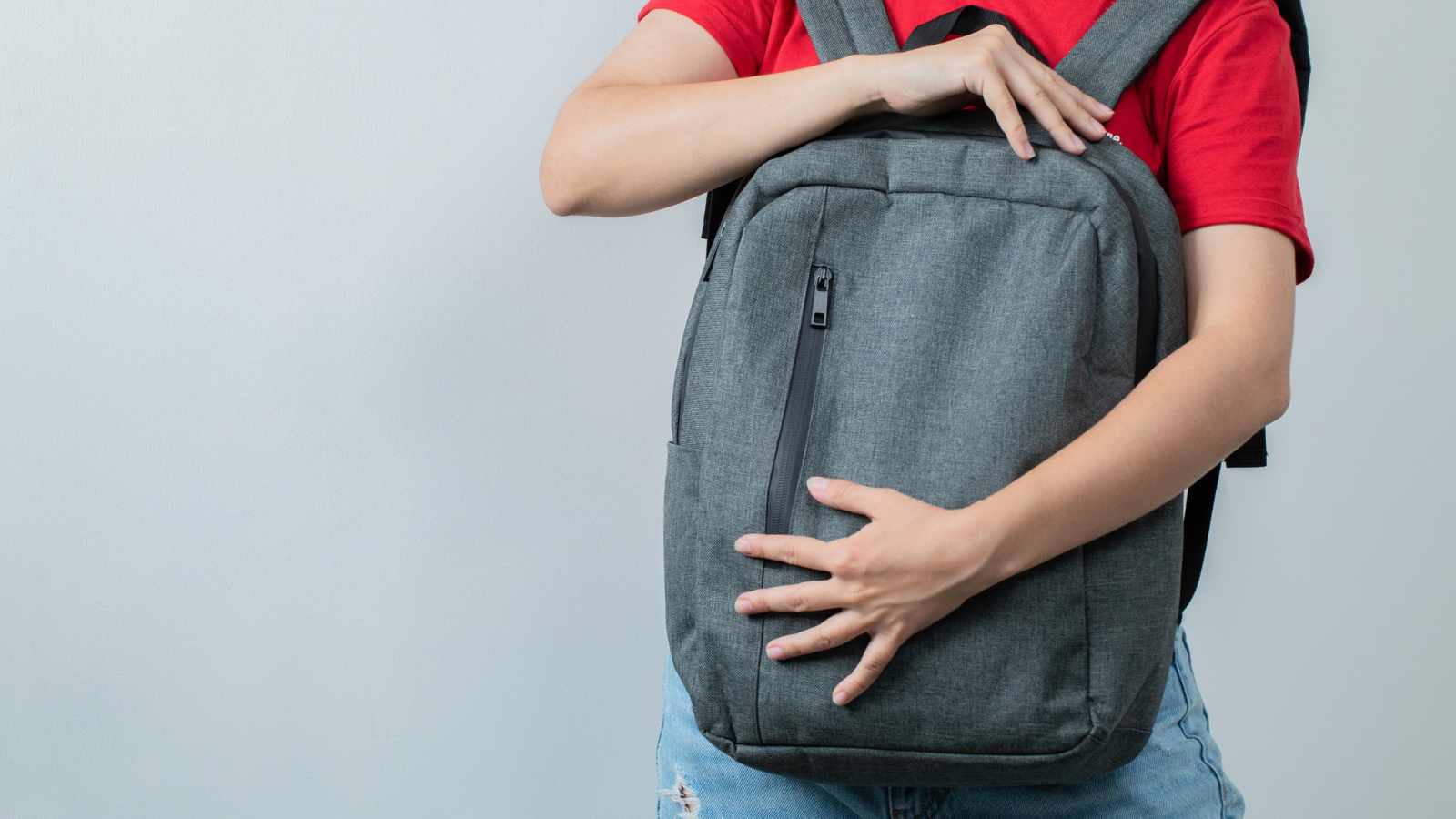
Backpacks are practical, but they can unintentionally invade someone else’s bubble. On public transport, experts often suggest slipping it off and holding it in front of you when it’s crowded.
Save this article
It reduces bumping and gives you more control over your space. It also signals thoughtfulness to the people around you. After all, nobody wants to spend a commute with a backpack pressing into their ribs.
Know when to put your bag down at social events
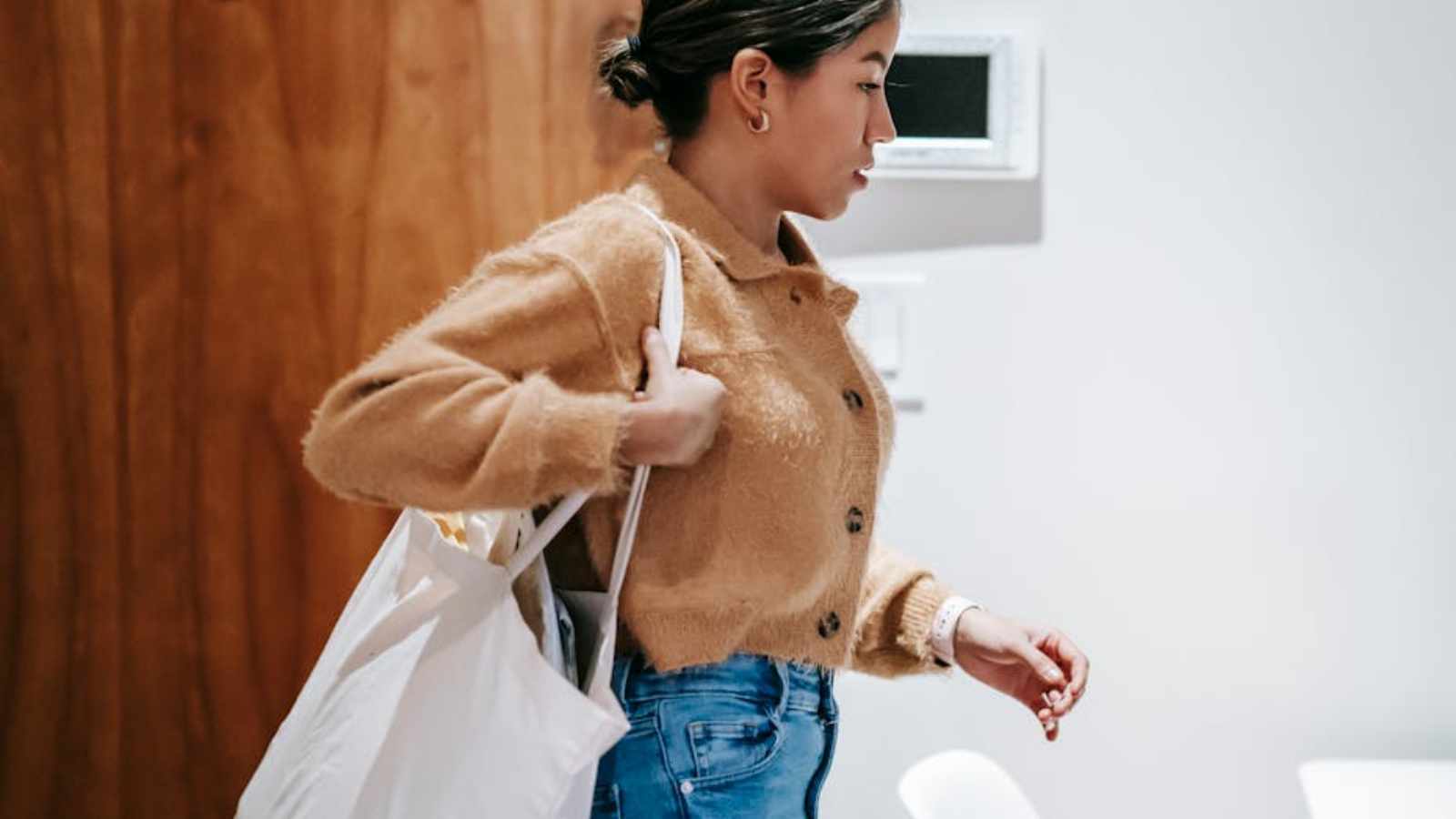
Walking into a small gathering with a giant tote on your arm can feel a little like bringing luggage. At parties, weddings, or even office meetups, it’s often better to set your bag aside. Smaller clutches or crossbody styles are easier to manage in those settings.
You’ll feel lighter and less encumbered, and others will appreciate the freed-up space. Plus, you won’t spend half the night worrying about knocking over someone’s drink.
Be aware of the noise from your bag
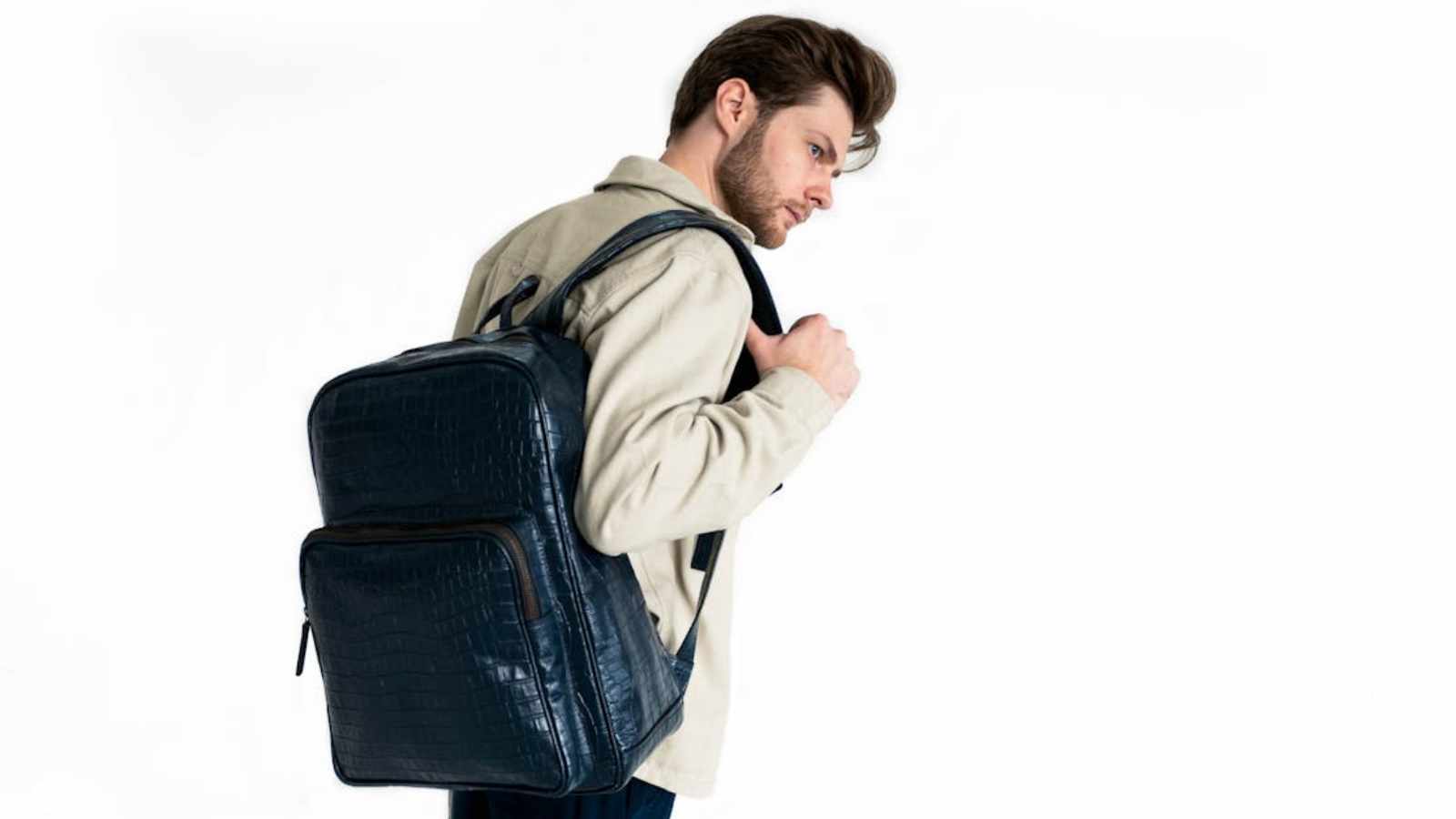
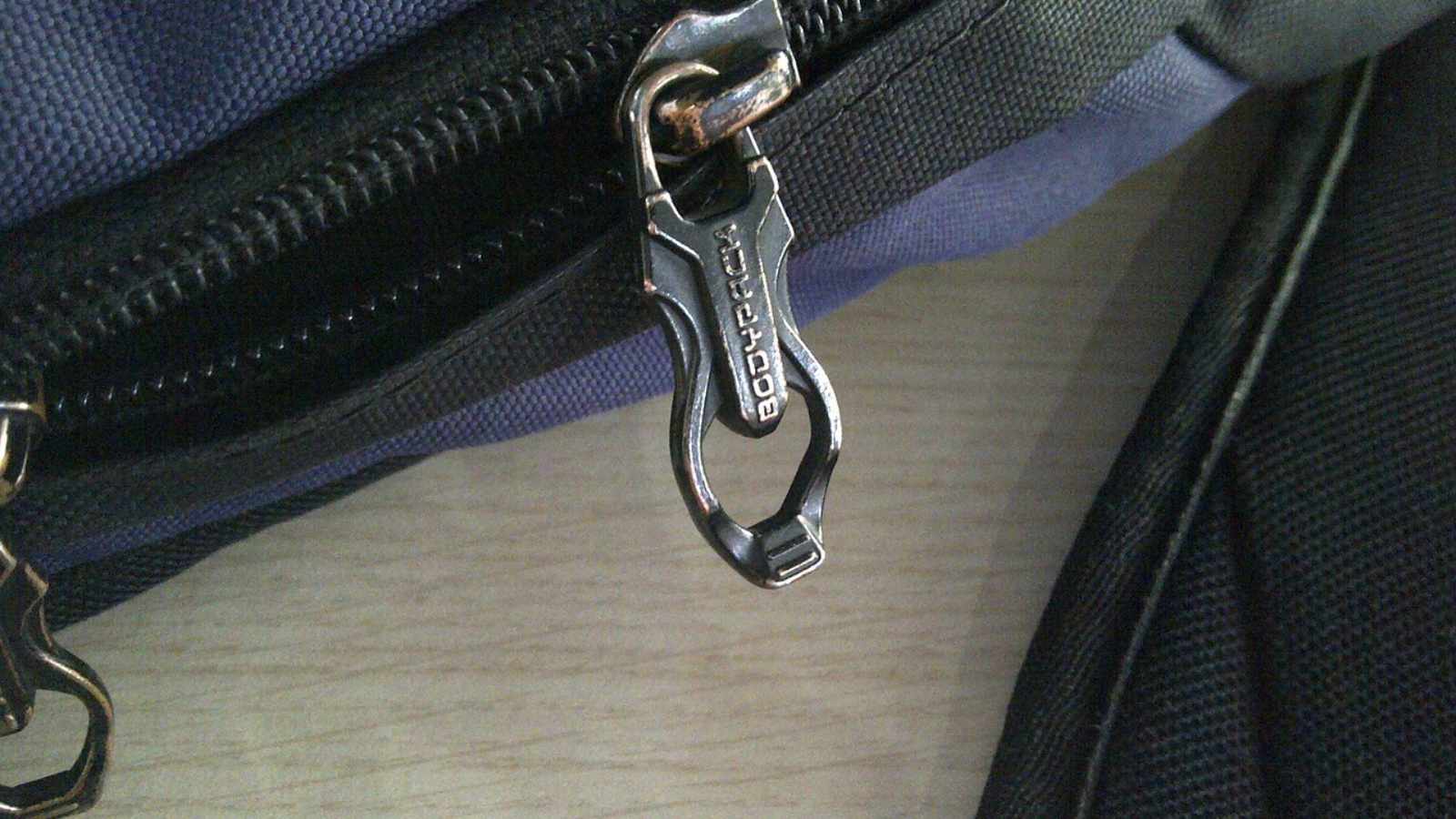
Bags can be noisy. The constant jingling of keys, clinking of metal zippers, or squeaky straps can become distracting in quiet environments, such as libraries or offices.
Studies on environmental noise show that even low-level disruptions can impact concentration. Keeping noisy items tucked away or using small pouches helps reduce the racket. A quieter bag is one fewer distraction for everyone.
Don’t crowd the checkout line with oversized bags

Grocery and retail staff often notice how much slower lines move when large bags are sprawled across counters. If you’ve got a tote or backpack, placing it neatly by your feet makes the process smoother for everyone.
Reports indicate that waiting in line is one of the most common and frustrating experiences for shoppers, often leading to negative emotions such as boredom, impatience, and even anger. Clearing space keeps things efficient and considerate. It’s a simple fix that makes everyone’s day a little easier.
Key takeaways
Bags affect shared spaces more than you think. From blocking seats to clogging narrow aisles, being mindful of where you place or carry your bag makes life easier for everyone.
Safety and comfort come first. Keeping straps close, avoiding swinging bags, and respecting personal space with backpacks prevents accidents and awkward encounters.
Cleanliness and presentation matter. Avoid placing bags on tables, keep them zipped, and minimize noise to maintain both hygiene and courtesy in public.
Adapt your bag habits to the setting. Whether at a social event, on a crowded train, or in a checkout line, adjusting how you carry or store your bag shows thoughtfulness and awareness.
Disclaimer – This list is solely the author’s opinion based on research and publicly available information. It is not intended to be professional advice.
16 grocery staples to stock up on before prices spike again
16 Grocery Staples to Stock Up On Before Prices Spike Again
I was in the grocery store the other day, and it hit me—I’m buying the same things I always do, but my bill just keeps getting higher. Like, I swear I just blinked, and suddenly eggs are a luxury item. What’s going on?
Inflation, supply-chain delays, and erratic weather conditions have modestly (or, let’s face it, dramatically) pushed the prices of staples ever higher. The USDA reports that food prices climbed an additional 2.9% year over year in May 2025—and that’s after the inflation storm of 2022–2023.
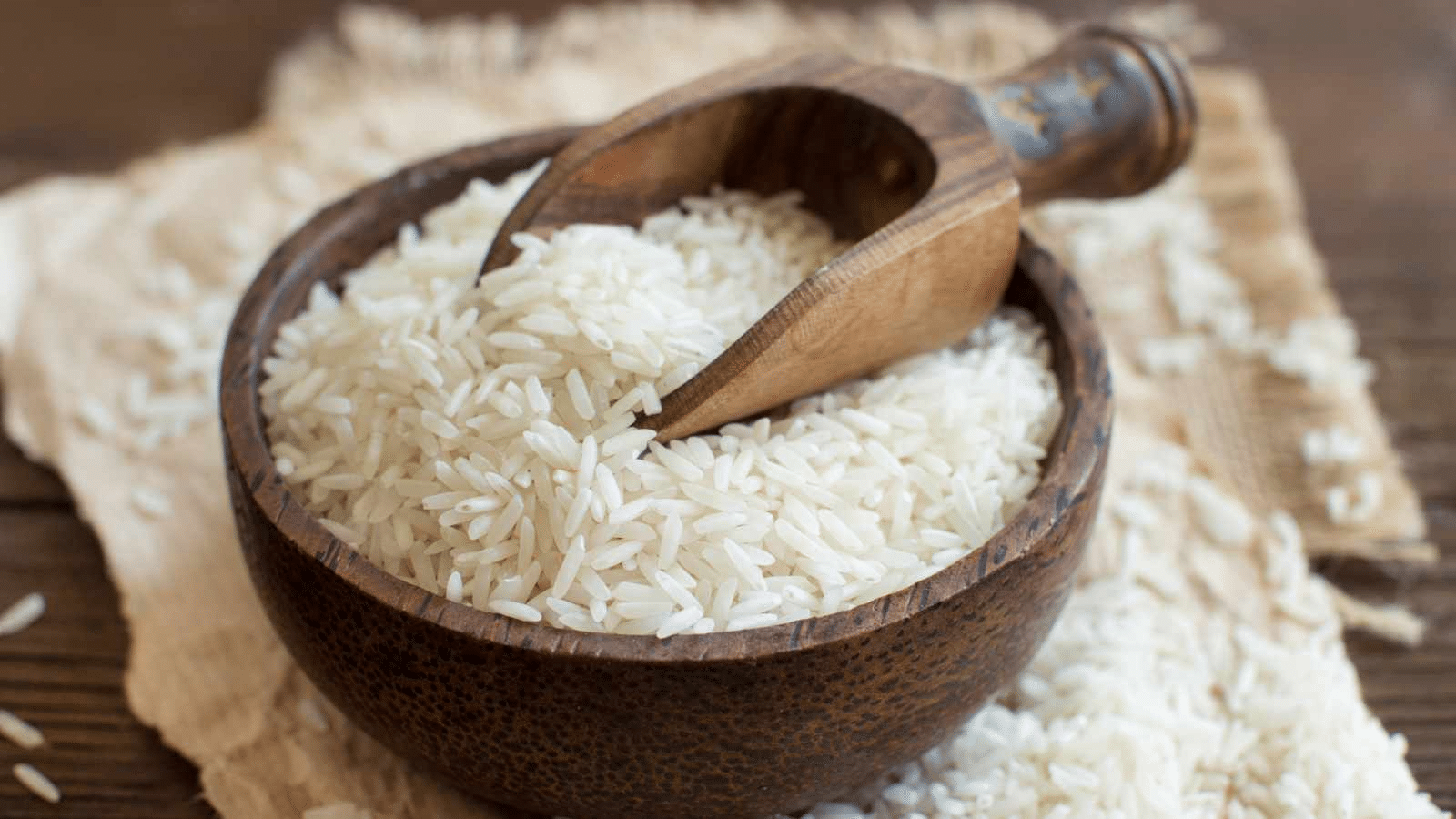
So, if you’ve got room in a pantry, freezer, or even a couple of extra shelves, now might be a good moment to stock up on these staple groceries—before the prices rise later.
6 gas station chains with food so good it’s worth driving out of your way for
6 Gas Station Chains With Food So Good It’s Worth Driving Out Of Your Way For
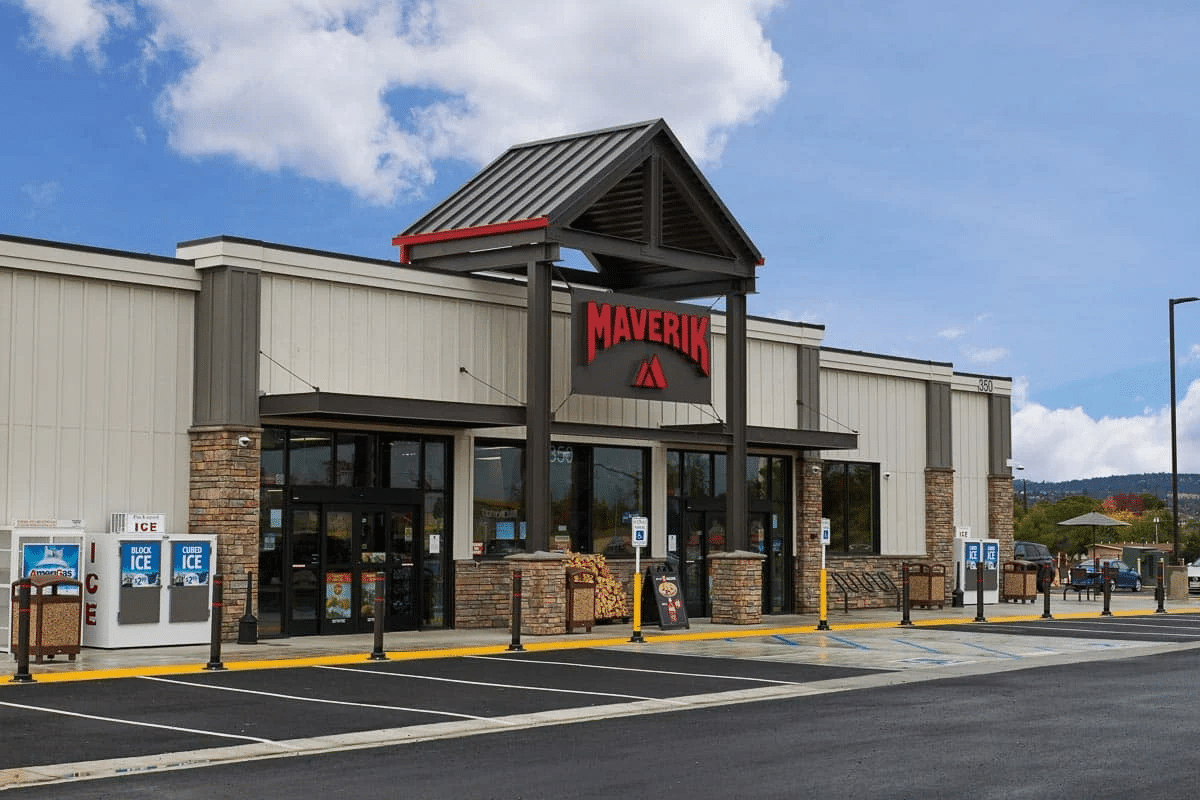
We scoured the Internet to see what people had to say about gas station food. If you think the only things available are wrinkled hot dogs of indeterminate age and day-glow slushies, we’ve got great, tasty news for you. Whether it becomes part of a routine or your only resource on a long car trip, we have the food information you need.