Sometimes the best meals come from the back of the pantry when you’re too tired to turn on the stove.
I know it’s not just me who has had those days when the idea of chopping, sautéing, or simmering feels like way too much. That’s where canned foods come to the rescue. A 2007 study published in the Journal of the Science of Food and Agriculture found that canned fruits and vegetables can retain nutrient levels comparable to those of fresh or frozen options.
In some cases, they even exceed them—like canned tomatoes, which can have higher lycopene bioavailability due to heat processing, making lycopene more absorbable. Pop open these 12 canned foods, grab a fork, and enjoy a surprisingly satisfying meal.
Canned tuna

Canned tuna has been the go-to pantry hero for decades, and it still earns its spot on the shelf. With around 20 grams of protein per serving, it’s a quick way to boost your energy without cooking a thing. Tuna is also one of the best dietary sources of omega-3 fatty acids, which support brain health and lower inflammation.
Plus, you can dress it up with a squeeze of lemon or just eat it straight out of the can on crackers. It’s simple, filling, and far more nutritious than people give it credit for.
Canned salmon

Salmon in a can might not sound glamorous, but it’s a powerhouse. One serving contains about 23 grams of protein, plus vitamin D and calcium if you eat the soft bones. It’s also loaded with heart-friendly omega-3s, making it a smart choice for your long-term health.
In fact, the American Heart Association recommends eating fish, especially fatty fish like salmon, at least twice a week. Some people mash it with a bit of mayo, others eat it plain with a fork—it works either way.
Canned mackerel
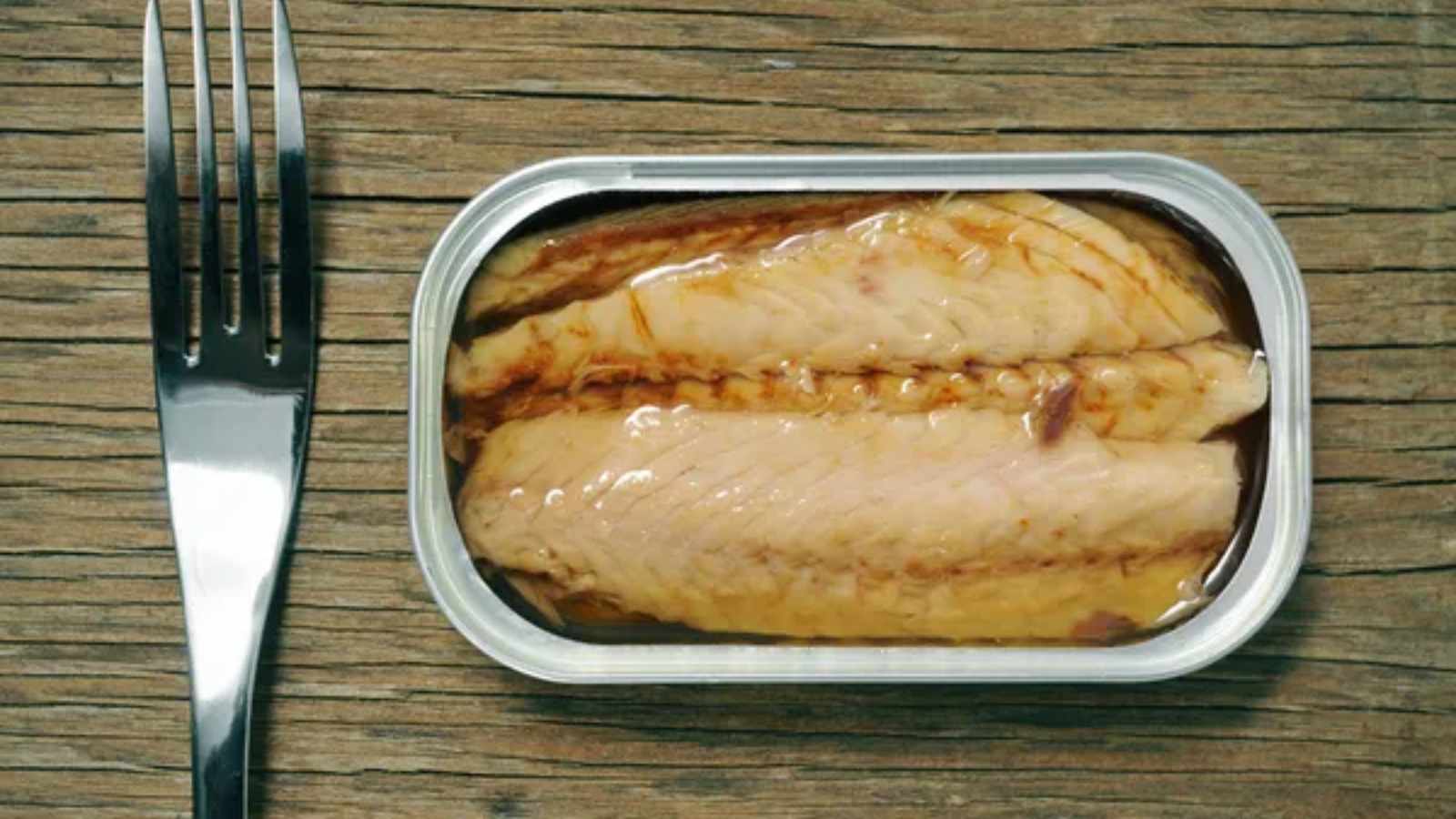
Mackerel doesn’t always get the spotlight, but it’s a nutritional gem. A serving packs around 19 grams of protein, along with substantial amounts of vitamin D and selenium. It’s also lower in mercury compared to some other fish, which makes it a safer choice for frequent eating.
The flavor is rich and meaty, making it perfect to eat on its own or with a squeeze of lemon. It’s one of those options that feels hearty without any cooking at all.
Canned chickpeas

If you’ve ever eaten hummus, you already know chickpeas can be delicious without heat. Straight from the can, they’re creamy, mild, and incredibly versatile. Chickpeas provide approximately 7 grams of protein and 20 grams of carbohydrates per 100 grams, keeping you fuller for a more extended period.
They’re also rich in iron and folate, two nutrients that support energy and overall wellness. Toss them into a salad, snack on them with a bit of seasoning, or eat them plain—no prep required.
Canned sardines

Sardines don’t get enough love, but they deserve a spot on the no-cook list. Packed with calcium, vitamin B12, and healthy fats, they’re one of the most nutrient-dense foods you can buy.
In fact, a small can of sardines offers more calcium than a glass of milk, thanks to their edible bones. A small can of sardines in oil with bones provides around 325–350 mg of calcium, while one cup of whole milk offers about 275–300 mg of calcium.
They’re rich and savory, with a flavor that’s bold but rewarding. Paired with bread or straight from the tin, they’re the kind of snack that feels indulgent yet nourishing.
Canned beans

Black beans, kidney beans, white beans—take your pick, they all hold up beautifully straight out of the can. With protein and fiber working together, beans help keep your blood sugar stable and your stomach satisfied. A half-cup serving has around 7 grams of protein and nearly 6 grams of fiber.
They’re also naturally high in magnesium and potassium, minerals that support heart health. Add them to a wrap, sprinkle them over a salad, or eat them cold with a drizzle of olive oil.
Canned corn

Sweet, crunchy, and ready to eat—canned corn doesn’t need a skillet to shine. It’s naturally high in vitamin C and antioxidants like lutein and zeaxanthin, which support eye health. Sweet yellow canned corn (½ cup / ~105g) typically contains about 2 grams of fiber, which is roughly 8% of the daily value.
This includes both soluble and insoluble fiber, which help regulate cholesterol levels, manage blood sugar, and promote digestive health. The flavor is sweet enough to enjoy straight from the can, and it pairs easily with beans, tomatoes, or avocado. When you want something quick and refreshing, corn is an underrated option.
Canned olives

Olives aren’t a “meal,” but they’re an instant flavor booster and beautifully filling. Monounsaturated fats, the same heart-healthy type found in olive oil, are present in them. A small portion also provides vitamin E, which benefits skin and immune function.
Pop a few from the can and you’ve got a salty, savory snack that feels satisfying. They’re also perfect for grazing boards or tossing into a salad with zero effort.
Save this article
Canned tomatoes
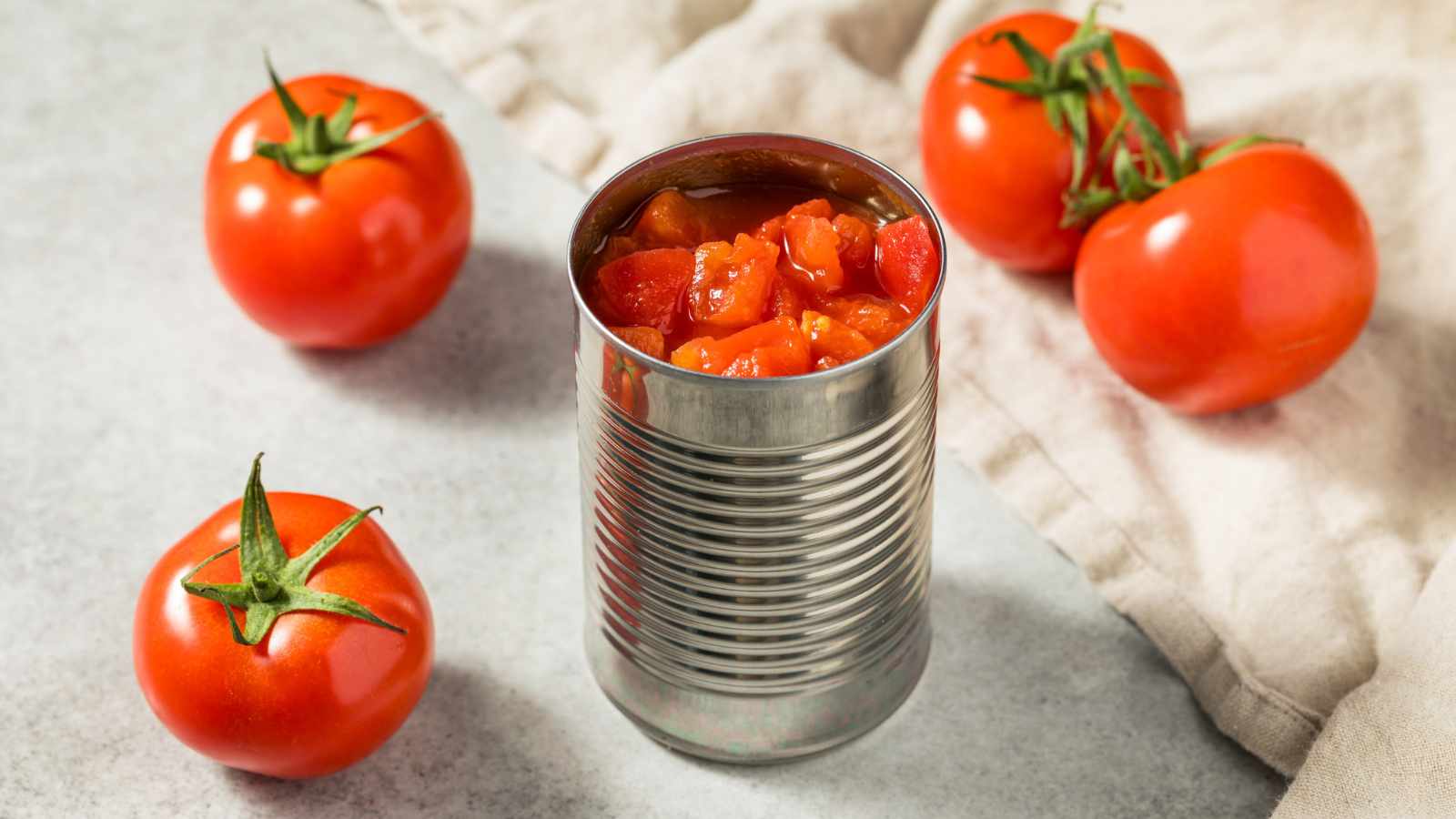
Canned tomatoes might seem like they need to be cooked, but they’re just fine straight from the can. They’re packed with lycopene, an antioxidant linked with reduced risks of heart disease and certain cancers. A half-cup contains close to 15% of your daily vitamin C needs.
They’re tart, sweet, and wonderful to snack on raw or tossed into a cold salad. If you’ve ever tasted a spoonful from the can while you’re preparing something, then you understand how wonderful they taste by themselves.
Canned peaches

Canned fruit can be incredibly refreshing, especially when you don’t have much time to grab something sweet. Canned peaches are rich in vitamin C, potassium, and naturally sweet, offering a soothing flavor.
If they’re packed in juice rather than syrup, you’re also getting fewer added sugars. A half-cup serving provides approximately 2 grams of fiber, making it a light yet filling snack. Cold from the fridge, they’re a no-prep dessert you’ll keep going back to.
Canned pineapple

Pineapple brings a splash of sunshine to the shelf in the pantry. It’s also high in vitamin C and manganese, a trace element essential for bone health and metabolism. Pineapple also contains bromelain, an enzyme that aids digestion and soothes inflammation.
Right out of the can, pineapple is juicy, tart, and always refreshing. Serve it mixed with yogurt or straight up—it never goes out of style.
Canned artichokes

Artichokes need not be relegated to pizza toppings or dips. Straight from the can, they are tender, tasty, and nutrient-rich. A single serving provides fiber, vitamin K, and folate, all of which support overall health and well-being.
They’re also rich in antioxidants and rank among the top vegetables in antioxidant levels. Eat them on their own, toss them into a salad, or mix them with olives for a fast snack platter.
Key takeaways

Canned foods can be a healthy and convenient option. Many options, such as tuna, salmon, sardines, and beans, are packed with protein, healthy fats, and fiber that fuel your body without any preparation.
They offer surprising nutritional value. From calcium in sardines to antioxidants in tomatoes and artichokes, canned foods retain essential vitamins and minerals.
No stove required for flavor. Canned foods, such as sweet peaches, tangy pineapple, or savory olives, bring freshness and variety straight from the can.
They’re versatile pantry staples. Eaten plain, tossed in salads, or paired with other no-cook items, these foods make quick meals and snacks feel satisfying and nourishing.
Disclaimer – This list is solely the author’s opinion based on research and publicly available information. It is not intended to be professional advice.
16 grocery staples to stock up on before prices spike again
16 Grocery Staples to Stock Up On Before Prices Spike Again
I was in the grocery store the other day, and it hit me—I’m buying the same things I always do, but my bill keeps getting higher. Like, I swear I just blinked, and suddenly eggs are a luxury item. What’s going on?
Inflation, supply-chain delays, and erratic weather conditions have modestly (or, let’s face it, dramatically) pushed the prices of staples ever higher. The USDA reports that food prices climbed an additional 2.9% year over year in May 2025—and that’s after the inflation storm of 2022–2023.
So, if you’ve got room in a pantry, freezer, or even a couple of extra shelves, now might be a good moment to stock up on these staple groceries—before the prices rise later.
6 gas station chains with food so good it’s worth driving out of your way for

6 Gas Station Chains With Food So Good It’s Worth Driving Out Of Your Way For
We scoured the Internet to see what people had to say about gas station food. If you think the only things available are wrinkled hot dogs of indeterminate age and day-glow slushies, we’ve got great, tasty news for you. Whether it becomes part of a routine or your only resource on a long car trip, we have the food information you need.
Let’s look at six gas stations that folks can’t get enough of and see what they have for you to eat.