

Let’s talk about the elephant in the room—money. It’s the topic that can make a fun date night turn frosty in seconds. According to Fidelity’s 2024 Couples and Money study, a whopping 45% of partners argue about money at least some of the time. For a full quarter of couples, it’s their single biggest relationship challenge. Think about that. One in four couples says money is their number one problem.
But here’s the good news. Getting on the same page about money doesn’t have to be a battle. It’s actually one of the best ways to build a stronger, more trusting partnership. As financial expert Robert C. Dodds put it, “The goal in marriage is not to think alike about money, but to think together.”
So, let’s get you thinking together. Here are 12 simple, effective habits that can help you and your partner ditch the debt and build a richer life—together.
Talk it out (before it becomes a shouting match)

You have to talk about money. Early and often. It sounds simple, but a shocking number of couples avoid it. A 2025 survey conducted by Western & Southern Financial Group revealed that about one in four couples wait until after they’re married to discuss debt and other financial issues. That’s like waiting until you’re on the highway to ask your partner if they know how to drive.
Open communication is the absolute bedrock of financial success. A Ramsey Solutions survey found that 94% of couples who describe their marriage as “great” discuss their financial goals together. Compare that to just 45% of couples who say their marriage is “okay” or “in crisis.”
Talking about money isn’t about inviting a fight. It’s about building trust and transparency, which are the keys to tackling any financial challenge as a team.
Figure out your money personalities
Ever feel like you and your partner are from different financial planets? You probably are. Most of us fall into a few basic “money personalities,” and understanding them is a game-changer. It’s not about one person being “right” and the other “wrong.” It’s about knowing your team’s strengths and weaknesses.
For example, when a saver marries a spender, it can feel like a constant tug-of-war. But it’s not really about the money. It’s a clash of core emotional needs: security versus happiness and freedom.
Recognizing this changes the conversation from “You spend too much!” to “How can we create a plan that helps us feel both secure and happy?”.
Come clean about every single debt
This one is non-negotiable. You have to lay all your financial cards on the table. Financial secrecy, or “financial infidelity,” is way more common than you think. A recent Bankrate survey found that a staggering 40% of U.S. adults in a relationship have kept a financial secret from their partner.
This isn’t a small white lie. For many, it’s a massive breach of trust. In fact, the same survey found that 45% of Americans believe that keeping financial secrets is just as bad as—or even worse than—physical cheating.
Lying about debt can be a relationship-ender. The debt itself isn’t usually the dealbreaker. It’s the dishonesty. Honesty and a plan are the ultimate green flags.
Team up on a spending plan you’ll actually use

Let’s stop using the word “budget.” It sounds restrictive, and let’s be honest, it’s no fun at all. Instead, think of it as a “spending plan.” You’re not cutting back on everything; you’re just telling your money where you want it to go. You’re being intentional.
As the legendary financial coach Dave Ramsey says, “Marriage is a partnership, and couples can’t win with money unless they budget as a team.”
A great place to start is the 50/30/20 rule. It’s simple: 50% of your take-home pay goes to Needs (housing, utilities, groceries, transportation), and 30% goes to Wants (dining out, hobbies, entertainment). 20% goes to Savings & Debt Repayment (emergency fund, retirement, credit card payments).
This isn’t about getting it perfect. It’s about creating a plan together that reflects your shared priorities. Luckily, you don’t have to do it with a pen and paper. There are some amazing apps designed specifically to help couples manage money as a team. For example, Monarch Money, Honeydue, YNAB (You Need A Budget), and EveryDollar.
Decide on your bank account strategy: yours, mine, or ours?
There’s no one-size-fits-all answer here. The best system is the one that you both agree on and that works for your relationship. A Western & Southern Financial Group survey found that couples with joint savings accounts report the highest marital satisfaction (94%) compared to those with only personal accounts (82%).
But a joint account isn’t a magic wand. The key isn’t the account structure itself, but the communication you build around it. The hybrid approach is often a great compromise, offering both teamwork and a healthy dose of financial independence.
Set shared goals you’re both genuinely excited about
Nothing unites a team like a common goal. Working toward something exciting together is one of the best ways to get on the same financial page. As Wealth Advisor Chris Gautier explains, “Couples who come together as a team with a shared set of goals often have the best outcomes.”
It’s important to discuss both your individual goals (such as paying off a student loan) and your shared goals (like saving for a down payment or taking that dream trip to Japan). This ensures you’re supporting each other, not competing for the same dollars.
Build your ‘uh-oh’ fund as a team
Life happens. The car breaks down, the water heater gives out, or you’re hit with an unexpected medical bill. An emergency fund is your financial fire extinguisher. It’s not an investment; it’s insurance. It’s a pot of money set aside only for true, unexpected emergencies.
The expert rule of thumb is to save 3 to 6 months’ worth of essential living expenses in a separate, easy-to-access savings account. If you’re a single-income household or your income is unpredictable, you might even want to aim for more.
Why is this so important? Because without an “uh-oh” fund, those unexpected expenses almost always end up on a high-interest credit card, digging you deeper into debt. An emergency fund stops the debt cycle before it starts.
It’s also a massive stress reducer. When a crisis hits, having that cushion allows you to focus on solving the actual problem, rather than panicking about how you’ll pay for it. Think of it as an investment in your future peace of mind.
Pick a debt-crushing plan and stick to it
If you have debt, you need a clear and unified plan to tackle it. Just making minimum payments is a recipe for staying in debt for decades. The two most popular and effective strategies are the Debt Snowball and the Debt Avalanche. The best one is simply the one you’ll both stick with.
Here’s the quick breakdown
- The Debt Snowball: You list your debts from the smallest balance to the largest. You make minimum payments on everything, but throw every extra dollar you have at the smallest debt. Once it’s gone, you roll that payment onto the next-smallest debt.
- The Pro: You get quick, motivating wins. Paying off that first small debt feels amazing and gives you the momentum to keep going.
- The Debt Avalanche: You list your debts from the highest interest rate to the lowest. You make minimum payments on everything, but throw every extra dollar at the debt with the highest interest rate.
- The Pro: This method is mathematically superior. You’ll pay less in total interest and get out of debt slightly faster.
So, which should you choose? Have a conversation. Are you a couple that thrives on quick wins and positive reinforcement? The Snowball might be for you. Are you motivated by pure efficiency and saving the most money possible? Go for the Avalanche.
Save this article
The choice of method is less important than the choice to work together as a team.
Make ‘money dates’ a regular thing

If the only time you talk about money is when you’re stressed or angry, you’re doing it wrong. Enter the “money date.”
It’s a scheduled, low-pressure time to check in on your finances, track your progress, and make sure you’re still on the same page. It turns a dreaded chore into a positive, productive ritual.
A regular money date prevents small issues from snowballing into big arguments. It’s a proactive investment in both your financial health and your relationship’s health.
Put your finances on autopilot
The easiest way to save money and pay your bills on time is to remove yourself from the equation. Automate everything. This is the “pay yourself first” principle in action. Before you have a chance to spend a dime, your money is already working for you.
Set up automatic transfers that happen the day you get paid. As author Ramit Sethi’s philosophy suggests, automating your finances creates a “bulletproof money system“. It reduces decision fatigue—the mental energy you waste every month deciding how much to save or when to pay bills.
When your financial plan runs on autopilot, you’re guaranteed to make progress toward your goals without even thinking about it. It’s the simplest, most powerful financial habit you can build.
Agree on a ‘no-questions-asked’ spending number
Being a financial team doesn’t mean you need permission to buy a cup of coffee. A little financial autonomy is healthy. A simple way to avoid arguments over small purchases is to agree on a spending threshold.
Here’s how it works: you both agree on a dollar amount—say, $100. Any purchase below that amount is fair game, no questions asked. But any purchase above that amount requires a quick conversation first. This isn’t about control; it’s about respect and communication. It ensures that any major purchase that could impact your shared goals is a joint decision.
This is a surprisingly common habit among financially savvy couples. One survey by Experian found that 54% of couples already have a set limit for purchases that require a discussion.
This one simple rule can eliminate dozens of potential small arguments, freeing you up to focus on the big picture.
Become financially literate, together

Your financial education probably didn’t get much attention in high school. That’s okay. The most successful couples make learning about money a lifelong, shared activity. Financial literacy is the knowledge and skills necessary to make informed financial decisions. And the more you know, the better decisions you’ll make. Research indicates that individuals with low financial literacy are more likely to incur costly loans and accumulate less wealth over time.
You don’t need to become a Wall Street expert. Just commit to learning the basics together. When you learn together, you build a shared language and a shared foundation of knowledge. It empowers you both to participate equally in building the life you want.
Key takeaway
Feeling overwhelmed? Don’t be. Building great money habits as a couple boils down to a few simple ideas. If you remember nothing else, remember this:
Build a Safety Net. An emergency fund with 3-6 months of expenses is your ultimate stress-reducer and debt-prevention tool. Prioritize it above all else.
Talk Openly & Honestly. The foundation of a debt-free partnership is constant, honest communication about money. Don’t wait for a crisis to start talking.
Be a Team. Create a shared spending plan, set exciting goals together, and tackle debt with a unified strategy. It’s “our” money, not “yours vs. mine.”
Automate Everything. Use technology to your advantage. Automate your savings and bill payments to reduce stress and guarantee you’re always making progress.
Disclaimer – This list is solely the author’s opinion based on research and publicly available information. It is not intended to be professional advice.
16 grocery staples to stock up on before prices spike again

16 Grocery Staples to Stock Up On Before Prices Spike Again
I was in the grocery store the other day, and it hit me—I’m buying the exact same things I always do, but my bill just keeps getting higher. Like, I swear I just blinked, and suddenly eggs are a luxury item. What’s going on?
Inflation, supply-chain delays, and erratic weather conditions have modestly (or, let’s face it, dramatically) pushed the prices of staples ever higher. The USDA reports that food prices climbed an additional 2.9% year over year in May 2025—and that’s after the inflation storm of 2022–2023.
So, if you’ve got room in a pantry, freezer, or even a couple of extra shelves, now might be a good moment to stock up on these staple groceries—before the prices rise later.
6 gas station chains with food so good it’s worth driving out of your way for
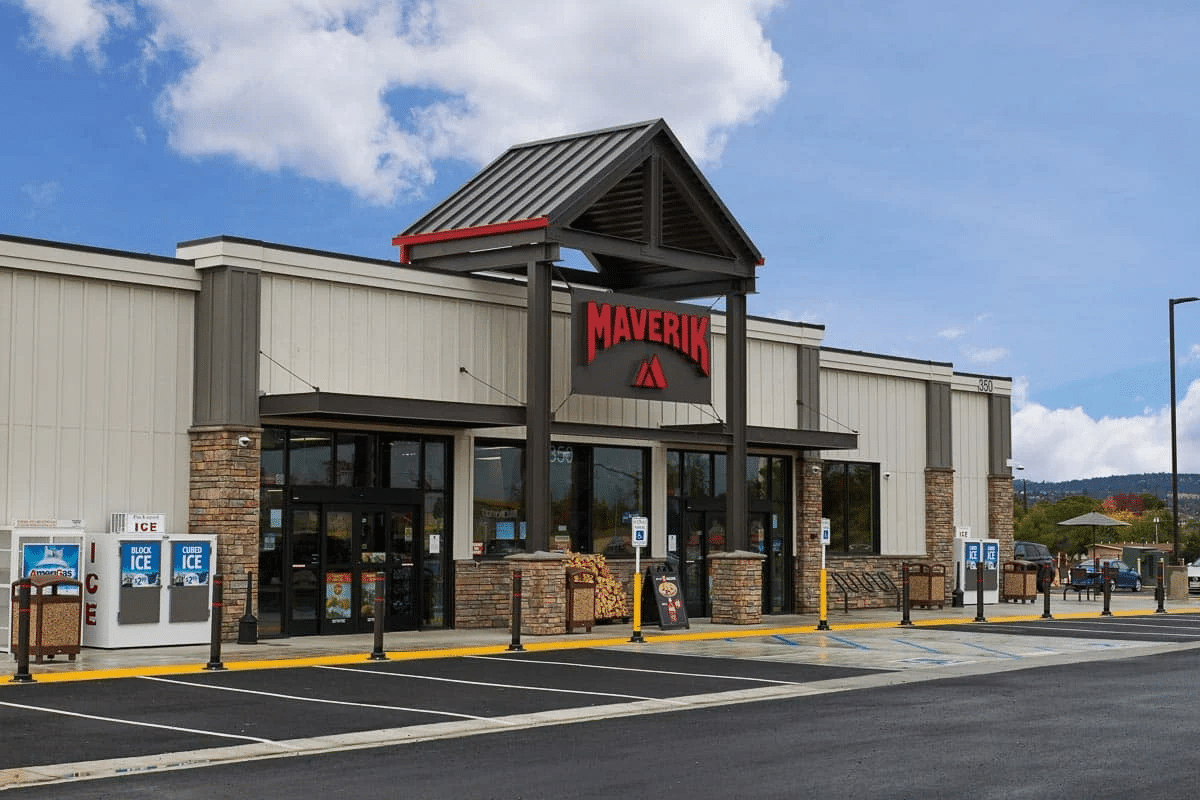
6 Gas Station Chains With Food So Good It’s Worth Driving Out Of Your Way For
We scoured the Internet to see what people had to say about gas station food. If you think the only things available are wrinkled hot dogs of indeterminate age and day-glow slushies, we’ve got great, tasty news for you. Whether it ends up being part of a regular routine or your only resource on a long car trip, we have the food info you need.
Let’s look at 6 gas stations that folks can’t get enough of and see what they have for you to eat.





