

Ever thought a piece of your daily routine might be obsolete by 2030? Experts say these familiar items might soon be a thing of the past.
We often think of change as something that happens slowly, but technology has a way of erasing common habits almost overnight. The tools and devices that defined our daily routines for decades are being quietly replaced by faster, digital alternatives. Looking ahead, experts warn that many items we currently view as essential will likely become obsolete or entirely unrecognizable by 2030.
This shift isn’t just about cool new gadgets; it is a fundamental restructuring of how we pay, travel, and entertain ourselves. Businesses are phasing out legacy systems to cut costs, while consumers are voting with their wallets for convenience and sustainability. Preparing for these disappearances now can save you from clinging to outdated technology that the rest of the world has already left behind.
Physical Passwords

We are rapidly moving toward a future where typing out a complex string of characters is a relic of the past. Major tech companies are aggressively rolling out “passkeys,” which use your phone’s biometric security to log you in instantly. Your face or fingerprint is becoming the only key you need to access everything from your bank account to your email.
The shift is driven by security concerns, as traditional passwords are notoriously easy to steal or guess. A report from Authsignal highlighted that 2025 was the year passkeys finally went mainstream, with major government agencies and financial institutions moving away from simple text-based logins. Biometric authentication is not just faster; it effectively shuts the door on phishing attacks that rely on you typing in a code.
Paper Checks

The era of writing a check at the grocery store or mailing one for rent is coming to a definite close. Digital payment platforms have made money transfers instant, rendering the slow processing of paper checks incredibly inefficient for modern commerce. Even the federal government has signaled that the time for paper-based payments is officially over.
Businesses are leading this charge as they modernize their accounting systems to reduce fraud and administrative costs. According to a 2025 report by J.P. Morgan, the U.S. government mandated a stop to issuing paper checks for federal disbursements by September 2025, pushing the entire economy toward electronic transfers. This top-down pressure means fewer places will accept your checkbook in the coming years.
Gas Powered Lawn Equipment

The roar of a gas mower on a Saturday morning is a sound that is steadily being silenced by electric alternatives. Battery technology has advanced to the point where electric trimmers and blowers offer the same power without the fumes or engine maintenance. Homeowners are swapping their gas cans for charging docks to avoid the hassle of oil changes and spark plug replacements.
Environmental regulations are also speeding up this extinction, with several states moving to ban the sale of small gas engines entirely. Manufacturers are responding by shrinking their gas lineups and focusing almost exclusively on lithium-ion platforms. The transition to electric yard tools is inevitable as they become cheaper, quieter, and more powerful than their fossil-fuel predecessors.
Traditional Cable TV

The “cord-cutting” trend has accelerated from a slow trickle to a massive flood that shows no sign of stopping. Paying for a bundle of 500 channels when you only watch three no longer makes financial sense for the average household. Streaming services have effectively dismantled the cable monopoly by offering on-demand content that respects your time and budget.
Cable providers are pivoting to become internet-only companies as their television subscriber numbers plummet. It is estimated that traditional pay-TV penetration will drop to historic lows as streaming becomes the default for live sports and news. The cable box collecting dust under your TV will soon be as vintage as a VCR.
Physical Car Keys

The jingle of keys in your pocket is being replaced by a silent app on your smartphone or a slim card in your wallet. Automakers are increasingly shipping vehicles with “Phone as a Key” technology, which lets you unlock and start your car via Bluetooth. This digital shift enables features like instantly sharing your “key” with a friend via text message.
Security protocols for these digital keys have matured, making them safer and more convenient than a physical fob that can be lost or stolen. Within five years, carrying a physical chunk of metal to start your car will feel like cranking a Model T. The smartphone is becoming the universal remote for your entire life, including your transportation.
Single Use Plastics

The days of grabbing a plastic fork or a flimsy grocery bag are numbered as global bans take effect. Governments and corporations are aggressively phasing out disposable plastics in favor of compostable or reusable materials. You will soon see a retail landscape where bringing your own bag is not just a suggestion, but a requirement.
This isn’t just a consumer trend; it is a regulatory overhaul aimed at curbing massive environmental waste. Canada and the European Union have already implemented strict timelines to ban harmful single-use items, with many targets set for full compliance by 2030. The convenience of throwaway culture is being legislated out of existence to protect the planet.
Gas Stations

While they won’t vanish entirely, the gas station as we know it is undergoing a radical transformation. As electric vehicles dominate new car sales, these locations are being forced to convert into charging hubs or close down completely. The business model of selling gasoline on every corner is becoming unsustainable as demand for fossil fuels peaks and then declines.
The infrastructure required to support the EV revolution is massive and growing rapidly. According to a PwC analysis, the number of charging points in the U.S. will need to grow nearly tenfold to support an estimated 27 million EVs on the road by 2030. You will likely see your local pump replaced by a charging plug or a coffee shop.
Save this article
Physical Receipts

That long strip of paper you crumble up and throw away is finally going digital for good. Retailers are switching to email or app-based receipts to save on thermal paper costs and capture valuable customer data. Digital receipts make returns and expense tracking easier, without the clutter of paper slips in your wallet.
The environmental impact of printing billions of receipts annually is another major driver for this disappearance. Stores are realizing that offering a digital option is a simple way to look eco-friendly while also getting your email address for marketing. In a few years, asking for a paper receipt will be a special request rather than the default.
DVDs And Blu-rays

Physical media libraries are shrinking as high-speed internet makes streaming 4K movies effortless. The convenience of clicking “play” instantly has outweighed the desire to own a physical disc for most consumers. Shelf space is valuable, and storing hundreds of plastic cases is a habit that fewer people are willing to maintain.
The sales data paints a grim picture of the disc format’s future. A report cited by IDC Portugal noted that DVD sales have plummeted by over 86 percent since their peak, signaling the end of the home video era. While collectors will keep niche formats alive, the mass market for discs is effectively dead.
Landline Phones

The home phone has been on life support for years, but the plug is finally being pulled. Telecom providers are retiring aging copper networks that support landlines because maintaining them is too expensive. For the vast majority of households, a mobile phone provides better quality, lower cost, and more versatility than a wired connection.
We have reached a tipping point where having a landline is more of a curiosity than a necessity. The landline is destined to join the rotary phone in the museum of communication history.
Physical Credit Cards

Even the plastic card in your wallet is at risk of being replaced by the digital wallet on your phone. Tap-to-pay technology has made the physical card unnecessary for most in-person transactions. Leaving your wallet at home is no longer a panic-inducing event when your phone can handle every payment.
The adoption rates for mobile payments suggest a future where physical cards are backup options rather than primary tools. Projections from ElectroIQ estimate that digital wallet users will surpass 4.8 billion globally by 2025, accounting for more than half the world’s population. The physical act of swiping a card is rapidly becoming a retro behavior.
Traditional Alarm Keypads

The clunky plastic keypad by the front door is being replaced by sleek, app-driven smart home security systems. Homeowners prefer systems that offer video verification and remote control over simple noise-making alarms. Smart security integrates with your lights and locks to offer a level of protection that old-school wired systems cannot match.
These new systems are easier to install and often cheaper to monitor, driving the traditional alarm companies to adapt or die. The ability to check your cameras from your desk at work offers a peace of mind that a keypad code never could. Security is becoming proactive and intelligent, leaving behind the old “beep-beep” boxes.
Key Takeaway
The disappearance of these everyday items is a signal that our world is becoming more efficient, connected, and environmentally conscious. While it can be jarring to say goodbye to familiar tools like physical keys or paper checks, the replacements often offer significantly more security and convenience. Embracing these changes now allows you to adapt at your own pace rather than being forced to catch up later.
We are living through a unique period of rapid transition, in which the analog world is finally yielding to the digital one. Keep an eye on your own habits and consider where you can start making the switch to modern alternatives. The future is not just coming; it is already here, and it doesn’t have a landline or a gas pump.
Disclaimer: This list is solely the author’s opinion based on research and publicly available information. It is not intended to be professional advice.
Disclosure: This article was developed with the assistance of AI and was subsequently reviewed, revised, and approved by our editorial team.
Like our content? Be sure to follow us.
6 Gas Station Chains With Food So Good It’s Worth Driving Out Of Your Way For
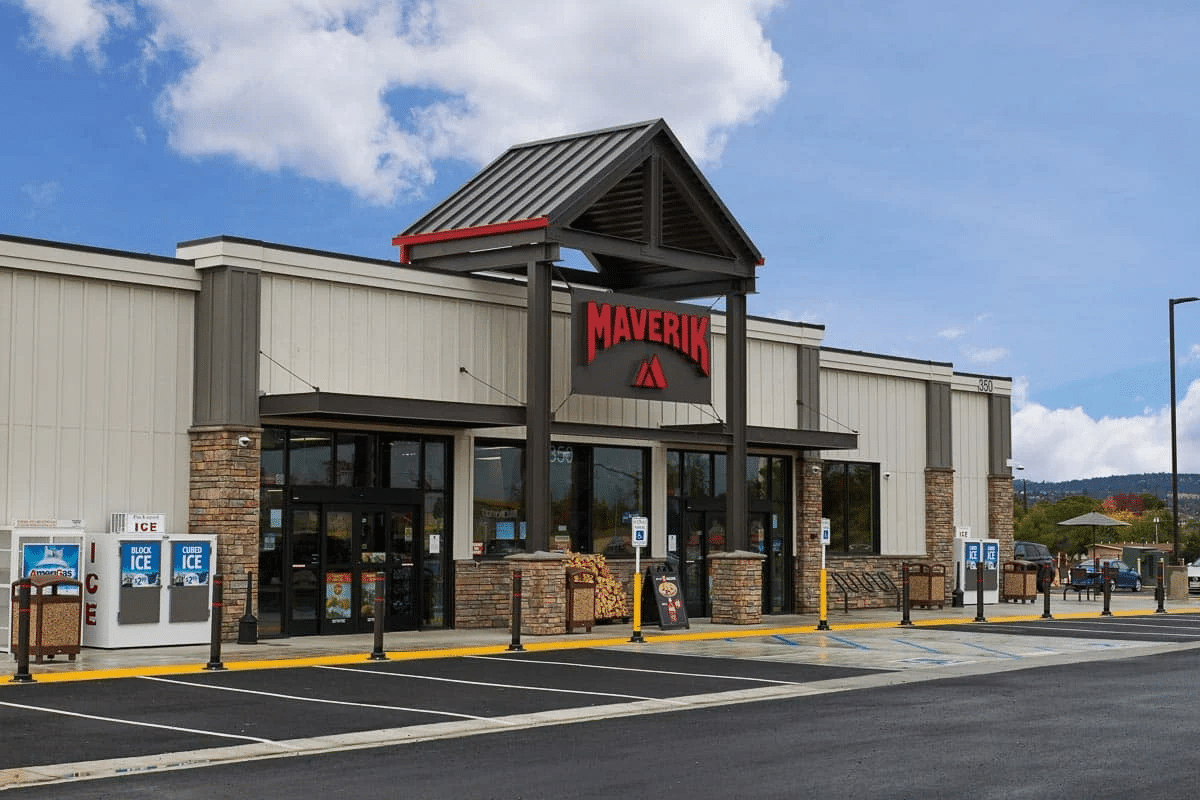
6 Gas Station Chains With Food So Good It’s Worth Driving Out Of Your Way For
We scoured the Internet to see what people had to say about gas station food. If you think the only things available are wrinkled hot dogs of indeterminate age and day-glow slushies, we’ve got great, tasty news for you. Whether it becomes part of a regular routine or your only resource on a long car trip, we have the food info you need.
Let’s look at 6 gas stations that folks can’t get enough of and see what they have for you to eat.





