

Eating out should be enjoyable, but in reality, restaurants can pose real risks to your health. The CDC reports that 1 in 6 Americans, about 48 million people, get sick from foodborne illnesses each year, with 128,000 hospitalized and around 3,000 deaths. More than half of these outbreaks are linked to food prepared in restaurants, delis, and similar venues, making it important to recognize warning signs before ordering.
Here are 12 red flags that experts say may indicate a restaurant isn’t meeting hygiene, safety, or quality standards.
A Dirty Entrance And Exterior

The sidewalk and front door are the first impressions a business makes on the public. If you see overflowing cigarette urns, dead plants, or greasy handprints on the glass, it shows a lack of pride in the establishment. A manager who ignores curb appeal is likely overlooking other important details that affect your overall experience.
If the owner does not care enough to sweep the front step, they probably do not care enough to source the best ingredients. A messy entrance is a loud warning that the standards inside are likely to be just as low.
Lukewarm Dishes That Should Be Hot

When your meal finally arrives, it should be at the appropriate temperature to ensure it is both delicious and safe to eat. If your soup is barely warm or your steak feels like it has been sitting under a heat lamp for twenty minutes, the kitchen flow is broken. This often happens when a grocery store mentality of bulk prep replaces the care of cooked-to-order service.
Food safety guidelines state that perishable items must be kept at or above 140°F to prevent the growth of harmful bacteria. If your plate is tepid, it has likely spent too much time in the danger zone where pathogens can flourish. Do not be afraid to send it back or simply decide that this is not the place for your evening meal.
Sticky Menus And Grimy Surfaces

The menu is often the very first thing a customer touches after sitting down at a table. If the laminate feels tacky or shows visible crumbs left by the previous guest, it suggests the staff is falling behind on basic upkeep. This lack of attention usually extends far beyond the dining room and into areas where hygiene is even more critical.
According to a Jolt report, nearly 75% of diners would never return to an establishment with a dirty environment. This physical grime is a clear signal that the management is not prioritizing the standards necessary for a safe environment. When the surfaces are neglected, you have to wonder what else is being overlooked in the hidden corners of the kitchen.
An Overwhelming Smell Of Cleaning Chemicals

While we all want a clean place to eat, a strong bleach or ammonia odor during peak hours can be a major warning sign. It often suggests that the staff is trying to mask a more persistent or unpleasant odor coming from the drains or trash. A balanced environment should smell like fresh bread or grilled meat rather than a hospital hallway.
Industry data show that most commercial kitchens experience grease-trap odors at some point during the year. If the chemical scent is strong enough to interfere with your appetite, it is a sign that something is being covered up. It is better to leave before you find out exactly what that pungent masking agent is concealing.
The Presence Of Fruit Flies

A few small flies buzzing around the bar or the salad station might seem like a minor annoyance, but they indicate a moisture problem. These pests thrive on fermenting organic matter and standing water found in poorly maintained drains or decaying produce.
Their presence is a clear indicator that the daily deep-cleaning routines are not being followed correctly. Entomology research shows that fruit flies can carry harmful bacteria like E. coli and Salmonella onto any surface they land on.
This poses a genuine risk to your digestive system, especially when they are seen near open containers or garnish trays. Seeing them indoors is a gentle hint that the facility needs a serious scrub down from top to bottom.
A Massive Menu With Too Many Options

A menu that looks more like a thick novel than a curated list of dishes is rarely a good sign for the quality of the food. It is physically impossible for a standard kitchen to keep fresh ingredients on hand for hundreds of different items across multiple cuisines.
Usually, this means much of the stock is frozen, pre-packaged, or sitting in the cooler for far too long. A focused menu is the hallmark of a professional and well-managed kitchen operation. When a chef tries to do everything, they often end up doing nothing particularly well. You are much more likely to get a high-quality meal at a place that specializes in a few signature dishes rather than a jack of all trades.
Unusually Empty Dining Rooms At Peak Hours
Save this article
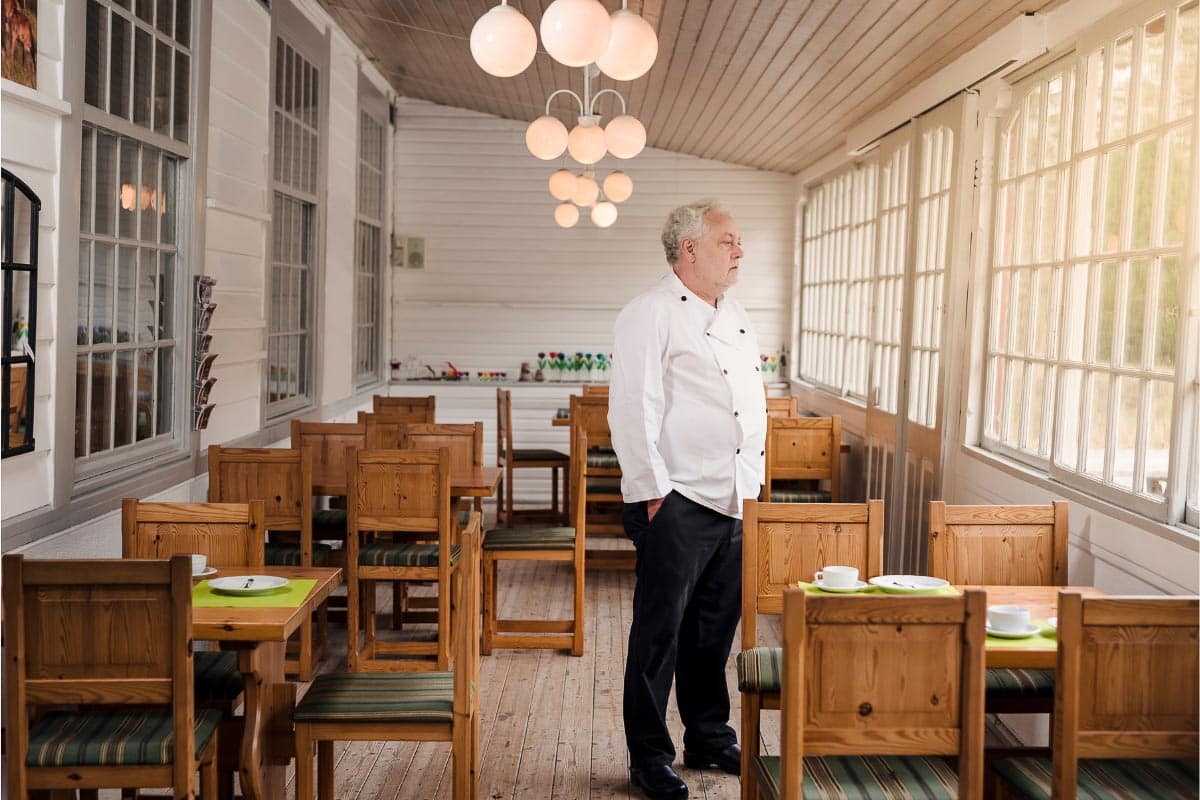
If it is seven o’clock on a Friday night and the host is standing around with no one to seat, take notice. While you might enjoy the lack of a wait, an empty room in a busy neighborhood often speaks volumes about the local reputation.
The people who live nearby usually know which spots are worth visiting and which ones to avoid at all costs. Small-business statistics indicate that word of mouth influences all purchasing decisions for local services and dining.
If the locals have collectively decided to stay away, there is likely a very valid reason involving the service or the kitchen. Trust the room’s silence and consider checking out a place that actually has a bit of a crowd.
Visible Dust On Light Fixtures And Vents

Looking up can reveal a lot about a restaurant owner’s long-term maintenance habits. Thick layers of dust on ceiling fans or grease buildup on vents right above the tables suggest that the staff only cleans what is at eye level. This debris can easily fall onto your plate or into your drinks as the air circulates through the room.
Statistics from fire safety boards show that approximately 22% of restaurant fires are caused by poorly maintained or dirty exhaust systems. If the public areas are neglected, the hidden machinery in the back is likely in even worse shape. It is a clear indicator that management is cutting corners on the building’s safety and upkeep.
Staff Members Who Seem Stressed Or Unhappy

The attitude of the servers and hosts often directly reflects how the business is run behind the scenes. If you see employees arguing in the open or looking completely overwhelmed, it suggests a lack of leadership and proper training.
This tension eventually translates into slow service, forgotten orders, and a generally uncomfortable atmosphere for your dinner. Happy employees tend to provide better service and pay closer attention to guests’ needs. If the team seems on the verge of a breakdown, your experience will likely suffer.
Dirty Or Neglected Restrooms
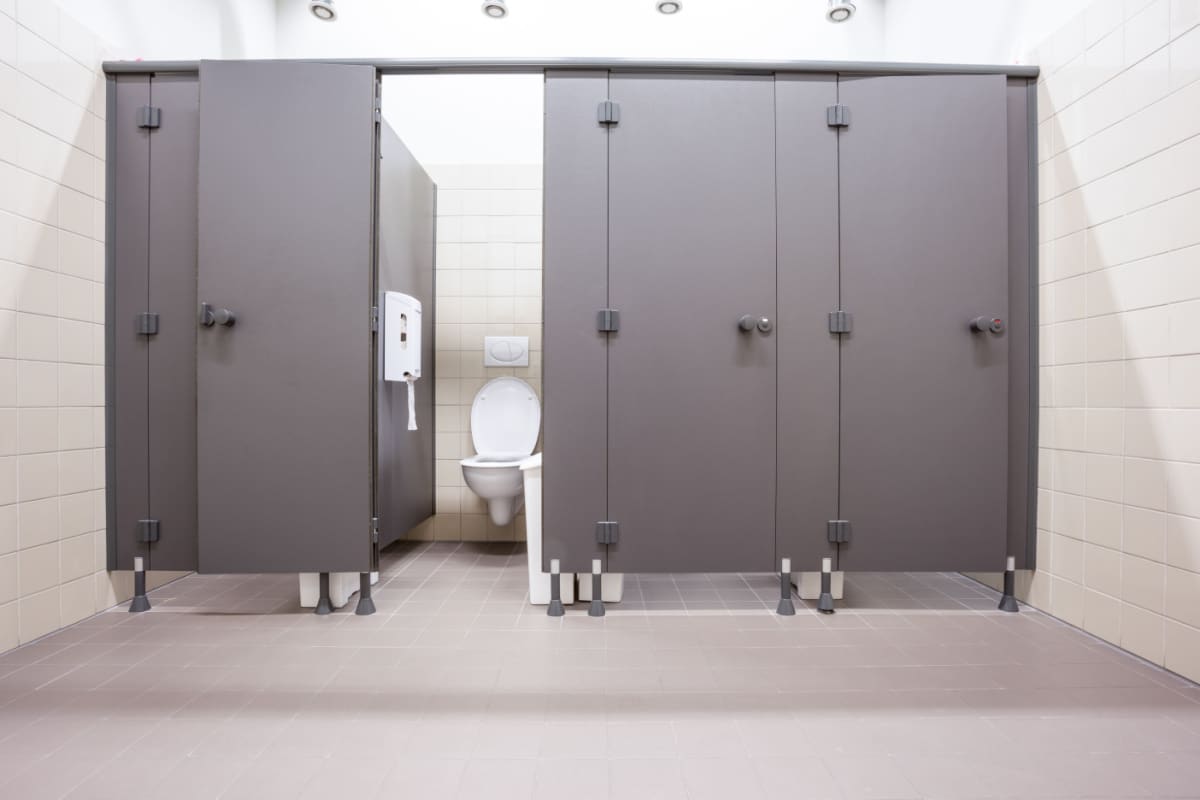
Many people believe that the state of the bathroom is a direct window into the state of the kitchen. If the sinks are grimy, the trash is overflowing, and there is no soap, it is a safe bet that the staff is not washing their hands either. This is one of the most significant red flags that should prompt an immediate exit from any establishment.
A survey found that consumers associate a dirty restroom with a dirty kitchen and poor food handling. Cleanliness in the washroom is a fundamental of hospitality that owners should never ignore. If they cannot keep a small bathroom tidy, they certainly are not keeping a complex kitchen up to code.
Unexplained Charges On The Final Check

When the bill arrives, it should be a straightforward reflection of what you ordered and the prices listed on the menu. If you start seeing “service fees” or “kitchen appreciations” that were not clearly disclosed beforehand, it is a sign of shady business practices. This lack of transparency can quickly sour a nice evening and create a sense of distrust between the guest and the house.
Consumer protection data show that complaints about hidden restaurant fees have risen significantly as businesses seek to inflate their margins. A reputable place will be honest about its pricing and won’t try to sneak extra costs past a distracted diner. If the math doesn’t add up, it is a sign that they value their bottom line more than your loyalty.
Dim Lighting That Hides The Details

While many places use low light to create an intimate mood, there is a point where it becomes a way to hide a lack of cleanliness. If you have to use your phone flashlight just to read the menu or see what is on your fork, be cautious. Extremely dark dining rooms can mask stained carpets, dusty corners, and even undercooked portions of your meal.
Safety audits indicate that adequate lighting is necessary for workers to identify hazards and maintain a sanitary environment. If the patrons can’t see the room, the cleaning crew likely can’t see the dirt either. A well-lit space shows that the restaurant has nothing to hide and is proud of the environment it has created for its guests.
Key Takeaway

Paying attention to these twelve warning signs can help you protect your wallet and your physical well-being during a night out. While a single minor issue might not be a deal breaker, a combination of these red flags is a clear signal to move on. Trust your instincts and remember that a great dining experience should make you feel welcome and safe from the moment you step inside.
Disclaimer: This list is solely the author’s opinion based on research and publicly available information. It is not intended to be professional advice.
Like our content? Be sure to follow us





