The roots of American cuisine run deep in the history of survival. Hardships bear untold stories, as well as famed foods that began as life-saving solutions. Native American people and early settlers developed food sources that could sustain them during periods of limited food availability. The foods are still enjoyed today and remain an essential part of American eating tables.
Cases in point include pemmican, a high-energy meat blend that ancient Native Americans invented more than 500 years ago and is still regarded as a rich source of nutrition. Recent food trends are showing an increased interest in these ancient foods, and modern culinary specialists are remaking the survival dishes. These do not just signify stories of resilience, but creativity and the spirit of American food culture.
Pemmican: The original energy bar

Native Americans had been creating a protein-rich food long before protein bars; pemmican, consisting of dried meat, fat, and berries, was one such example. It was rich in nutrition and had an archival shelf life of up to 30 years. Fur traders soon utilized it to survive long-distance treks, and modern nutritionists now recommend it as a highly effective food for survival.
Cornbread: From necessity to comfort food
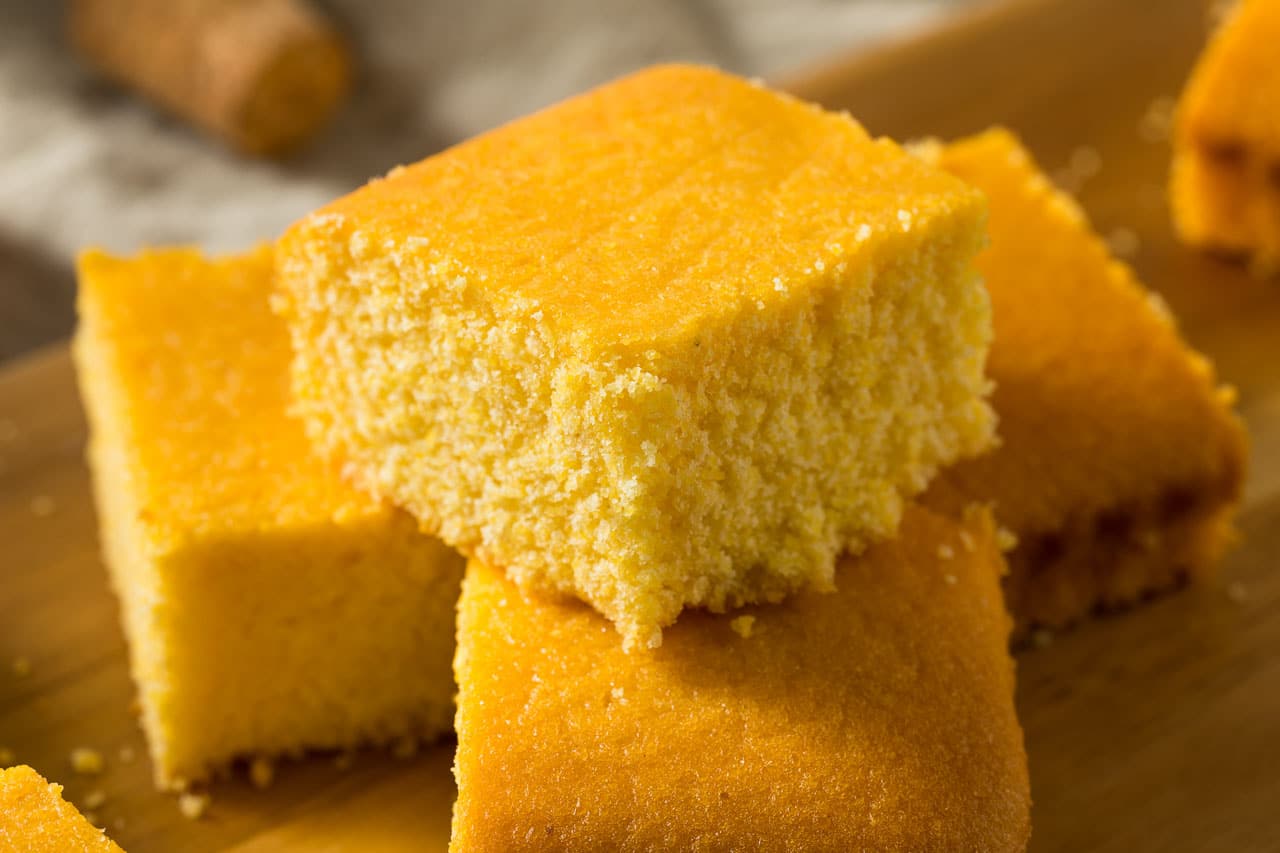
Cornbread, a staple of Southern tables, is a traditional food that has withstood the test of time. Native Americans practiced nixtamalization to preserve cornmeal throughout the winter, making it a source of essential vitamins. It became a necessary part of daily life when people settled down, and cornbread served as a staple during difficult times.
Jerky: Solving the meat storage problem

Native Americans also lacked access to refrigeration, so they dried the meat to create jerky. It avoided the effects of spoilage, compressed protein into a travel-friendly format, and kept hunters alive as they traveled across long distances. Spreading to Spain, Spanish explorers adopted this method, and to this day, jerky remains a staple in the billion-dollar snack market.
Succotash: Smart nutrition for survival

The two crops complemented each other to a higher level; corn and beans enabled people to have a complete protein-based diet along with essential minerals. Native Americans invented succotash as a winter staple that settlers later emulated, and it became a life-sustaining yet straightforward dish.
Pumpkins and squash: Natural winter storage

Pumpkins and squash were survival staples. These tough vegetables would last for months, providing much-needed vitamins during the cold winters. Native Americans discovered numerous methods for cooking pumpkins, and settlers were eager to adopt these techniques, making pumpkin a symbol of survival and thanksgiving.
Wild berries: Nature’s vitamin boost
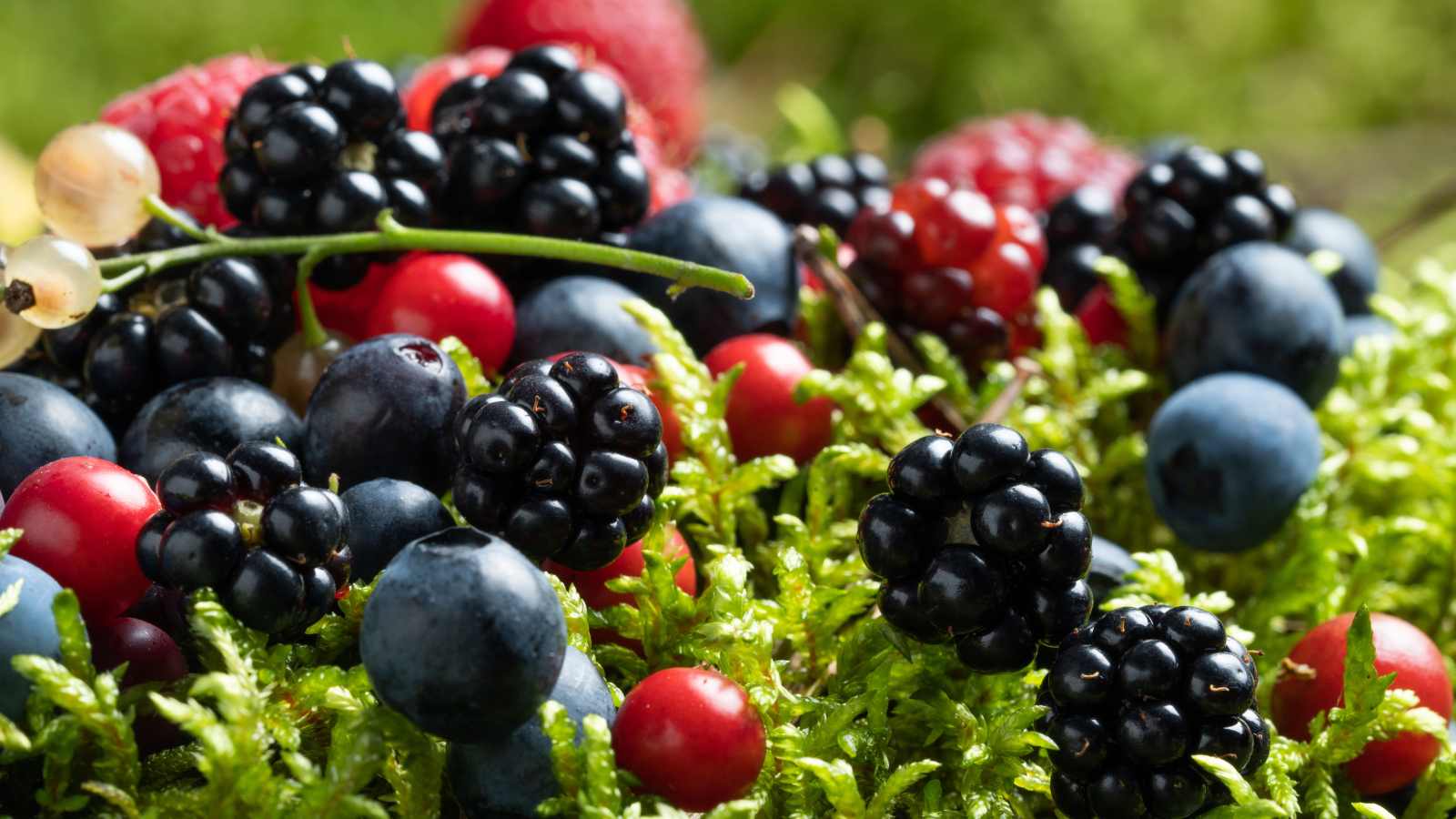
Vitamin C was obtained in the wild from berries such as cranberries, blueberries, and elderberries, which were harvested and preserved to prevent scurvy and maintain health during the winter. Cranberries, especially, were naturally preservative, which linked them with the traditions of Thanksgiving.
Hardtack: The long-lasting cracker

Hardtack was a straightforward mixture of flour, water, and salt, and kept sailors and soldiers going during lengthy voyages. It was tough as nails and riddled with weevils, but in times of dearth, it was a great life-saving staple, especially when on long campaigns.
It was once soaked in soup, coffee, or water to make it edible.
Beans: Essential trail food
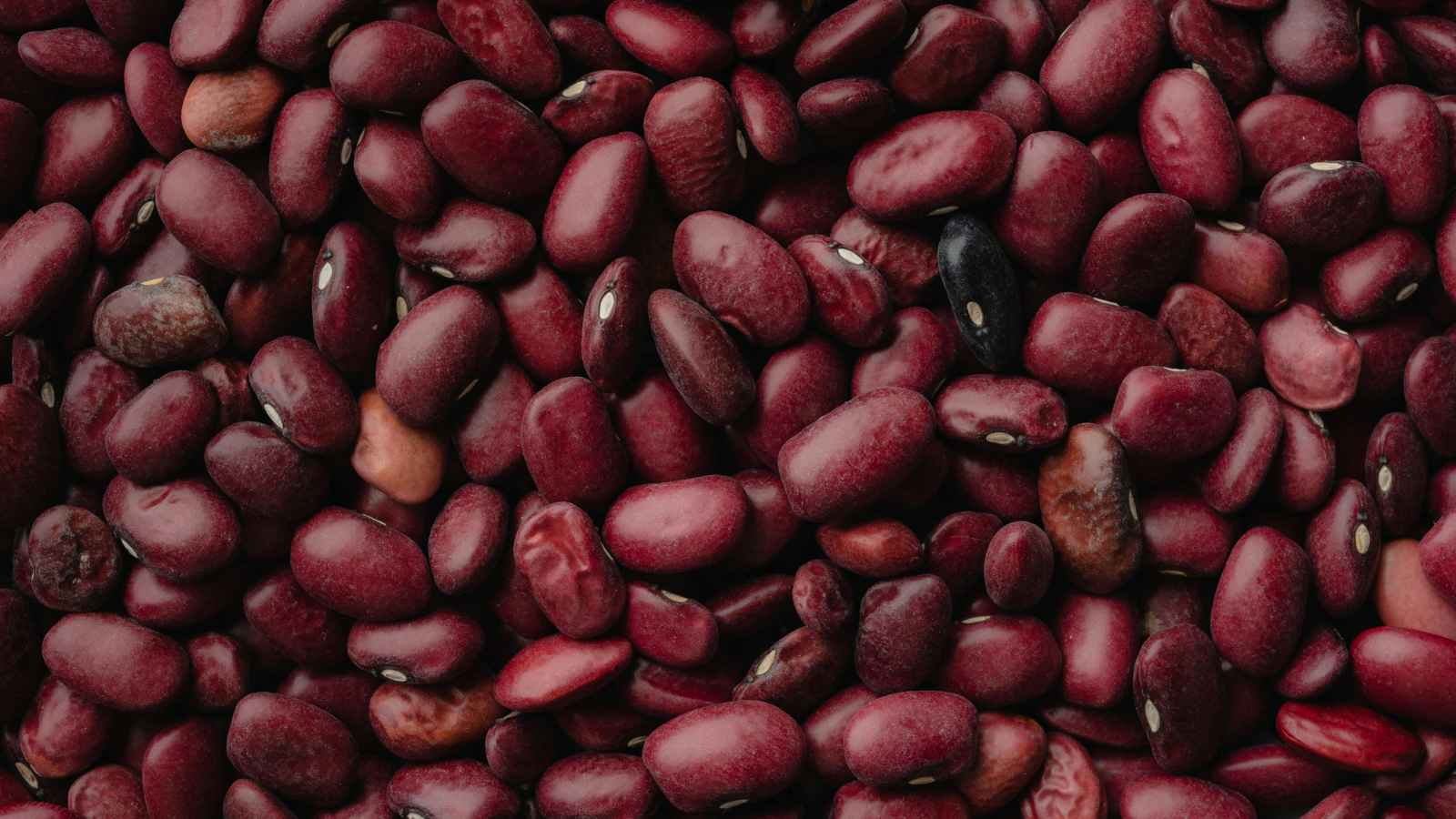
Long, tilting Beans were a cheap and durable food, offering a significant source of protein to most families. Native Americans used varied kinds of beans to prevent crop failure, and pioneers ate dried beans as a matter of filling, nutritious meals during the westward movement.
Beans were mixed with bacon or fat to add flavor and provide an extra boost of protein for engaging in grueling work.
Fry bread: Born from hardship

Fry bread appeared on the scene when the Native Americans were interned on reservations and provided with rations of flour and lard by the government. Although the fry bread has intense roots in trauma, these have led to it becoming a symbol of resilience and cultural life as it was passed along through generations.
Wild game stews: Maximum nutrition

Save this article
The communities managed to use a few resources to their best, and stews of wild game, root vegetables, and herbs were created. Such hearty fare helped extend meat rations and provided the necessary nutrients, and became a regional staple such as Brunswick stew.
Such stews not only fed them but also made it possible to unite the communities through communal dining.
Pickling: Preserving bounty for winter

Before the advent of refrigeration, pickling was used to preserve summer vegetables for use during the winter. Cucumbers, cabbage, and other vegetables were preserved using salt and vinegar, and other crops were stored for months. Sauerkraut provided a means of preventing scurvy in sailors and settlers, as it served as a source of vitamin C.
It was also capable of creating different flavors and textures, which added a welcome treat to the monotonous winter diet.
Maple syrup: Nature’s sweetener
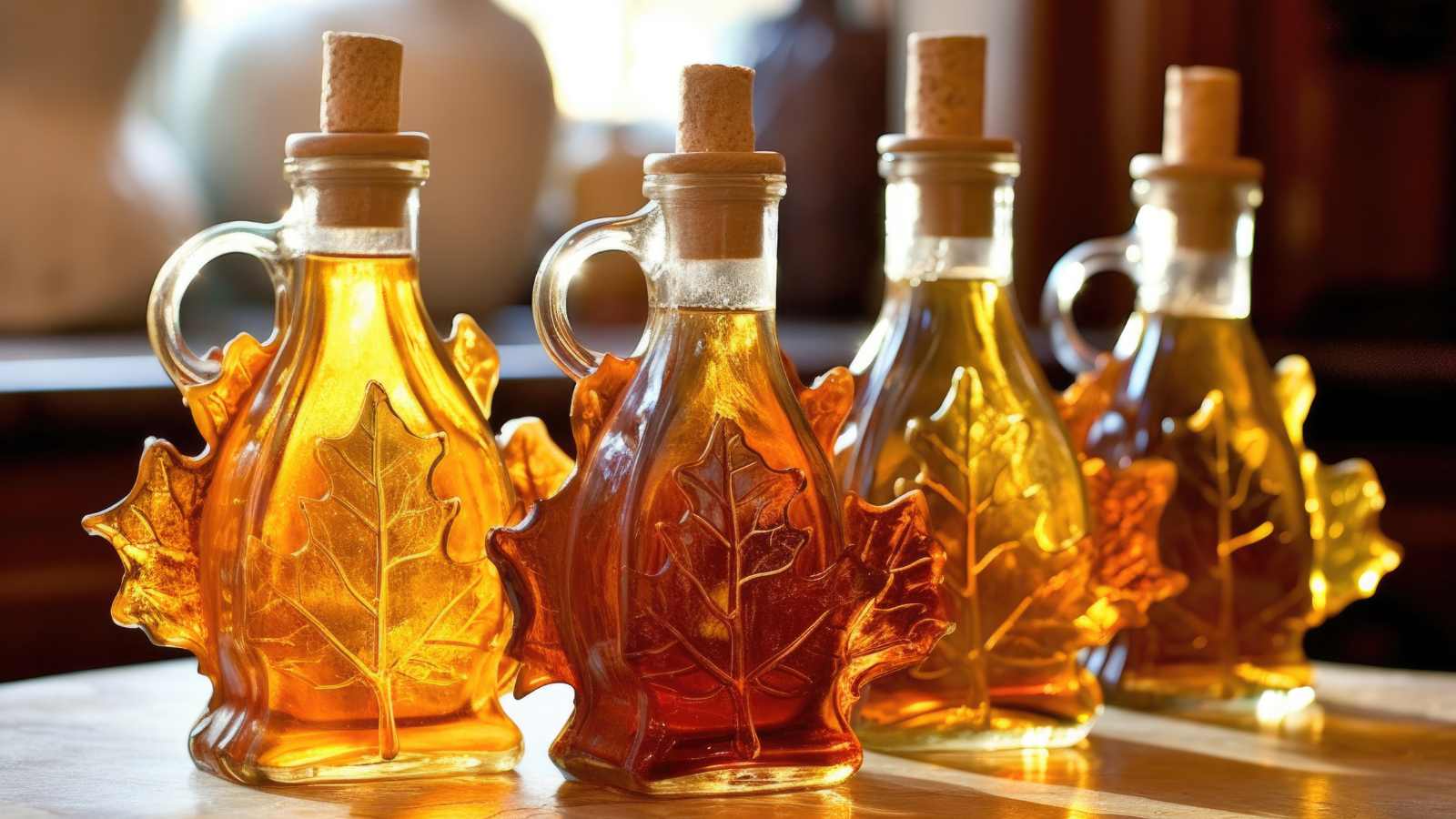
Natives of North America boiled the sap of trees into syrup before the advent of refined sugar. This provided a significant amount of calories, making the survival foods more palatable. Today, maple syrup remains a treasured tradition.
That caramel-like taste has never ceased to be an appreciated crowd pleaser when added to pancakes, waffles, and many desserts.
Clam chowder: Coastal ingenuity

The Clam chowder was transformed into a rich shellfish broth, which was cooked to form meals that nourished coastal communities. A mixture of clams, vegetables, and salt pork, it is a fully nutritious dish that keeps people warm in cold winters, giving rise to local variants such as Manhattan-style chowder.
Wild rice: The Great Lakes’ superfood

Another staple used by Native communities in the Great Lakes was wild rice, which is actually a grass seed. Harvested at the correct season, it provided a complete protein diet and was a staple food for the winter months. Modern nutritionists now recognize it as a superfood.
Its nutty taste and flexibility make it a highly sought-after ingredient in modern food.
Key takeaway

American food is not only about flavor; it is also about survival, resourcefulness, and strength. The story behind pemmican, as well as pumpkin pie, reveals that these foods have a tale of communities living through adversity. Whenever you enjoy cornbread or cranberries, consider the survival knowledge and creativity that these long-lasting foods represent.
Disclaimer–This list is solely the author’s opinion based on research and publicly available information. It is not intended to be professional advice.
6 Gas Station Chains With Food So Good It’s Worth Driving Out Of Your Way For
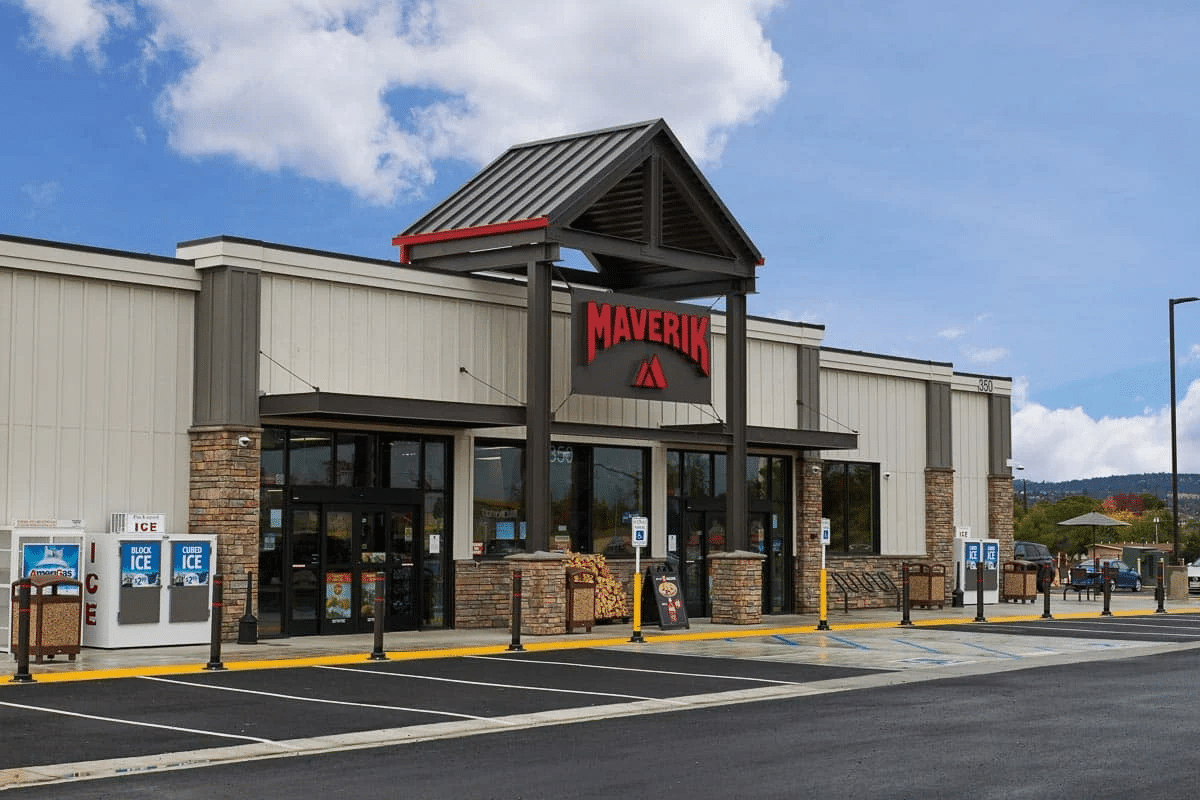
6 Gas Station Chains With Food So Good It’s Worth Driving Out Of Your Way For
We scoured the Internet to see what people had to say about gas station food. If you think the only things available are wrinkled hot dogs of indeterminate age and day-glow slushies, we’ve got great, tasty news for you. Whether it ends up being part of a regular routine or your only resource on a long car trip, we have the food info you need.
Let’s look at 6 gas stations that folks can’t get enough of and see what they have for you to eat.
16 Grocery Staples to Stock Up On Before Prices Spike Again
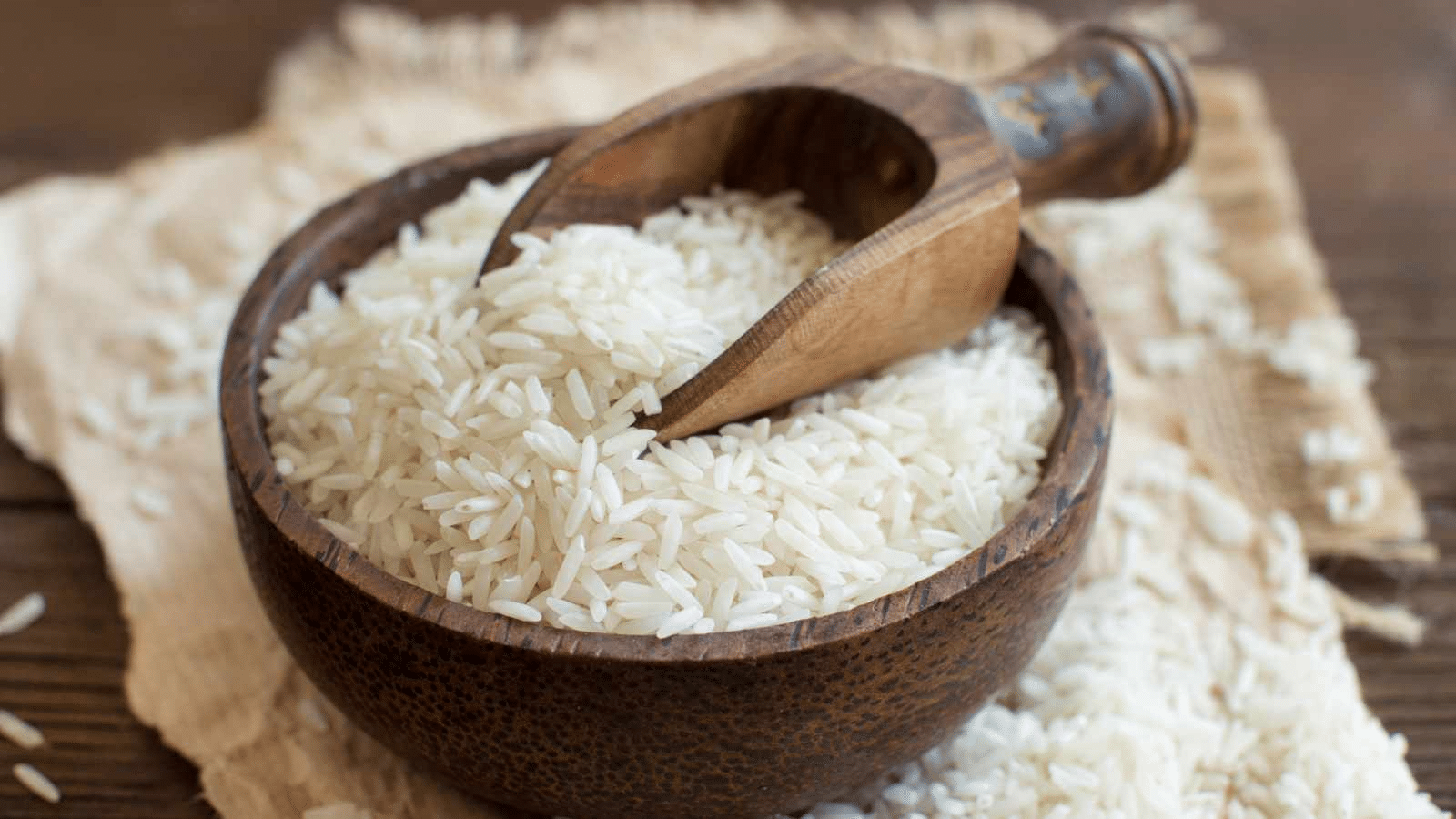
16 Grocery Staples to Stock Up On Before Prices Spike Again
I was in the grocery store the other day, and it hit me—I’m buying the same things I always do, but my bill just keeps getting higher. Like, I swear I just blinked, and suddenly eggs are a luxury item. What’s going on?
Inflation, supply-chain delays, and erratic weather conditions have modestly (or, let’s face it, dramatically) pushed the prices of staples ever higher. The USDA reports that food prices climbed an additional 2.9% year over year in May 2025—and that’s after the inflation storm of 2022–2023.
So, if you’ve got room in a pantry, freezer, or even a couple of extra shelves, now might be a good moment to stock up on these staple groceries—before the prices rise later.
Like our content? Be sure to follow us.