
Ever find yourself staring at your grocery cart and wondering if it’s plotting against you?
I’ve been there—standing in the snack aisle, convincing myself that “baked chips” somehow cancel out sodium. (Spoiler: they don’t.) The truth is, high blood pressure sneaks up on people in everyday moments like this.
According to the CDC, nearly half of U.S. adults—approximately 120 million people—are living with it. Even more eye-opening? One in five have no idea, and fewer than a quarter actually have it under control.
That means something as simple as what we toss into our carts could be playing a much bigger role than we realize. Here are the foods that may seem harmless but could be contributing to high blood pressure.
Processed deli meats

That turkey sandwich may feel harmless, but deli meats pack a heavy sodium punch. A single two-ounce serving of ham or turkey can contain 500–600 milligrams of sodium, which is about a quarter of your daily recommended intake. The American Heart Association advises that adults should limit their daily sodium intake to no more than 2,300 milligrams, with an ideal target of 1,500 milligrams for optimal heart health.
Although the sodium helps preserve the meat, it also works against your heart health by raising blood pressure. What makes it tricky is how easy it is to pile on more than a serving without realizing it. Pair it with cheese and condiments, and suddenly you’ve hit your daily limit before dinner.
Canned soups
A warm bowl of soup feels comforting, but the canned variety can be surprisingly loaded with salt. One serving of chicken noodle soup often carries 800–900 milligrams of sodium, and that’s before you realize most people eat the whole can, not half.
Research from the American Heart Association points out that high-sodium diets are directly linked to hypertension risks. Low-sodium versions do exist, but they can still add up if you’re not paying attention. Homemade soups with fresh herbs can be a much safer and tastier swap.
Bacon

Bacon’s reputation for being salty and fatty is well earned. Just two slices can add up to 400 milligrams of sodium, not to mention saturated fats that also affect heart health. Processed meats, such as bacon, are classified by the World Health Organization as potential carcinogens, providing another reason to limit consumption.
While it smells incredible, sizzling on a Sunday morning, it’s one of the foods most strongly linked with hypertension. Opting for leaner proteins can ease the craving without the same risks.
Pickles

They look innocent in their jar, but pickles are basically cucumbers swimming in a salt bath. A single spear can contain over 300 milligrams of sodium, which adds up fast if you’re snacking without counting. The brining process is what locks in that tangy flavor, but it also makes them challenging for individuals with blood pressure control issues.
People who already have hypertension may notice a spike after eating salty pickled foods. If you love the crunch, fresh cucumbers with a sprinkle of vinegar might scratch the same itch.
Canned tomato sauces

Tomato-based sauces sound simple, but the jarred versions are often loaded with salt. One cup can contain over 1,000 milligrams of sodium, depending on the brand. That makes pasta night a sneaky source of extra pressure on the heart.
Cooking your own sauce with fresh tomatoes, herbs, and just a pinch of salt can significantly reduce the numbers. It’s one of those swaps where the homemade version really does taste fresher, too.
Frozen pizzas

Few foods are as convenient as a frozen pizza, but the sodium content is staggering. A single slice can deliver 700–800 milligrams, and let’s be honest — who stops at just one?
Data shows that the average American consumes 23 pounds of pizza per year, which translates to around 46 slices annually. That means half a pizza could push you well past the daily recommended 2,300 milligrams of sodium.
Beyond salt, many frozen pizzas also contain processed meats and extra cheese, both of which add more pressure-raising ingredients. It’s a tough one to cut back on, but your heart will thank you if you save pizza night for fresh, homemade versions.
Fried chicken

Crispy fried chicken is delicious, but it’s a double hit of sodium and unhealthy fats. A single fast-food serving can contain over 1,200 milligrams of sodium, especially if it is heavily seasoned.
Frying adds trans fats, which are strongly tied to cardiovascular issues. For someone with high blood pressure, it’s one of those meals that can quickly throw the balance off. Baking or air-frying chicken at home can be a heart-friendlier option.
Potato chips

It’s so easy to eat “just a few” chips and then realize half the bag is gone. A small 1-ounce serving contains approximately 150 milligrams of sodium, but larger portions can quickly triple or quadruple that amount. Chips also tend to be high in unhealthy fats, which can impact heart health over time.
Studies have shown that people who frequently snack on salty, processed foods are more likely to develop hypertension. Air-popped popcorn with light seasoning can feel just as satisfying without the same risks.
Cheese

Cheese lovers may not want to hear this, but sodium is part of what makes cheese so tasty. A single ounce of cheddar contains approximately 180 milligrams of sodium, and saltier varieties like feta or processed slices can contain much higher amounts.
While calcium in cheese can be good for health, the high sodium and fat content make it a concern for those with hypertension. It’s not about giving it up completely, but about being mindful of portion sizes. Pairing small amounts with fruit or whole grains can make it feel more balanced.
Save this article
White bread

It doesn’t taste salty, but white bread often hides sodium in its fluffy slices. One slice can contain 150–200 milligrams, and sandwiches add up quickly. Refined grains also break down into sugar more quickly, which can contribute to weight gain and increased risk of higher blood pressure.
Whole-grain or sprouted breads offer more fiber and often come with lower-sodium options. It’s a small swap that can have a significant impact on daily totals.
Instant noodles

Those little packets might seem budget-friendly, but they’re loaded with sodium. One package of instant ramen can contain 1,500–1,800 milligrams, nearly your entire daily allowance in a single serving. It’s not just the noodles — the seasoning packet is the main culprit.
Individuals who regularly consume instant noodles are at a higher risk of developing metabolic disorders, including high blood pressure. Making your own noodle bowls with broth and fresh vegetables can provide comfort without the sodium overload.
Canned beans

Beans themselves are super healthy, but the canned versions can be sneaky. A single cup of canned beans can contain over 1,000 milligrams of sodium, depending on the brand. That salt is used to preserve and flavor the beans, but it’s a lot for anyone with high blood pressure.
Rinsing them under water can reduce sodium by up to 40%, which makes them much safer. If you’re able, buying dried beans and cooking them yourself is the best option.
Restaurant burgers

That fast-food burger comes with more than just calories. A single cheeseburger can deliver 1,000 milligrams of sodium or more, especially when paired with fries. Restaurants often season patties heavily and add sauces that stack on even more salt.
For someone managing hypertension, one meal can nearly max out the recommended daily intake. Choosing smaller portions or homemade versions lets you control what goes in without missing out entirely.
Bottled salad dressings

The greens are healthy, but the dressing can ruin the effort. Many bottled dressings contain 200–300 milligrams of sodium per serving, and most people use more than the label suggests.
Creamy versions often add extra fats, making them even heavier for heart health. It’s a perfect example of how condiments sneak in salt where you least expect it. A simple combination of olive oil and lemon can be refreshing and safer for your blood pressure.
Frozen dinners

They’re convenient after a long day, but frozen dinners are notorious for being high in sodium. A single meal can contain 800–1,500 milligrams, sometimes accounting for half of your daily recommended amount.
Manufacturers use salt to preserve flavor during freezing and reheating. If convenience is key, look for low-sodium options or prep your own freezer-friendly meals.
Key takeaways

Hidden sodium is the real culprit. Everyday foods like deli meats, canned soups, bread, and even cheese contain significantly more salt than you might expect, quietly contributing to a rise in blood pressure.
Processed and convenience foods are the biggest offenders. Frozen pizzas, instant noodles, frozen dinners, and restaurant meals often pack nearly a full day’s worth of sodium in a single serving.
Cooking at home gives you more control over your food. Swapping to fresh ingredients, rinsing canned goods, or making homemade versions of sauces and soups can slash sodium without sacrificing taste.
It’s about balance, not total restriction. You don’t have to ban every “risky” food forever—being mindful of portions and choosing healthier alternatives helps keep blood pressure in check long term.
Disclaimer – This list is solely the author’s opinion based on research and publicly available information. It is not intended to be professional advice.
16 grocery staples to stock up on before prices spike again
16 Grocery Staples to Stock Up On Before Prices Spike Again
I was in the grocery store the other day, and it hit me—I’m buying the same things I always do, but my bill just keeps getting higher. Like, I swear I just blinked, and suddenly eggs are a luxury item. What’s going on?
Inflation, supply-chain delays, and erratic weather conditions have modestly (or, let’s face it, dramatically) pushed the prices of staples ever higher. The USDA reports that food prices climbed an additional 2.9% year over year in May 2025—and that’s after the inflation storm of 2022–2023.
So, if you’ve got room in a pantry, freezer, or even a couple of extra shelves, now might be a good moment to stock up on these staple groceries—before the prices rise later.
6 gas station chains with food so good it’s worth driving out of your way for
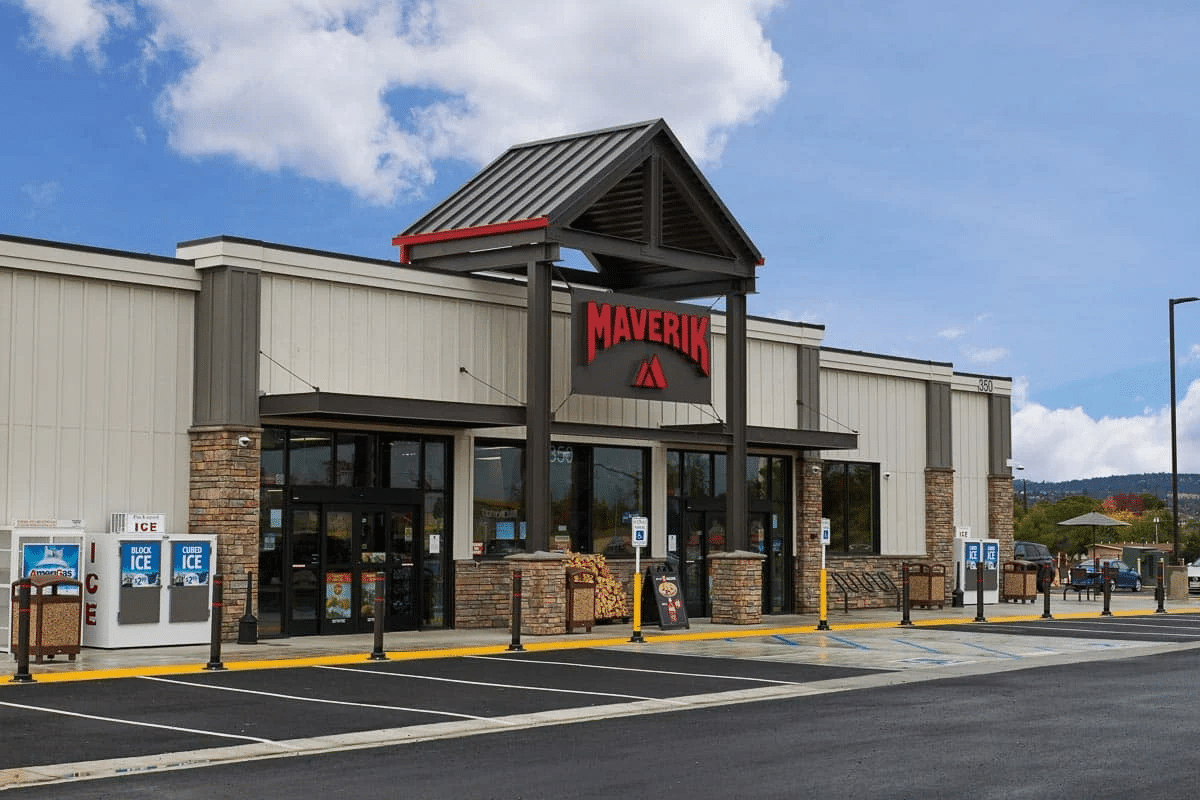
6 Gas Station Chains With Food So Good It’s Worth Driving Out Of Your Way For
We scoured the Internet to see what people had to say about gas station food. If you think the only things available are wrinkled hot dogs of indeterminate age and day-glow slushies, we’ve got great, tasty news for you. Whether it becomes part of a routine or your only resource on a long car trip, we have the food information you need.
Let’s look at six gas stations that folks can’t get enough of and see what they have for you to eat.