

A report from Newsweek points out that all generations—along with 50% of Gen Z respondents themselves—agree with the claim that Gen Z is the “laziest generation.”
But if you look closer, many young people wear that label almost like a badge of honor, treating it less as a flaw and more as a quiet protest against hustle culture. I’ll be honest, I’ve caught myself rolling my eyes at my Gen Z cousin still in bed at noon, only to realize later that maybe she’s not being unproductive at all—she’s just choosing sanity over burnout.
The truth is, many Gen Zers are redefining success as “working smarter, not harder,” and they aren’t shy about it. What appears to be laziness on the outside is often a strategic slowdown, a survival tactic in a world that feels like it never stops. Once you peel back the layers, their choices make sense, and honestly, they might be onto something the rest of us have been too tired to figure out.
The economy they grew up in wasn’t exactly stable

Gen Z came of age during the 2008 financial crisis and its aftermath. During this period, U.S. households experienced a staggering decline of $17 trillion in net worth. Additionally, the economy shed 7.5 million jobs, and the unemployment rate doubled, peaking at nearly 10% in 2010.
That meant watching their parents lose jobs, homes, or retirement savings right when they were learning how the world worked. That sense of instability sticks, even years later. What some people see as “laziness” might just be caution shaped by history.
The cost of living makes burnout a real risk

Rent, groceries, and basic expenses don’t line up with wages the way they did for older generations. A Zillow report shows that three in five young adults now spend about 30% of their income on rent, compared to 22% for baby boomers at the same age.
When life becomes more expensive, working nonstop just to stay afloat doesn’t feel sustainable. So when Gen Z slows down, it’s often about avoiding total exhaustion. That’s survival, not idleness.
The definition of success has changed

Success was once defined as a house, a car, and perhaps a pension for earlier generations. For Gen Z, success is being redefined as flexibility, creativity, and experiences.
They’re more likely to care about happiness rather than money. If that’s the price of not doing the grind to maintain joy, it’s not laziness—it’s choosing a different scoreboard.
Mental health isn’t something they ignore

Gen Z is more likely than any other generation to talk about mental health openly. According to the American Psychological Association, 91% of Gen Z adults reported physical or emotional symptoms linked to stress.
Prioritizing therapy, mindfulness, or simply taking a day off is often labeled as “lazy” by older eyes. However, it’s actually about choosing long-term well-being over short-term productivity. For them, rest is a key part of their health plan.
Climate anxiety shapes their pace

A majority of Gen Z experiences daily stress about climate change. That kind of weight changes how you approach work and life.
Why grind endlessly for a future you’re not even sure will be stable? Instead, they focus on living more sustainably, even if that means slower choices. Their “laziness” can actually be eco-conscious caution.
Side hustles are a different kind of work ethic

It’s not unusual for someone in their early 20s to juggle a job, a part-time gig, and maybe even a creative project on the side. A 2023 study notes that 39% of Gen Z already have a side hustle.
That’s not exactly lazy—it’s diversified survival. They may not clock in 9 to 5 in the traditional sense, but they’re constantly working in ways that fit the modern economy.
Technology makes efficiency look like slacking

If you grew up with smartphones and cloud tools, you learned to get things done faster. Older coworkers may see a Gen Z worker typing on their phone and assume they’re distracted.
In reality, they could be answering emails, scheduling meetings, and managing a budget app all at once. Streamlining tasks frees up space for rest. That’s not cutting corners—it’s using the tools available.
Education costs push them to rethink effort

The cost of college has surged by up to 649%, rising more than three times faster than the rate of inflation over the past four decades. Many Gen Zers leave school with debt before they even land their first “real” job.
Working themselves into the ground to pay it back doesn’t feel like a winning formula. So instead of chasing the grind, some choose smarter, lower-stress paths.
Remote work redefines what effort looks like

Working from home allows for laundry breaks, flexible hours, and maybe a nap at lunch. That flexibility can look suspicious to those used to office culture.
However, remote workers are often more productive than their in-office counterparts. Gen Z values balance, even if it looks unconventional. And that balance helps them keep going without burning out.
Burnout is a story they’ve seen too often

Save this article
Millennials were the poster children for hustle culture—and for burning out. Gen Z watched it play out in real time. A Forbes report highlights that nearly half of Gen Z feel stressed most of the time.
To them, dialing back isn’t lazy; it’s learning from what came before. They see no point in repeating a cycle that drained so many.
Job loyalty doesn’t pay off anymore

The old advice about staying at one company for decades is no longer applicable today. Workers who frequently switch jobs tend to experience faster salary growth.
So if Gen Z leaves a job quickly or refuses overtime, it’s less about laziness and more about knowing the market. They’re adjusting to the rules of a game they didn’t create.
Health takes priority over hustle

Unlike older generations that sometimes wore exhaustion like a badge of honor, Gen Z isn’t afraid to say “no” for the sake of sleep or exercise. CDC data show that only 22.5% of Americans meet the recommended physical activity levels—but Gen Z is the most active age group.
Protecting their bodies from long-term damage matters more than squeezing in overtime. What appears to be lounging is often a strategic form of self-preservation.
They know automation is coming for jobs

Artificial intelligence, robots, and technological shifts leave the future of employment in doubt. A McKinsey report estimated that 14% of the global workforce may need to change occupations by 2030 due to automation.
Gen Z knows this. Why work 110% at a job that could vanish in a few years? Conserving energy to adapt makes more sense than burning out.
Boundaries are a form of survival

Gen Z has no issue with saying, “That’s not in my job description.” Older coworkers may interpret that as entitlement, but it’s actually a boundary-setting approach.
In fact, clear boundaries reduce stress and increase productivity. Protecting energy isn’t slacking—it’s strategy. They’re drawing lines that help them stay in the game longer.
Rest is resistance to broken systems

Sometimes pausing is a quiet protest. Gen Z sees inequality, unstable wages, and rising costs, and refuses to break themselves trying to keep up. Choosing rest can be their way of saying, “This system doesn’t work.”
And in that sense, laziness becomes a form of survival, but also a statement of defiance. It’s about living on their own terms, even if the world doesn’t always get it.
Key takeaways
Economic realities shape their pace. Unstable job markets, rising living costs, and crushing student debt often lead Gen Z to adopt a slower approach, as they navigate financial pressures that older generations didn’t face.
Mental and physical health take center stage. Prioritizing rest, exercise, therapy, and balance isn’t laziness—it’s a survival strategy to avoid burnout and protect long-term wellbeing.
Work looks different, not weaker. Side hustles, tech-driven efficiency, remote jobs, and boundary-setting redefine what productivity means, even as they challenge traditional workplace norms.
Their choices reflect adaptation, not apathy. With climate anxiety, automation, and broken systems shaping the future, Gen Z is rewriting success on its own terms, valuing sustainability, flexibility, and resilience over the endless pursuit of success.
Disclaimer – This list is solely the author’s opinion based on research and publicly available information. It is not intended to be professional advice.
16 grocery staples to stock up on before prices spike again

16 Grocery Staples to Stock Up On Before Prices Spike Again
I was in the grocery store the other day, and it hit me—I’m buying the same things I always do, but my bill keeps getting higher. Like, I swear I just blinked, and suddenly eggs are a luxury item. What’s going on?
Inflation, supply-chain delays, and erratic weather conditions have modestly (or, let’s face it, dramatically) pushed the prices of staples ever higher. The USDA reports that food prices climbed an additional 2.9% year over year in May 2025—and that’s after the inflation storm of 2022–2023.
So, if you’ve got room in a pantry, freezer, or even a couple of extra shelves, now might be a good moment to stock up on these staple groceries—before the prices rise later.
6 gas station chains with food so good it’s worth driving out of your way for
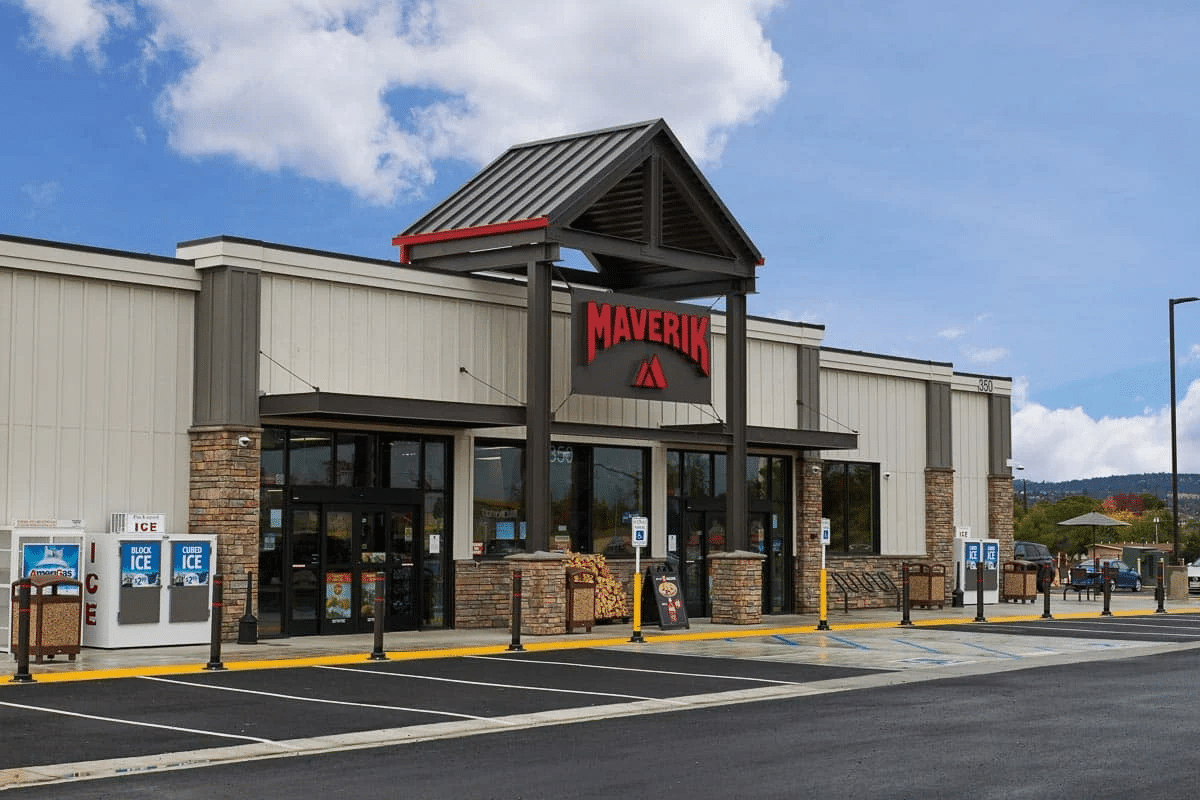
6 Gas Station Chains With Food So Good It’s Worth Driving Out Of Your Way For
We scoured the Internet to see what people had to say about gas station food. If you think the only things available are wrinkled hot dogs of indeterminate age and day-glow slushies, we’ve got great, tasty news for you. Whether it becomes part of a routine or your only resource on a long car trip, we have the food information you need.
Let’s look at six gas stations that folks can’t get enough of and see what they have for you to eat.