Europe’s breadbasket isn’t just cultural—it’s a $122.8 billion industry rising with every loaf.
Ever notice how bread tells the story of a place? Walk through Europe and you’ll find each country has its own bread personality. Some are crusty and confident, others soft and sweet. Each loaf carries centuries of tradition, local ingredients, and cultural pride.
According to Grand View Horizon, the European packaged bread market generated about $122.8 billion in revenue in 2024. It is projected to grow to nearly $139.9 billion by 2030 at a 2.2% CAGR. Here are 17 breads that showcase why Europe is such a delicious continent to wander through.
Baguette (France)
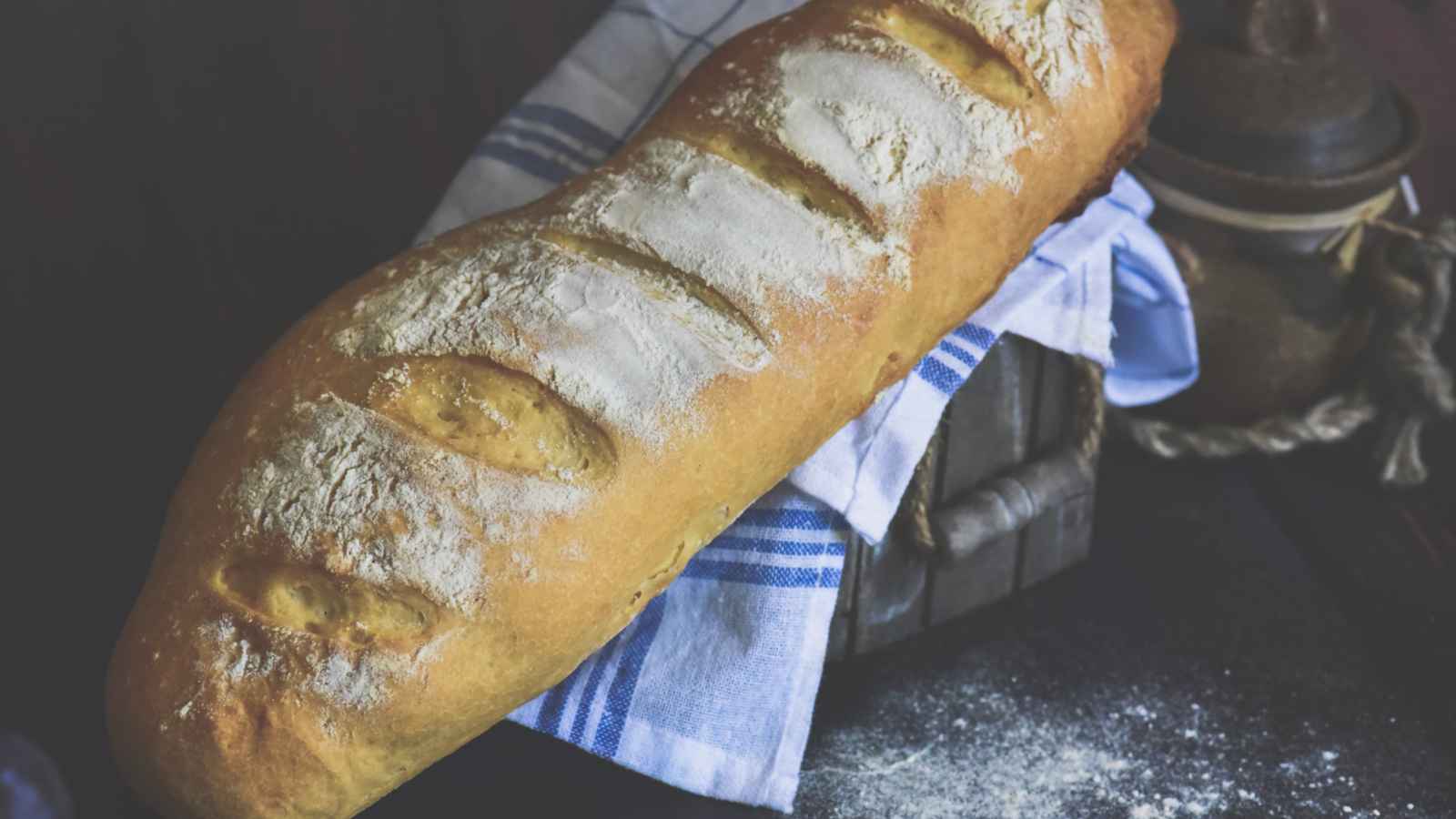
The baguette isn’t just bread in France. It’s a daily ritual, a cultural symbol, and honestly, perfection in loaf form. UNESCO recognized this in 2022 when it added the baguette to its Intangible Cultural Heritage list. That’s right – this bread is so important it needs international protection.
French bakers create nearly 16 million baguettes daily, totaling about six billion each year. Walk through any French neighborhood in the morning and you’ll smell them baking. The recipe seems simple enough: flour, water, yeast, and salt. But getting that perfect crispy crust with an airy, chewy inside? That’s pure art passed down through generations.
Brioche (France)
If the baguette is France’s everyday hero, brioche is its indulgent weekend treat. This butter-and-egg-rich bread sits somewhere between bread and pastry, and it knows exactly how special it is. Golden, pillowy, and slightly sweet, brioche makes everything better – whether you’re making French toast or just eating it with jam.
The numbers don’t lie about brioche’s appeal. In the U.S., brioche represents 34% of bakery shoppers’ purchases, with brands like St Pierre driving 63% year-on-year growth. That’s some serious bread love. Brioche, whether shaped as a loaf or individual buns, consistently delivers a rich, tender crumb that makes you close your eyes and sigh contentedly.
Ciabatta (Italy)
Ciabatta was only invented in the 1980s, making it the baby of the Italian bread family. Named “slipper” for its flat, elongated shape, this bread quickly became essential to Italian kitchens. Those irregular holes throughout the crumb? That’s the sign of well-hydrated dough and skilled hands.
Italians take their bread seriously, consuming over 41 kilograms per person annually. That’s about 3.88 ounces daily. Ciabatta’s chewy texture and crusty exterior make it perfect for sandwiches, especially panini. Its rustic appearance might look casual, but achieving those perfect air pockets takes real technique.
Focaccia (Italy)
Focaccia is Italy’s agricultural abundance on a plate. Dimpled with fingertips and drizzled with olive oil, it’s often topped with rosemary, tomatoes, or olives. This Ligurian specialty shows off the Mediterranean’s best ingredients in every golden, herb-scented bite.
Italy’s bread market was valued at €9.56 billion in 2023, with forecasts showing 4% annual growth through 2028. Focaccia plays a big part in these numbers, serving as breakfast, snack, pizza base, or side dish. The generous olive oil keeps it moist and flavorful, while seasonal toppings change with what’s fresh. Each bite tastes like sunshine and tradition.
Pane di Altamura (Italy)
This southern Italian bread is basically the overachiever of the bread world. Made exclusively in Apulia with local durum wheat, Pane di Altamura became the first European bread to receive Protected Designation of Origin status in 2003. The rules are strict: at least 80% certified Apulian wheat, wood-fired ovens only, traditional methods required.
The dedication pays off. In 2019, production reached 601 tons, up 18% from the previous year. This dense, nutty bread can last for days without going stale, making it perfect for hearty southern Italian meals. Its golden crumb and robust flavor pair beautifully with strong cheeses and rich stews.
Sourdough (Germany/Denmark)
Sourdough’s tangy complexity comes from wild yeasts and bacteria working their fermentation magic. Northern European bakers have mastered this ancient technique, creating robust loaves that fuel hearty breakfasts and open-faced sandwiches. The process takes time, but the flavor payoff is incredible.
The European sourdough market is booming, projected to grow from $52.9 million in 2025 to $92.5 million by 2035. That’s a 5.8% annual growth rate. Health-conscious consumers love sourdough’s lower glycemic index and perceived digestibility. Plus, that signature tang makes every slice interesting.
Pumpernickel (Germany)
Pumpernickel is German bread at its most intense. Dense, dark, and slightly sweet, this rye-based loaf bakes for up to 24 hours. The slow cooking process creates its characteristic deep brown color through natural Maillard reactions – no artificial coloring needed.
This bread has serious history, appearing in Westphalia since at least 1450. Traditional pumpernickel relies on coarse rye meal and natural sourdough fermentation. Its earthy, mineral notes pair perfectly with smoked meats and strong cheeses. German bakers still follow centuries-old methods, proving some things shouldn’t change.
Pretzel (Germany)

The pretzel’s twisted shape is instantly recognizable worldwide, but Germany remains the pretzel capital. With their shiny brown crust and coarse salt crystals, pretzels represent Bavarian beer gardens, festive markets, and convivial gatherings.
Germany’s pretzel market generated $588.99 million in 2023, with projections reaching $866.42 million by 2033. That’s steady 3.94% annual growth. Pretzels range from soft, oversized festival versions to crispy snack varieties, adapting while maintaining their iconic appeal. Local bakeries constantly innovate with whole-grain and organic versions.
Borodinsky bread (Russia)
Borodinsky bread brings drama to the breadbasket. Dark, aromatic, and complex, this rye-based loaf gets its distinctive flavor from fragrant coriander and molasses. Named after the Battle of Borodino, it carries Russian history in every slice.
Historically, in early 20th-century Russia, over 60% of bread consumed was made from rye flour. Borodinsky’s natural sourdough fermentation enhances both flavor and shelf life. This bread, paired with soup, cured fish, or simple butter, delivers the hearty nourishment Russians have cherished for generations.
Rugbrød (Denmark)
Dense, seeded, and seriously nutritious, rugbrød forms the foundation of Denmark’s famous smørrebrød (open-faced sandwiches). This dark rye bread packs whole grains, seeds, and sourdough tang into every substantial slice.
The stats speak volumes: 88% of Danes eat rye bread weekly, with 51%of them including it daily. That’s serious bread devotion. Rugbrød’s sturdy texture supports elaborate toppings while its fiber-rich composition keeps people satisfied. Modern versions often include sprouted grains and extra seeds for added nutrition.
Hönökaka (Sweden)
Save this article
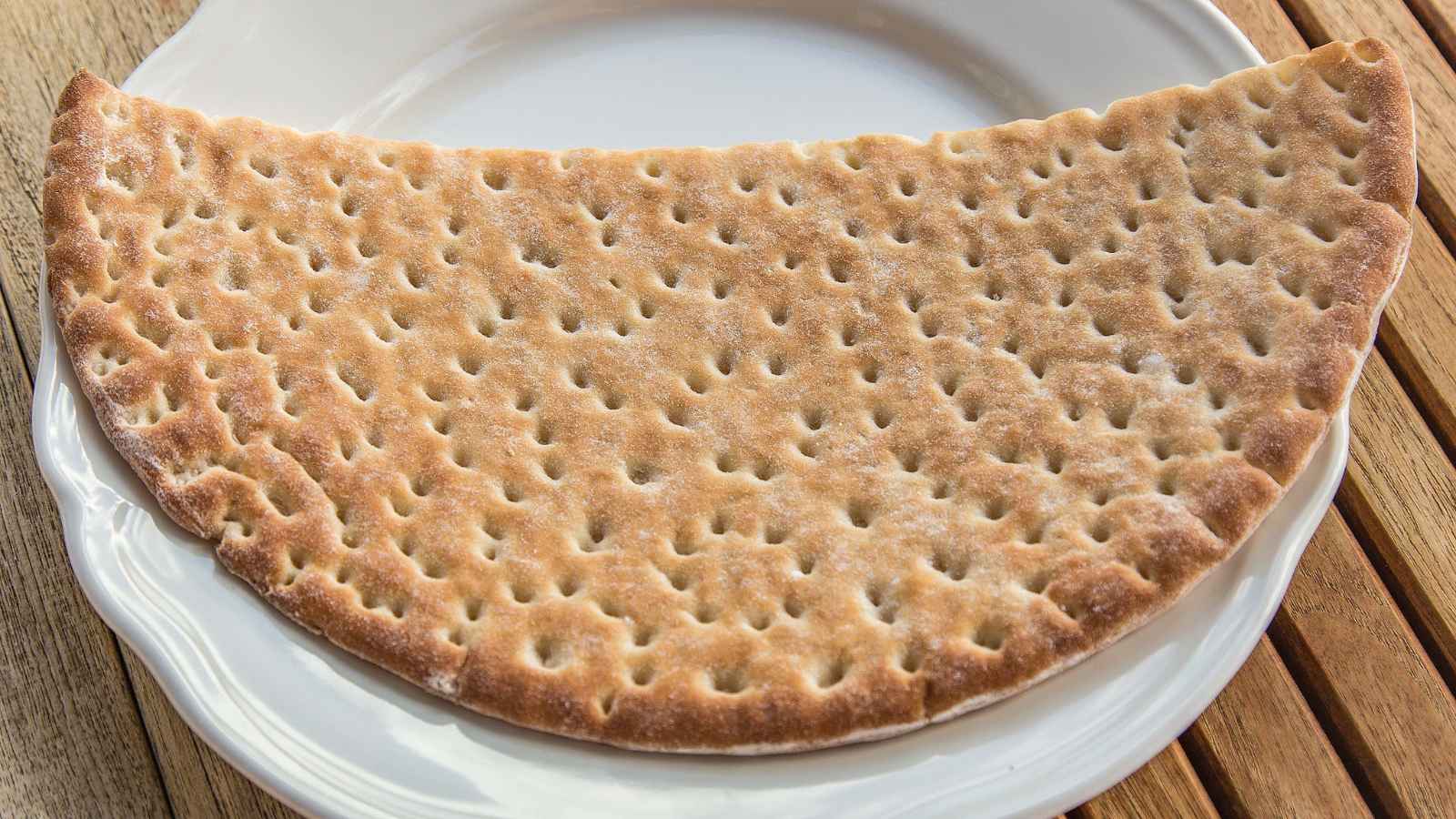
Hönökaka offers Swedish comfort food at its finest. This slightly sweet flatbread from Hönö Island gets steamed rather than baked, creating an incredibly tender, chewy texture. Fishing communities developed this bread for its excellent keeping qualities at sea.
Swedish bread consumption averages 54 kg annually per person, with regional specialties like Hönökaka maintaining strong popularity. Its gentle sweetness works with both savory and sweet toppings, while the soft texture appeals to all ages. Each round carries the warmth of Sweden’s coastal culture.
Soda bread (Ireland)
Irish soda bread proves that simple can be spectacular. No yeast needed – just flour, baking soda, buttermilk, and salt create quick leavening and rustic charm. The result is crusty outside, tender inside, and perfectly suited to Ireland’s hearty cuisine.
In 2023, Ireland’s domestic bread market reached approximately €731 million—equivalent to over $800 million USD depending on exchange rates. Soda bread maintained its traditional role in Irish kitchens. Home bakers still cherish family recipes, often adding rolled oats or caraway seeds for variation. Its quick preparation and comforting flavor make it perfect for last-minute meals.
Barmbrack (Ireland)
Barmbrack brings Irish tradition and fortune-telling together in one fruity loaf. Dried sultanas and currants soak in strong tea before joining the dough, creating a moist, tender crumb studded with sweet fruit. Halloween wouldn’t be complete without it.
During the Halloween season, Irish bakeries report double or triple their usual barmbrack sales. Hidden tokens predict the finder’s fortune for the coming year – talk about interactive baking. Toasted with butter or enjoyed with tea, barmbrack connects past and present in every slice.
Bara Brith (Wales)
“Speckled bread” translates to pure Welsh comfort. Bara Brith combines dried fruit, tea, and warming spices into a moist, celebratory loaf that works equally well for special occasions or everyday teatime.
Bara Brith consistently features in lists of “Top Foods to Try in Wales,” alongside cawl, Welsh rarebit, laverbread, and Welsh cakes. Early bakers created this recipe from thrifty habits, steeping leftover dried fruit in hot tea. Festivals and home bakers keep the tradition alive, experimenting with new spices while honoring the original spirit.
Crusty Cob (UK)
The classic British cob – round, flour-dusted, and satisfyingly substantial – represents comfort food perfection. Its thick golden crust protects an airy, slightly chewy interior that’s achieved through long fermentation and high-heat baking.
White or seeded, these rounds accompany everything from cheese to soup to the iconic ploughman’s lunch. Bakers constantly experiment with grain blends while maintaining that essential cob character.
Lángos (Hungary)
Lángos turns bread dough into festival food magic. Deep-fried until golden and pillowy, then topped with garlic butter, sour cream, and cheese, it’s Hungarian street food at its most indulgent. Originally made from leftover bread dough, lángos now star at markets and fairs.
Its crisp exterior and creamy interior create the perfect canvas for creative toppings, from traditional sausages to fresh vegetables. Each bite delivers comfort, tradition, and pure joy.
Pão de Mafra (Portugal)
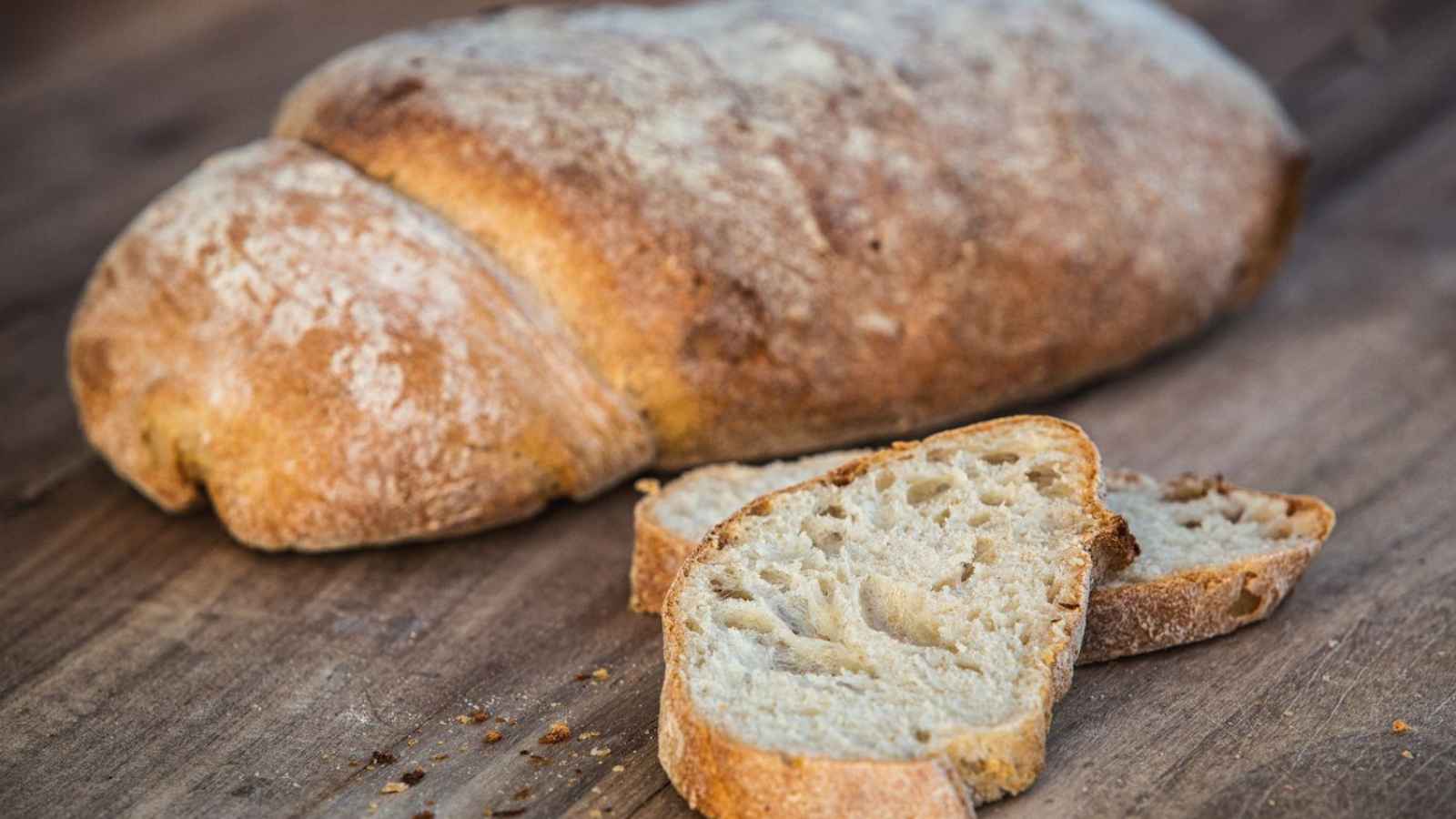
Portugal’s artisan pride shines in Pão de Mafra. This sourdough-style bread combines white and whole wheat flours, shaped into long loaves with characteristic irregular holes from high hydration and masterful fermentation.
In 2022, production of fresh bread and miscellaneous bakery goods in Portugal reached approximately 564,000 tons, representing a 50% increase from the previous year. Regional specialties like Pão de Mafra helped drive demand for authentic products. Its earthy, tangy flavor pairs perfectly with cheese, charcuterie, or good olive oil.
Disclaimer – This list is solely the author’s opinion based on research and publicly available information. It is not intended to be professional advice.
6 Gas Station Chains with Food So Good It’s Worth Driving Out of Your Way For
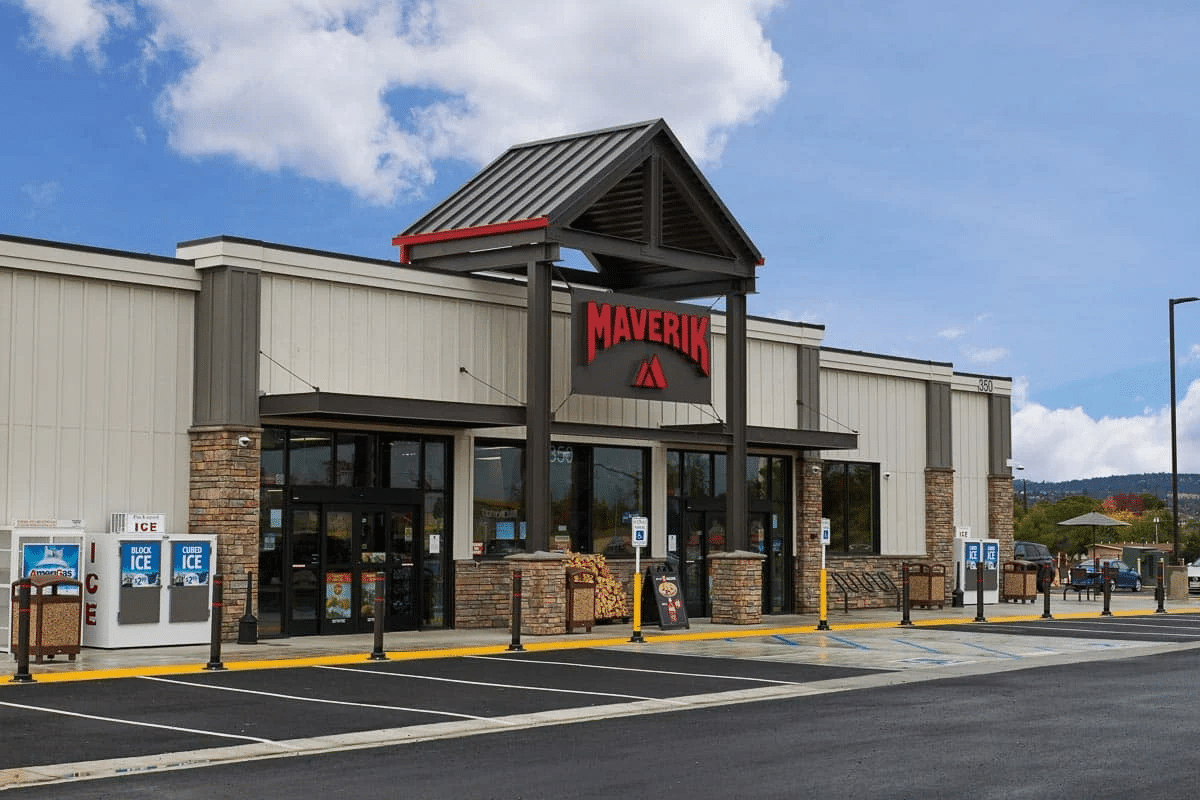
6 Gas Station Chains With Food So Good It’s Worth Driving Out Of Your Way For
We scoured the Internet to see what people had to say about gas station food. If you think the only things available are wrinkled hot dogs of indeterminate age and day-glow slushies, we’ve got great, tasty news for you. Whether it ends up being part of a regular routine or your only resource on a long car trip, we have the food info you need.
Let’s look at 6 gas stations that folks can’t get enough of and see what they have for you to eat.