

Remember being 16? That magical age where freedom felt so close you could taste it. The car keys were practically in your hand, and the world was your oyster… or at least, the 10-mile radius around your house was. But if you were a teen today, you’d find that many of those classic rites of passage are now off-limits.
It’s not your imagination; the world for 16-year-olds has fundamentally changed, wrapped in a new layer of laws your parents never had to navigate. We’ve seen the widespread adoption of policies like Graduated Driver Licensing (GDL), which all 50 states now have in some form, and the federal “Tobacco 21” law that completely changed the game for young adults.
It represents a move from a “learn by doing” approach to a “learn by gradually doing under supervision” model for adolescence. So, let’s take a trip down memory lane and look at 17 things you were probably dying to do at 16 that are now, believe it or not, against the law.
Cruising Solo with a Fresh License

Remember the sheer bliss of getting your license on your 16th birthday and immediately driving off… alone? That first taste of true, unsupervised freedom was everything.
For decades, getting a driver’s license was a straightforward, one-and-done event. By 1959, all states required an exam, but 16 was the magic number for a full, unrestricted license. Today, that’s a fantasy. Every single state has a Graduated Driver Licensing (GDL) program that phases in privileges, meaning a 16-year-old is in the “Intermediate Stage” with a bunch of restrictions.
This change was a direct response to staggering teen crash rates. The data is sobering: teen drivers have crash rates nearly four times those of drivers 20 and older. GDL programs, introduced, were designed to fix this. And work they did. The concept is that when young new drivers have more experience on the roads, they are developed to the next stage of expanded licensing privileges, which will come without many restrictions.
Packing the Car with All Your Friends

The ink on your license was barely dry, and you were already planning a trip to the beach with a car full of your best friends. The more, the merrier, right? Before GDL, no laws stopped a new 16-year-old driver from filling every seat.
Not anymore. A core component of GDL is a passenger restriction. Today, 47 states and D.C. limit the number of passengers a teen in the intermediate stage can have in their car. In California, for instance, minors can’t transport anyone under 20 for the first 12 months unless they’re family.
The reason is simple: friends are a significant distraction. Laws limiting teens to zero or one passenger lead to much larger reductions in fatal crashes.
Staying Out Past Midnight

Remember begging your parents to extend your curfew just one more hour? “But everyone else gets to stay out till 1!” The late-night diner run after a movie was a sacred teenage ritual. Back then, your curfew was a negotiation with your parents. If you could convince them, you were golden.
Now, it’s not just your parents you have to worry about—it’s the state. All states except Vermont have a nighttime driving restriction for teens in the intermediate GDL stage. Why the change? Driving at night is inherently more dangerous, especially for inexperienced teens.
The data on this is overwhelming. According to IIHS-HLD, these restrictions are associated with 40-60 percent reductions in teen crashes during the restricted hours. GDL systems work because they limit driving in high-risk situations (e.g., at nighttime). While most states allow exceptions for driving to and from work, the days of aimless late-night cruising are largely over for 16-year-olds.
Buying a Pack of Smokes

If you smoked or not, you probably knew someone who could walk into a convenience store at 16 or 17 and buy a pack of cigarettes. It was a misguided symbol of adulthood.
For decades, the minimum legal sales age (MLSA) for tobacco was 18 in most states, but enforcement was often lax. A federal law raised the minimum age to purchase all tobacco products, including e-cigarettes, to 21 nationwide. No exceptions. The “Tobacco 21” movement was fueled by undeniable public health data.
The main goal was to cut off the supply chain from 18-year-old high school seniors to their younger friends. As Texas State Senator Joan Huffman said, “Without a doubt, the long term effects of our legislation will save lives and taxpayer dollars”. And it seems to be working. One year after the federal law, the percentage of students who thought it was easy to buy tobacco from a store dropped.
Getting That Tattoo You Begged For

Remember pleading with your parents to sign the consent form for that tiny butterfly tattoo on your ankle? For many of us, a tattoo at 16 or 17 was the ultimate act of rebellion… with parental permission, of course. For a long time, the rules were a patchwork. Most states allowed a minor to get a tattoo with parental consent.
The landscape has become much stricter. While there’s no federal law, all 50 states now require a person to be at least 18 to get a tattoo without consent. The reasoning is a mix of public health and legal liability.
There’s a greater understanding of the health risks and the legal principle that a minor cannot truly give “informed consent” for a permanent body modification. In these states, the government has decided that the state’s interest in protecting a minor from a permanent decision overrides a parent’s right to consent.
Working Late on a School Night

Juggling a part-time job at the mall or the local burger joint was a rite of passage. In the 1970s and 80s, teen employment was at its peak, with a summer high of 58% in 1978. Jobs in retail and food service were practically reserved for teens.
Today, the federal Fair Labor Standards Act (FLSA) and state laws strictly limit the hours 16- and 17-year-olds can work, especially on school nights.
The whole point is to ensure that work doesn’t jeopardize a teen’s “health, well-being or educational opportunities”. But here’s a strange twist. While most of the laws on this list are getting stricter, some states are actually rolling back child labor protections.
Hitting the Tanning Bed for Prom

Getting a “base tan” before a big event felt like a normal, even responsible, thing to do. For years, tanning beds were largely unregulated for teens.
That has changed dramatically. Today, 20 states and the District of Columbia have complete-bans on indoor tanning for anyone under 18.The science behind this shift is terrifyingly clear.
The World Health Organization classifies indoor tanning devices in the same cancer-risk category as plutonium and cigarettes. Using a tanning bed before age 35 increases your risk of melanoma—the deadliest skin cancer.
Dropping Out of High School

The idea of leaving school at 16 to start working and enter the “real world” was a common daydream for some and a reality for others.
Today, 20 states plus D.C. and Puerto Rico require students to stay in school until they are 18. Many other states set the age at 17. The reason is purely economic. This legal change reflects the reality that a high school diploma is now seen as the bare minimum for economic survival.
Getting Married Young

Your grandparents might have met in high school and married right after graduation. For much of American history, teenage marriage was not just accepted but expected, especially for young women.
Under English common law, which shaped the constituent systems of early American law, girls were allowed to marry as early as 12 years old, and boys could marry at 14. During the 20th century, parental consent or permission of the court was similar to most states, where a minor is permitted to marry. The marriages were mostly looked at as a way to resolve unplanned pregnancies or a method of formalizing serious relationships.
Modern lawmakers recognize that child marriage can undermine education, health, and safety while potentially serving as a legal loophole for statutory rape. What once seemed like young love is now understood as a serious human rights issue.
Buying Cough Syrup for a Cold

Feeling under the weather used to mean a quick trip to the pharmacy to grab whatever cough medicine looked most promising. For decades, anyone could purchase over-the-counter medications containing dextromethorphan (DXM) without restrictions.
The landscape changed when authorities recognized DXM’s potential for abuse. “Robotripping”—getting high from cough syrup—became a concerning trend among teenagers. The effects can include hallucinations, dissociative experiences, and dangerous physical symptoms.
California led the charge in 2012 by requiring buyers to be 18 or older for DXM-containing products. Alaska, Arizona, Washington, and other states have followed suit, often requiring ID unless the purchaser clearly appears over 25.
Save this article
Having Your 18th Birthday Lottery Ticket (in Some States)

Buying a lottery ticket at 18 once represented a classic rite of passage—your first legal gamble as an adult. For generations, 18 marked the age when you could vote, serve in the military, and try your luck with scratch-offs.
That uniformity no longer exists. Arizona, Iowa, and Louisiana have raised their lottery age to 21, while Nebraska requires players to be 19. The changes reflect concerns about gambling addiction and brain development research, suggesting that decision-making abilities continue maturing into the mid-twenties.
The new restrictions create odd legal contradictions. In these states, you can vote for the politicians who oversee lottery operations and serve in combat zones overseas before you can legally buy a $1 scratch-off ticket.
Drinking with Your Parents at Restaurants

Depending on your family’s traditions and your state’s laws, sharing a glass of wine or beer with your parents during dinner might have been a normal part of growing up. Many states historically allowed minors to consume alcohol under direct parental supervision, even in public establishments.
These exceptions recognized that many cultures view moderate alcohol consumption as a family matter rather than a legal issue. European-style family dining often includes wine as a normal part of the meal, regardless of age.
The permissions are rapidly disappearing. The family dinner where Dad lets you taste his beer is becoming a relic of the past, replaced by zero-tolerance policies that make no distinction between supervised sips and unsupervised binge drinking.
Getting Your Nose Pierced on a Whim

Body modification used to be relatively straightforward for teenagers. Find a shop, get a parental signature, and walk out with new jewelry. The rules were inconsistent and often left individual businesses to set their own policies.
Contemporary regulations are far more specific and restrictive. While most states still allow piercings with parental consent, many have added significant requirements. Minnesota and Missouri require parents to be physically present during the procedure and sign consent forms in front of the piercer.
The restrictions reflect growing awareness of infection risks, healing complications, and long-term consequences of body modification decisions made during adolescence.
Unlimited Social Media Scrolling

This restriction would have sounded like science fiction to previous generations—the government regulating when you could access the internet. But lawmakers are increasingly concerned about social media’s impact on developing minds.
Utah now enforces a “social media curfew” for minors, restricting access between 10:30 p.m. and 6:30 a.m. unless parents specifically override the limitation. Florida and Utah have banned children under 14 from creating their own social media accounts. Simultaneously, numerous states need parental permission for an individual under 18 to join platforms.
The regulations represent a dramatic shift from the internet’s early “wild west” atmosphere, where access was unlimited and largely unsupervised. Lawmakers cite concerns about sleep disruption, cyberbullying, mental health impacts, and addictive design features specifically targeting young users.
Renting a Hotel Room for Weekend Adventures

Planning trips with friends once meant finding accommodations willing to rent to teenagers. While it was never easy, many hotels would accept 18-year-old guests, and mature-looking 17-year-olds could sometimes manage it with fake IDs or persuasive stories.
Those days are essentially over. Most major hotel chains now require guests to be 21 or older, with some properties in party destinations like Las Vegas or Miami Beach setting the minimum age at 25.
The shift reflects liability concerns—contracts with minors aren’t legally enforceable, leaving hotels vulnerable to property damage and legal complications. The change has effectively ended a rite of passage that once allowed young people to experience independence and travel with friends.
Going to a Club Show for Your Favorite Band

Seeing your favorite up-and-coming band at a small, crowded club was a quintessential teen experience.
Many smaller venues used to be all-ages or 16+, using wristbands to separate drinkers from non-drinkers. This is becoming much rarer.
Due to liability issues and the economic reality that most of a venue’s profit comes from alcohol sales, many small- to mid-sized venues are now strictly 18+ or 21+. It’s simply more expensive and riskier for a promoter to run an all-ages show, which pushes many concerts out of reach for 16-year-old fans.
Buying a “Mature” Video Game

Walking into a store and buying the latest “M-rated” game, like Grand Theft Auto or Mortal Kombat, was a common goal for many teens.
In the early days of video games, there were no ratings. After congressional hearings in the early 90s, the industry created the Entertainment Software Rating Board (ESRB) in 1994 as a self-regulatory measure.
While the ESRB ratings are technically voluntary, they are now strictly enforced by almost all major retailers.
Key Takeaway

Remember that feeling of being 16 and invincible? It turns out, society decided you needed a bit more protection. The world for today’s teens is governed by a web of laws that didn’t exist a generation ago, from who they can have in their car to whether they can buy a lottery ticket or even get a tattoo with their mom’s permission.
This isn’t just random rule-making. It’s a massive, data-driven shift. So while it might seem like kids today have less freedom, they’re also being handed a statistically safer, healthier start to adulthood—whether they asked for it or not.
Disclaimer – This list is solely the author’s opinion based on research and publicly available information. It is not intended to be professional advice.
16 Grocery Staples to Stock Up On Before Prices Spike Again

16 Grocery Staples to Stock Up On Before Prices Spike Again
I was in the grocery store the other day, and it hit me—I’m buying the exact same things I always do, but my bill just keeps getting higher. Like, I swear I just blinked, and suddenly eggs are a luxury item. What’s going on?
Inflation, supply-chain delays, and erratic weather conditions have modestly (or, let’s face it, dramatically) pushed the prices of staples ever higher. The USDA reports that food prices climbed an additional 2.9% year over year in May 2025—and that’s after the inflation storm of 2022–2023.
So, if you’ve got room in a pantry, freezer, or even a couple of extra shelves, now might be a good moment to stock up on these staple groceries—before the prices rise later.
6 Gas Station Chains With Food So Good It’s Worth Driving Out Of Your Way For
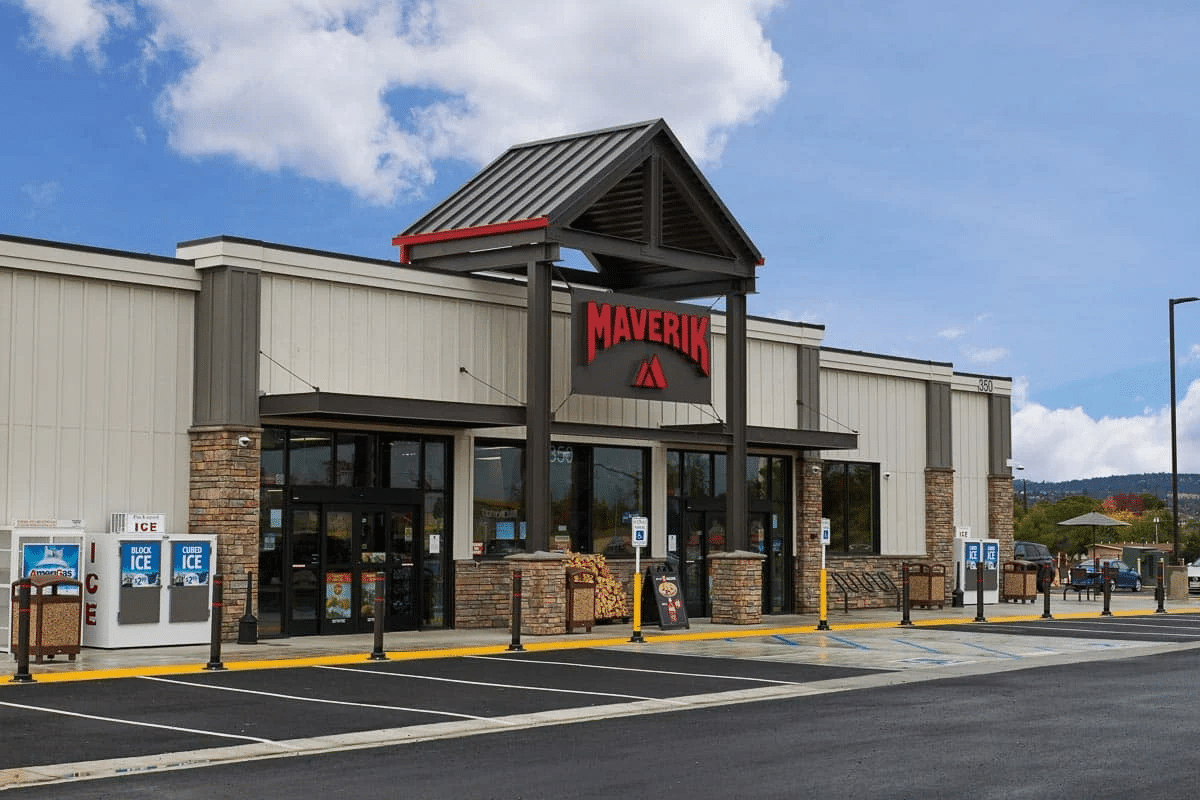
6 Gas Station Chains With Food So Good It’s Worth Driving Out Of Your Way For
We scoured the Internet to see what people had to say about gas station food. If you think the only things available are wrinkled hot dogs of indeterminate age and day-glow slushies, we’ve got great, tasty news for you. Whether it ends up being part of a regular routine or your only resource on a long car trip, we have the food info you need.
Let’s look at 6 gas stations that folks can’t get enough of and see what they have for you to eat.