When most people hear the word “homelessness,” they think “sad problem,” feel bad for five seconds, then scroll on. But it’s not just “a few people on the corner.”
UN‑Habitat estimates that between 1.6 and 3 billion people around the world live without decent housing, and at least 330 million experience what researchers call absolute homelessness, with no real shelter at all.
Countries with money, countries without money, big cities, small towns: the details change, but the pattern doesn’t.
That’s what this piece is about. Not just the tents, the shelter lines, or the headlines, but what they say about housing policy, health care, wages, policing, and who gets written off as acceptable collateral damage.
Record Homelessness Shows Housing Systems Are Failing
In the U.S., more than 771,000 people were homeless on a single night in January 2024, the highest number ever recorded and an 18% jump in just one year. That is about 23 out of every 10,000 residents in one of the richest countries on earth.
Globally, UN‑Habitat estimates that between 1.6 and 3 billion people lack decent housing, with at least 330 million living in what researchers call “absolute” homelessness. Only 78 of 195 countries even publish official homelessness data, and a 2026 review highlights very high homeless populations in countries like Nigeria, Syria, Bangladesh, and Ukraine.
When rich and poor countries alike report waves of people without shelter, it starts to look less like bad luck and more like a design flaw.
The Affordable Housing Gap Is Deliberate, Not Accidental
The National Alliance to End Homelessness flatly says the main driver is not laziness; it is the lack of deeply affordable housing. In the U.S., there are only about 35 affordable homes for every 100 extremely low‑income renters, a gap that refuses to shrink year after year.
From 2001 to 2023, median rents climbed roughly 23% after inflation, while renters’ incomes crawled up about 5%, so each rent hike quietly shoves more families toward the edge. The GAO found that a 100‑dollar rent bump in a community is linked to a 9% rise in homelessness, and 2024 rents were about 18% higher than in 2020, alongside a 7.3‑million‑unit shortage of affordable rentals.
Pandemic supports faded, the safety net stayed full of holes, and somehow we still blame the people falling through.
Homelessness Magnifies Racial and Social Inequity
Black people are about 12% of the U.S. population but roughly 32% of those experiencing homelessness, a gap that matches long histories of redlining, wage gaps, and targeted policing.
LGBTQ+ youth face their own stacked deck. They are estimated to be about 120% more likely to experience homelessness than their non‑LGBTQ peers and make up around 40% of homeless youth while being only a small slice of the overall youth population.
The Trevor Project reports that roughly 38–39% of transgender and nonbinary youth have faced homelessness or housing instability, compared with about 23% of cisgender LGBTQ youth. More than half of LGBTQ youth who ran away said they did it because they were mistreated or feared mistreatment for who they are.
Criminalizing Homelessness Exposes Our Punitive Reflex
In 2024, the U.S. Supreme Court ruled in City of Grants Pass v. Johnson that cities can punish people for sleeping outside even when no shelter is available, rejecting claims that this is “cruel and unusual.”
Berkeley law professor Jeffrey Selbin said the court had “greenlighted the criminalization of homelessness,” even though research shows it is both counterproductive and inhumane. Justice Sonia Sotomayor argued in her dissent that these laws effectively criminalize the state of being homeless, not any real choice.
On the ground, people without housing already spend more time in jails and courts due to ordinances against sleeping in cars or resting in public, an approach that raises costs while changing nothing about rent, wages, or shelter beds.
Health Care Systems Depend on Stable Housing, But Do Not Provide It
A 2023 national working paper found that non‑elderly homeless adults in the U.S. have about 3.5 times the mortality risk of similar housed adults, even after adjusting for factors like age and location. Health Affairs describes steep mortality from overdoses, infections, diabetes, heart disease, traffic injuries, and extreme weather, calling it “mortal systemic exclusion” from basic care and shelter.
The average life span of a homeless person can be about 17.5 years shorter than the general population. A 2025 JAMA Health Forum study found that people experiencing homelessness relied heavily on emergency rooms and hospital stays, while a 2024 KFF survey reported that more than half of adults with past experiences of homelessness had delayed or skipped needed care in the previous year.
Homelessness Quietly Bleeds Public Budgets
In Los Angeles, annual hospital costs of about 63,800 dollars per person for a group of 131 chronically homeless individuals, driven largely by repeated emergency care. A fact sheet from the National Policy & Advocacy Council on Homelessness estimated that one homeless person in a Texas sample cost taxpayers about 14,480 dollars annually, largely through jail stays. A single prison bed can cost an average of $20,000 a year.
Each extra month someone spends in a homeless program can raise costs by roughly 35%, and frequent emergency‑room users without stable housing can run up more than 64,000 dollars in ED bills per year. In New York City, the daily per‑person cost of supportive housing was about 68 dollars, compared with 136 dollars for a shelter, 1,414 dollars for jail, and 3,609 dollars for hospitalization.
Family and Child Homelessness Reveal the Fragility of the Middle Class
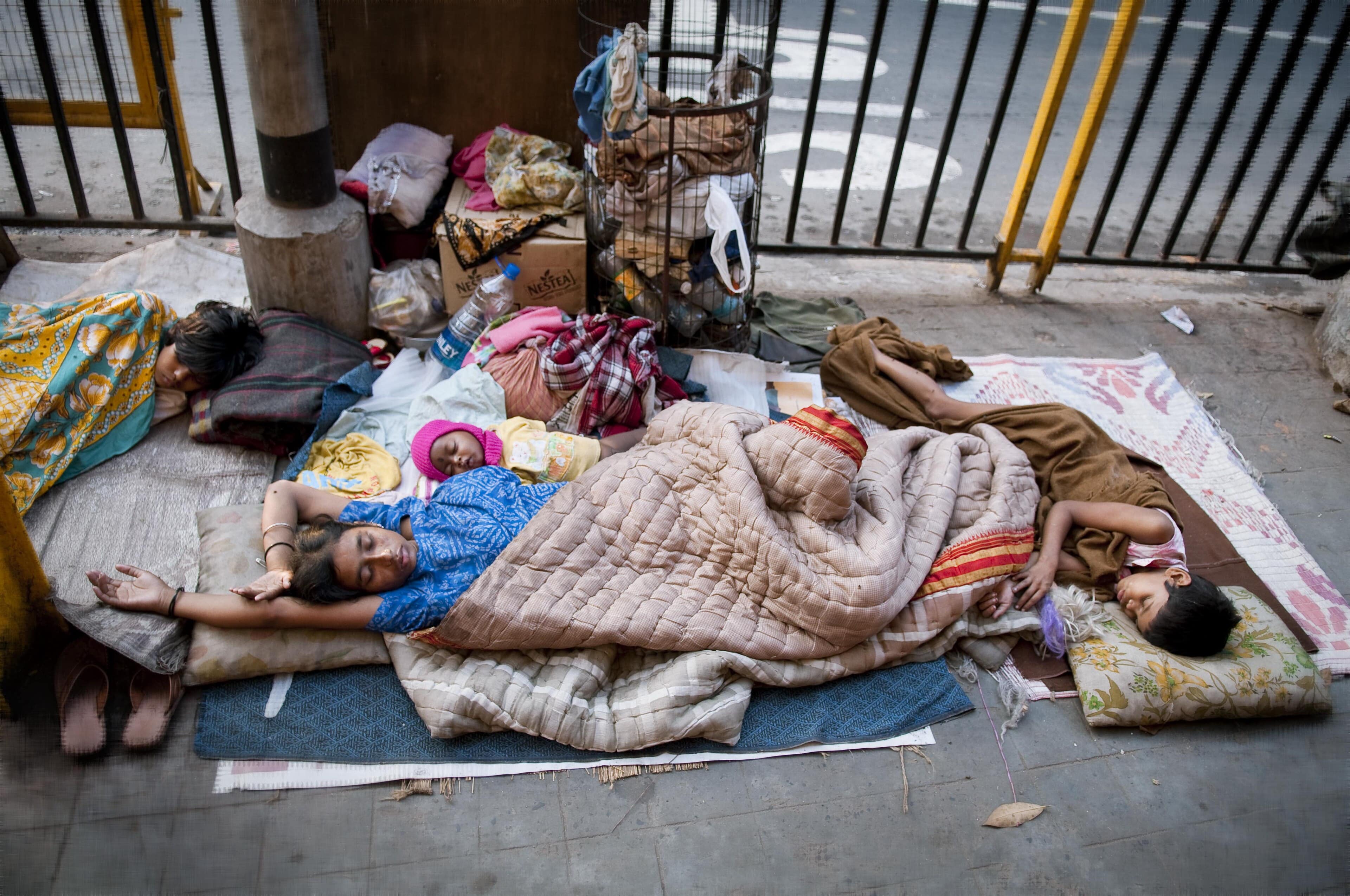
For years, we were told that if you work hard and take care of your kids, you will be safe. The numbers now politely disagree. Between 2023 and 2024, family homelessness in the U.S. jumped by about 39%, reaching around 259,000 people in families, the highest level since tracking began in 2007.
Child homelessness rose about 33%, with nearly 150,000 children recorded as homeless in a single federal count. Advocates link this spike to rising rents, stubborn inflation, and the end of pandemic policies like the expanded child tax credit and eviction protections that briefly cut child poverty and kept families housed.
Save this article
Each year, about 4.2 million minors in the U.S. experience some form of homelessness, including roughly 700,000 who are on their own without family, which shows just how thin the safety net really is.
More articles to read:
- 12 Reasons People Believe America Is Completely Falling Short
- 12 things that used to be free but now cost money
- 10 money habits boomers see as normal that can lead to financial trouble
Hidden Homelessness Shows How Much We Do Not Count
The U.S. Point‑in‑Time count happens on one winter night and mostly covers people in shelters or visibly unsheltered outside, leaving out many who are couch surfing, doubled up, or in unsafe temporary stays.
Analysts at the Bipartisan Policy Center argue that this method badly underestimates the real scope of homelessness in many communities. Globally, the Ruff Institute of Global Homelessness reports that only 78 of 195 countries publish homelessness statistics, and just 57 have updated them since 2018, which makes standard global figures of 100 to 150 million homeless people look more like a floor than a ceiling.
In the U.S., data show that in 2022, about 682,600 people entered shelters for the first time, a flow that far exceeds what a single‑night snapshot can reveal. The crisis is bigger than the official headcount knows how to capture.
Youth and LGBTQ+ Homelessness Reveal Family and Institutional Failures
For many young people, losing housing is not about bad budgeting, it is about losing safety. LGBTQ+ youth are estimated to be about 120% more likely to experience homelessness than straight, cisgender youth and make up roughly 40% of homeless young people while representing a much smaller share of the overall youth population.
The Trevor Project found that 16% of LGBTQ youth had slept away from parents or caregivers because they ran away, and more than half said they did so due to mistreatment or fear of mistreatment related to their identity.
Advocacy summaries report that between 40% and 80% of homeless LGBTQ youth experience suicidal thoughts in a given year, with 23% to 67% having attempted suicide at least once.
Climate, Conflict, and Disasters Are Pushing More People Onto the Street
Homelessness is often framed as a city problem, but it is increasingly a climate and conflict story too. Countries like Syria and Ukraine now have millions of people without stable housing or living in extreme instability after war, displacement, and destruction of homes.
UN‑Habitat’s 2024 estimates of 1.6 to 3 billion people without decent housing include those in slums and informal settlements that are highly exposed to floods, storms, heatwaves, and other climate shocks. By 2022, more than 1.1 billion people lived in slums or informal settlements, up about 130 million from 2015, which means more households are one disaster away from the street.
In the U.S., federal housing and advocacy groups note that climate‑related disasters and rising immigration, combined with weak safety nets, have contributed to recent increases in homelessness as people are displaced faster than they can be rehoused.
Proven Solutions Exist, But Our Priorities Lag Behind
We actually know a lot about reducing homelessness. The Housing First model moves people quickly into permanent housing and then offers voluntary supports. Multiple randomized controlled trials in the U.S. and Canada show that it reliably improves housing stability and quality of life compared with older shelter‑first approaches.
Urban Institute researchers have found that chronic homelessness falls when communities invest in permanent supportive housing, and that initiatives like Denver’s supportive housing program reduce costly emergency visits while increasing access to regular care.
When communities stick closely to the model and invest in wraparound services and landlord partnerships, homelessness drops even in tough economic conditions. Yet public debates often blame Housing First for rising homelessness rather than examining the more obvious drivers, such as soaring rents and stagnant wages.
Disclosure: This article was developed with the assistance of AI and was subsequently reviewed, revised, and approved by our editorial team.
Like our content? Be sure to follow us on Newsbreak.
12 Alarming Truths About How Close the Middle Class Is to Falling Into Homelessness
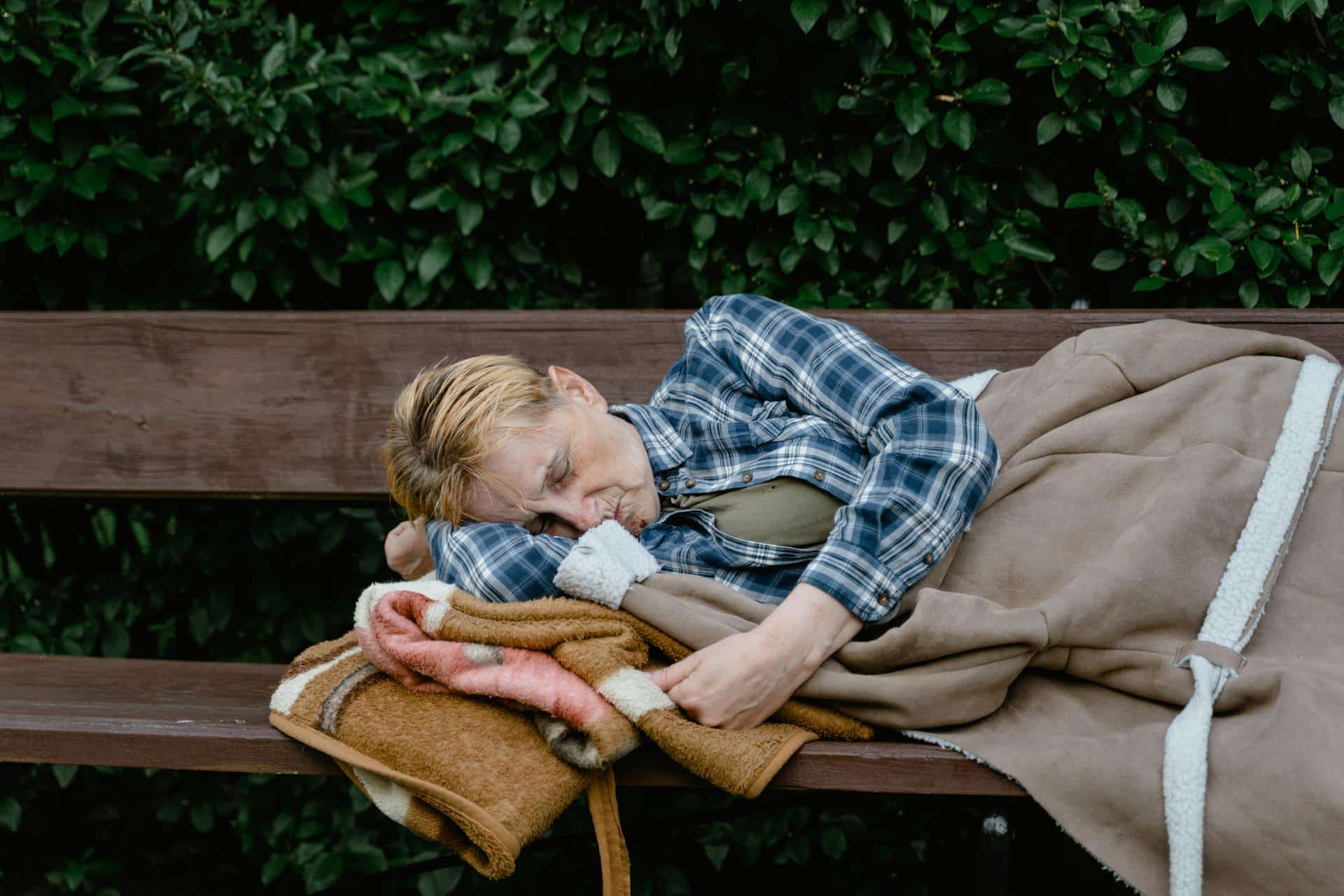
Record homelessness and soaring housing costs are pushing millions of middle-class Americans to the brink faster than most realize.
The middle class is closer to the edge than many think. You can still have a steady job, a car parked in the driveway, and a nice dinner on the table, but one unexpected event could tip everything into chaos. Learn more.
10 U.S. cities where homelessness remains high

Across America’s most iconic cities, a quiet emergency is escalating as homelessness surges despite booming economies and glittering skylines.
The struggle for stable housing is a tale as old as time, yet its urgency feels particularly sharp in modern America. Many cities, once beacons of opportunity, are grappling with a surge in their unhoused populations, a silent crisis unfolding on our streets. It’s a sobering reminder that economic prosperity doesn’t always translate to equitable well-being for all its residents. Read more.