Fresh versus frozen produce isn’t a simple nutrition showdown—new evidence shows timing, storage, and waste matter more than the label itself.
Fresh and frozen fruits and vegetables both belong in a healthy diet, and the nutrition difference is often much smaller than people expect. In many cases, frozen produce is just as nutritious as fresh, and sometimes it can be better if the fresh version has spent days or weeks in storage before you eat it. The real question is not which one is always superior, but which one is freshest, most convenient, and most likely to actually get eaten.
For shoppers trying to eat more plants without wasting food or money, frozen produce can be a smart solution. It is usually harvested at peak ripeness, frozen soon after picking, and protected from the nutrient loss that can happen during long transport and shelf time. Fresh produce can still be excellent, especially when it is local and in season, but the word fresh alone does not guarantee better nutrition.
Why Fresh Can Lose Nutrients
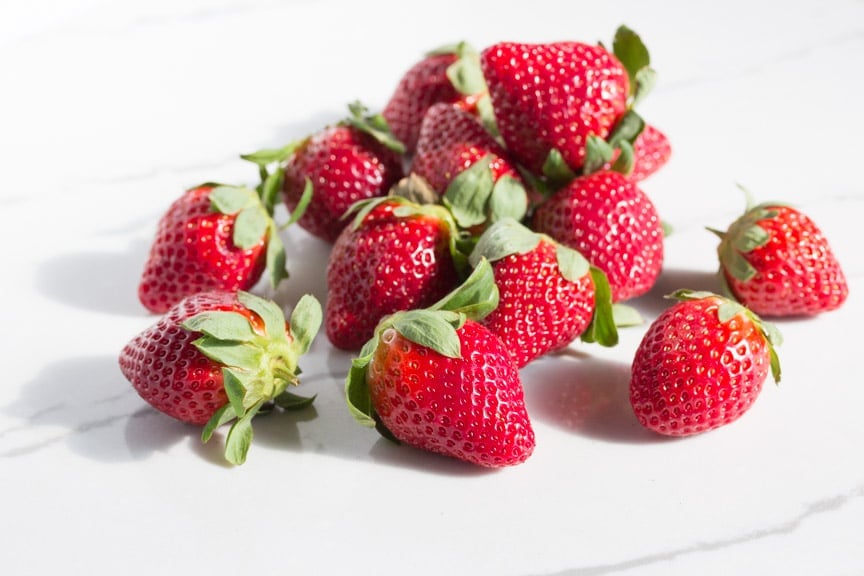
Fresh fruits and vegetables do not stay nutritionally static after harvest. Vitamins, especially vitamin C and some B vitamins, can gradually decline because of heat, light, oxygen, and time. The longer produce sits in storage or on a shelf, the more likely it is to lose some of its original nutrient content.
That does not mean fresh produce is unhealthy. It just means the nutritional advantage of fresh foods depends on how recently they were harvested and how carefully they were stored. A tomato picked locally and eaten the same day can be very different from one that spent a week in transit and several more days in a refrigerator.
How Freezing Helps
Freezing slows nutrient breakdown by putting produce into a stable state soon after harvest. Many frozen fruits and vegetables are picked when they are ripe, then washed, blanched if needed, and frozen quickly to preserve color, texture, and nutrients. Because the produce is preserved so fast, the freezer can act almost like a nutritional pause button.
That is one reason frozen foods often compare well with fresh ones. Research from UC Davis found that frozen fruits and vegetables were generally equal to fresh produce for several nutrients and, in some cases, even better. Another study comparing fresh, refrigerated, and frozen produce found that refrigeration for several days could reduce nutrient levels more than freezing did.
Vitamins And Minerals
The nutrients people worry about most are usually vitamin C, folate, and some carotenoids. These can be sensitive to storage conditions, but the difference between fresh and frozen is not always dramatic. In a number of studies, frozen vegetables had similar or even higher measured levels of some vitamins than fresh produce that had been sitting in storage.
Minerals such as iron, calcium, magnesium, zinc, and copper tend to remain well preserved in frozen produce because minerals are not destroyed by freezing. Fiber is also generally stable in both fresh and frozen fruits and vegetables. So when it comes to the nutrients most people rely on produce for, both forms can do a strong job.
Fruit Versus Vegetable Differences
Not every fruit and vegetable behaves the same way. Some delicate items, like berries and leafy greens, may be more vulnerable to storage-related changes, while sturdier foods can hold up better. That means there is no single answer that fits every produce item.
For example, frozen blueberries, peas, and green beans often perform well nutritionally, while fresh spinach or certain leafy vegetables may have texture and flavor advantages when eaten soon after harvest. The main point is that nutrient retention depends on the specific food, not just the label fresh or frozen.
Taste, Texture, And Use
Nutrition matters, but so does what people will actually eat. Fresh produce often wins on crispness, juiciness, and appearance, especially in salads, fruit platters, and raw snacks. Frozen produce usually shines in smoothies, stir-fries, soups, casseroles, and cooked sides where texture is less of a concern.
This is one reason frozen produce can be so helpful for busy households. It cuts prep time, reduces waste, and makes it easier to keep nutrient-dense foods on hand all the time. If frozen broccoli means you actually eat broccoli twice a week instead of letting a fresh head spoil in the drawer, frozen is the better nutritional choice in practice.
Cost And Waste
One of the strongest arguments for frozen produce is food waste. Fresh fruits and vegetables can spoil quickly, especially if plans change or meals get delayed. Frozen produce lasts much longer, which means more of what you buy is likely to end up on your plate instead of in the trash.
Save this article
That longer shelf life can also make frozen produce easier on the budget. It is often cheaper per usable serving, especially for out-of-season fruit or vegetables. For families and individuals trying to stretch grocery dollars while keeping meals healthy, frozen foods can be a practical win.
When Fresh Makes Sense
Fresh produce can still be the best option when you want peak flavor, crisp texture, or a raw presentation. Local and seasonal produce that is harvested recently can be outstanding, both in taste and nutrient quality. Herbs, salad greens, tomatoes, and certain fruits often shine most when they are eaten fresh.
Fresh also makes sense when you plan to use it quickly. If you know you will eat strawberries within a day or two, or roast vegetables the same night you buy them, fresh can be a great choice. In that case, freshness really does mean freshness, not just appearance.
When Frozen Wins

Frozen produce is often the better choice when convenience, reliability, and waste reduction matter most. It is ideal for people who cook in batches, shop less often, or want backup ingredients that do not spoil quickly. It also helps fill nutritional gaps when fresh produce is expensive or not in season.
Frozen fruits are especially useful for smoothies, baking, and breakfast bowls. Frozen vegetables work well in soups, grain bowls, pasta dishes, and quick sheet-pan meals. If the goal is to eat more fruits and vegetables consistently, frozen foods are often the easiest path.
Smart Shopping Mix
The best strategy is usually to combine both fresh and frozen produce. Fresh foods can cover snacks, salads, and dishes where texture matters, while frozen foods can handle cooking, backups, and budget-friendly bulk buying. That mix gives you flexibility without sacrificing nutrition.
A simple approach is to keep a few sturdy fresh staples on hand, like apples, oranges, carrots, or cabbage, and then stock the freezer with berries, spinach, broccoli, peas, corn, and mixed vegetables. That way, you have options no matter what kind of week you are having. The healthiest produce is the one you will actually use regularly.
The Bottom Line
Fresh and frozen fruits and vegetables are both nutritious choices, and neither one automatically beats the other.Fresh produce can be excellent when it is local, seasonal, and eaten quickly, while frozen produce often preserves nutrients very well because it is frozen soon after harvest. For most people, the smartest move is not choosing one over the other, but using both.
Disclosure: This article was developed with the assistance of AI and was subsequently reviewed, revised, and approved by our editorial team.
Like our content? Be sure to follow us on MSN and Newsbreak.
How Fermentation Affects the FODMAP Content in Sourdough Bread & Dairy Foods

In this installment of my FODMAP and Food Processing series, I will be focusing on how and why fermentation changes the FODMAP profile of dairy foods and sourdough bread.
You can also check out Part 2 of this deep-dive into fermentation, in which soy foods and cabbage are discussed, as well as the first article in this series on the effect dehydration, ripening, and storage conditions have on the FODMAP content in fruit. Read more.