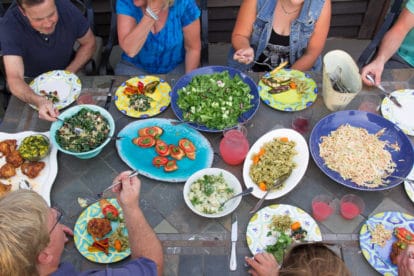
The habits that matter most as we age are often the simplest, and the easiest to stick with.
Small, repeatable activities like light gardening or mindful walking can build over time, supporting mobility, mental clarity, and overall quality of life. Instead of forcing routines that feel demanding, many people find that steady, enjoyable habits deliver the most lasting results.
As priorities shift with age, the focus often moves away from staying busy at all costs and toward doing things that feel good, fit the body, and create a sense of purpose. The right hobbies can support that transition naturally, without adding stress.
According to Daniel Stone, it’s often these simple, sustainable activities that make the biggest long-term difference.
Why Low-Pressure Hobbies Matter After 60
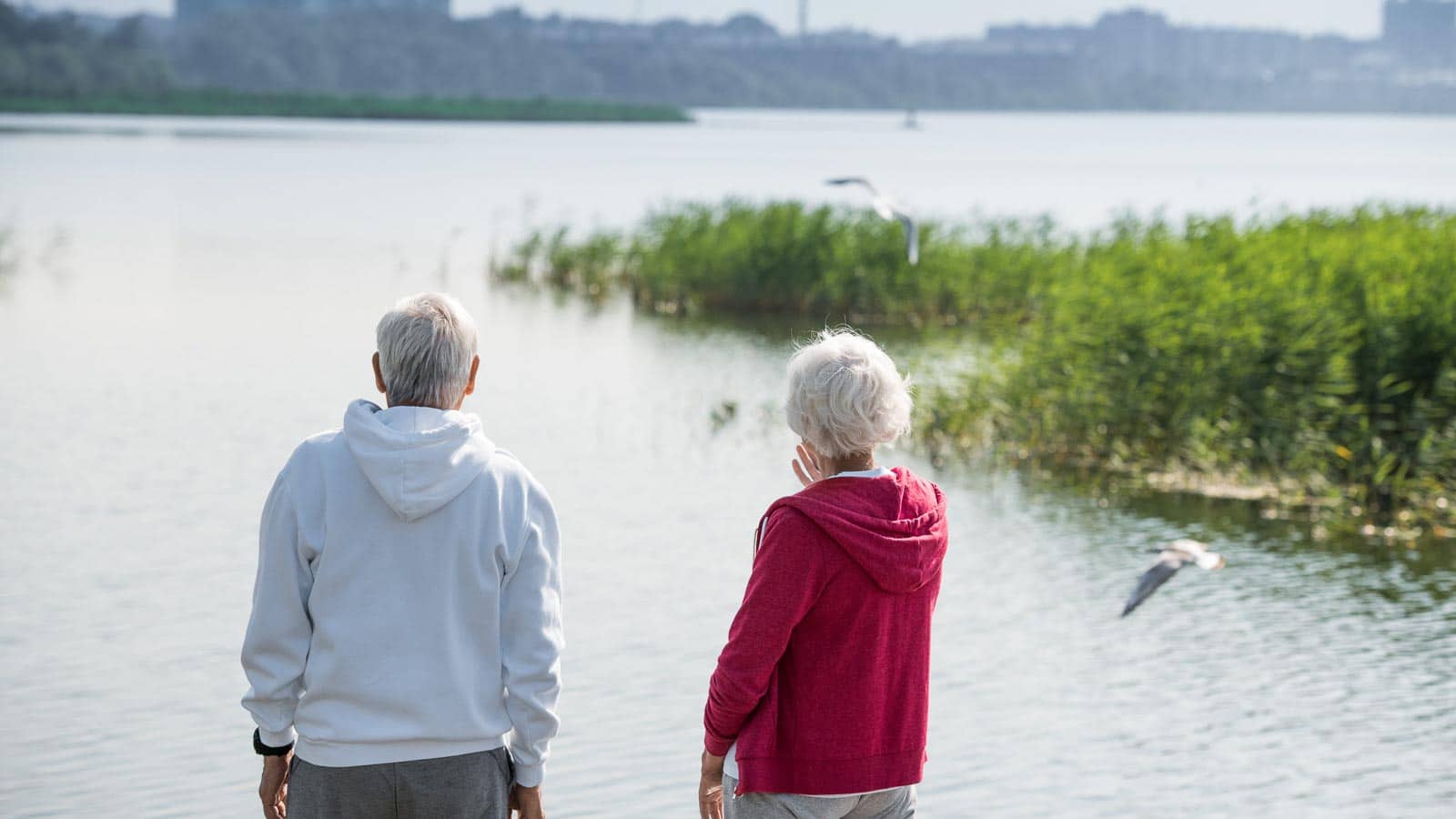
There is a subtle but important shift that happens as people move into their sixties and beyond. The focus moves away from intensity and toward sustainability. Activities that once felt energizing may begin to feel taxing, and that is not a failure. It is simply the body asking for a different approach. Low-pressure hobbies offer a way to stay engaged without overexertion, allowing people to maintain a sense of rhythm in their daily lives without feeling overwhelmed.
These kinds of hobbies also help preserve independence. Gentle movement keeps joints mobile and muscles active, while mental engagement supports cognitive health. Over time, this combination plays a meaningful role in maintaining quality of life.
The Power of Small Daily Habits
Daniel Stone, managing director of TGA Mobility, sees this pattern play out again and again. He emphasizes that it is not dramatic lifestyle changes that create lasting impact, but small, enjoyable habits repeated consistently. A few minutes in the garden, a short walk with a purpose, or time spent observing something interesting can all add up in powerful ways.
These habits are also more likely to stick because they feel achievable. There is no pressure to perform or improve. Instead, the focus is on participation and enjoyment, which naturally encourages consistency.
Raised-Bed Gardening Brings Movement Within Reach
Gardening has long been associated with physical and emotional wellbeing, but traditional gardening can become difficult with age. Bending, kneeling, and lifting heavy soil can create discomfort or even increase the risk of injury. Raised-bed gardening offers a practical solution by bringing plants up to a comfortable height.
With raised beds or vertical planters, people can tend to flowers, herbs, or vegetables without straining their backs or knees. This makes gardening accessible for those who use mobility aids or prefer to sit while they work. What was once physically demanding becomes something enjoyable again.
How Gardening Supports Strength and Dexterity
Beyond the obvious benefits of being outdoors, gardening also supports physical function in subtle ways. Tasks like planting seeds, pruning leaves, and watering plants involve small, repetitive hand movements. These actions help maintain grip strength and dexterity, which are essential for everyday tasks such as opening containers or handling utensils.
There is also something deeply satisfying about nurturing living things. Watching plants grow over time creates a sense of continuity and accomplishment that can be especially meaningful.
Birdwatching Turns Walks Into Purposeful Moments
Walking is often recommended as a simple and effective form of exercise, but it can feel repetitive without a clear sense of purpose. Birdwatching transforms a walk into an experience. Instead of focusing on distance or speed, it encourages people to slow down, observe, and engage with their surroundings.
This approach makes walking more enjoyable and sustainable. It also allows for flexibility, with frequent stops and rest periods built naturally into the activity.
The Cognitive Benefits of Observing Nature
Birdwatching is not just about movement. It also engages the mind. Identifying different species, remembering their calls, and noticing patterns in their behavior all require attention and memory. Over time, these mental exercises can help support cognitive health in a way that feels effortless.
Having a reason to step outside can also improve consistency. Even on days when motivation is low, the possibility of spotting something new can be enough to encourage movement.
Photography Encourages Focus Without Travel
Photography is often associated with travel, but it does not have to involve long trips or elaborate planning. Some of the most rewarding photography opportunities are found close to home. A backyard, balcony, or nearby park can provide endless inspiration.
Looking closely at everyday surroundings can reveal details that might otherwise go unnoticed. Changes in light, texture, and color create opportunities for creative expression without the need for physical exertion.
Why Photography Supports Emotional Wellbeing
The act of taking photographs encourages mindfulness. Focusing on framing a shot or capturing a moment draws attention into the present, reducing stress and promoting a sense of calm. This kind of mental engagement can be deeply restorative.
Photography also provides a tangible sense of progress. Over time, a collection of images becomes a visual record of experiences, offering both reflection and pride.
Gentle Water Exercise Supports Movement
Water-based exercise offers unique benefits that are difficult to replicate on land. The buoyancy of water supports the body, reducing pressure on joints while still allowing for movement and resistance. This makes swimming and aqua-based classes particularly appealing for older adults.
Save this article
For individuals dealing with arthritis or balance concerns, water can provide a safe and comfortable environment to stay active.
The Hidden Sleep Benefits of Pool Time
One of the lesser-known advantages of water exercise is its effect on sleep. Even light activity in the pool can help regulate sleep patterns, making it easier to fall asleep and stay asleep. Improved sleep contributes to better energy levels, mood, and overall health.
This creates a positive cycle, where better rest supports continued activity and engagement.
Community Nature Volunteering Builds Connection
Hobbies do not have to be solitary. Community-based activities, particularly those centered around nature, offer an opportunity to combine movement with social interaction. Volunteering to help maintain a park, garden, or local space provides a sense of purpose that goes beyond personal enjoyment.
These activities are often flexible, allowing individuals to participate at their own pace and according to their abilities.
Why Feeling Useful Matters for Health
Daniel Stone highlights that feeling useful is one of the most significant contributors to wellbeing. When people see the results of their efforts, even in small ways, it reinforces a sense of purpose and self-worth.
This emotional benefit can be just as impactful as the physical activity involved.
The Social Benefits of Shared Activities
Working alongside others naturally creates opportunities for conversation and connection. These interactions can help reduce feelings of loneliness and build a sense of belonging. Over time, even casual social contact can have a meaningful effect on mental health.
Shared experiences also add an element of enjoyment, making it more likely that people will continue participating.
Choosing the Right Hobby for You
Not every hobby will appeal to every person, and that is part of the process. The key is to find activities that feel enjoyable and manageable. Starting small allows for experimentation without pressure, making it easier to discover what works best.
Once a hobby feels comfortable, it can gradually become part of a daily or weekly routine.
Listening to Your Body and Adjusting

djoronimo/ 123rf
Flexibility is essential when it comes to maintaining long-term habits. Activities can and should be adjusted to match changing needs. This might mean modifying movements, shortening sessions, or exploring new options altogether.
Listening to the body helps prevent discomfort and keeps the experience positive.
The Bigger Picture of Aging Well
Aging well is not about trying to maintain the pace of earlier years. It is about adapting in ways that support both physical and emotional health. Low-pressure hobbies offer a path forward that feels balanced and sustainable.
They allow people to stay active, engaged, and connected without unnecessary strain.
READ: 10 functional abilities that indicate exceptional aging past 70
Enjoying the Process With Confidence
As Daniel Stone puts it, the goal is not to slow down aging, but to enjoy it with confidence. These hobbies provide a way to do exactly that, offering structure, movement, and meaning in a way that feels natural.
In the end, it is the small, consistent moments of enjoyment that shape a life that continues to feel full, purposeful, and deeply satisfying.
Disclosure: This article was developed with the assistance of AI and was subsequently reviewed, revised, and approved by our editorial team.
Like our content? Follow us on Newsbreak.
Common Digestive Health Issues in Older Adults
As the population worldwide continues to live longer, approximately 14.5% of those living in the United States are categorized as older adults or over 65.1 There seems to be a lot of information available for adults living with digestive conditions, but we do not hear as much about the older adult population. Learn more.