Listen closely. The words a man uses aren’t just conversation—they’re a preview of the husband he’ll become. We all want a love that lasts, but with first-marriage divorce rates in the U.S. still rising, it’s clear that not every trip to the altar ends in a fairy tale.
Let’s be real, the challenges are significant. According to the CDC’s most recent data, over 61 million women and 53 million men have experienced psychological aggression by an intimate partner in their lifetime. It’s a silent epidemic that often starts with simple words.
World-renowned relationship researcher Dr. John Gottman can predict divorce with up to 94% accuracy, not by looking at if couples fight, but how they communicate. He famously said, “Most marital arguments cannot be resolved… By fighting over these differences, all they succeed in doing is wasting their time and harming their marriage”. It’s the jabs, the dismissals, and the subtle manipulations that truly corrode a partnership from the inside out.
These 13 phrases are more than just words; they’re red flags signaling deeper issues of control, disrespect, and emotional immaturity that can turn a marriage into a nightmare.
“You’re just being too sensitive” or “You’re overreacting”

This is the unofficial slogan of gaslighters everywhere. This phrase isn’t about your sensitivity; it’s about his refusal to acknowledge your feelings. It’s a classic tactic of emotional invalidation, designed to make you question your own sanity and perception of reality.
When he says this, he’s telling you that your emotional response is wrong. Over time, this can be incredibly damaging. Invalidation makes a person feel as though their emotional experience is unacceptable or inaccurate, leading to profound confusion and self-doubt. A 2024 study published in the journal Social and Personal Relationships found that relationship gaslighting exposure was associated with greater depression and lower relationship quality above and beyond other forms of intimate partner violence, including psychological abuse.
It’s more than just a dismissive comment—it’s a systematic dismantling of your self-trust. When you’re repeatedly told your reactions are “too much,” you start to second-guess your own intuition. This creates a dangerous dependency on him to define reality for you, making it harder to spot other red flags down the line.
“It was just a joke, can’t you take it?”

Humor should be a bridge, not a weapon. When a “joke” consistently leaves you feeling hurt or small, it’s not a joke—it’s aggression disguised as humor. This is a common passive-aggressive tactic used to deliver a nasty jab without taking any responsibility.
Psychologists note that there is “always a nugget of truth inside the joke”. It’s a way for him to express real criticism, anger, or contempt while maintaining plausible deniability. If you get upset, the problem becomes your “lack of a sense of humor,” not his cruelty.
Healthy teasing is part of a playful relationship, but it stops being healthy the moment one person asks for it to stop and the other refuses.
If he consistently uses “jokes” to put you down, he’s showing you he values his right to be cruel more than your feelings.
“If you really loved me, you would…”

This phrase is a wolf in sheep’s clothing—it sounds like it’s about love, but it’s 100% about control. This is straight-up emotional manipulation, designed to make you feel guilty for having boundaries. Love is not a transaction where you have to constantly prove your devotion by sacrificing your needs or values. A loving partner would never ask you to do that. This kind of conditional love, where affection is tied to compliance, is a hallmark of a controlling personality. Research on manipulation tactics published in the Journal of Personality and Social Psychology has identified that charm, silent treatment, coercion, and other manipulation tactics showed strong individual difference consistency across contexts and covaried significantly with personality scales of Neuroticism, Extraversion, and Agreeableness.
You should never have to prove your love to someone by abandoning yourself. A man who uses this line isn’t asking for your love; he’s demanding your obedience.
“This is your fault” or “You made me do it”

A man who cannot own his mistakes will never be a true partner. This is the classic language of blame-shifting, a defense mechanism employed by emotionally immature individuals to avoid accountability for their actions.
Psychologists have a term for this pattern, coined by psychology researcher Dr. Jennifer J. Freyd: DARVO, which stands for Deny, Attack, and Reverse Victim and Offender. He denies his wrongdoing, attacks you for bringing it up, and then flips the script to make himself the victim of your “nagging” or “provoking.”
For example, a man who cheats might say, “Maybe if you weren’t so distant lately, I wouldn’t have needed to look elsewhere for affection”.
This isn’t just an excuse; it’s a form of emotional abuse that can leave you feeling confused, anxious, and responsible for his bad behavior.
“My ex was never like this”

Your relationship should be a unique space for the two of you, not a competition with ghosts from his past. Relationship experts are clear: comparing your spouse to a former partner is deeply hurtful and makes them feel like they can never measure up.
As the old saying goes, “It’s called a breakup because it’s broken”.
A man who is constantly looking in the rearview mirror isn’t fully present in the relationship with you. He’s stunting your growth as a couple by holding you to a standard that is both unfair and irrelevant.
“Relax” or “Calm down”

Has anyone in the history of the world ever calmed down after being told to “calm down”? Unlikely. This isn’t a helpful suggestion; it’s a condescending command.
In the middle of a discussion, this phrase instantly dismisses your feelings as invalid and irrational. The subtext is clear: “You’re being hysterical, and I am the calm, logical one”. It’s a subtle way of asserting superiority and shutting down the conversation.
Even if you are overreacting, a supportive partner would try to understand why you’re upset, not command you to stop feeling it. As one expert puts it, “A reprimand is the last thing she needs”.
He’s not trying to solve the problem; he’s trying to silence your emotions.
“I can’t do anything right, can I?”

This phrase is a masterclass in passive-aggressive victimhood. Instead of addressing your specific complaint, he makes a global statement about his own inadequacy, forcing you to stop the conversation and start reassuring his fragile ego.
It’s a clever way to deflect criticism and avoid taking responsibility. If you bring up that he forgot to take out the trash, he turns it into a referendum on his entire character. Now, you’re the bad guy for making him feel like a failure.
This behavior reveals a deep emotional immaturity and an inability to handle feedback.
A healthy partner can hear a complaint without crumbling, but a man who uses this line is more interested in guilt-tripping you than in growing.
“I’m the one who pays the bills”

Money should be a tool for building a life together, not a weapon for winning arguments. When a man uses his income to assert dominance or silence your opinion, it’s a glaring red flag for financial abuse.
This phrase creates a power imbalance where his contributions are valued more than yours, regardless of whether you also work or manage the household. It implies that because he earns more (or all) of the money, he has more say.
Save this article
This is incredibly dangerous. Research shows that financial abuse occurs in 99% of domestic violence cases and is one of the most potent ways to trap a partner in an unhealthy relationship.
“Fine, do whatever you want”

This isn’t agreement; it’s surrender with a silent “but you’ll pay for it later.” This phrase is the sound of a door slamming on healthy communication. It’s a classic passive-aggressive move that signals he’s shutting down while harboring resentment.
It’s a precursor to stonewalling, where one partner completely withdraws from a conflict instead of working to resolve it. This “demand-withdraw” pattern is incredibly destructive and is linked to high levels of marital dissatisfaction and an increased risk of divorce. Research by Dr. John Gottman shows that 85% of stonewallers in heterosexual relationships are men. This often happens because they experience “physiological flooding”—a fight-or-flight response where their heart rate and blood pressure spike, making it feel impossible to talk through an issue.
A man who says this isn’t compromising; he’s punishing you with silence and emotional distance.
“You’re my everything”

This one is tricky because it sounds so romantic. But let’s be honest, it’s also terrifying. No single person can, or should, be another person’s “everything.”
When a man says this, he’s placing an impossible amount of pressure on you to meet all of his emotional needs. It often signals a lack of his own support system, hobbies, or sense of self—a sign of deep-seated emotional immaturity.
According to research from the City University of New York, published in their thesis collection, intermittent reinforcement —where rewards such as affection, validation, or love are given unpredictably —creates constant uncertainty and strong emotional attachments that are incredibly durable and tough to break.
Healthy relationships are built between two whole individuals who choose to share their lives, not two half-individuals trying to complete each other. While it’s terrific to be the most important person in his life, you can’t be his only person.
“Let me explain it to you…” (in a patronizing tone)

Tone is everything, and when this phrase is delivered with a sigh or an eye-roll, it’s pure condescension. This is what Dr. Gottman calls “Contempt,” and it’s the single most significant predictor of divorce.
Contempt is any statement made from a position of superiority. It’s mockery, sarcasm, and name-calling. It conveys disgust and implies, “I’m smarter, better, and more rational than you.”
This toxic behavior is not only emotionally damaging; it’s physically harmful. Research has found that couples who regularly exhibit contempt for each other are more likely to experience infectious illnesses, such as colds and the flu.
It’s poison to a relationship, literally making you sick.
“Nothing” (when asked what’s wrong)

You can see he’s upset. The tension is so thick that it could be cut with a knife. You ask, “What’s wrong?” and he replies with one word: “Nothing.” This isn’t just a refusal to talk; it’s an act of emotional abandonment.
This often happens because they experience “physiological flooding”—a fight-or-flight response where their heart rate and blood pressure spike, making it feel impossible to talk through an issue.
But the impact is devastating. When you ask, “What’s wrong?” you are making what Dr. Julie Gottman calls a “bid for connection”. You’re reaching out to solve a problem. Responding with “nothing” is the ultimate rejection of that bid. Data shows that couples who stayed married turned toward each other’s bids 86% of the time. Those who divorced? Only 33%.
That one word carries the statistical weight of a relationship heading for failure.
“We’ve already talked about this”

This phrase is a conversational dead end, used to shut down a topic he finds uncomfortable. It implies that your feelings are invalid because the issue has been discussed once and should now be permanently resolved.
But healthy relationships require ongoing dialogue. As Dr. Gottman’s research shows, most marital conflicts—69% of them, in fact—are perpetual problems that can only be managed, not solved. A partner who refuses to revisit an issue is refusing to do the necessary work of a long-term partnership.
This is a major red flag for future conflict avoidance.
Key Takeaway

Navigating the world of relationships can feel like a minefield, but you have more power than you think. Your intuition is your guide.
- Trust Your Gut: Your feelings are valid. If a phrase consistently makes you feel small, confused, or dismissed, pay attention. Your body often signals emotional distress, like a pit in your stomach, even before your mind fully processes what’s wrong.
- Look for Patterns, Not Perfection: Everyone says the wrong thing sometimes. The danger lies in consistent patterns. When these phrases become his go-to way of communicating, they signal deeper, unresolved issues of emotional immaturity and a desire for control.
- Communication is the Foundation: As relationship expert William Paisley said, “Communication is the fuel that keeps the fire of your relationship burning, without it, your relationship goes cold”. A healthy, lasting marriage is built on a foundation of mutual respect, empathy, and the courage to be vulnerable. Don’t settle for anything less.
Disclaimer – This list is solely the author’s opinion based on research and publicly available information. It is not intended to be professional advice.
Like our content? Be sure to follow us
16 Grocery Staples to Stock Up On Before Prices Spike Again
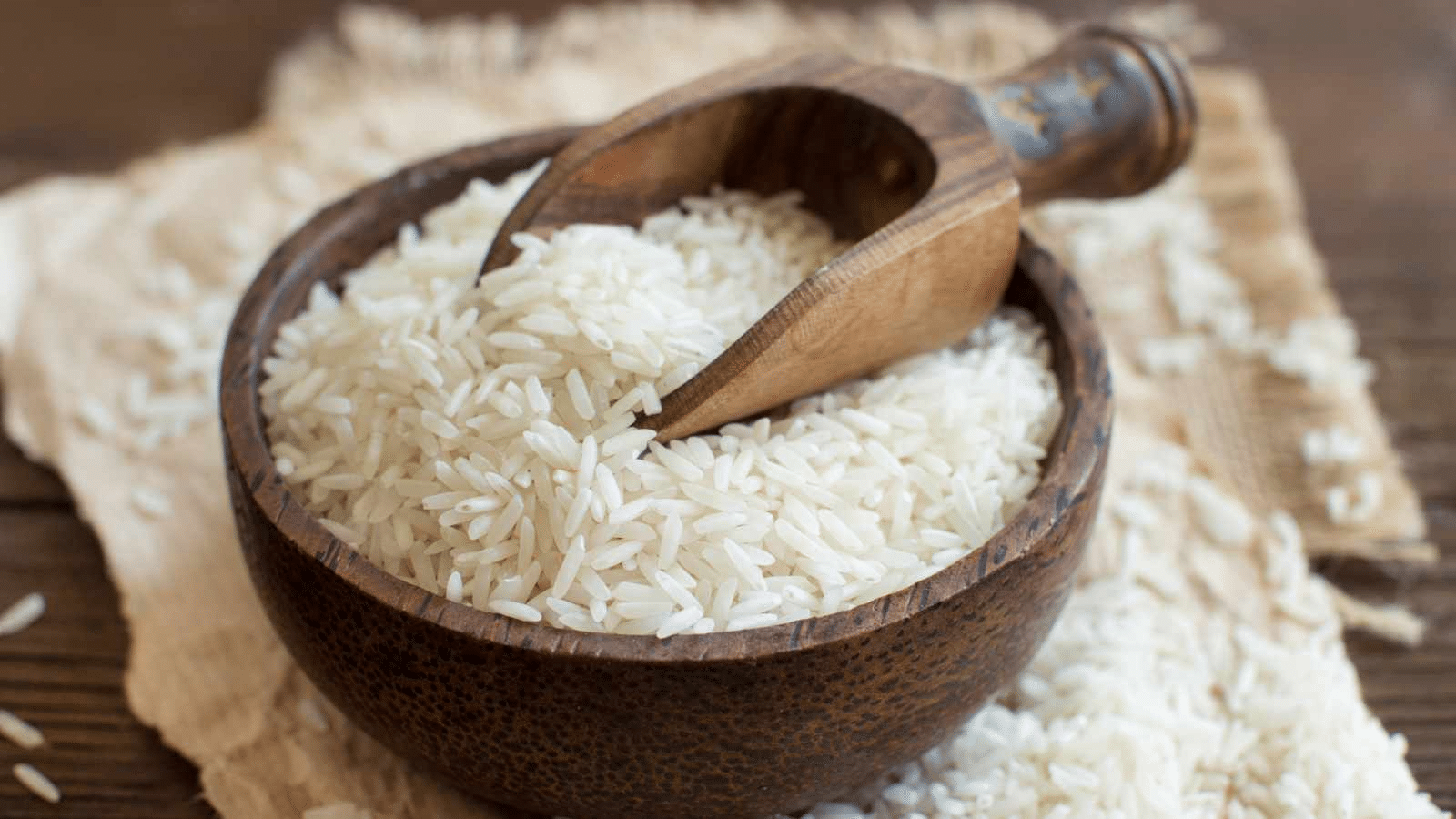
16 Grocery Staples to Stock Up On Before Prices Spike Again
I was in the grocery store the other day, and it hit me—I’m buying the same things I always do, but my bill keeps getting higher. Like, I swear I just blinked, and suddenly eggs are a luxury item. What’s going on?
Inflation, supply-chain delays, and erratic weather conditions have modestly (or, let’s face it, dramatically) pushed the prices of staples ever higher. The USDA reports that food prices climbed an additional 2.9% year over year in May 2025—and that’s after the inflation storm of 2022–2023.
So, if you’ve got room in a pantry, freezer, or even a couple of extra shelves, now might be a good moment to stock up on these staple groceries—before the prices rise later.
6 Gas Station Chains With Food So Good It’s Worth Driving Out Of Your Way For
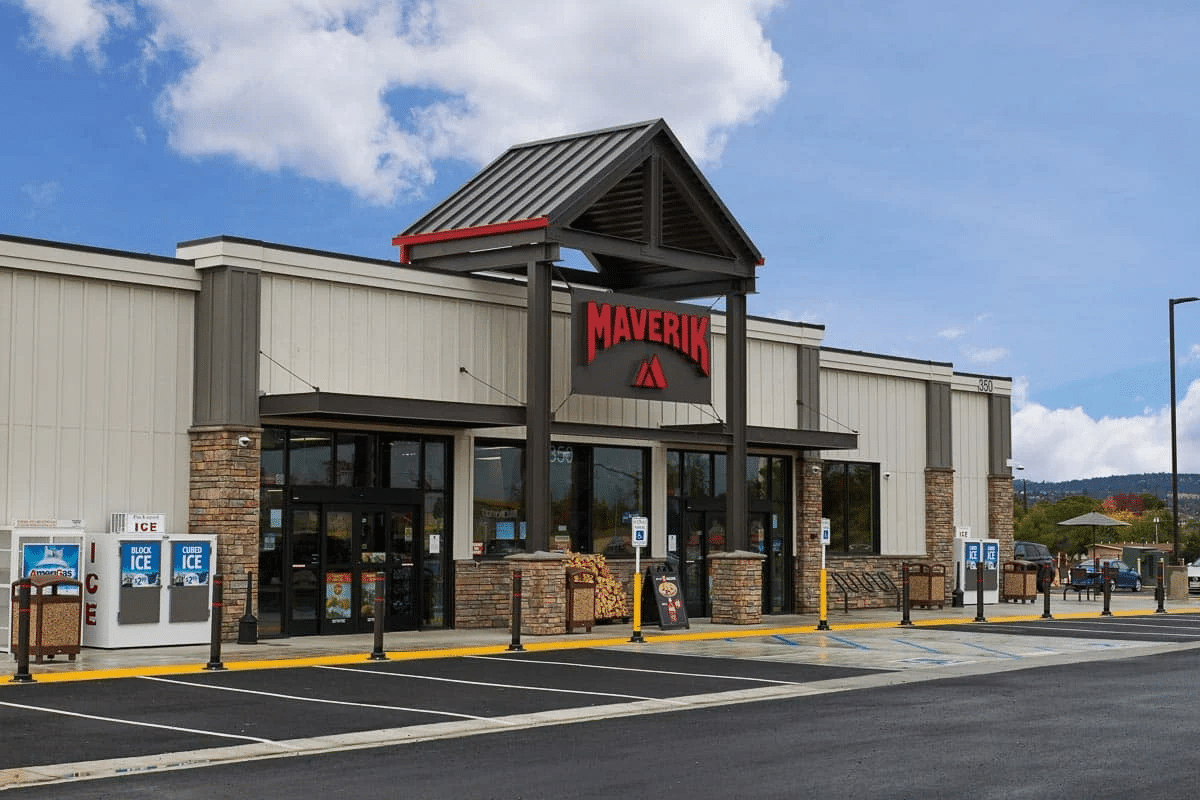
6 Gas Station Chains With Food So Good It’s Worth Driving Out Of Your Way For
We scoured the Internet to see what people had to say about gas station food. If you think the only things available are wrinkled hot dogs of indeterminate age and day-glow slushies, we’ve got great, tasty news for you. Whether it becomes part of a routine or your only resource on a long car trip, we have the food information you need.
Let’s look at 6 gas stations that folks can’t get enough of and see what they have for you to eat.