

You survey the Thanksgiving table and decide to be sensible. A small spoonful of stuffing. Just a taste of the sweet potatoes. A little gravy, a few green beans, some cranberry sauce, and a modest slice of pie.
You’re not piling your plate sky-high. You’re not going back for thirds. In fact, you’re making a real effort to eat carefully. So why might you still end up bloated, uncomfortable, or dealing with an IBS flare?
For people with irritable bowel syndrome (IBS), eating a little of everything isn’t always the same as eating a meal your digestive system tolerates well.
The explanation may involve the ingredients in those small servings, the total size of the meal, or a combination of digestive factors that have little to do with how disciplined you were at the table. Fortunately, understanding what can happen doesn’t mean you have to skip your favorite Thanksgiving foods.
Small portions don’t always mean small amounts of FODMAPs
If you follow the low FODMAP diet, you probably know that serving sizes matter.
A food may be low FODMAP in one quantity but contain a higher amount of FODMAPs in a larger serving. Now picture a Thanksgiving plate with several different dishes.
Your stuffing might contain onion. The gravy may include garlic. Sweet potatoes contribute mannitol at certain serving sizes. A dessert might contain wheat, apples, or other ingredients that contribute FODMAPs. Individually, the servings may look modest.
But the total amount of FODMAPs in a meal depends on the actual ingredients and quantities—not simply on how many spoonfuls you take. This is where the concept of FODMAP stacking becomes relevant.
According to Monash University’s explanation of FODMAP stacking, consuming multiple foods that contain FODMAPs can sometimes increase the total FODMAP load of a meal. However, that doesn’t mean every plate containing several low FODMAP foods will cause symptoms.
Monash’s tested low FODMAP serving sizes are designed to allow people to combine foods in ordinary meals, and many people tolerate those combinations without difficulty. The important distinction is between enjoying reasonable portions of suitable foods and unknowingly combining larger amounts of ingredients that contain FODMAPs you’re sensitive to.
Thanksgiving stuffing can contain more than you expect
Stuffing is one of the most recognizable Thanksgiving foods—and one of the easiest places for high FODMAP ingredients to hide. Traditional recipes frequently contain onion, garlic, celery, bread, broth, and sausage.
Depending on the ingredients and portions, several of these may contribute FODMAPs.
Even a relatively small serving can be problematic for someone who is particularly sensitive to fructans, especially if the stuffing contains a generous amount of onion or garlic. But stuffing doesn’t have to be off-limits just because you’re following the low FODMAP diet. It can be prepared with suitable bread, carefully selected vegetables, herbs, and flavorful alternatives such as scallion greens or garlic-infused oil.
FODMAP Everyday’s Thanksgiving recipe collection includes low FODMAP stuffing ideas alongside traditional holiday favorites.
If you’re hosting, you can prepare a version that suits your needs. If you’re visiting someone else’s home, asking about the ingredients ahead of time may help you decide what portion, if any, works for you.
Gravy and sauces can change the whole plate
Turkey itself is naturally free of FODMAP carbohydrates when it’s plain and unseasoned. But the gravy poured over it may be another story. Some gravies are made with onion-containing broth, garlic, wheat flour, or other ingredients that matter to people following the low FODMAP diet.
Wheat flour contributes fructans, although the amount in a modest serving of gravy may be small. Garlic and onion content can vary considerably depending on the recipe. The same issue applies to sauces, glazes, and dressings.
The main ingredient may be perfectly suitable while the sauce introduces something you don’t tolerate well. This is why it’s helpful to look at the preparation of the entire dish, rather than assuming that turkey and vegetables are automatically low FODMAP in every form.
FODMAP Everyday’s Thanksgiving and Christmas main dishes include turkey preparations and gravy options designed for low FODMAP eating.
And remember: you don’t have to skip gravy altogether. A well-made low FODMAP gravy can be every bit as satisfying as the traditional version.
Some vegetables are more portion-sensitive than others
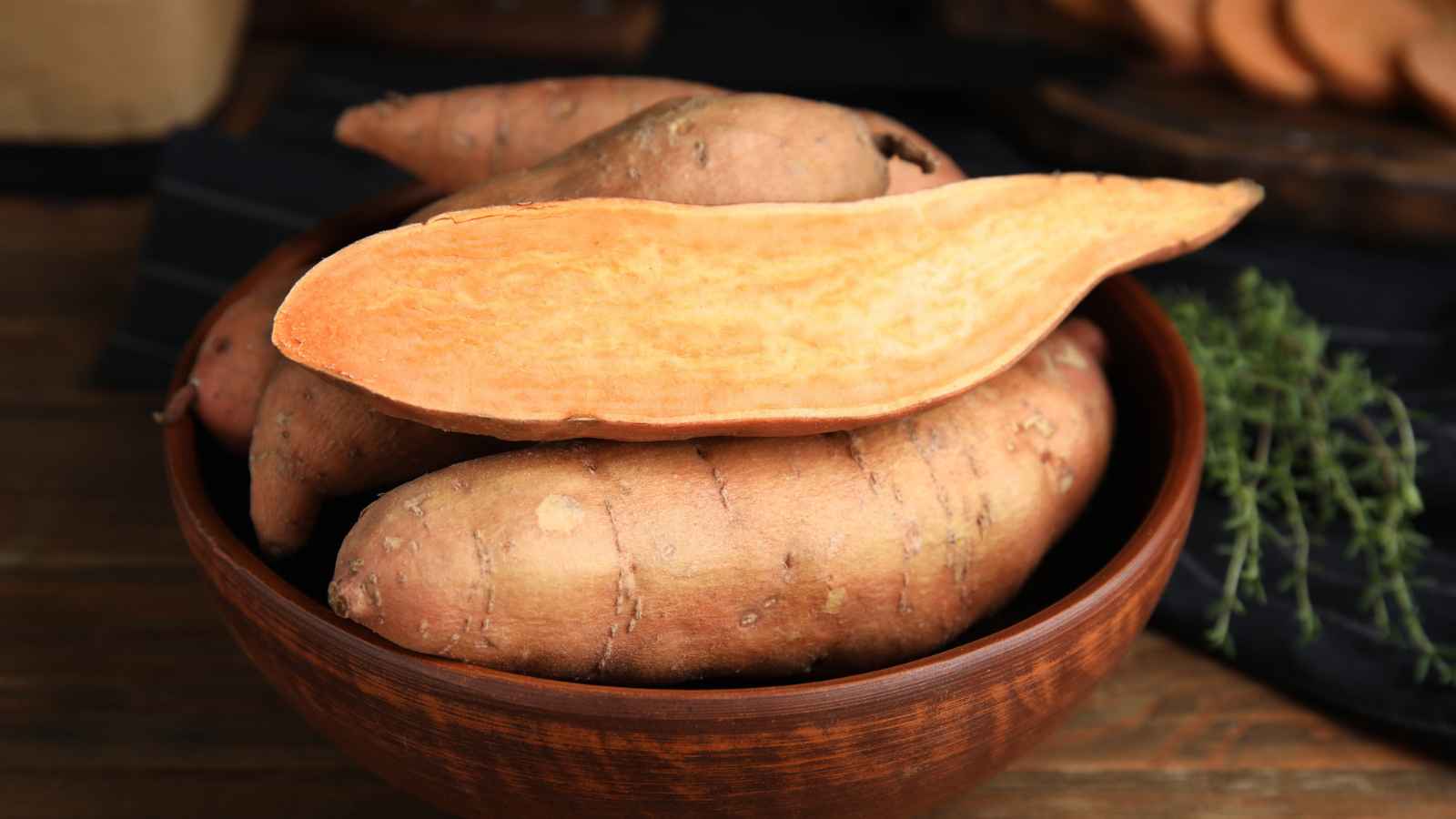
Thanksgiving side dishes often feature vegetables that are nutritious, colorful, and delicious. But their FODMAP content varies.
Sweet potatoes, for example, contain mannitol, and portion size matters. Some winter squashes also have serving-size considerations. Green beans, carrots, potatoes, and other vegetables may offer useful low FODMAP options, depending on the preparation and quantity.
The difficulty isn’t necessarily the vegetables themselves.
It’s that holiday recipes often combine vegetables with onion, garlic, honey, dried fruit, or rich sauces.
A vegetable’s FODMAP profile and the recipe’s FODMAP profile aren’t always the same thing.
A simple side of roasted carrots may be very different from carrots prepared with a honey-based glaze. Plain green beans aren’t the same as a casserole made with onion-containing soup and crispy fried onions.
For inspiration, FODMAP Everyday has an extensive collection of low FODMAP Thanksgiving and Christmas side dishes. You can enjoy a colorful holiday plate without assuming every vegetable preparation will work equally well for your gut.
A large meal can cause discomfort even when it’s low FODMAP
Here’s something that often gets overlooked during holiday meals: FODMAPs aren’t the only reason a person with IBS may feel uncomfortable after eating. Thanksgiving dinner is frequently much larger than an ordinary meal.
You may have appetizers, turkey, several side dishes, bread, dessert, and beverages over a relatively short period. Large meals can increase sensations of fullness and stimulate gastrointestinal activity.
People with IBS may experience heightened sensitivity to normal digestive sensations, including intestinal stretching. Rich foods and higher-fat preparations can also contribute to symptoms in some individuals. Fat is not a FODMAP, but it can influence gastrointestinal motility and digestive comfort.
This means a meal prepared entirely with suitable low FODMAP ingredients could still leave you feeling uncomfortable if the overall quantity is more than you usually tolerate. You don’t need to count every bite or make Thanksgiving dinner unusually small.
But choosing a comfortable portion and remembering that leftovers exist may be more enjoyable than trying to fit every favorite food onto one plate.
Holiday stress can affect your gut, too
Thanksgiving isn’t always the relaxing celebration depicted in advertisements. There may be long drives, crowded kitchens, complicated family dynamics, disrupted sleep, or anxiety about whether the food will be suitable for you. If you’ve had painful IBS symptoms during previous holidays, you may already be worried about how your gut will behave.
IBS is a disorder of gut-brain interaction, meaning the nervous system and gastrointestinal tract communicate continuously.
Stress can influence digestive motility and sensitivity, potentially contributing to genuine physical symptoms.
An IBS flare after Thanksgiving dinner doesn’t automatically prove that you ate something wrong.
Your symptoms may reflect several factors happening at once.
That doesn’t mean you should ignore food triggers. It means you can give yourself permission to consider the bigger picture rather than treating every uncomfortable holiday as a dietary failure.
You don’t need to avoid every favorite food
One of the most useful things about the low FODMAP diet is that it is designed to become personalized. During the initial Elimination Phase, you temporarily limit high FODMAP foods. During the Challenge Phase, you systematically test different FODMAP groups to identify your individual tolerances.
The long-term goal is to bring back as many foods as you comfortably can. That means someone who has completed reintroduction may be able to enjoy foods that would have been restricted during the initial phase.
Perhaps you tolerate a little wheat. Maybe lactose isn’t a significant issue for you. Or you may find that a modest portion of a particular vegetable works well. Those discoveries can make holiday meals much easier to navigate.
If you’re still in the Elimination Phase, FODMAP Everyday’s guide to the low FODMAP diet explains why this strict phase is temporary and how personalization fits into the process.
Thanksgiving doesn’t need to become a test of how many foods you can successfully avoid.
How to build a Thanksgiving plate that works for you
Start with the foods you genuinely want to eat, rather than automatically taking a little of everything. If turkey is a favorite and you know the preparation suits you, make that a central part of your plate.
Choose side dishes based on what you know about your personal tolerances. If you’re uncertain about a sauce or stuffing, ask how it was made. Consider the overall size of the meal, especially if you tend to experience discomfort after very large portions.
You might enjoy a few favorite dishes at dinner and save another for later rather than eating everything at once.
The goal is to make choices based on your digestive needs, not to create a plate that looks like a collection of restrictions.
And if you want to enjoy the holiday flavors again the next day, FODMAP Everyday’s guide to Thanksgiving leftoversoffers creative ideas, including turkey pot pie, turkey curry, and Thanksgiving nachos. Just remember that the FODMAP suitability of a leftover dish depends on the ingredients and portions used.
One uncomfortable Thanksgiving doesn’t mean you need new food rules
Even with careful planning, IBS symptoms can still occur. You may eat something unfamiliar, have a larger meal than usual, sleep poorly, or simply experience a day when your gut is more sensitive. It’s tempting to review every ingredient afterward and decide which foods must be eliminated permanently.
But one episode of bloating or discomfort isn’t enough to establish a new food intolerance.
Look for patterns over time. If the same ingredient repeatedly causes symptoms under similar circumstances, that information may be useful. If symptoms are unpredictable, consider meal size, bowel habits, stress, and other possible contributors before restricting your diet further.
Persistent, severe, or changing symptoms deserve medical evaluation, particularly if they involve blood in the stool, unexplained weight loss, fever, or other concerning signs.
The bottom line
At Thanksgiving, taking a little of everything can feel like the perfect compromise between enjoying the meal and protecting your gut. Sometimes it works beautifully.
But for people with IBS, small portions of several dishes may still contain FODMAPs that matter to their individual sensitivities. Large meals, rich preparations, and holiday stress can also contribute to symptoms.
The answer isn’t to fear the Thanksgiving table. It’s to understand what you’re eating, choose portions that work for you, and remember that IBS management is about flexibility—not perfection.
You deserve to enjoy the holiday, the people around you, and the foods you love. And there’s absolutely nothing wrong with saving a favorite dish for tomorrow.