
Thanksgiving is supposed to be about enjoying good food and spending time with people you love. But when you have irritable bowel syndrome (IBS), a table overflowing with stuffing, gravy, sweet potatoes, casseroles, and pie can bring a different feeling: uncertainty. What can you eat? Which dishes contain hidden triggers? And will you regret your choices later?
Here’s the encouraging news: many traditional Thanksgiving foods are naturally low FODMAP or can be prepared with simple modifications. You don’t necessarily need a separate holiday menu or an entirely different meal from everyone else.
The trick is knowing where FODMAPs can hide, understanding portions, and remembering that other factors can influence IBS symptoms, too.
Turkey is probably the easiest part of Thanksgiving
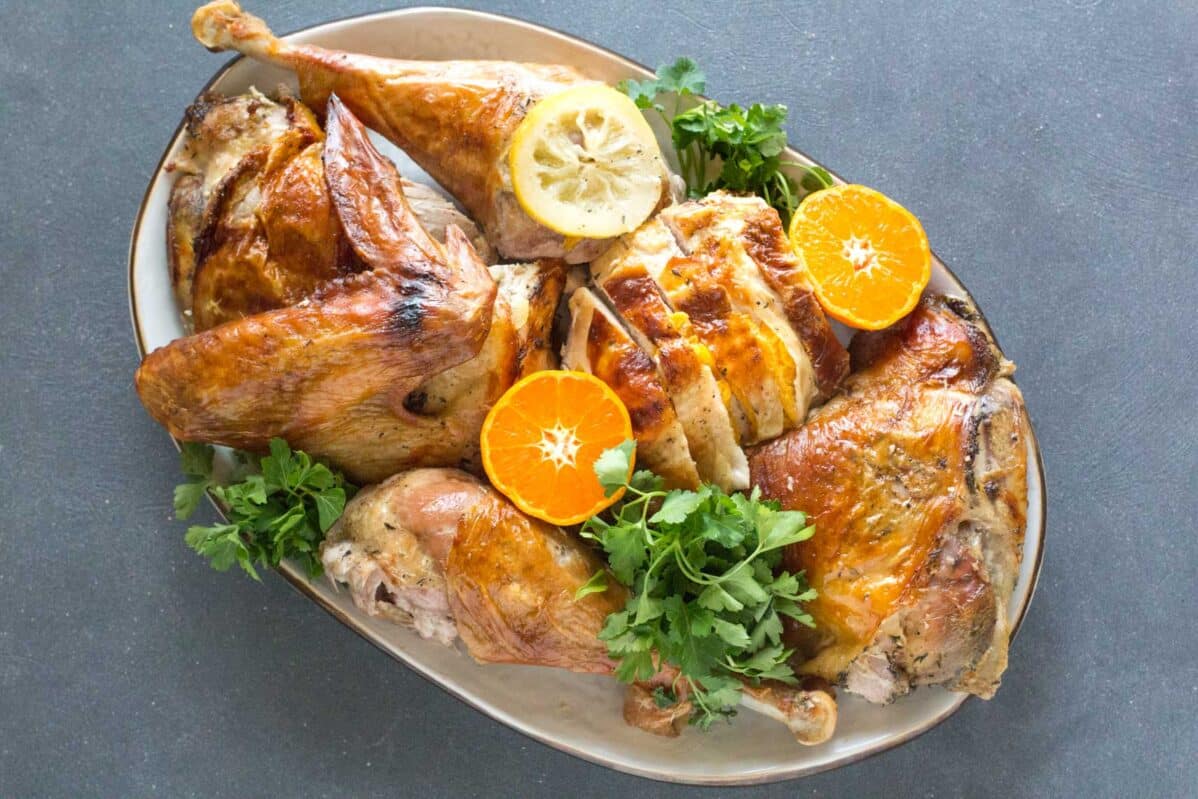
Plain turkey contains no FODMAPs, making it an excellent starting point for a low FODMAP Thanksgiving dinner. The meat itself isn’t the concern. It’s what goes into and onto the bird.
Traditional turkey preparations may include garlic, onion, seasoned broth, or commercial spice blends containing high FODMAP ingredients. Some cooks stuff the cavity with aromatics, while others use marinades or basting liquids that deserve a closer look.
If you’re preparing the turkey, keep the seasonings simple. Rosemary, sage, thyme, salt, pepper, and properly prepared garlic-infused oil can create wonderful flavor without relying on onion or garlic.
We have several turkey recipes for you:
- Beer and Brown Sugar Brined Turkey
- Low FODMAP Slow Cooker Turkey
- Low FODMAP Instant Pot Turkey Thighs
- Low FODMAP Fastest & Easiest Roast Turkey
- Spatchcocked Low FODMAP Citrus Brined Turkey with Giblet Gravy
- Low FODMAP Kale & Butternut Squash Stuffed Turkey Breast
If someone else is cooking, asking about the seasoning and broth is often more useful than avoiding the turkey altogether.
And remember, you are looking to eat “low” FODMAP, not “no” FODMAP.
Gravy can contain more than you expect
Gravy is one of those Thanksgiving staples that looks harmless but can contain several potential FODMAP sources.
Many recipes use broth or stock made with onion and garlic. Packaged gravy mixes may contain these ingredients as well, sometimes in forms that aren’t immediately obvious.
Fortunately, low FODMAP gravy is relatively straightforward to make. Use suitable turkey drippings, low FODMAP broth, herbs, and an appropriate thickener such as cornstarch.
The important thing is to check the ingredients rather than assuming all gravy is off-limits.
If you’re attending Thanksgiving as a guest, consider bringing a small container of homemade gravy. It’s an easy way to enjoy your turkey and mashed potatoes without worrying about what’s in the sauce.
Our recipe for Make-Ahead Low FODMAP Gravy is a game-changer. We also have a Low FODMAP Vegetarian Gravy that is easy to make vegan, too.
Stuffing is often where the FODMAPs add up
Traditional stuffing can contain several high FODMAP ingredients in one dish, including wheat bread, onion, garlic, apples, and certain mushrooms.
That combination can make conventional stuffing challenging during the Elimination Phase of the low FODMAP diet.
But stuffing doesn’t have to disappear from your Thanksgiving plate.
Start with a suitable low FODMAP bread and build flavor with fresh sage, thyme, parsley, chives, and the green portions of scallions. Garlic-infused oil can add familiar savory flavor without the fructans found in garlic cloves.
You can also include appropriate portions of other low FODMAP ingredients to add texture and richness.
A well-made low FODMAP stuffing can be delicious enough that everyone at the table enjoys it, regardless of whether they’re following a special diet.
Here are just a few of ours:
- Simple Low FODMAP Sourdough Stuffing
- Cornbread Bacon Stuffing
- Loaded Low FODMAP Vegetarian Stuffing
- Low FODMAP Sourdough Apple Stuffing
- Skillet Mushroom Kale Cornbread Stuffing
- Vegan Low FODMAP Brown Rice Stuffing
Mashed potatoes can stay on the menu
Here’s some welcome news: plain potatoes contain no FODMAPs.
That means mashed potatoes can be one of the easiest Thanksgiving dishes to adapt.
The main consideration is what gets added. Regular milk contains lactose, and large amounts may be problematic for people who are sensitive to it. Butter contains very little lactose, although a particularly rich preparation may still aggravate symptoms for some people.
Using lactose-free milk is an easy substitution that maintains the familiar creamy texture.
For extra flavor, add chives, herbs, or suitable garlic-infused oil.
You don’t have to sacrifice traditional comfort food to make a Thanksgiving meal more IBS-friendly.
Here are some recipes to get you started:
- Do-Ahead mashed Potatoes for a Crowd (this is a popular recipe!)
- Low FODMAP Vegan Garlic Mashed Potatoes
- Low FODMAP Mashed Potatoes with Sour Cream & Chives
- Low FODMAP Berbere Spiced Mashed Potatoes
Sweet potatoes are all about serving size
Sweet potatoes are a perfect example of why the low FODMAP diet isn’t simply a list of foods you can and cannot eat.
They contain mannitol, a type of FODMAP that becomes more significant as the serving size increases.
A modest portion may fit into a low FODMAP meal, while a large helping of sweet potato casserole could exceed your individual tolerance.
Casseroles also frequently contain additional ingredients, such as honey, dairy products, or other sweeteners, that deserve consideration.
If sweet potatoes are one of your favorite Thanksgiving foods, check the current serving-size recommendations in the Monash University FODMAP Diet App or FODMAP Friendly’s app rather than automatically eliminating them.
Your personal tolerance, particularly after reintroduction, matters too.
And our recipe for Low FODMAP Mashed Sweet Potatoes with Candied Pecans is a great place to start.
Cranberry sauce doesn’t have to be complicated

Cranberry sauce is a Thanksgiving classic, and it can be made low FODMAP with a carefully selected recipe and appropriate serving size.
A simple homemade version using cranberries, sugar, water, and spices gives you control over the ingredients.
Store-bought varieties may contain additional sweeteners or fruit ingredients, so checking the label is worthwhile.
Save this article
Remember that cranberry sauce is generally eaten in relatively small portions. The amount you consume matters just as much as the ingredients.
If you enjoy making holiday dishes ahead of time, cranberry sauce is also a convenient choice because it can be prepared before Thanksgiving Day.
We are cranberry crazy around here. Check these out to start:
- Spiced Citrus Cranberry Sauce
- Low FODMAP Cranberry Horseradish Sauce
- Savory Cranberry Sauce
- Cranberry Walnut Chutney
- Low FODMAP Ginger Cranberry Sauce with Tangerines
- Low FODMAP Cranberry Sauce with Orange Marmalade
- Raw Cranberry Orange Relish
Green bean casserole deserves a second look
Green beans can fit into a low FODMAP diet at appropriate serving sizes, but traditional green bean casserole presents additional challenges.
Condensed mushroom soup, onion toppings, and certain other ingredients can increase the FODMAP content considerably.
That doesn’t mean you need to skip green beans.
Consider preparing them with garlic-infused oil, toasted nuts, or fresh herbs. Or make a modified casserole using low FODMAP ingredients and an appropriate creamy sauce.
Carrots and other suitable vegetables can also help fill your Thanksgiving plate with colorful, flavorful choices.
The goal is to keep the foods you enjoy while making practical adjustments where necessary.
You might want to try:
Pumpkin pie is still possible
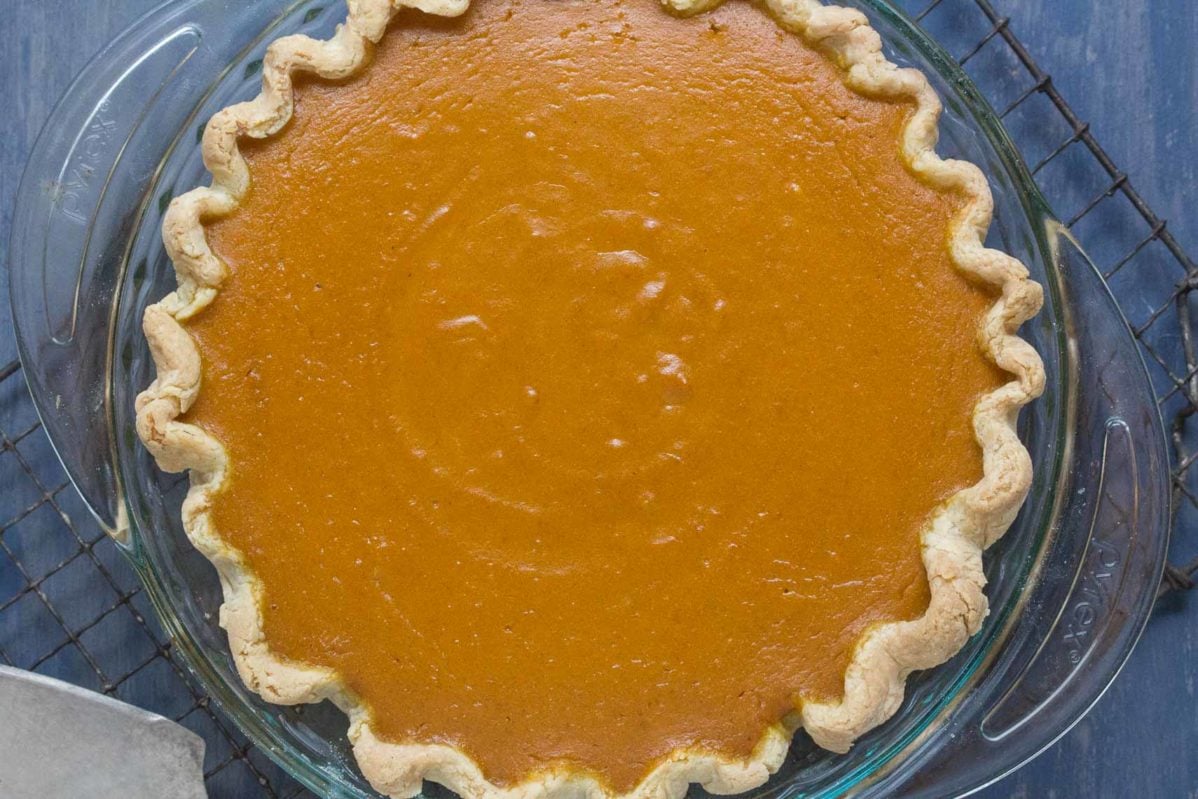
Dessert is often where people with IBS feel particularly restricted, especially when several favorite holiday treats are involved.
Pumpkin pie can be adapted for a low FODMAP diet, but the ingredients and portions require attention.
Pumpkin varieties and products differ in FODMAP content. Traditional pie fillings may also contain lactose from evaporated milk, while the crust may contribute wheat fructans.
A suitable pumpkin product, low FODMAP crust, and lactose-free dairy can help create a version that works within the diet.
Check current tested serving sizes rather than assuming every pumpkin dessert is automatically suitable.
And remember that the low FODMAP diet is intended to be personalized. If you’ve completed reintroduction, you may tolerate ingredients that someone else needs to limit.
We have some recipes for you for pie and beyond:
- Low FODMAP Pumpkin Cheesecake in Gingersnap Crust
- Low FODMAP Classic Pumpkin Pie
- Low FODMAP Pumpkin Chiffon Pie
- Low FODMAP Ginger & Lemon Maple Pumpkin Pie
- Low FODMAP Pumpkin Chocolate Swirl Brownie Pie
- Low FODMAP Pumpkin Cobbler
- Low FODMAP Chocolate Pumpkin Marble Bundt Cake
- Low FODMAP Pumpkin Gingerbread Streusel Coffee Cake
The amount you eat can matter as much as what’s on your plate
Even a Thanksgiving dinner made entirely from carefully selected ingredients can leave you uncomfortable if you eat substantially more than usual.
Large meals can increase digestive activity and sensations of fullness or intestinal stretching. For people with IBS, those sensations may be particularly noticeable.
There is also the possibility of FODMAP stacking, when combinations of foods contribute to a higher overall FODMAP intake. However, eating several low FODMAP foods together does not automatically mean stacking will cause symptoms. Monash University’s serving-size thresholds are designed to allow reasonable food combinations.
You don’t need to turn Thanksgiving into a mathematical exercise. Start with comfortable portions, enjoy the foods that matter most to you, and remember that leftovers are part of the holiday tradition.
Don’t forget about stress, travel, and disrupted routines
Food isn’t the only factor that can influence IBS symptoms during Thanksgiving.
Travel, unfamiliar bathrooms, changes in sleep, family stress, and irregular meal schedules can all affect digestive comfort.
The gut-brain connection is especially relevant here. Stress can influence intestinal motility and sensitivity, meaning a meal you normally tolerate may feel different under stressful circumstances.
Skipping meals all day before Thanksgiving dinner may also leave you unusually hungry and more likely to eat a much larger meal than normal.
Maintaining familiar routines where possible, staying hydrated, and allowing yourself time to relax can make the holiday more comfortable.
What if you’re not the one cooking?
Attending someone else’s Thanksgiving dinner can feel intimidating when you don’t control the ingredients.
You don’t need to interrogate your host about every dish, but asking a few questions ahead of time can be helpful.
Find out whether the turkey, gravy, or stuffing contains onion or garlic. Offer to bring a side dish or dessert you know you can enjoy. And consider eating a familiar breakfast or lunch rather than arriving extremely hungry.
If you’re following the low FODMAP diet, focus on your known tolerances rather than trying to make every dish meet the strictest possible restrictions.
Most importantly, remember that you are there to enjoy the celebration, not to prove that you can follow a diet perfectly.
The bottom line

Thanksgiving with IBS doesn’t have to mean missing out on the foods you love.
Turkey, mashed potatoes, vegetables, cranberry sauce, and even stuffing and pumpkin pie can have a place at the table when ingredients and serving sizes are considered thoughtfully.
The biggest challenges are often hidden onion and garlic, lactose-containing ingredients, larger portions, rich foods, and changes in routine.
A little planning can make Thanksgiving feel much more manageable, without turning the holiday into a list of restrictions.
And if one meal doesn’t go exactly as planned, it doesn’t mean you’ve failed or that another favorite food needs to disappear from your diet forever.
Thanksgiving & Christmas Drinks: Cocktails, Mocktails & More For Even The Most Sensitive Of Stomachs

These are our favorite Thanksgiving & Christmas Low FODMAP Drinks, from spirited cocktails, to no-alcohol mocktails, eggnogs, mulled wine, punches, mimosas, spritzers, champagne drinks, hot cocoa, hot chocolate and more. Read: Thanksgiving & Christmas Low FODMAP Drinks: Cocktails, Mocktails & More